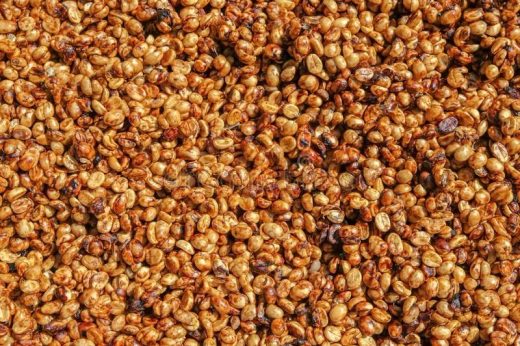
Costa Rica Honey Process Coffee Beans: Yellow, Red, or Black Honey?
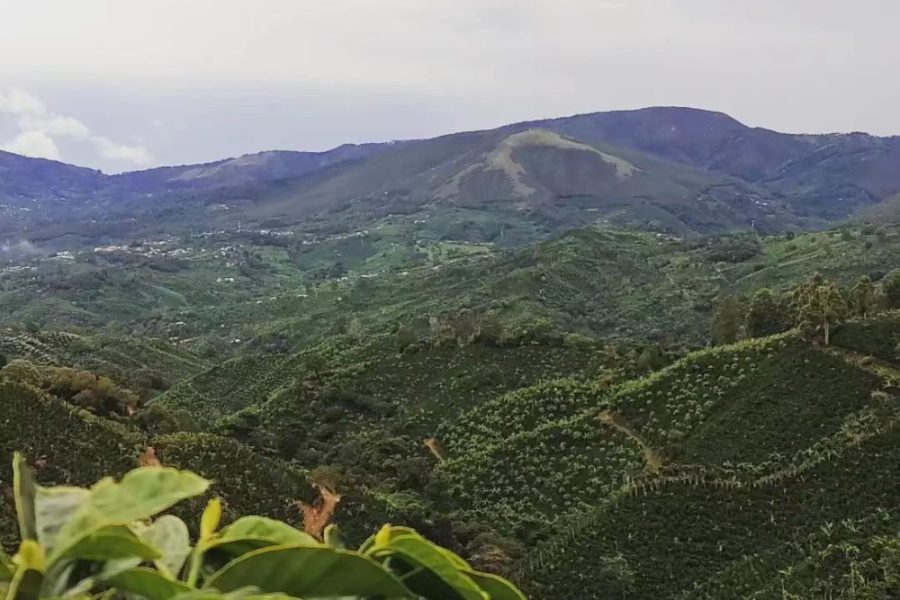
Introduction: Costa Rica honey processed coffee beans are known for their distinctive sweetness and complex layers, and the differences among the three processing methods—yellow honey, red honey, and black honey—directly affect the final flavor. This article explains the core differences among these three processes, from pectin retention ratio and drying time to flavor characteristics, to help you choose precisely according to your taste preferences, and provides reference parameters for professional roasting and cupping.
As an important producing region for specialty coffee worldwide, Costa Rica's high-altitude growing environment creates the rich, balanced character of its coffee beans. In recent years, the honey process has been widely applied and continuously optimized in the country, becoming a new choice for many coffee lovers exploring flavor depth. This processing method retains the clean base of the washed method while bringing richer sweetness and fermentation aroma by retaining part of the mucilage.
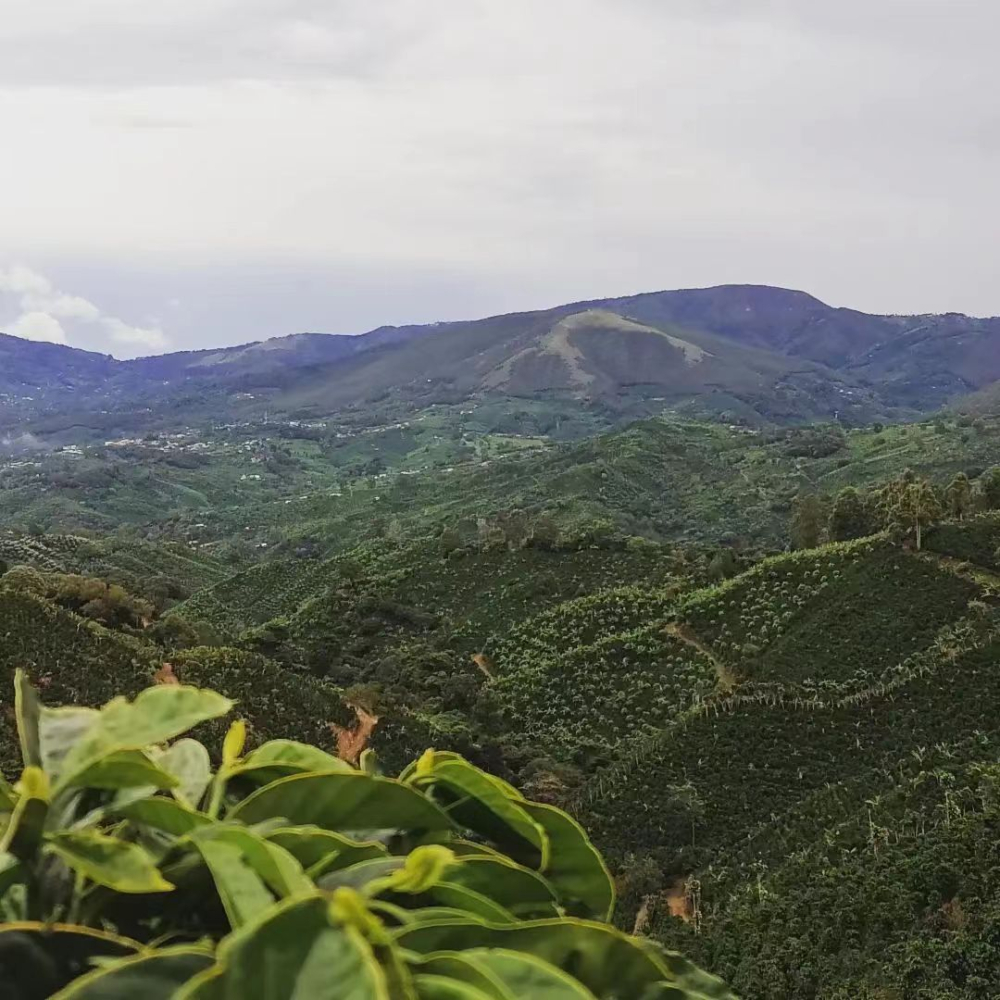
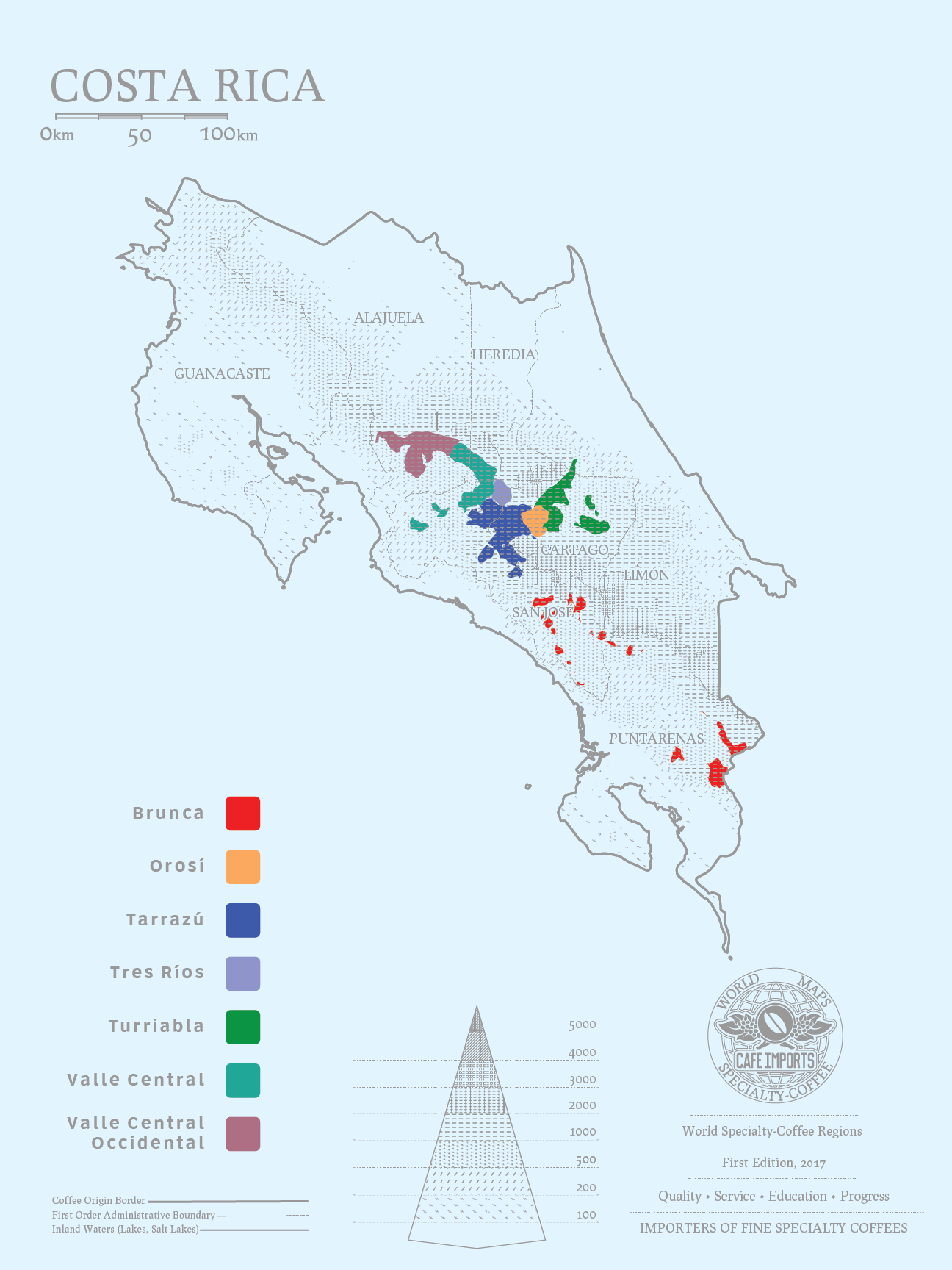
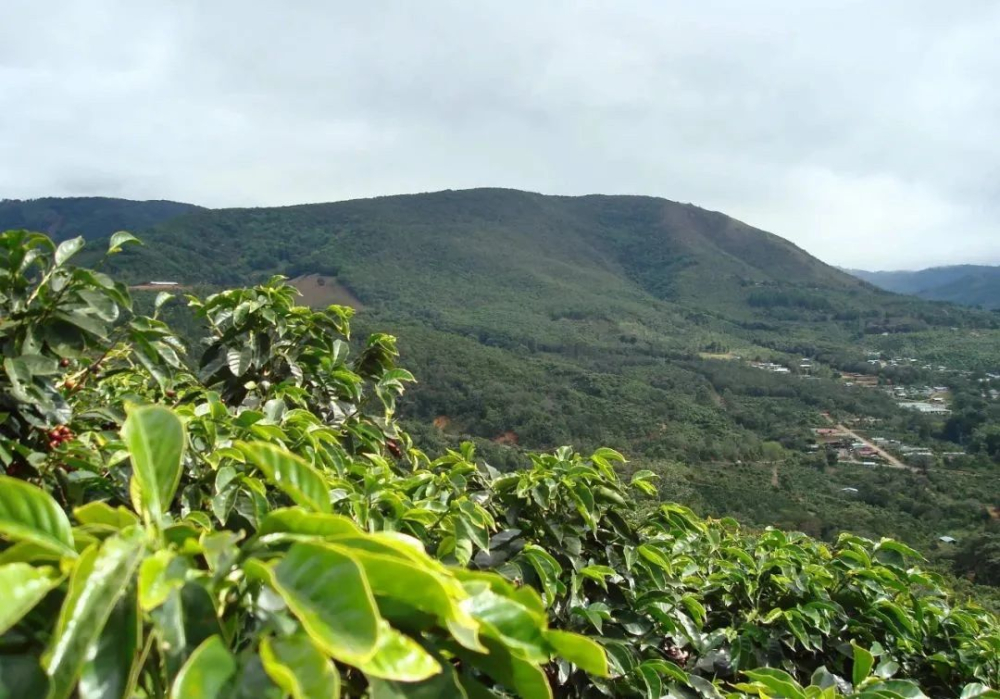
The country's main coffee producing regions include seven areas such as Tarrazú, Central Valley, and Tres Ríos. Among them, the Tarrazú region sits at 1,200–1,700 meters above sea level; its fertile volcanic soil and ideal drainage conditions make it a core origin for high-quality coffee beans. Because the Western Valley region is influenced by Pacific air currents, the coffee beans it produces have milder acidity and distinctive almond and peach flavors. Different microclimates provide a diverse raw material base for the honey process.
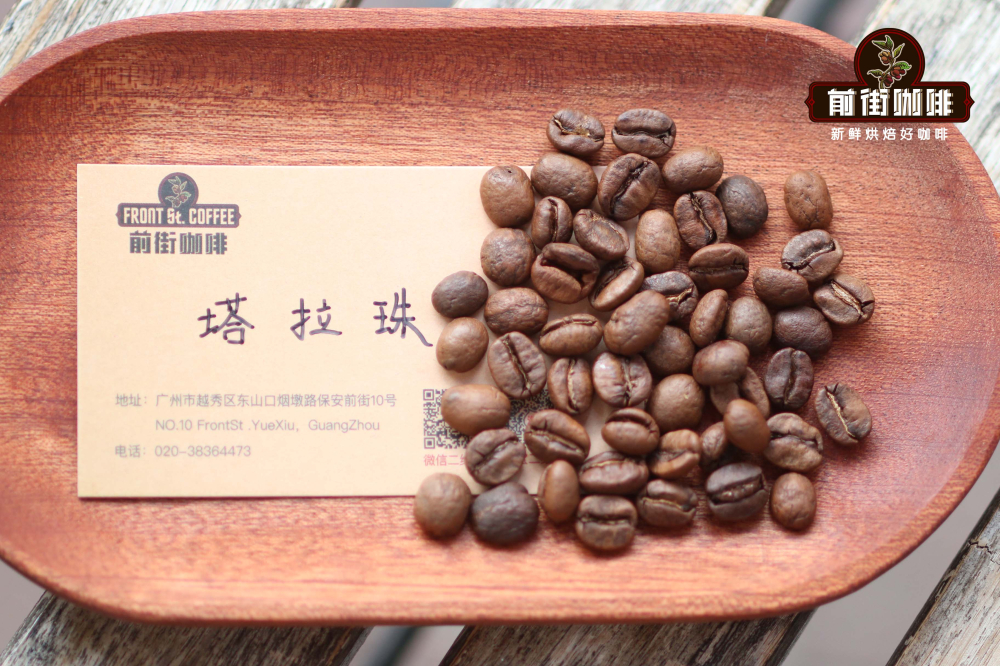
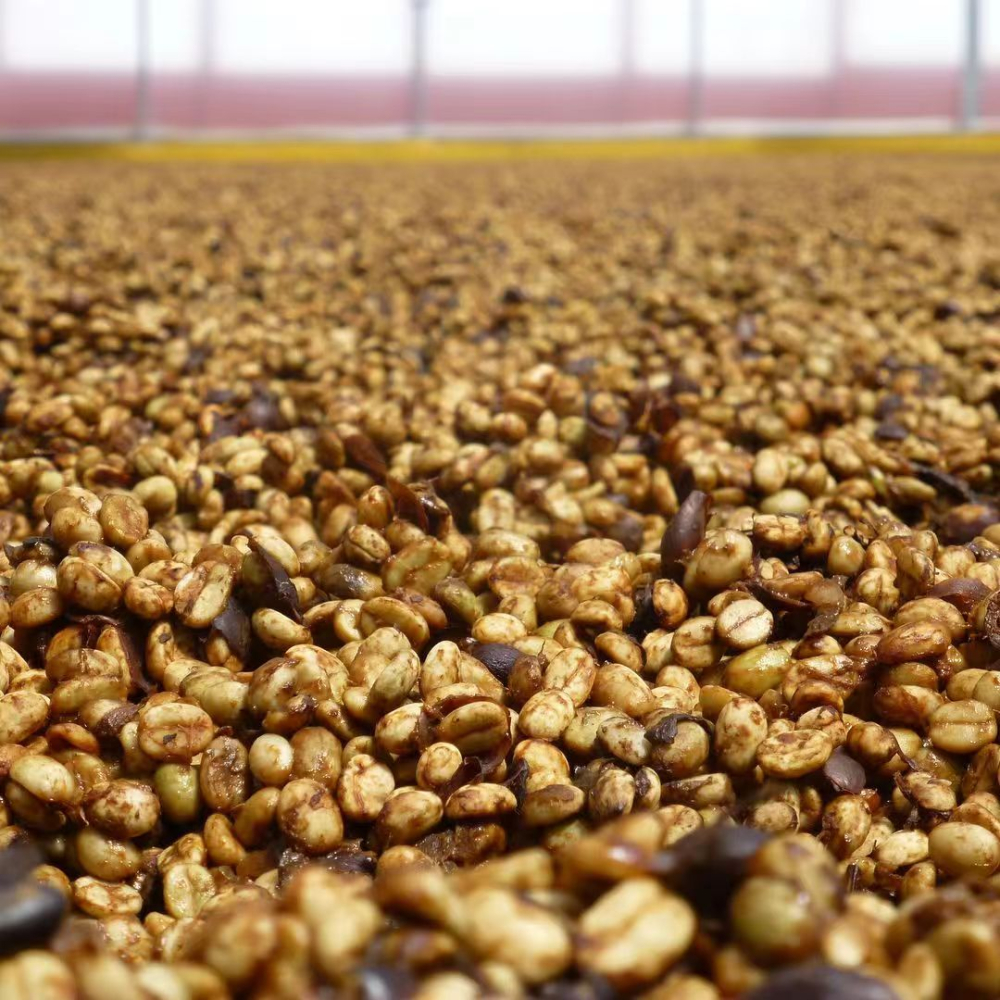
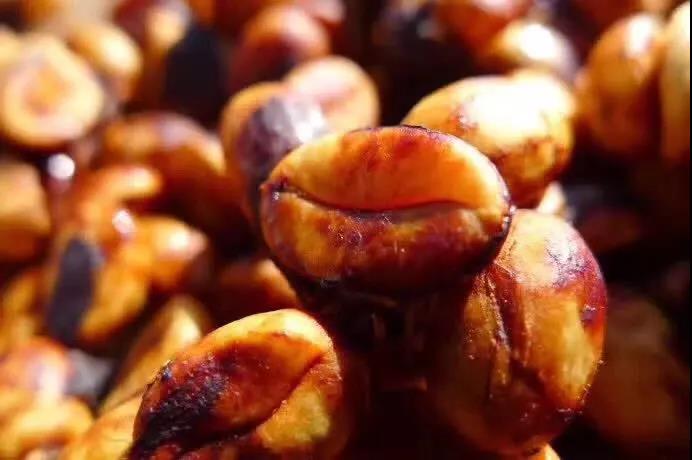
The core of the honey process lies in retaining the mucilage layer after the coffee fruit is removed, forming distinctive flavors through different ratios of mucilage retention and drying control. Compared with the crisp cleanliness of traditional washed processing, the honey process can better showcase the coffee's own sweet qualities. This process is particularly suitable for drinkers seeking a balance of sweetness and fruit aroma, with a flavor between the clarity of washed coffee and the intensity of natural coffee.
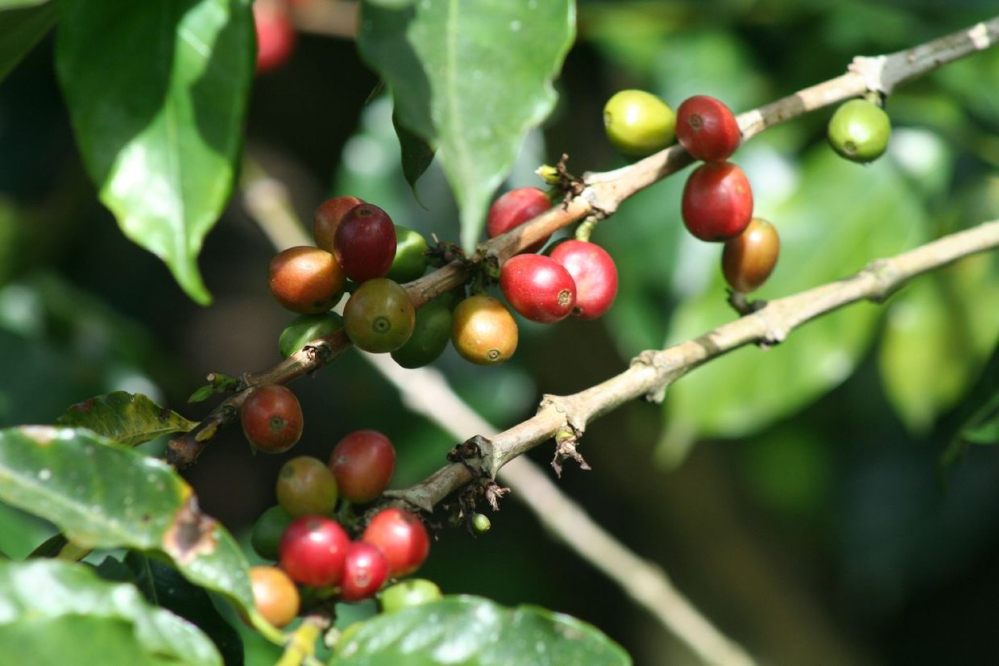
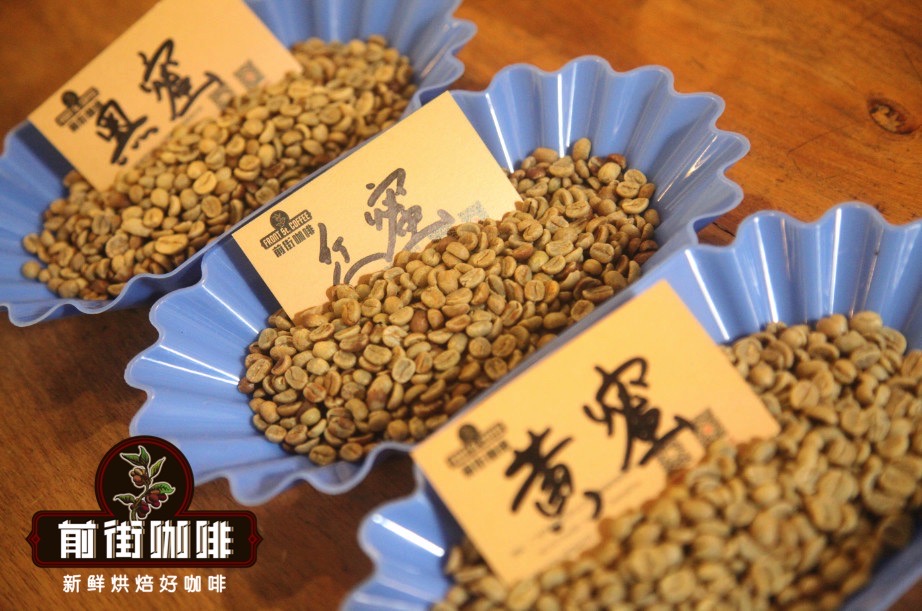
In Costa Rica's practice specifically, the honey process is divided into three main types according to mucilage retention: yellow honey retains about 40% mucilage and requires about 8 days of drying in full sun; red honey retains about 25% mucilage, with drying time extended to 12 days and appropriate shading; black honey retains nearly 80% mucilage and requires full shading and slow drying lasting more than 2 weeks. Different processing methods directly affect the coffee's sweetness, cleanliness, and flavor complexity.
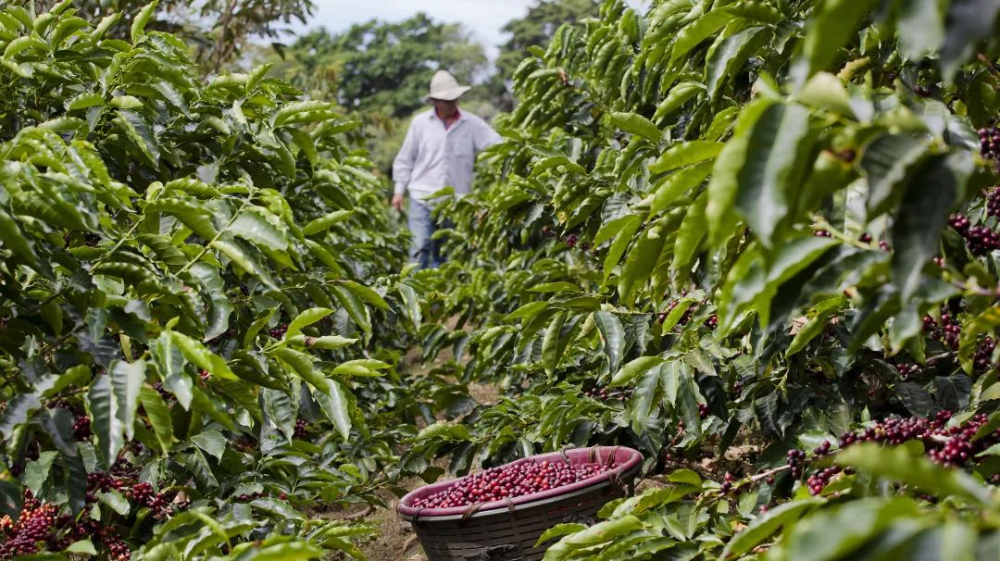
From a sensory perspective, yellow honey has the lowest sweetness but the best cleanliness, usually presenting fresh flavors such as citrus and cocoa; red honey stands out for sweetness and balance, often with rich fruit aromas such as pineapple and raisin; black honey is known for the highest sweetness and rich fermentation aroma, with darker fruit flavors such as plum and spice more pronounced. Differences in drying time and shading create the three styles' different tendencies, from bright to full-bodied.
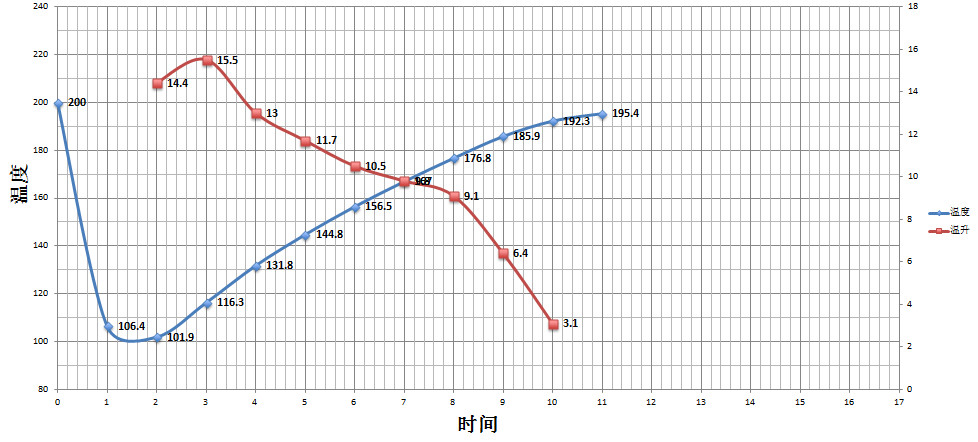
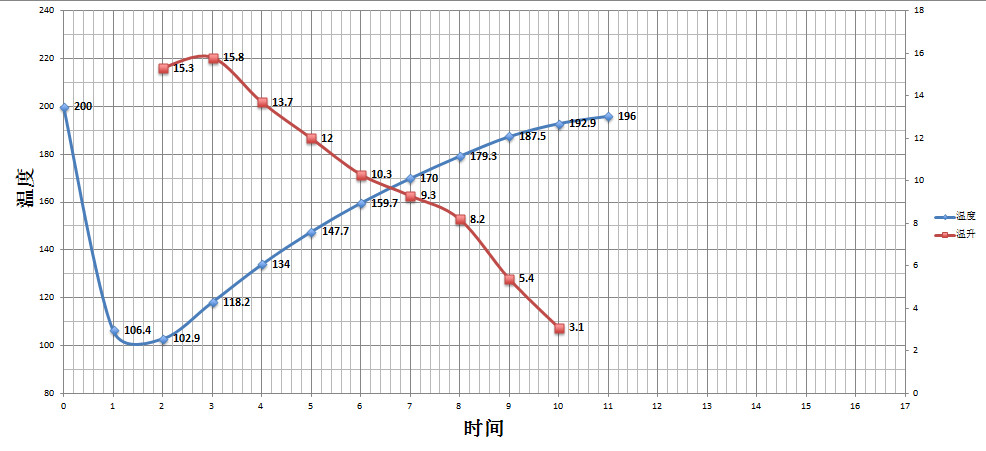
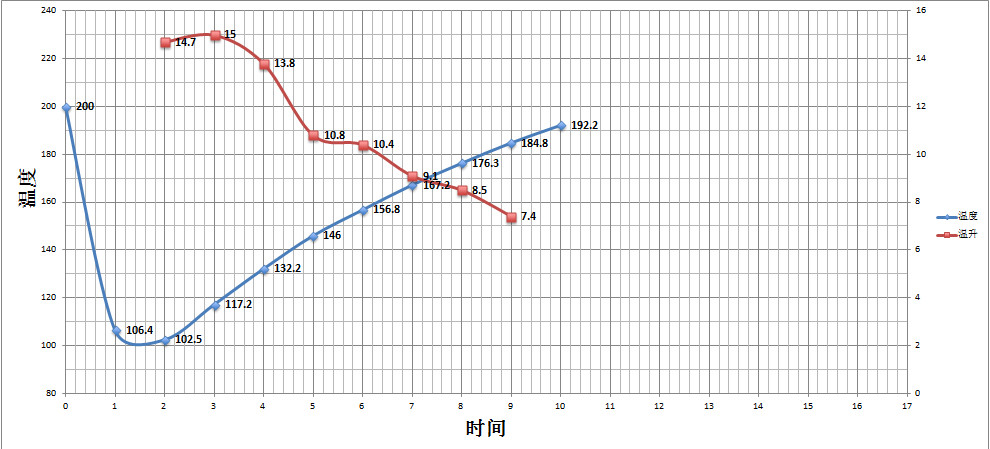
In actual roasting, different honey processed beans require adjusted parameters to highlight their characteristics. For example, yellow honey usually reaches ideal development after the yellowing point at 5 minutes 30 seconds, before the start of first crack; black honey, because of its higher moisture content, requires a gentler temperature rise curve to avoid excessive scorching. Professional roasters recommend adjusting development time according to the process: about 2 minutes 30 seconds for yellow honey, 2 minutes 35 seconds for red honey, and shortened to 2 minutes for black honey to retain more sweet compounds.
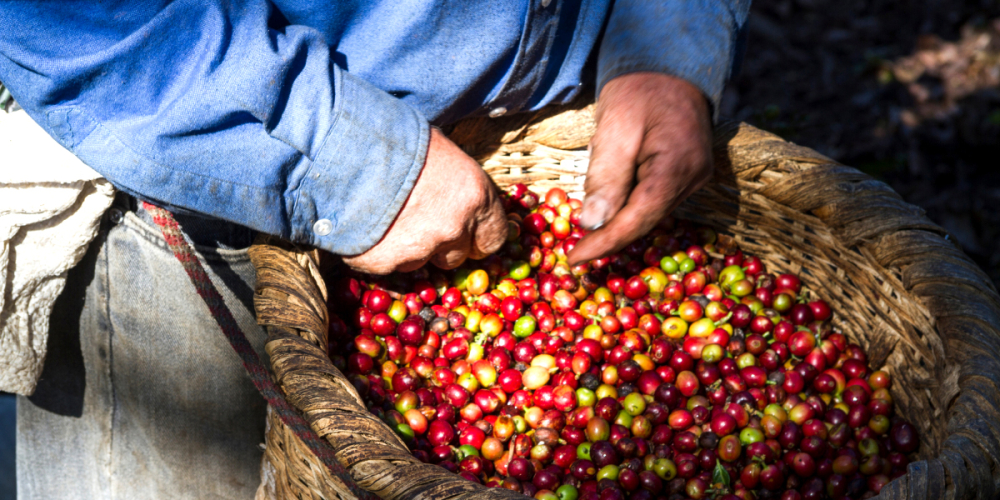
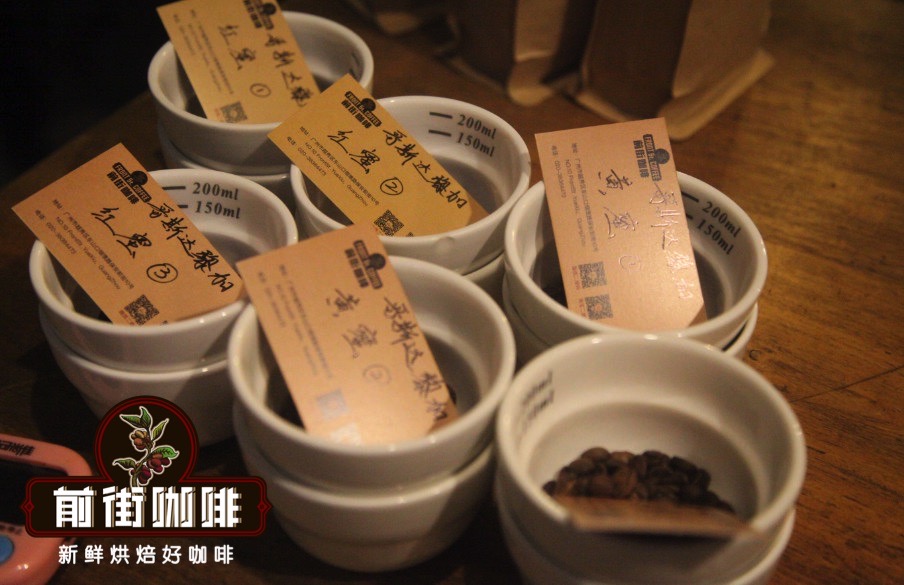
Cupping data shows: yellow honey's flavor is mainly citrus and honey, with an overall fresh performance; red honey shows more complex fruit layers, such as a mixed aroma of nectarine and maple sugar; black honey has the most pronounced fermentation characteristics, with rich aromas of tropical fruits such as jackfruit. In terms of acidity, red honey is the most balanced, while black honey presents a rounder mouthfeel due to full sugar conversion. These differences provide consumers with a diverse range of flavor choices.
For coffee lovers, understanding the differences among these processing methods helps in choosing according to personal taste preferences. Those who like bright acidity and a fresh mouthfeel can choose yellow honey; those seeking rich fruit aroma and balance are recommended red honey; and for drinkers who favor intense sweetness and fermentation complexity, black honey will be a more ideal choice. With appropriate adjustments to brewing parameters, the unique advantages of each processing method can be further highlighted.