Costa Rica SOE Coffee Review: Fire Phoenix Sapphire Light-Medium Roast Brewing and Flavor Guide
Introduction: This article focuses on the Fire Phoenix Estate Sapphire SOE coffee beans from Costa Rica's Central Valley production region, detailing their suitability as a single-origin espresso ingredient from cultivation altitude and natural processing method to the characteristics of the Caturra and Catuai varieties. It provides professional-grade 35-second long extraction parameters and a 1:4.6 milk coffee ratio plan, includes a flavor-wheel-style description, and offers practical advice on the resting period, degassing stage, and other aspects beginners often overlook.
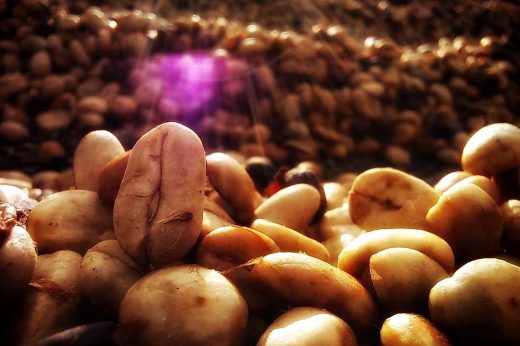
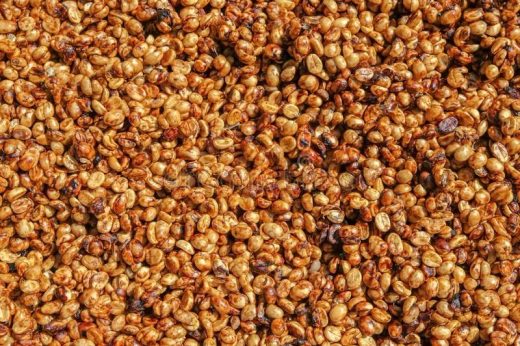
[Core Production Region and Processing File]This SOE coffee from Costa Rica's Central Valley comes from Fire Phoenix Estate at 1,600 meters above sea level. The plantation lies in a volcanic soil zone, with an average annual temperature stable at 18-22°C; the temperature difference between day and night promotes the accumulation of flavor compounds. It uses the natural processing method: ripe harvested coffee cherries are spread on African raised beds to dry for 21-28 days, turned 3-4 times daily to ensure even drying. This process gives the beans a distinct fermented wine-like aromatic base.
[Varieties and Roast Positioning]The blend of Caturra and Catuai varieties combines disease resistance with high-quality cupping performance. The roast level is set in the light-to-medium transition range (Agtron approximately #65 ground value/#58 bean value), preserving floral and fruity notes while developing sufficient body. Note that this batch is actually better suited to pour-over for displaying its layers; when switching to espresso, parameters need adjustment to cope.
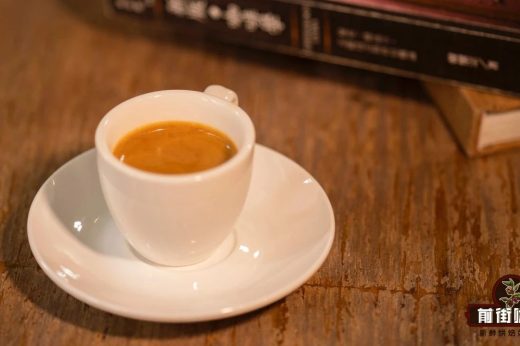
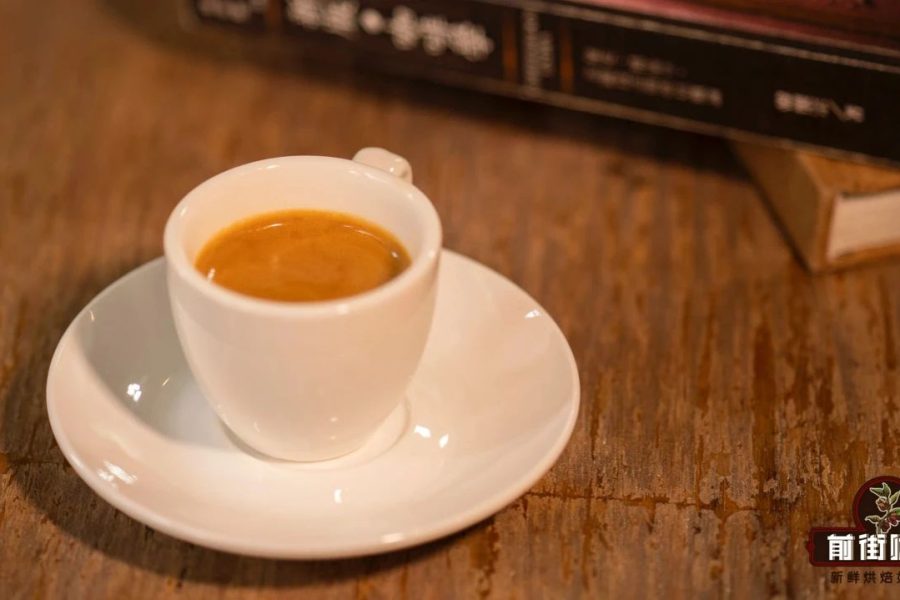
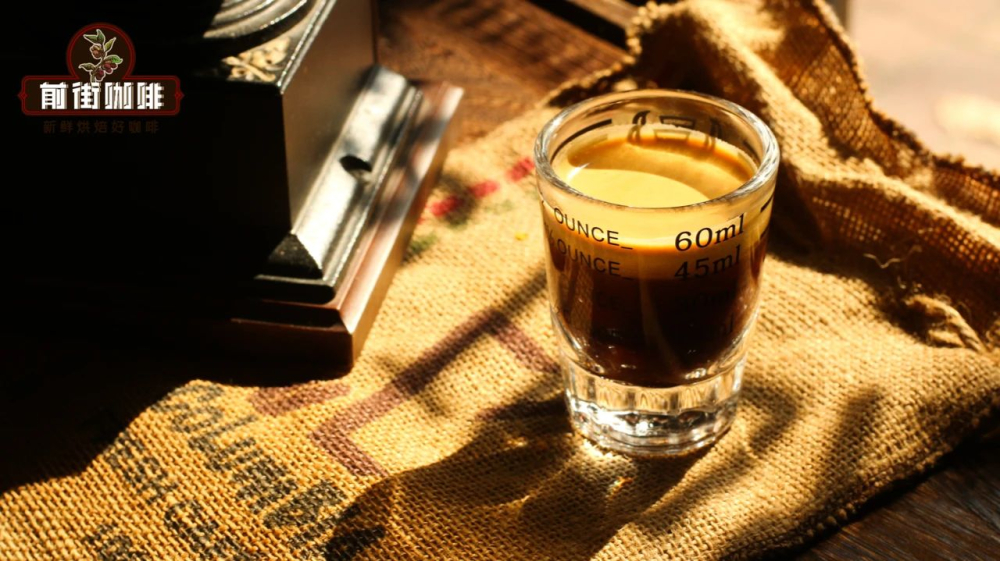
[Espresso Extraction Plan]Recommended parameters: 16 grams of grounds in a double filter basket, grind size controlled at 70-75% passing a No. 20 standard sieve (equivalent to the texture of Chinese standard 20-22 mesh fine granulated sugar). Use a total extraction time of 35 seconds to achieve 32 grams of liquid, with staged performance of about 12 grams in the first 15 seconds, gradually slowing in the middle and later stages to an even flow rate at the end. The key point is using 92-94°C water during pre-infusion to avoid high temperatures causing over-extraction of fruit acidity.
[Flavor Analysis and Tasting Advice]Blackberry and citrus fruit flavors dominate, accompanied by layers of honey-preserved plum sweetness. The obvious fermented wine character comes from the extended drying of natural processing, with a finish of black-tea-like mellow resonance. Under-extraction produces a sharp, thin acidity, while over-extraction makes the wine character too heavy and masks the sweetness. Using a pre-infusion function or resting freshly ground coffee for 5 minutes to release carbon dioxide is recommended.
[Milk Coffee Preparation Plan]Use 180 ml capacity cupware with a 32-gram espresso base, applying the 1:4.6 golden milk-to-coffee ratio (about 82 ml whole milk). Set the steam wand temperature at 60-63°C, steaming until the milk shows a velvety texture with a clear central vortex pattern. On entry, first capture the balance of jasmine floral and citrus notes; in the later stage the fermented wine character turns into soft caramel sweetness, overall resembling the smooth mouthfeel of Hong Kong-style silk-stocking milk tea.

[Notes and Optimization Directions]These beans need at least a 14-day resting period (21 days recommended for optimal condition); fresh batches that have not fully degassed will have water flow penetration inhibited by carbon dioxide. The light-medium roast character requires extending extraction time to 1.2 times that of conventional espresso (ordinary SOE usually completes within 30 seconds); balance concentration by coarsening the grind or lowering the water temperature by 0.5°C. Common mistakes include using the beans too early, causing sharp acidity; insufficient dose causing channeling; and milk steaming temperatures above 65°C destroying the sweetness.