Aceh Mandheling Rafi Bean Guide: Pour-Over and Espresso Extraction
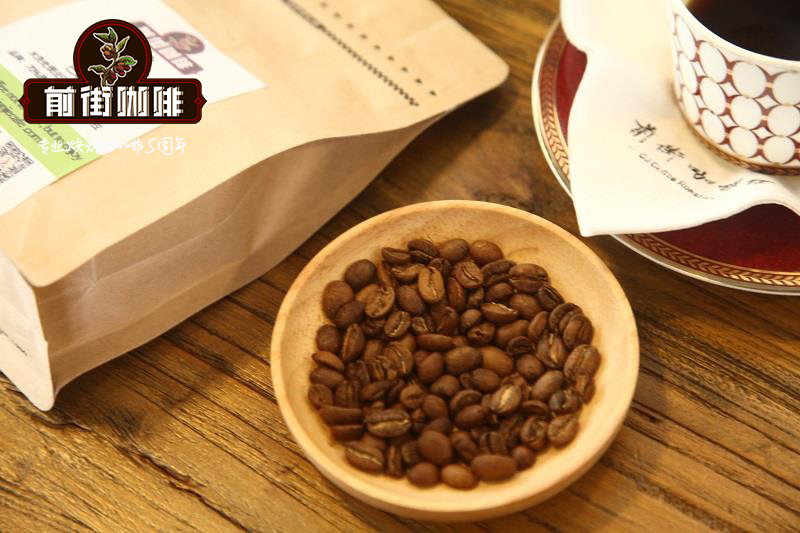
Introduction: This article focuses on Rafi Mandheling (Bliss of Gayo), a specialty Mandheling representative from the Gayo highlands of Aceh, Indonesia. It explains its unique wet-hulled processing method and the flavor characteristics cultivated at 1300-1400 meters above sea level, and provides practical parameter recommendations for pour-over and espresso extraction. From the ecology of the producing region to cupping performance, this helps you fully understand this classic coffee bean that combines sweet fruity notes with a full-bodied texture.
Indonesia is an important Arabica coffee-producing region globally. The Gayo Highland in northern Sumatra has a unique geographical environment that gives rise to Mandheling coffee with a distinctive style. Among them, Rafi Mandheling (trade name Bliss of Gayo), jointly produced by dozens of smallholder farmers, has become a focus of specialty coffee enthusiasts due to the special flavor layers brought by its semi-washed processing method.
The core production area of this bean is located in a volcanic zone at 1300-1400 meters above sea level, with soil consisting of deep black volcanic humus rich in organic matter. Notably, the Aceh region still retains traditional shade-grown cultivation, and most farms insist on not using chemical pesticides. Although this natural farming method reduces yield, it allows the coffee cherries to accumulate more complex flavor precursors.
In terms of processing, Rafi Mandheling uses Indonesia's unique Wet Hulled method. Unlike common washed or natural processes, this method first removes the mucilage from the coffee cherries, then performs initial drying to a moisture content of about 30%-40%, after which the parchment is removed for final drying. This special process creates a clean mouthfeel that distinguishes it from traditional Mandheling—at light-medium roasts, it presents a clear sweetness like Kyoho grape juice, with prominent body but without the herbal and earthy off-flavors common in traditional Mandheling.
Cupping data shows that at a medium roast level (Agtron approximately 55-60), this bean exhibits bright citrus notes, accompanied by brown sugar-like caramel sweetness and a lingering nutty finish. When the roast is deepened to a dark roast (Agtron below 40), dark chocolate and smoky aromas gradually dominate, but a high sweetness balance is still maintained.
For pour-over enthusiasts, it is recommended to use a V60 dripper with a medium-fine grind (70%-75% passing through a Chinese standard No. 20 sieve), with water temperature controlled at 90-92°C. A staged extraction scheme can be referenced: first pour 30 ml of water for a 30-second bloom, then pour in circles until 125 ml in stages, and in the final stage pour until a total water volume of 225 ml, with a total extraction time of about 2 minutes 10 seconds. These parameters can effectively highlight its grape-juice-like clear sweetness and black-tea-like smooth body.
As an espresso blend base, Rafi Mandheling's low astringency and high crema stability are outstanding. It is recommended to blend it with Brazilian natural beans at a 6:4 ratio, choosing a medium-dark roast (Agtron 35-40). This enhances overall sweetness and prolongs crema persistence. Note that due to the characteristics of the wet-hulled process, this bean should be stored in a dry environment (relative humidity ≤50%) to avoid moisture causing flavor dulling.
Coffee cultivation in the Aceh region has distinct regional characteristics: its location across the equator brings high temperatures and abundant rain throughout the year, and the microclimate around Lake Tawar provides a stable growing environment for coffee trees. About 60,000 smallholder farmers locally manage an average of 1-2 hectares of coffee gardens, traditionally selling through multiple layers of intermediaries, which makes screened smallholder cooperative lots like Rafi particularly precious. Its special trade circulation model also explains why such specialty beans often appear in limited quantities on the international market.


