Java Mandheling Region Guide: Coffee History and Flavor
Introduction: Indonesia is not only a major global coffee producer; its island of Java is also one of the coffee regions with the longest history. This article takes an in-depth look at the origins and development of coffee cultivation in Java, focuses on the growing characteristics and processing methods of the representative S795 variety in West Java, and explains its distinctive flavor profile, offering coffee lovers a comprehensive introductory guide to the region.
As an important coffee-producing country in Southeast Asia, Indonesia has long been known worldwide for Sumatra's Mandheling, but the Java region, which has an equally long history of cultivation, is less well understood. In fact, Java was not only one of the first areas where coffee cultivation was introduced during the Dutch colonial period; it still retains many representative coffee estates and processing methods today, with West Java standing out in particular.
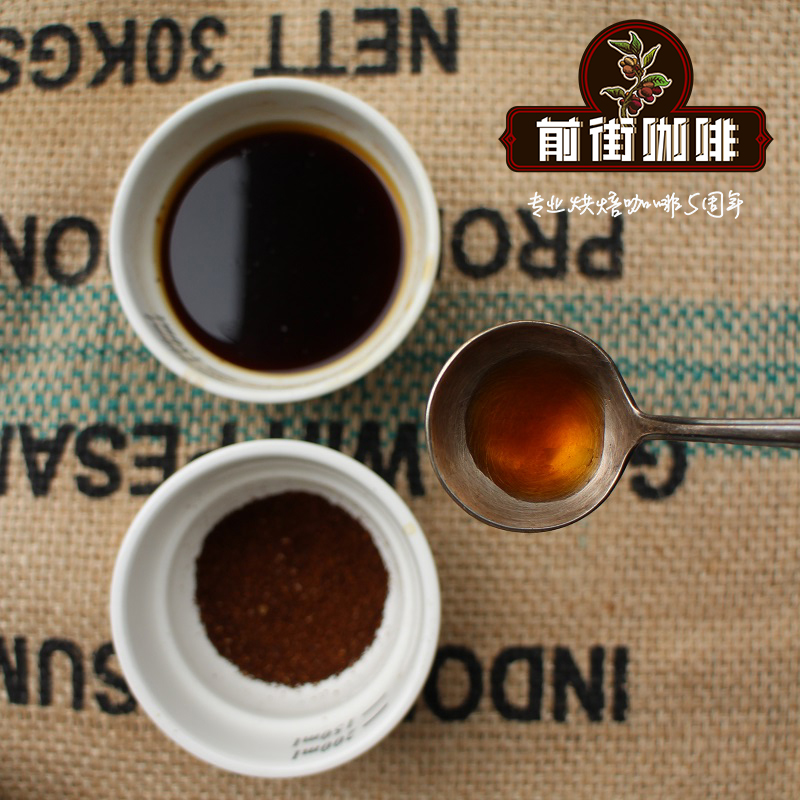
Among the many Javanese coffees, the honey-processed S795 variety from Mount Tilu in West Java has gradually attracted attention in recent years. This variety not only has a degree of resistance to common leaf rust, but also, under proper processing, displays maple-syrup-like sweetness and rich layers of fruitiness. This coffee, processed using the honey method, retains part of the mucilage during fermentation and drying, giving the final cup a bright plum-like acidity and a sweet, sticky jackfruit-like mouthfeel. The overall profile leans sweet, making it very suitable for drinkers who enjoy a balance of fruitiness and sweetness.
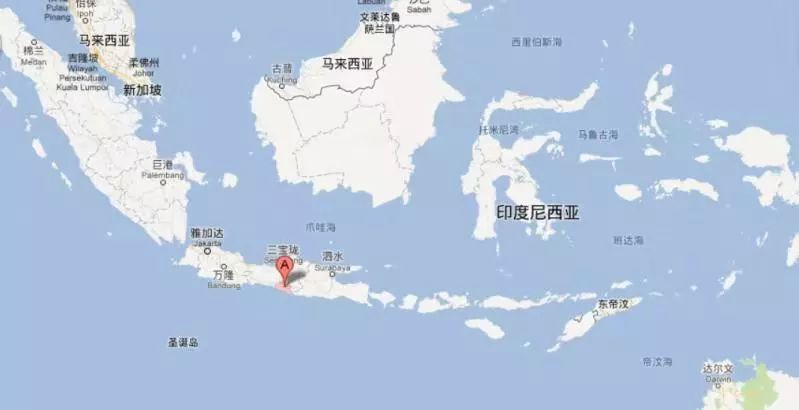
The history of coffee cultivation on Java can be traced back to the 17th century. At that time, after occupying Java, the Dutch colonists began promoting coffee cultivation in Batavia (present-day Jakarta) and its surrounding areas, such as Sukabumi, central East Java, West Java, and parts of Sumatra and Sulawesi, opening the door for Indonesian coffee to enter the international market. The initial variety planted was Arabica Typica introduced from Sri Lanka, and this coffee tree laid the foundation for Indonesia's coffee industry.
In 1711, coffee beans produced in Java were shipped to the Netherlands for the first time and successfully cultivated in a greenhouse in Amsterdam. They were then further introduced to the French court in 1715, becoming a highly sought-after beverage among European aristocracy. These coffee seeds and cultivation techniques exported from Java later spread to many regions in Asia and the Americas, becoming one of the sources of "New World coffee." To this day, the higher-quality coffee beans on Java mostly come from state-owned and private estates; among them, state-owned estates, having more government support, are relatively better known in the international market.
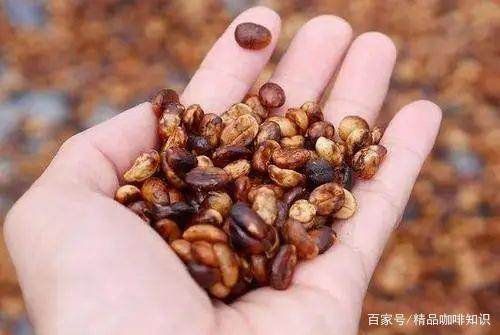
In West Java, there is a representative estate named after the local traditional sweet "Aromanis," which can be understood in Chinese as "Aimanni." This sweet is made mainly from flour and sugar and has a texture similar to marshmallow; the coffee beans named after it are also intended to convey its soft, sweet qualities like a dessert. The estate uses a sun-dried honey process, a technique between traditional natural and honey processing: ripe cherries are carefully hand-picked, the outer skin is removed but part of the pulp is retained for sun drying, a process lasting about a month, after which the beans are washed and rested so the flavors can fully develop, ultimately presenting more complex and fuller layers of taste.
The S795 variety used in this coffee was developed in India in the 1940s by crossing Kent (a Typica selection known for high yield and disease resistance) with Coffea Liberica, and in 1955 it was officially named "Rembeng" (S795) by the Indonesian Coffee and Cocoa Research Institute (ICCRI). This variety not only inherits the tall tree shape and high productivity of the Typica line, but also has a certain ability to resist leaf rust, although this resistance weakens over time. In flavor, S795 often has a maple-syrup- or brown-sugar-like sweetness, much loved by some coffee enthusiasts. The variety is currently widely planted in India, Indonesia, Yemen, and Ethiopia, among other places.

For S795 coffee beans from the West Java region, because the green beans are high in density, particular attention must be paid to heat control during roasting to avoid over-development that leads to an unbalanced flavor. To fully bring out its fruitiness and sweetness, a medium roast is recommended. This roast level preserves the beans' original distinctive flavors while highlighting their sweet and fruity characteristics. In practice, parameters need to be fine-tuned according to the specific equipment to achieve the best flavor presentation.

For brewing, to better express the coffee's fruitiness and sweetness layers, a V60 dripper is recommended, with a 1:15 coffee-to-water ratio and a water temperature of 89°C. The grind size can be set to BG#6S; this fineness helps fully extract flavor compounds during brewing. Specifically, a 30-second bloom with 30 grams of water can be used, followed by circular pouring to 125 grams; after the water level drops, continue pouring to 225 grams, with the entire brewing process controlled at about 2 minutes. Such parameter settings help balance acidity, sweetness, and body, bringing a smoother drinking experience.

In terms of overall flavor, this S795 coffee from West Java typically shows rich fruitiness, accompanied by the fresh acidity of plum and the sweet, sticky finish of jackfruit. The overall mouthfeel is round with a sweet aftertaste; it is a high-quality coffee bean that combines complexity and drinkability, suitable as an everyday drink or as an introductory choice for those wanting to explore the flavors of Indonesia's Java region in depth.