Costa Rica Tarrazu Coffee Bean Grading and Pour-Over Guide: Full Flavor Analysis
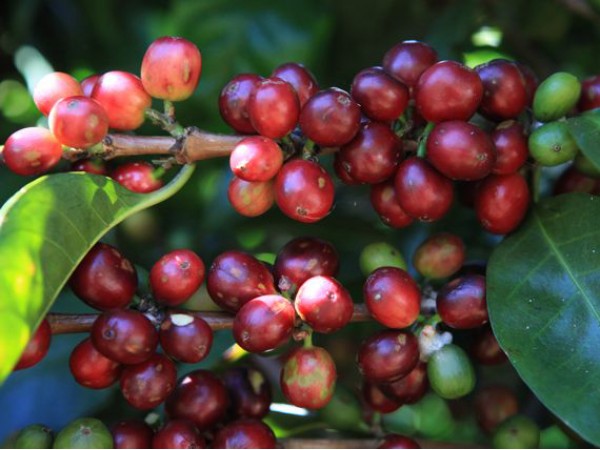
Introduction: Costa Rican coffee is known for its balanced, clean flavor, with the Tarrazu region as a classic example. This article explains the altitude differences of the country's seven major producing regions and coffee bean grading standards, reveals the quality distinctions from SHB (Strictly Hard Bean) to GW (Good Washed), and provides pour-over parameter suggestions and flavor characteristics for Tarrazu coffee beans, helping you precisely master the brewing techniques for this high-altitude specialty coffee.
Costa Rican coffee is renowned worldwide for its balanced, clean mouthfeel, with bright fruit acidity and clear body forming a unique signature. The country's highest-altitude Tarrazu region lies at a northern latitude and enjoys the dual advantages of volcanic soil and a cool high-altitude climate. The beans produced often have lively citrus acidity, berry-like flavors, and a distinct coffee floral note in the finish, making them a typical representative of Latin American coffee terroir.
The country spans the Central American isthmus and is regulated by Pacific and Atlantic currents. Its volcanic ranges above 2,000 meters provide an ideal environment for coffee cultivation. Coffee cultivation began on the slopes of the Poas and Barva volcanoes, now the Central Valley. After years of development, seven core producing regions have formed: Tarrazu at 1,300–2,000 meters, Tres Rios at 1,400–1,800 meters, West Valley at 1,200–1,650 meters, Central Valley at 1,200–1,600 meters, Orosi at 900–1,200 meters, Brunca at 800–1,200 meters, and Turrialba at 600–900 meters.
Costa Rica uses altitude as the core standard for coffee bean grading, dividing beans into seven grades: Strictly Hard Bean (SHB) above 4,500 feet (about 1,370 meters), Hard Bean (HB) at 4,000–4,500 feet, Semi-Hard Bean (SH) at 3,500–4,000 feet, Extra Prime Washed (EPW) at 3,000–3,500 feet, Prime Washed (PW) at 2,500–3,000 feet, Extra Good Washed (EGW) at 2,000–2,500 feet, and Good Washed (GW) below 2,000 feet. Among these, the Tarrazu region mostly falls under the SHB grade, with high bean density, resistance to high-temperature extraction, and rich flavor layers.
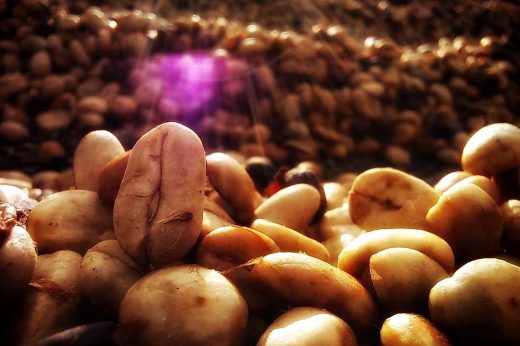
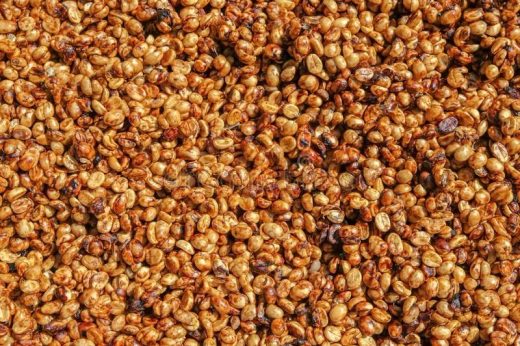
In recent years, the rise of micro-processing mills has promoted the popularity of honey processing. This technique, which uses only 5% of the water consumed by traditional washing, retains varying proportions of fruit pulp during fermentation, giving the coffee a richer sweet aroma and complexity. During processing, the setting of the pulp remover determines the final style—retaining more pulp enhances the honeyed feel, while microclimate (such as sunlight intensity, rainfall frequency, and air humidity) and the operator's experience also affect the finished characteristics. It is worth noting that even among coffees labeled "Honey Coffee," the actual flavor differences can be significant.
White honey processing is a low-fermentation technique that retains less pulp than yellow, red, or black honey and requires more frequent turning during drying. When the beans are spread on raised beds to dry, a small amount of parchment (inner husk) is mixed in to reduce stickiness, ensuring that the residual outer pulp can be completely removed during hulling. This processing method highlights clean, bright acidity while retaining moderate sweetness, making it suitable for drinkers who prefer a refreshing profile.
Pour-over recommendations for Tarrazu SHB-grade coffee beans: use a medium-fine grind (70%–75% passing a Chinese standard No. 20 sieve), a coffee-to-water ratio of 1:15 to 1:16, and a water temperature of 90–92°C. Use a three-stage pouring method—first pour 30% of the total water for a 30-second bloom, then pour in circles until 125% of the water volume is reached and pause, and when the water level drops to two-thirds of the coffee bed, continue filling with the remaining water. Keep the pouring speed uniform throughout, with a total extraction time of 2 minutes 10 seconds to 2 minutes 30 seconds, which can highlight its signature citrus acidity and black tea finish.