Colombia Rose Valley and Hualou Yexiang Coffee Bean Flavor Analysis and Pour-Over Guide
Introduction: A deep comparison of two Colombian coffees with distinctive processing methods—Rose Valley and Hualou Yexiang—breaking down their flavor differences from growing region and variety characteristics to the details of anaerobic fermentation. Includes a professional pour-over plan and brewing curve to help you precisely present bright layers of fruit acidity and a rich finish, unlocking the unique flavor potential of high-altitude Caturra beans.
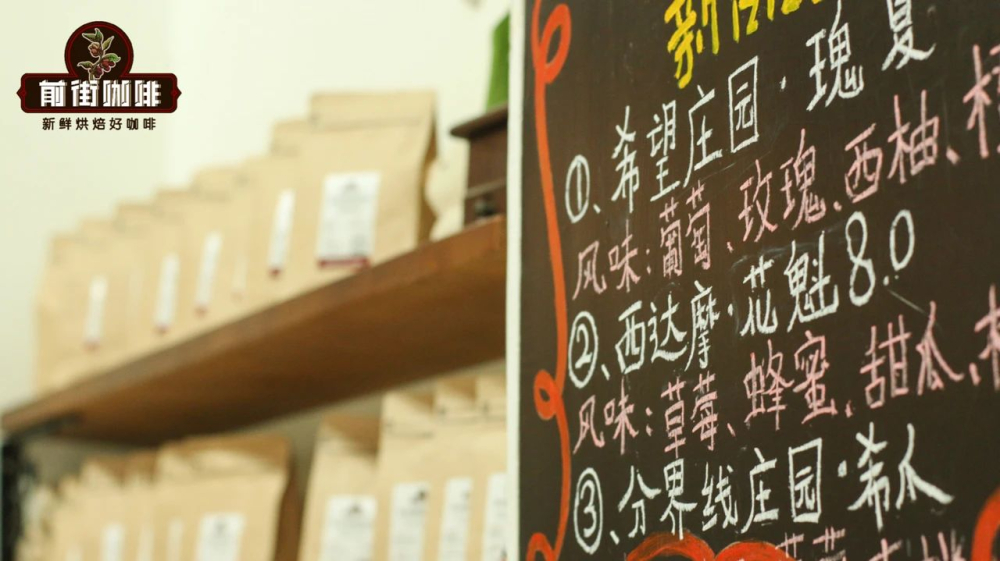
Colombian coffee beans grown at high altitudes in the Andes, thanks to large day-night temperature swings and volcanic soil rich in minerals, develop into high-quality Arabica beans with a hard texture and clear flavors. Among them, Rose Valley from the Santander region and Hualou Yexiang from the Huila region, although both of the Caturra variety, form distinct flavor profiles through differentiated processing: the former is known for intense floral aromatics, while the latter highlights strawberry-jam sweetness, making them ideal choices for pour-over enthusiasts exploring flavor layers.
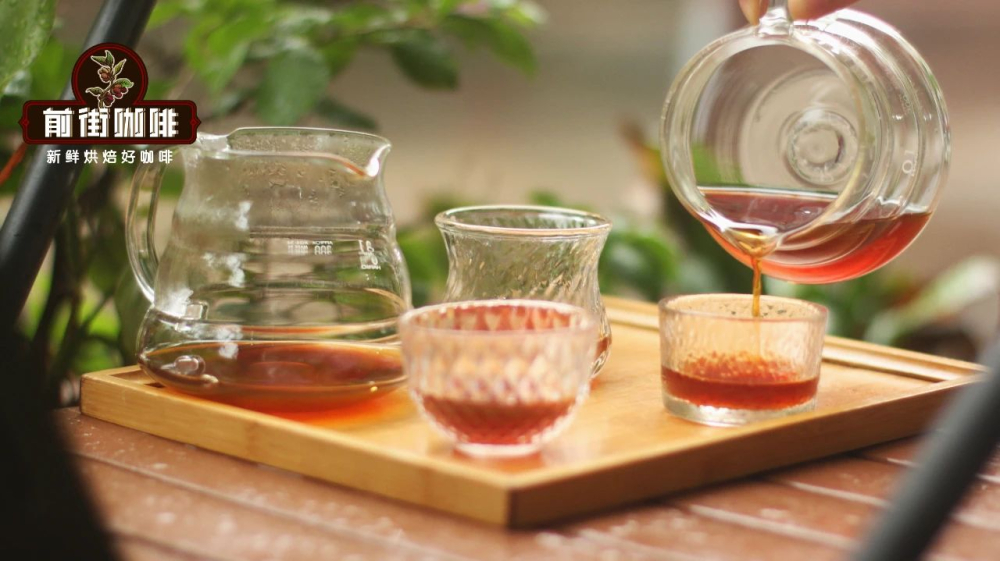
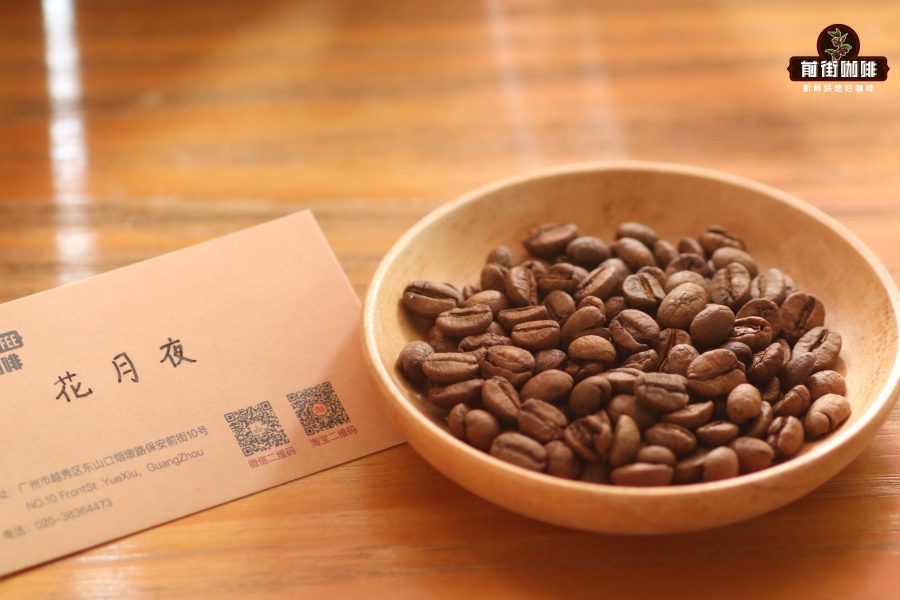
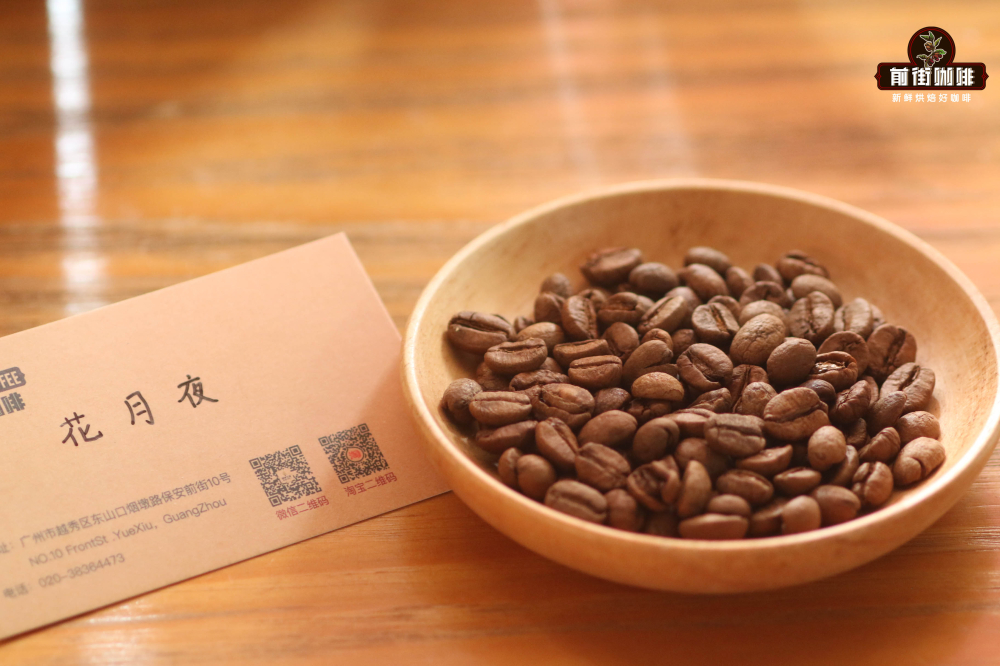
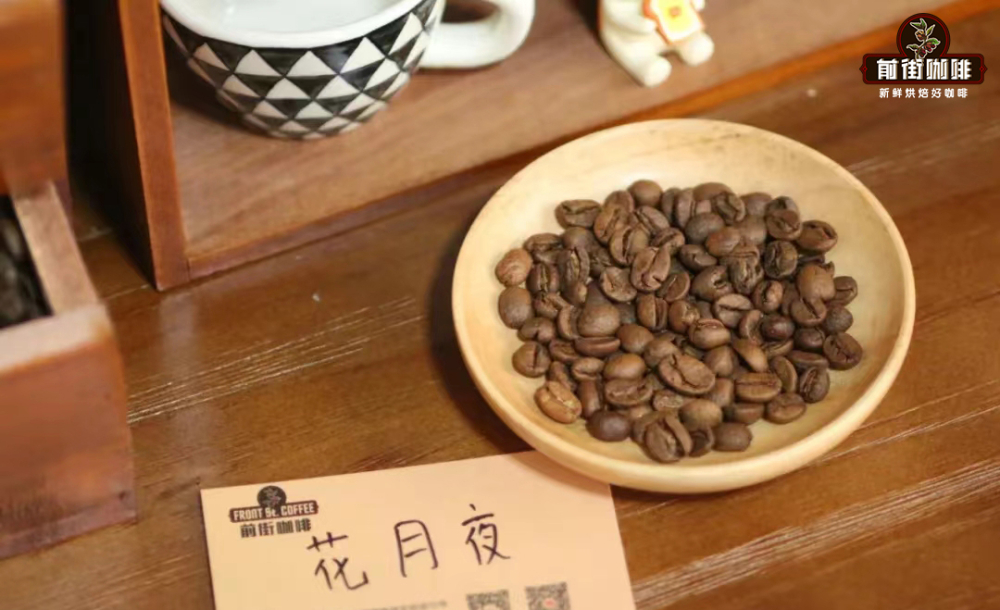
In terms of flavor, Rose Valley shows highly penetrating complex florals (reminiscent of white tea and white flowers), accompanied by fresh berry notes; Hualou Yexiang centers on concentrated strawberry jam aroma, paired with a soft fermented wine-like note. On closer tasting, the difference in acidity becomes apparent—Rose Valley presents bright citrus-like acidity, with a green plum-like astringency emerging as it cools; Hualou Yexiang's acidity is rounder, balanced by a dark cocoa finish.
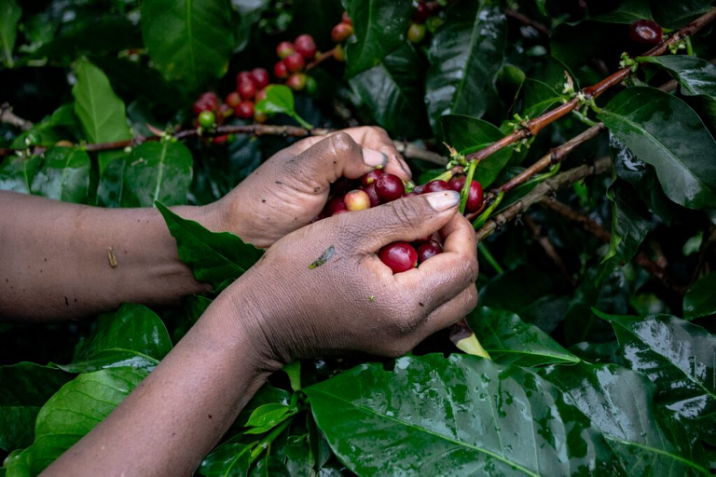
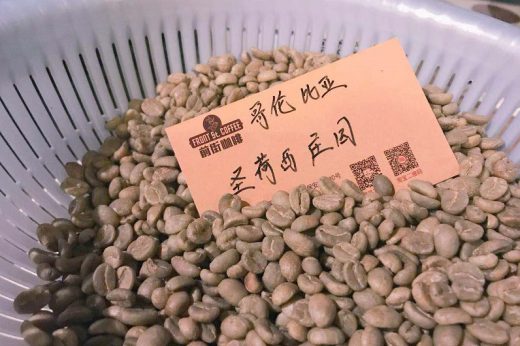
The growing environment profoundly shapes the flavor base: Rose Valley's raw beans come from the Dashu Estate in Santander, where the steep terrain at 1,600–1,800 meters creates a strong fresh herbal character; Hualou Yexiang comes from the Esvedo Catín farm in Huila Province, where the microclimate at around 1,750 meters gives it a nutty chocolate base. Both use the disease-resistant, high-yielding Caturra variant, whose compact tree shape facilitates fine management and ensures uniform fruit ripeness.
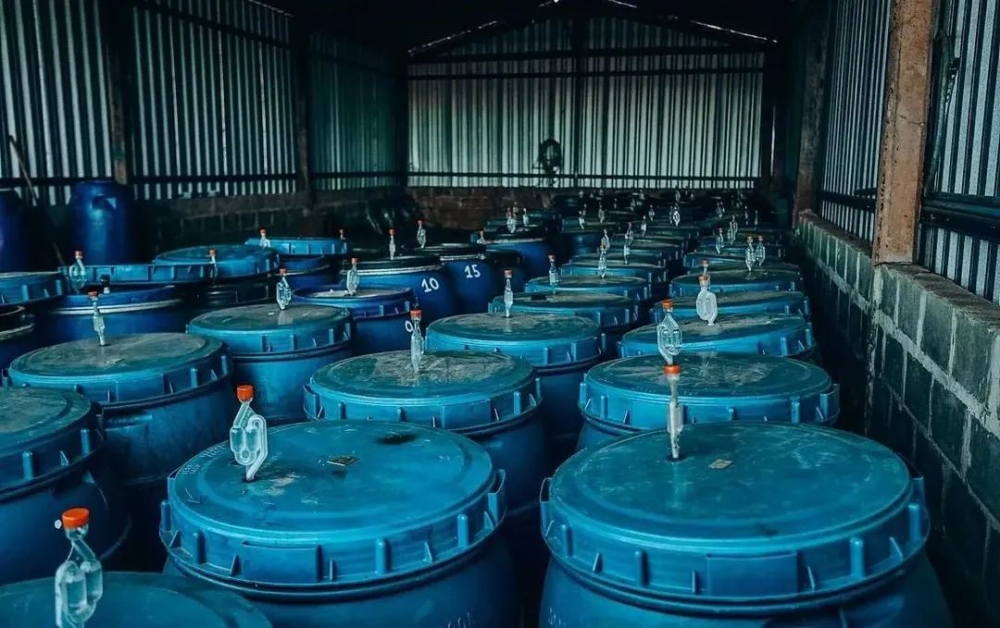
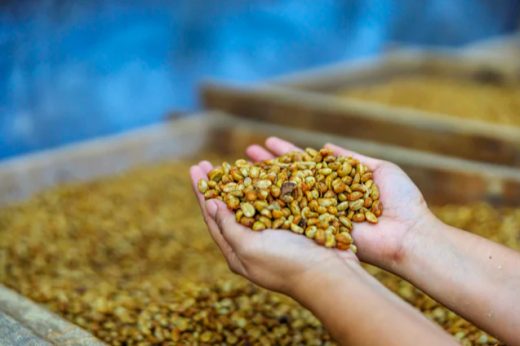
Processing innovation is the key to the flavor differences: Rose Valley uses double anaerobic enzyme washed processing, fermenting in sealed containers for 24–36 hours with controlled oxygen permeation, aided by specific yeast strains to accelerate sugar conversion, then traditionally washed to remove pectin, ultimately forming a bright acidity structure with a pH of 5.2–5.4. Hualou Yexiang uses whole-fruit anaerobic natural processing, placing red cherries in temperature-controlled stainless steel tanks for 48–72 hours of oxygen-free fermentation, with part of the pulp retained during subsequent drying, promoting the integration of strawberry aldehydes with cocoa butter aromatics.
It is worth noting that although both belong to the anaerobic processing system, Hualou Yexiang differs significantly from the Costa Rican Monster Estate version—the latter, using the Geisha variety and a honey-process first stage, develops more prominent dried mango and caramel notes. Colombia's high-altitude environment gives Hualou Yexiang longer-lasting aroma retention, and drinking it chilled enhances the creamy texture and the slight bitterness balance of dark chocolate.
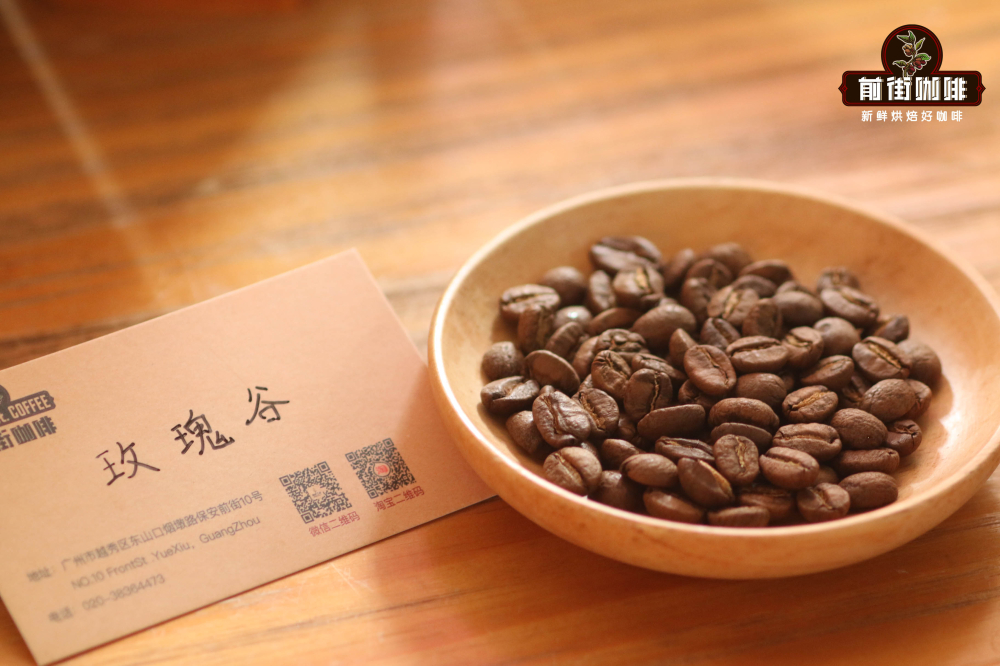
Flavor preference recommendations: those who prefer a fresh fruity experience can choose Rose Valley, whose three-tier sweet-and-sour structure of grape and green plum resembles a tropical fruit platter; users seeking an intense sweet experience are better suited to Hualou Yexiang, whose full strawberry ice cream flavor releases fermented aromatics throughout. Both should avoid over-extraction to prevent tannic astringency; adjust the grind to control the speed of water flow through the bed.
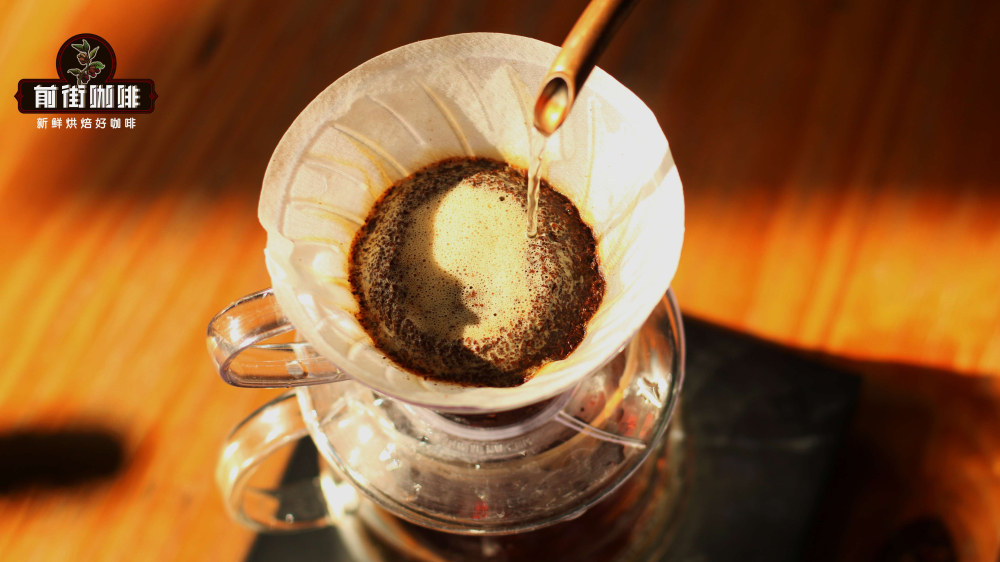
Professional pour-over plan (for 15 g of grounds):
• Water temperature: 91±1°C (adjust slightly by altitude; at high altitudes it can be raised to 92°C)
• Grind: medium-coarse (80% passing a No. 20 sieve, close to the texture of granulated sugar)
• Dripper: V60 #1 single-hole dripper (promotes even drainage)
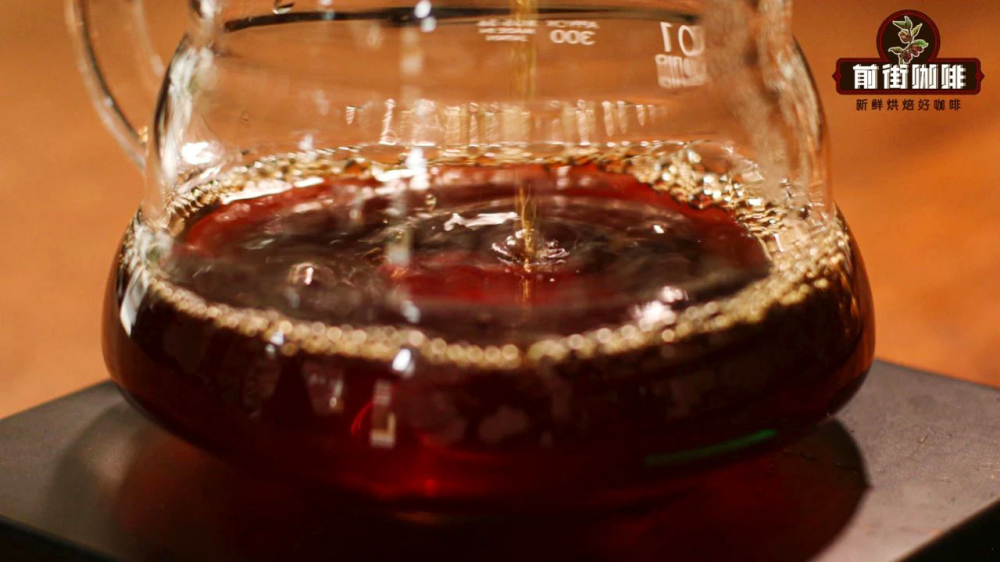
• Staged pouring: first stage 30 g bloom for 30 seconds → second stage 95 g (completed at 1:30, total water 125 g) → third stage 100 g (poured at 1:40, total 225 g), with total extraction time controlled at 2:00–2:15. Keep a central columnar stream to avoid washing the filter paper edges.
Quality management points: coffee beans are at their flavor peak 5–12 days after roasting; after opening, store in an airtight canister with a one-way exhaust valve, away from light, at 18–22°C. Before grinding, bring the bean hopper back to room temperature to prevent condensation from affecting extraction uniformity. Common pitfalls to avoid: do not brew directly with boiling water (it easily causes over-extraction), and do not over-grind (more fines will cause channeling).