Colombian Pour-Over Beans Explained: Flavor, Processing, and Regional Parameters

Introduction: From aroma layers to sweet-acid balance, Colombian pour-over coffee has become a global favorite for its stable quality. This article takes a deep look at its main flavor characteristics, explains the core differences between washed and honey processing, and provides practical parameters such as regional altitude and roasting suggestions to help you precisely match your personal taste preferences and avoid the bean-selection and brewing pitfalls beginners often encounter.
In the specialty coffee world, Colombia is always a classic region that pour-over enthusiasts cannot avoid. Its diverse altitude gradients and rigorous cultivation system create a unique flavor map that combines body with bright fruit acidity—there are fresh citrus and berry acidity, as well as caramel and chocolate finish with a sweet aftertaste, and different processing methods give rise to rich layered variations.
The flavor profile varies by region and process: high-altitude beans from Antioquia often show a combined aroma of blueberry and black tea with a soft nutty base; natural-process lots from Huila highlight winey and tropical fruit notes, with livelier, jumpier acidity. Classic washed lots are generally outstanding in cleanliness, with sweet-acid balance like fresh lemon juice mixed into caramel pudding, while honey-process versions, because more pectin fermentation is retained, have a richer, longer-lasting sweetness.
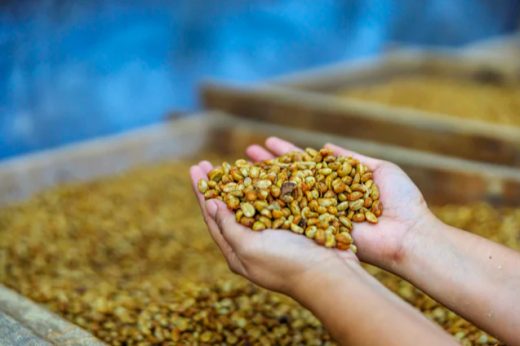
Processing method directly affects flavor direction: washed processing removes the pulp and ferments, emphasizing clean, clear acidity and bright citrus character, suitable for those who prefer a refreshing taste; honey processing retains part of the pectin layer for slow drying, giving a honey-like sweetness and higher body, and placing higher demands on the roaster's temperature control skills; traditional natural processing lets coffee cherries dry whole, developing complex fermented aromas and dark berry flavors, suitable for experienced drinkers seeking an intense experience.
Regional altitude is a hidden key parameter. Mid-to-high altitude areas of 1,500-1,800 meters produce dense beans with thicker cell walls, which can effectively slow growth and accumulate more flavor compounds, usually expressed as vivid acidity and lively aroma; while extremely high growing areas above 2,000 meters, although flavor complexity is further enhanced, have scarce yields and are extremely sensitive to transport and storage conditions. When buying, it is advisable to refer to the specific estate information marked on the packaging rather than a general regional name.
For pour-over beginners, medium-dark roast (Agtron value about 45-55) is often a safer choice—moderate roasting retains the signature nutty and dark chocolate base of Colombian beans while avoiding the sharp acidity and green, raw notes that light roasting may bring.If you prefer a bright fruity acidity style, you can try specifying "City Roast" (medium-dark) to the roaster, but you need to pair it with a higher water temperature (92-94°C) and a slightly coarser grind (70%-75% passing through a Chinese standard No. 20 sieve) to highlight the fresh characteristics.
Common misconception reminder: excessive pursuit of light roast may lead to under-extraction and produce miscellaneous flavors resembling straw; while dark roast can mask defects, it sacrifices the delicate sweet-acid balance that Colombian beans are proud of. It is recommended that when trying for the first time, choose an "entry-level blend" provided by a reputable roaster; such products are usually optimized through blending and are more stable, and after becoming familiar with the basic flavors, you can then explore single-origin specialty lots.