Colombian Coffee Explained: Regions, Processing and Pour-Over Flavor Guide
Introduction: Explore the unique appeal of Colombian coffee, from the terroir differences of four iconic producing regions to the special processing techniques behind star beans such as Huayueye and Rose Valley. We explain in detail how washed processing, anaerobic fermentation, barrel aging and other methods shape ever-changing layers of flavor. Includes beginner-friendly brewing parameter suggestions and a variety characteristics comparison table to help you precisely match your personal taste preferences.
As one of the core producing regions of high-quality Arabica coffee in the world, Colombia occupies an important position in the specialty coffee field thanks to its exceptional geographical conditions and century-old cultivation tradition. The country receives an average annual rainfall of 2000-3000 mm, and the diverse microclimates formed by the Andes running north to south, together with mineral-rich volcanic soil, make it one of the few major coffee countries capable of year-round harvesting.
[[Image placeholder  ]]
### Colombia's Coffee Culture DNA
Since the first coffee seedling arrived from the French Antilles via Venezuela in 1808, coffee has become deeply embedded in national life. Three coffee times a day are not only a daily ritual; freshly ground and brewed coffee shops on street corners form a unique part of the scenery. The most recognizable cultural symbol is the "Juan Valdez" logo—behind the image of the straw-hatted grower, the triangular mountain shape represents the main producing region of the Andes, while the mule carrying coffee recreates the traditional transport method still used on rugged mountain roads today.
[[Image placeholder  ]] [[Image placeholder
 ]]
### Core Producing Region Terroir Files
The southern high-altitude area (generally above 1500 m) contains three benchmark producing regions:
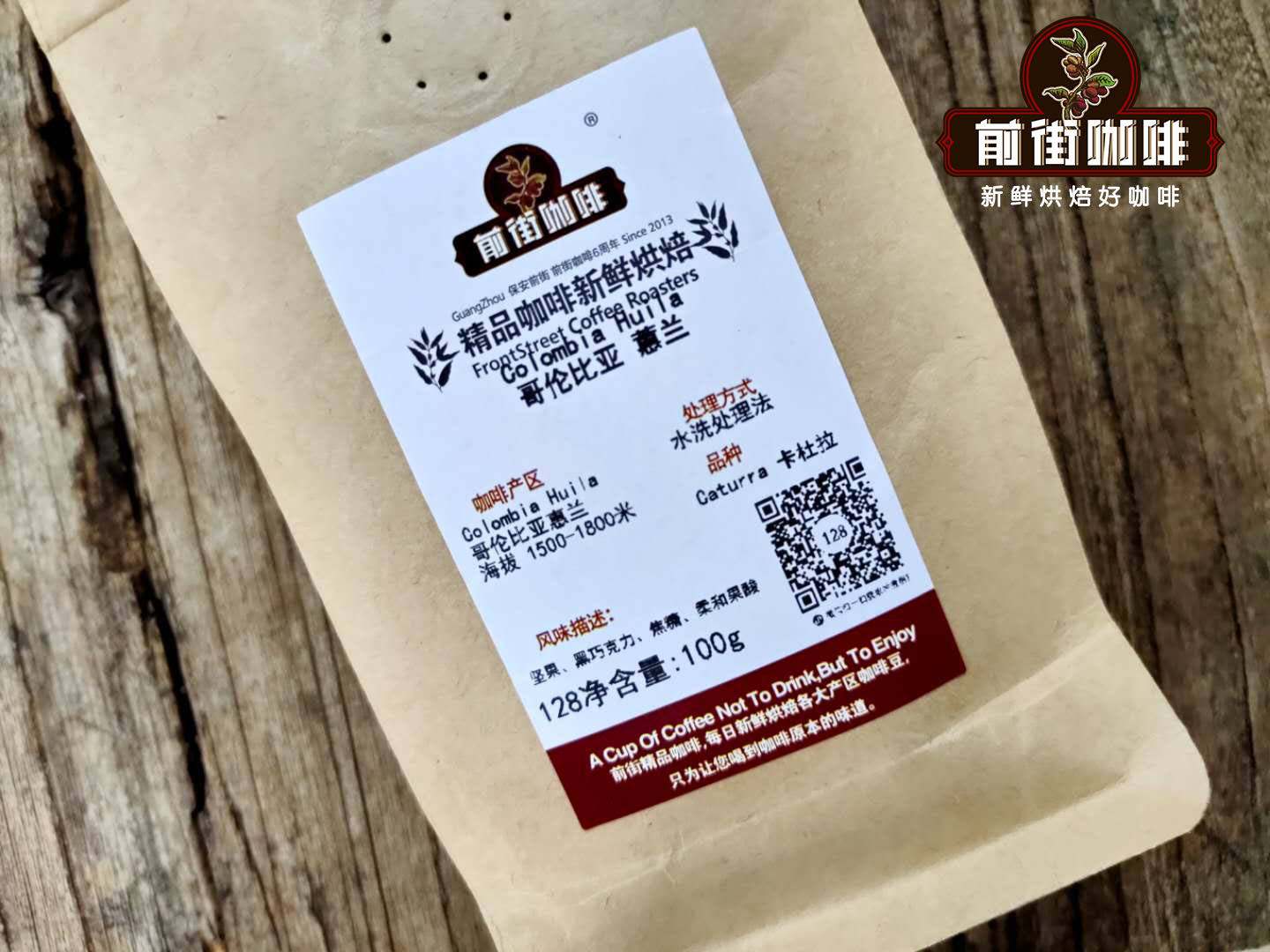
• **Huila Department**: the southern slopes of the Central Cordillera surrounded by mountains, where converging rivers bring abundant moisture; micro-lots often show distinctive berry notes (altitude 1500+ m)
• **Cauca Department**: extreme altitudes of 2100 m and day-night temperature differences of 11-18°C create bright acidity and heavy sweetness (volcanic soil coverage area)
• **Nariño Department**: the Pacific coastal cloud belt (1600-2300 m), a specialty-grade producing region where rare varieties account for less than 4%
The central Tolima Department relies on the Magdalena River irrigation network; its production model, in which large cooperatives and family farms coexist, provides a diverse foundation for flavor innovation.
[[Image placeholder 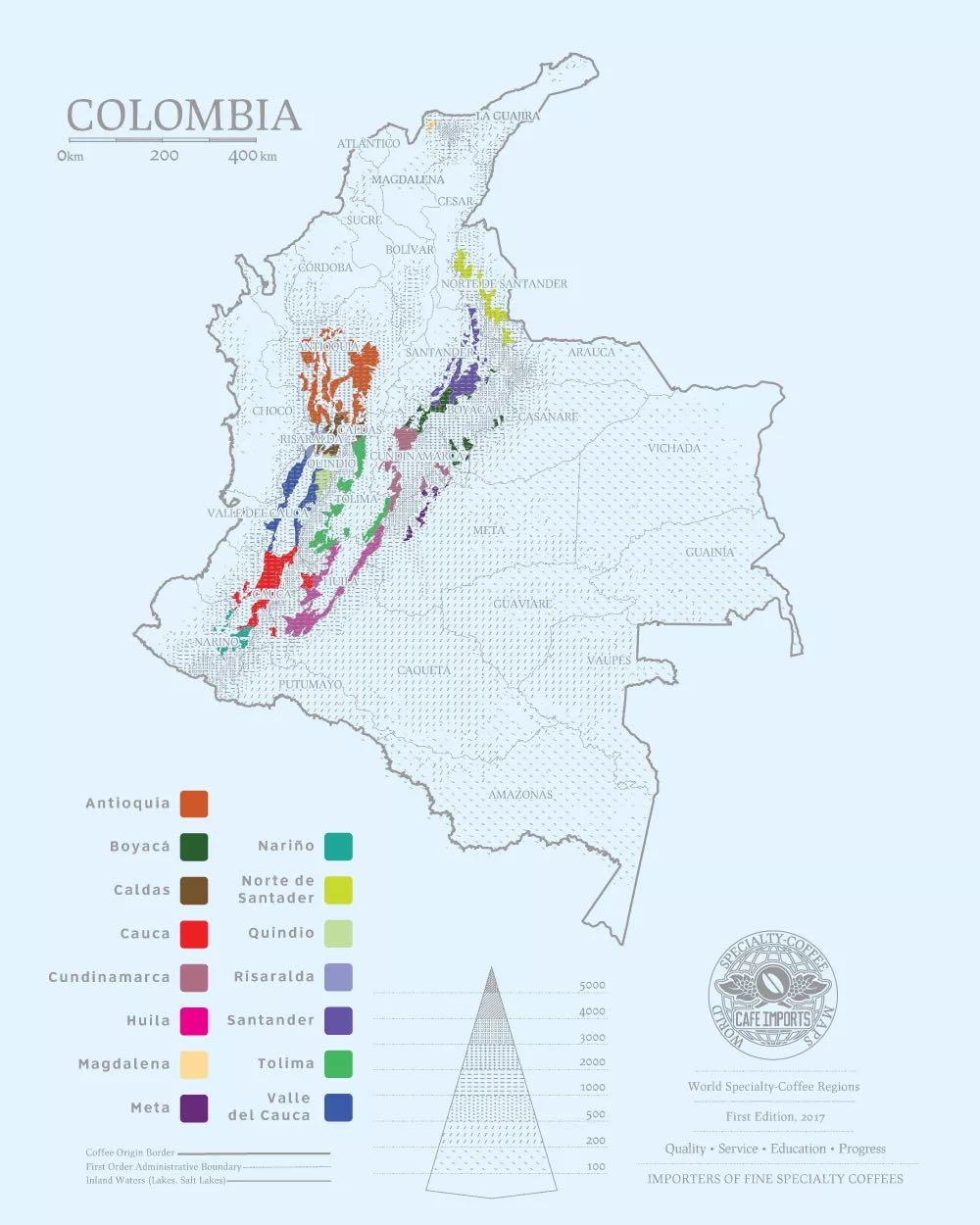 ]] [[Image placeholder
 ]] [[Image placeholder
 ]] [[Image placeholder
 ]]
### Cutting-Edge Processing Methods
Modern coffee processing techniques burst forth with astonishing creativity here:
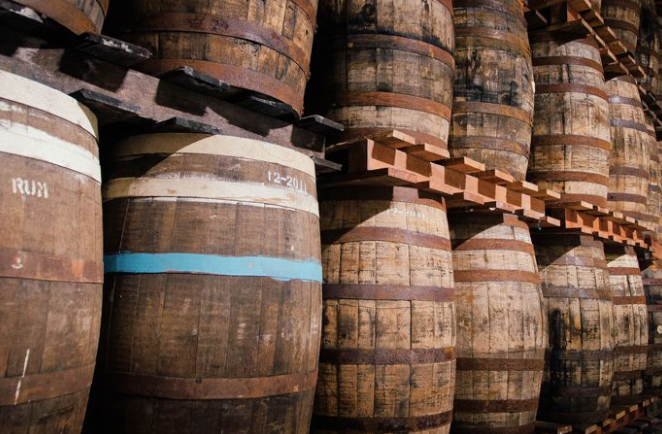
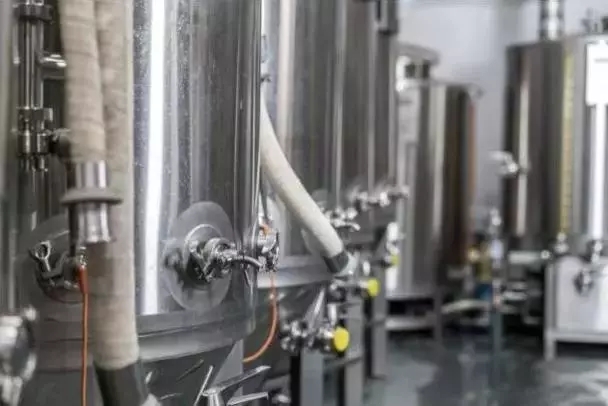
• **Barrel fermentation series**: low-temperature slow fermentation in rum barrels (15-20 days) gives caramel sweetness and a liqueur chocolate finish
• **Double anaerobic process**: sealed containers injected with CO₂ inhibit spoilage microorganisms, while special enzyme groups intensify an explosive tropical fruit character
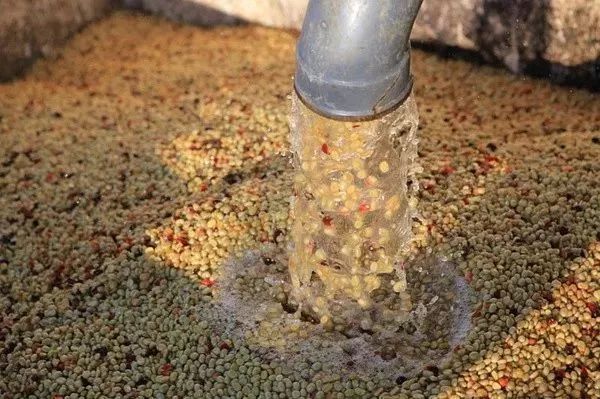
• **Semi-washed innovation**: skips the traditional fermentation tank step, retaining more floral and fruity acidity and a clean mouthfeel
• **Swiss Water Process**: activated carbon filtration decaffeination technology achieves caffeine content <0.3% while retaining the elegant character of the Typica variety
[[Image placeholder  ]] [[Image placeholder
 ]] [[Image placeholder
 ]] [[Image placeholder
 ]] [[Image placeholder
 ]] [[Image placeholder
 ]] [[Image placeholder
 ]] [[Image placeholder
 ]] [[Image placeholder
 ]] [[Image placeholder
 ]]
### Selected Pour-Over Recipe References
Adjust parameters for different processing methods:
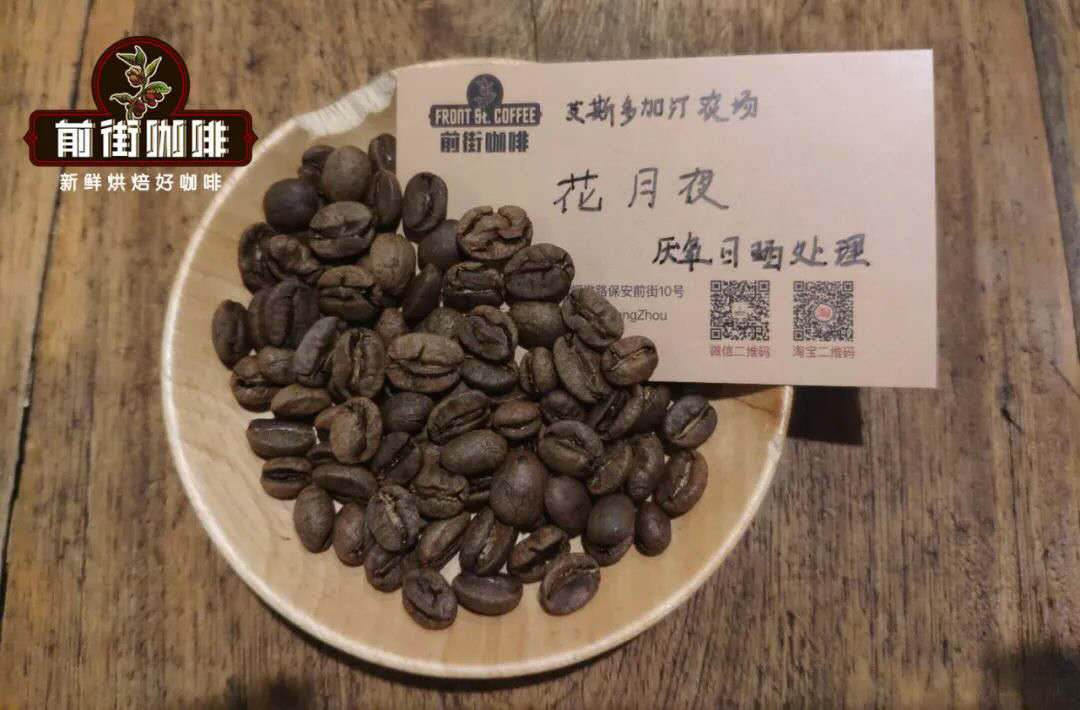
• Anaerobic fermented beans (such as Huayueye): 92°C water temperature, V60 dripper at a 1:15 coffee-to-water ratio, staged pouring to enhance layering
• Barrel-aged beans: reduce grind size to medium-fine (Chinese standard 80-100 μm), extend the bloom time to 45 seconds
• Traditional washed beans: 90-91°C, medium-coarse grind; a cake cup is recommended to highlight clean acidity
Beginners should note: high-altitude region beans are denser, so a pre-infusion before the bloom is recommended to activate them.