Colombian Coffee Explained: From Altitude to Brewing and Flavor
Introduction: Want to understand why Colombian coffee is so highly regarded? This article takes you deep into its exceptional growing environment, classic coffee varieties, strict green bean grading system, and how precise grinding and brewing parameters can fully release its rich and balanced flavor. Whether you are a coffee beginner or an enthusiast hoping to improve your brewing skills, you will find practical guidance here.
Among the many coffee-producing regions, Colombia stands out as one of the world's important origins of high-quality Arabica coffee, thanks to its unique high-altitude geography and climate advantages. Unlike Brazil's large flat plantations, coffee trees here grow mainly on the slopes of the Andes, typically at altitudes between 800 and 2,300 meters, providing ideal conditions for the coffee fruit to mature slowly.

High altitude brings relatively lower average temperatures and a larger diurnal temperature range, which extends the coffee bean's growth cycle and helps flavor compounds accumulate fully. Beans grown in this environment are not only denser and firmer in texture but also have more distinct layers of acidity and sweetness and a fuller mouthfeel. Especially under the combined effect of the cloud cover and fertile volcanic soil of the Andes, the coffee fruit can ripen slowly and evenly, giving the coffee a unique and complex flavor foundation.
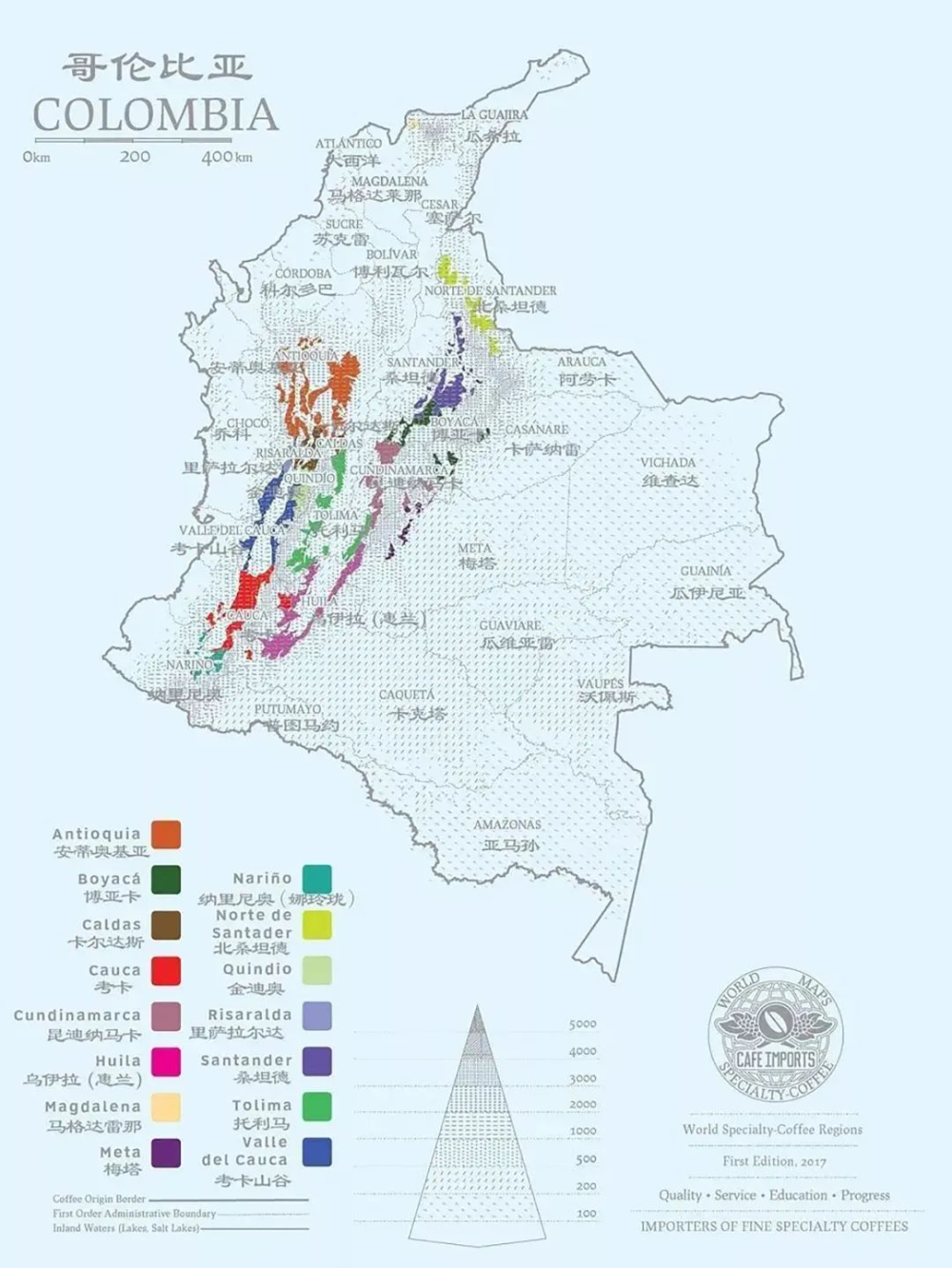
The country's coffee-growing areas are mainly concentrated in the three branches of the Andes that run across the west, each mountain covered with mineral-rich organic soil suitable for coffee trees to take root. Local growers commonly use trees or banana plants to shade the coffee plants, thereby regulating the microclimate and reducing extreme temperature fluctuations. Especially during the seedling stage, building shade structures is also a common practice, helping to keep the environment cool and humid and promoting healthy root development. This meticulous management, combined with natural environmental advantages, allows aromatic compounds and caffeine in the beans to accumulate in harmony, achieving its consistently high-quality performance.

The development of Colombia's coffee industry is inseparable from the efforts of Federación Nacional de Colombia (FNC, the Colombian Coffee Growers Federation). As the country's only official coffee organization, FNC represents more than 560,000 coffee-growing families and is one of the largest agricultural non-governmental organizations in the world. It not only works to build a unified, high-quality image of "Colombian coffee" in the international market but also enforces strict quality supervision on every batch of exported coffee. In addition, FNC provides domestic farmers with comprehensive support in growing techniques, management strategies, and sustainable operations, ensuring that every step from cultivation to export meets high-quality standards.
Because smallholders make up the vast majority in Colombia, with individual plots typically only about 2 to 3 mu, many coffee cherries are first gathered at community processing stations for initial processing, commonly washed processing, while some farmers set up processing facilities at home. After sorting and preliminary grading, the green beans are eventually sent to professional institutions for further rating and testing.
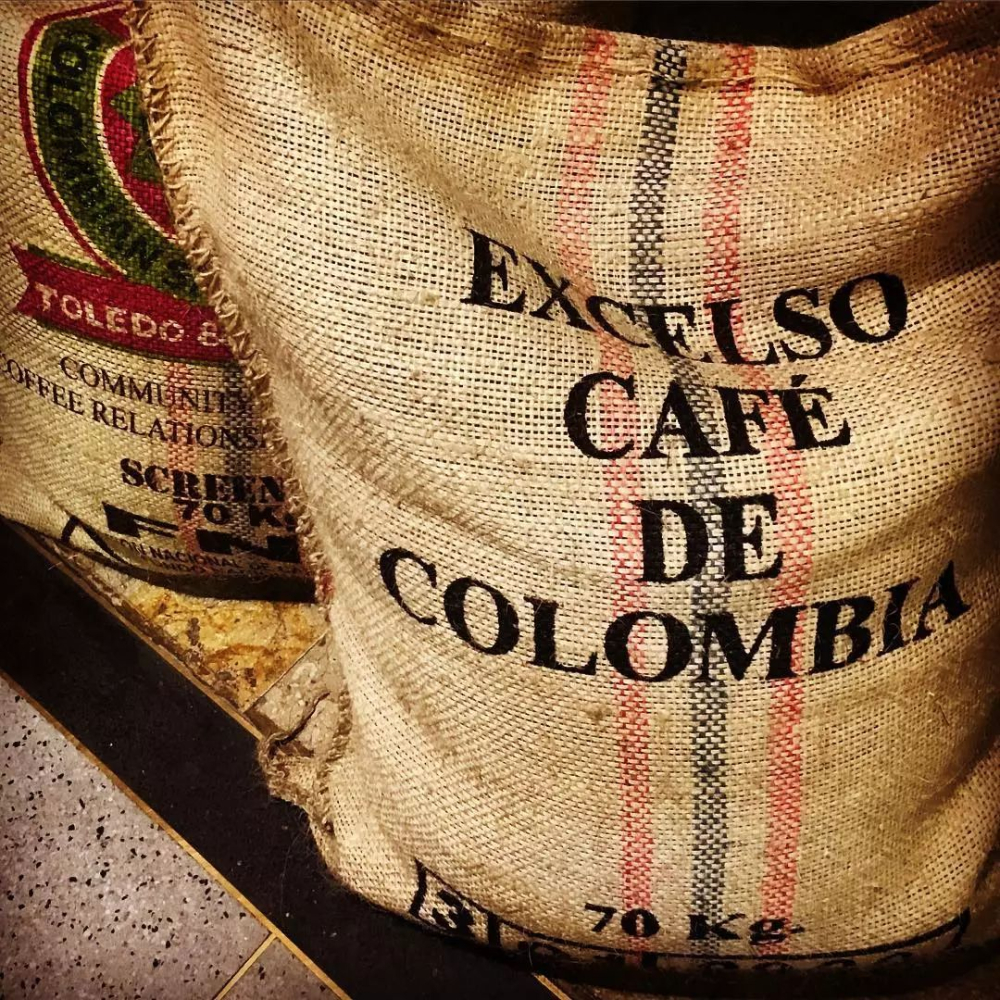
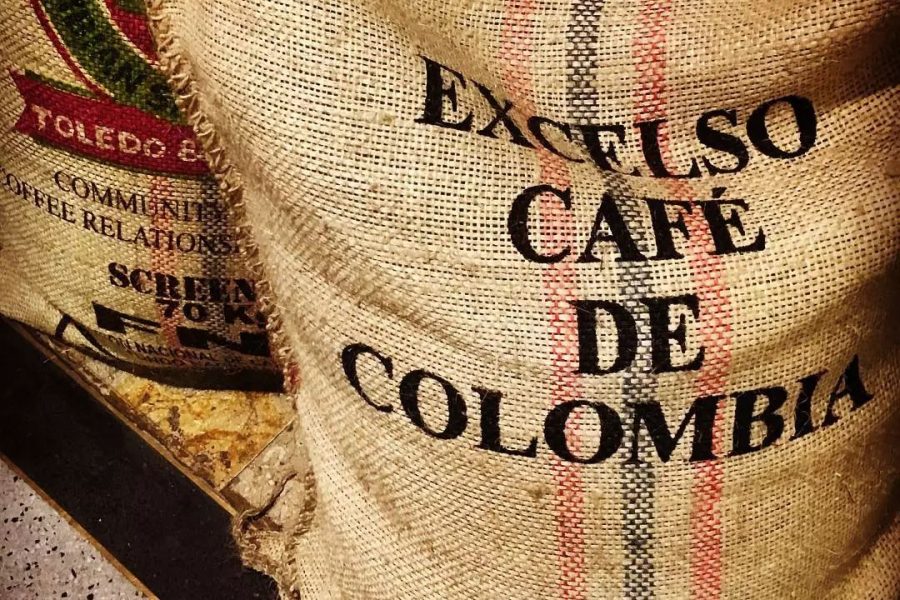
Before export, Colombian green coffee beans are graded by bean size, generally using screens with fixed aperture sizes; the larger the screen hole, the larger the beans that pass through. Common grades include UGQ, EP (European Preparation), and Supremo, with the most widely used and internationally recognized being the Excelso grade. This grade requires that in every 500 grams of green beans, beans larger than 14 screen (about 6.75 mm aperture) must account for more than 50% of the total, with no more than 5% of beans between 12 and 14 screen allowed, while ensuring overall uniformity, no insect damage, consistent color, no off-flavors, moisture content not exceeding 12.5%, and a total defect score of no more than 24. Almost all exported Colombian green coffee beans are labeled "Excelso" to ensure quality consistency.
For traceability, each batch of green beans is registered with the farmer's number and related growing information before export, enabling full-chain traceability from cultivation to roasting. Export naming usually follows the rule of "country + region + grade + other," for example "Colombia Huila Supremo SC17/18 FNC," where "SC" stands for screen size and "17/18" refers to the screen range.
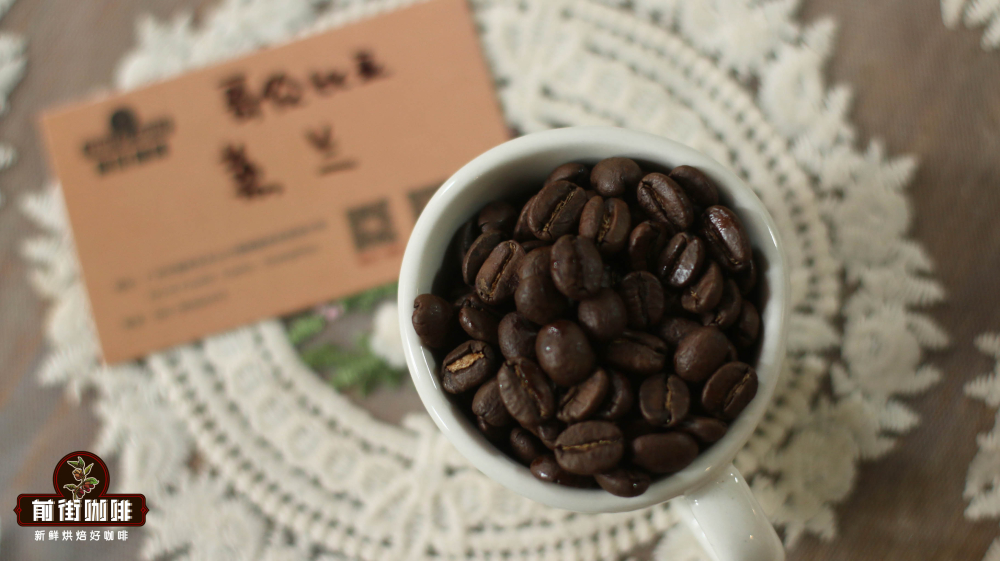
In terms of varieties, Colombia widely grows classic Arabica types, among which Caturra, Bourbon, Typica, and Pacamara are common, known for balanced flavor and stable yields. In recent years, some rare varieties such as Gesha have gradually entered the market; although production is limited, they are sought after by specialty coffee enthusiasts for their unique floral and fruity aromas. For example, washed Caturra coffee from the Huila region often presents a complex aroma of chocolate, nuts, and caramel, with a smooth mouthfeel and balanced acidity and sweetness, making it a daily choice for many coffee consumers.
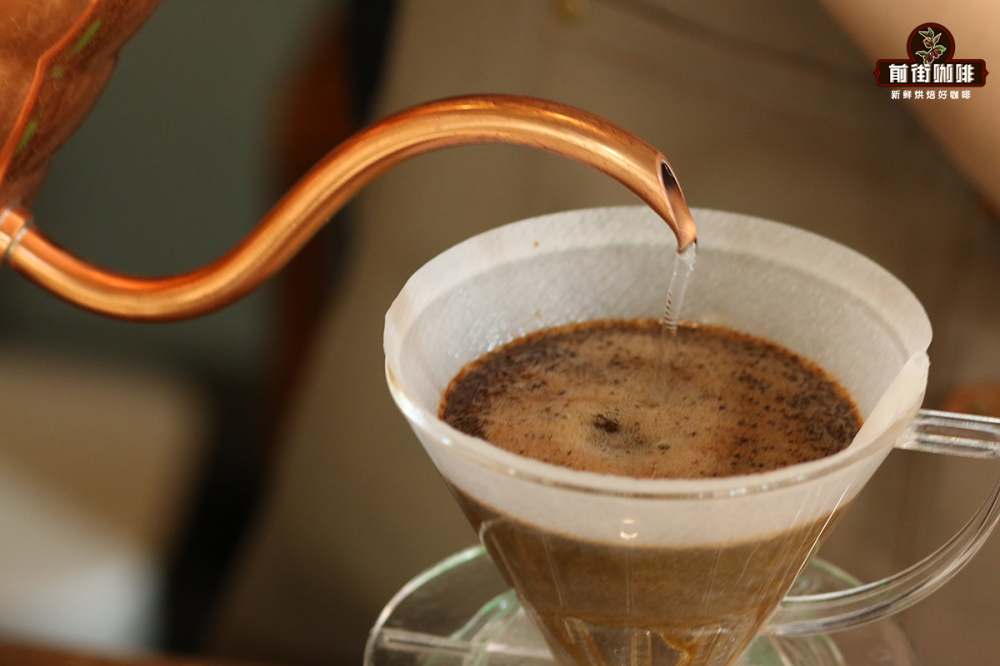
To fully bring out the rich flavor of Colombian coffee, mastering suitable brewing parameters is especially key. A KONO dripper is recommended, with water temperature controlled at about 90°C, grind size suggested at a 75% passing rate through a No. 20 standard sieve (equivalent to medium-fine grind), and a coffee-to-water ratio of 1:15, that is, 15 grams of coffee grounds to 225 milliliters of water. You can refer to the following three-stage extraction process: first pour about twice the coffee's weight in hot water (about 30 grams) for a 30-second bloom to wake up the grounds; then pour in a thin stream in circles from the inside out to 125 grams, and after the coffee bed drops slightly, continue pouring in the same thin stream to 225 grams; the entire extraction takes about 2 minutes. This method helps extract flavors evenly and avoids over-extraction or excessive tannins.

The final brewed coffee usually has pronounced aromas of chocolate, nuts, and caramel, with a full-bodied yet refreshing mouthfeel and soft acidity; as the temperature drops, the flavor layers become more distinct, making it suitable for pour-over enthusiasts who enjoy balanced taste and a rich finish. By understanding its origin background, variety characteristics, and scientific brewing methods, you will be able to appreciate the unique charm of Colombian coffee more deeply.