Espresso Blend Coffee Bean Buying Guide: Black Coffee vs SOE and Blend Recommendations

Introduction: How do espresso blend coffee beans differ from single-origin SOE coffee beans? Blends are usually known for balanced flavor and medium-dark roasting, making them suitable for espresso and milk coffee; while SOE highlights the distinct flavors of a single origin, with brighter acidity. This article explains the differences between the two, teaches you how to select high-quality blend beans from three dimensions—roast level, freshness, and crema performance—and analyzes the characteristics of blends with different flavor types, helping you find coffee beans suitable for home use or beginners.
Espresso blend coffee is made by mixing coffee beans from different countries or origins in specific proportions, a process commonly found in the espresso system. In contrast, single-origin coffee beans (SOE, Single Origin Espresso), because they come from the same origin, often carry clearly recognizable regional characteristics, such as bright fruit acidity and prominent floral notes. Espresso blends, through the synergy of beans from multiple origins, usually present a more balanced flavor; especially when medium-dark roasted, they more easily develop the mellow aromas of caramel, chocolate, and cocoa, making them an ideal choice for many home users and coffee beginners.
There are many types of espresso blends on the market, and beginners often don't know where to start when choosing. In fact, as long as you master three key elements—freshly roasted, medium-dark roast level, and rich crema performance—you can easily select blend beans that suit you.
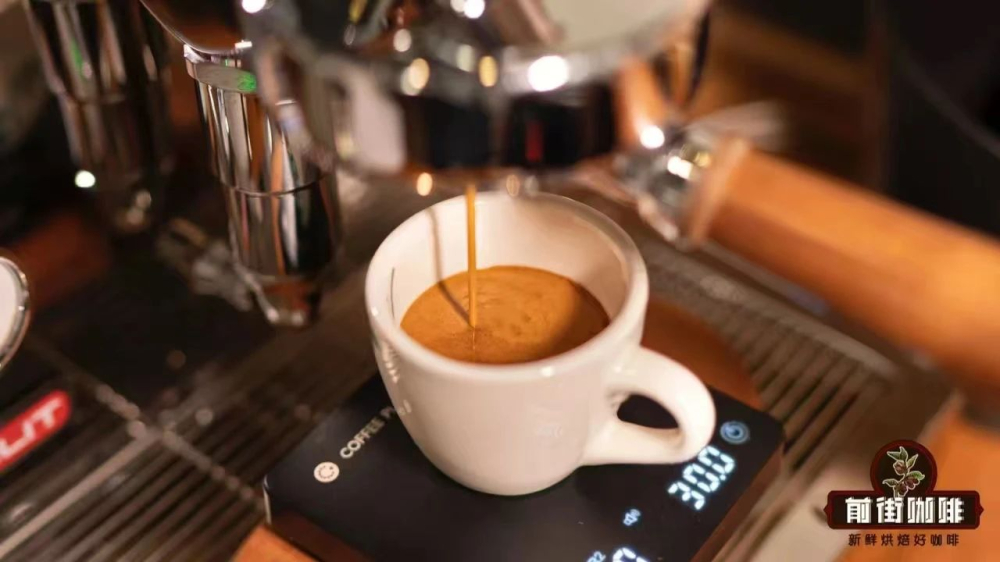
Freshly roasted coffee beans are crucial. Regardless of the brewing method, the freshness of coffee beans directly affects flavor performance. Generally, coffee beans are at their best within two weeks after roasting; if stored for more than two months, their aromatic substances will be largely lost, resulting in sparse crema during extraction, a flat taste, and even a cardboard flavor. To ensure extraction results and aroma layers, it is recommended to choose fresh beans with a roast date within 10 days; this not only makes the flavor more vivid but also extends the optimal enjoyment period.
Medium-dark roasting strengthens the mellow body of espresso. As the roast level deepens, the internal structure of the coffee beans becomes more porous, and acidic substances gradually transform into caramelization products, bringing a fuller body and rich roasting aromas. At the same time, a large amount of carbon dioxide accumulates inside the beans, forming fine bubbles that surge out when hit by hot water—this is exactly the crema we see. When buying espresso blend beans, prioritize medium-dark roast products; the flavor descriptions of these beans usually include keywords such as hazelnut, butter, chocolate, cocoa, cream, nuts, and caramel. Following these guides can help you find your preferred blend combination more precisely.
Blend beans with rich crema not only have intense aroma but also lay the foundation for latte art in milk coffee. High-quality blend beans can form a dense and lasting crema layer during extraction, which not only enhances the aroma release of the espresso itself but also provides an ideal base for latte art in lattes, cappuccinos, and other milk coffees. Observing the fineness and persistence of the crema is one of the important references for judging the quality of blend beans.
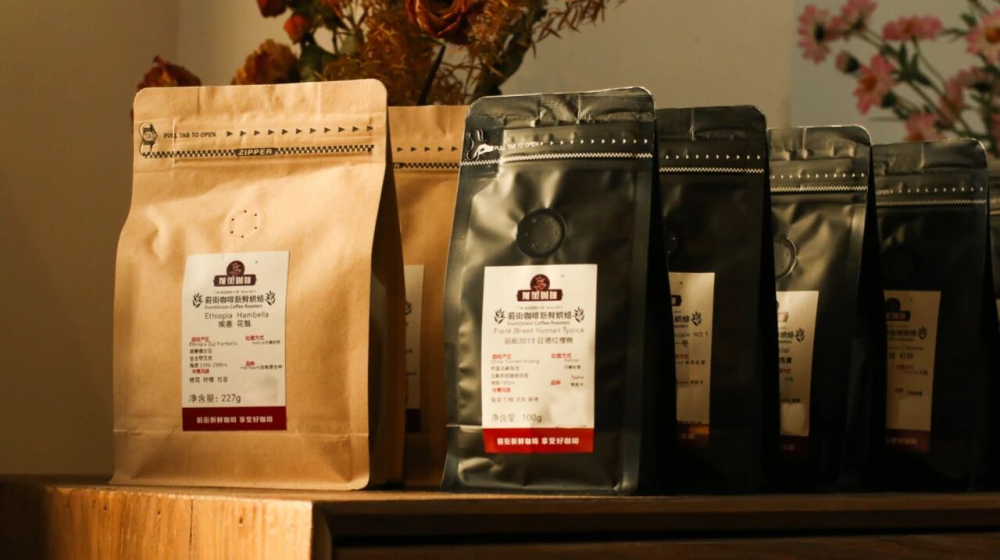
When choosing specific blend beans, you can look out for the following typical flavor-type blend combinations:
The first is a nut-and-chocolate-based blend. These beans are often dark roasted, combining coffee beans from origins such as Indonesia, Brazil, and Vietnam to bring rich flavors of dark chocolate, caramel, and nuts, with excellent crema performance. They are suitable for users who like a mellow body, especially for espresso and milk coffee.
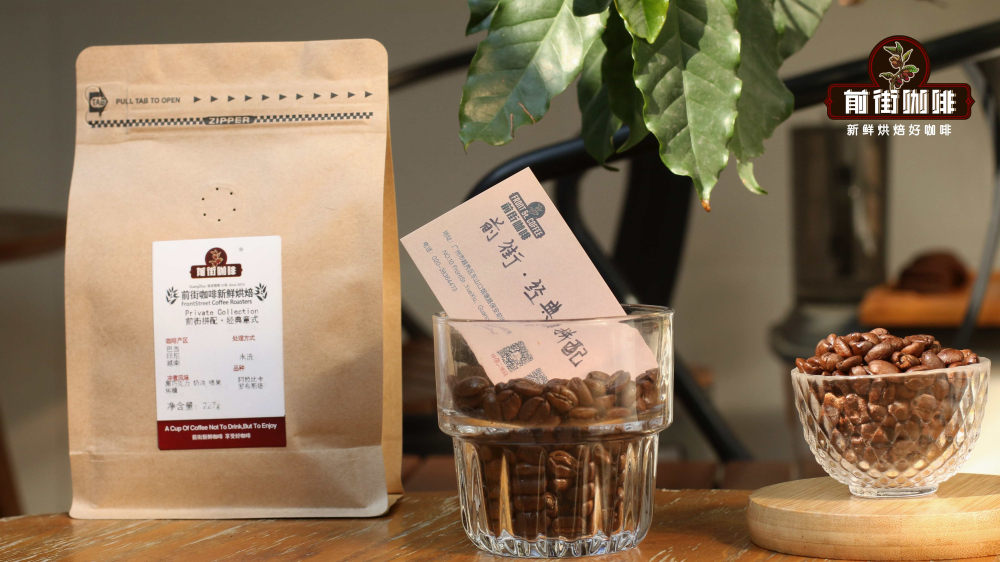
The second focuses on high body and balance, usually using a blend of robusta and arabica, based on Brazilian and Colombian beans, emphasizing the harmony of nuts, cocoa, and caramel. The body is heavy yet layered, suitable for consumers seeking an intense experience, and is also a reliable choice for making classic espresso.
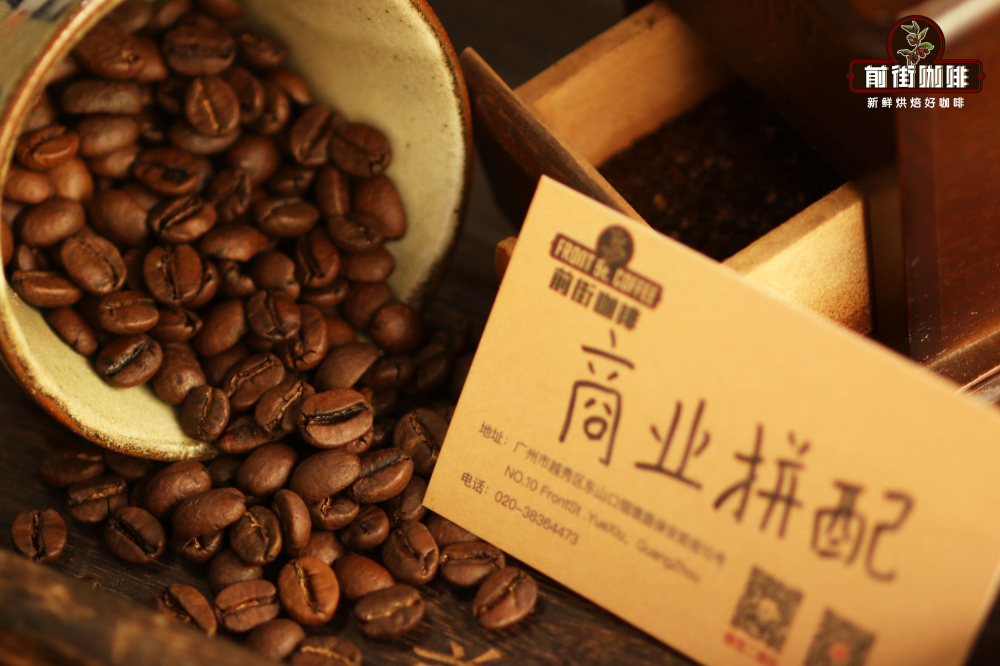
The third leans toward a combination of slight acidity and mellow body, pairing coffee beans from origins such as Yunnan or Brazil to bring soft fruit acidity and a solid caramel-nut finish. The acidity and bitterness are well balanced, suitable for beginners just getting into espresso blends, and performs stably especially when using a home espresso machine or moka pot at home.
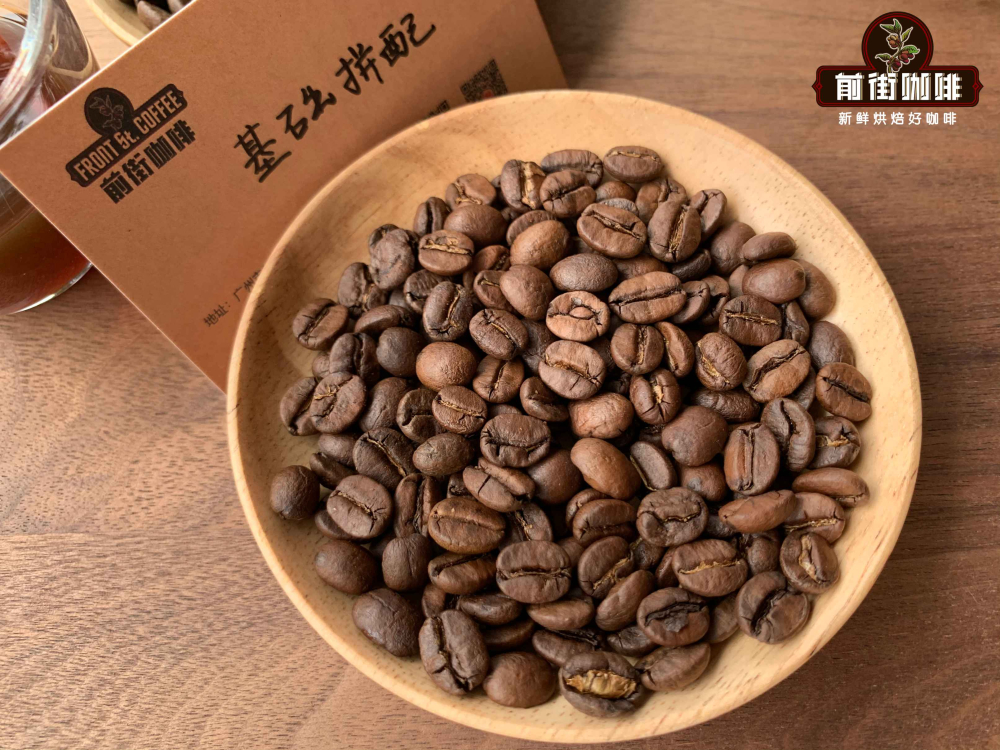
The fourth highlights floral and fruity notes, using a medium roast process to emphasize fresh fruit aromas such as rose, strawberry marshmallow, and dried blueberries, while balancing the sweet-and-sour notes of grapes and citrus, with a warm almond finish. These blend beans are not only suitable for drinking black coffee straight but also compatible with a variety of home extraction equipment, adding interest to daily drinking.
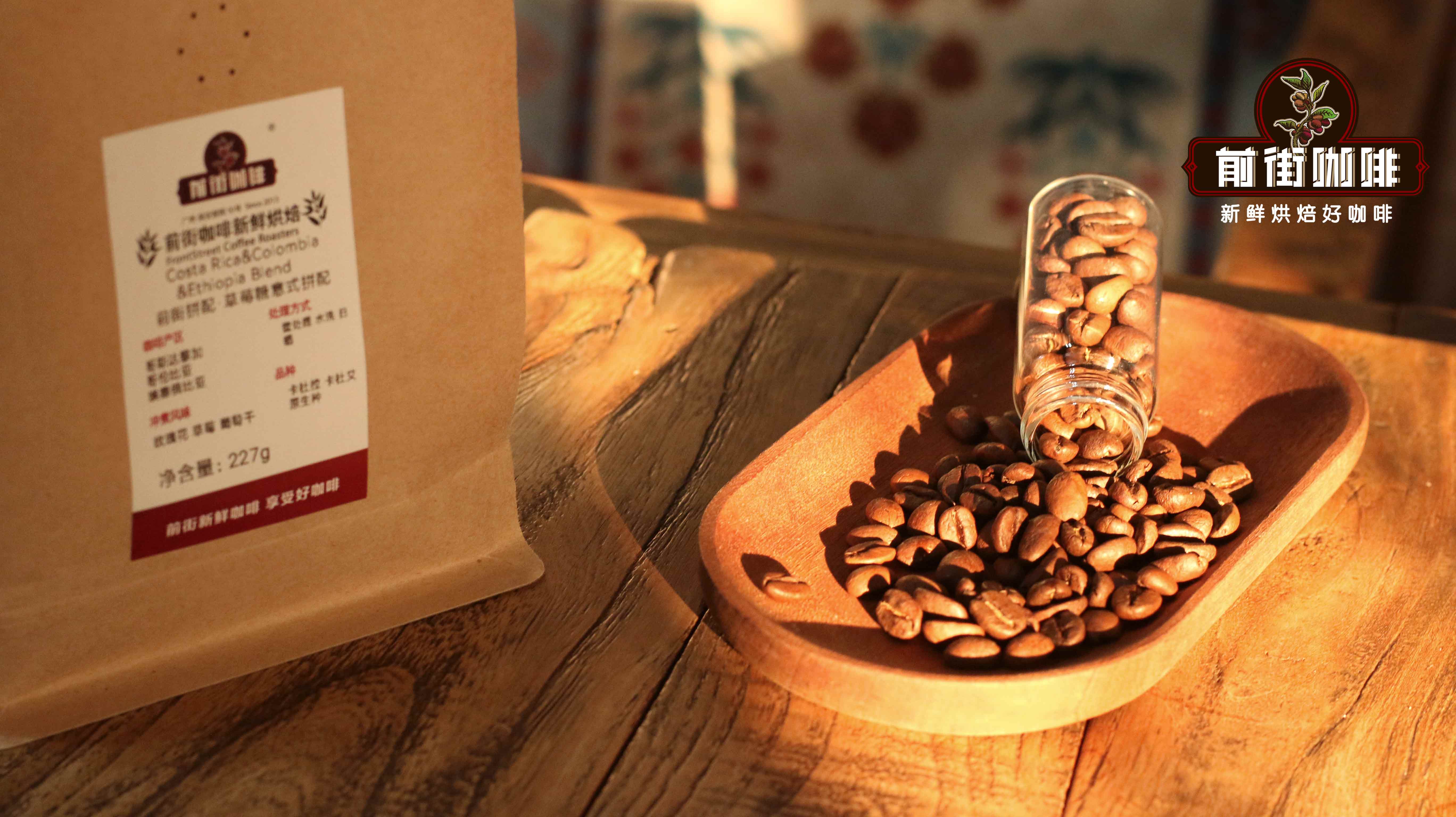
For consumers who want to buy high-quality espresso blend coffee, it is recommended to prioritize professional roasters or brand direct-sales channels to ensure bean freshness and stable quality. Offline stores and online official flagship stores are usually more reliable choices; especially for users who value flavor layers and extraction experience, freshly roasted blend beans are the foundation for enjoying high-quality coffee.


