Colombian Red Bourbon Honey Process: Flavor Analysis and Pour-Over Guide
Introduction: An in-depth look at the Red Bourbon honey-process coffee beans from Finca La Esperanza in Colombia's Huila region, covering everything from growing altitude and variety characteristics to the distinctive half-honey process, and fully explaining the source of its caramel sweetness and citrus acidity. Includes professional pour-over parameter suggestions and flavor wheel descriptions to help you precisely grasp this specialty bean's flavor layers and brewing key points.
From Las Margaritas farm in the Campo Azul area of Huila Department, Colombia, this Red Bourbon variety uses an innovative honey half-process (retaining about 50% of the mucilage layer), creating a distinctive honey color and full-bodied mouthfeel. The farm sits in a volcanic soil belt at 1,550–1,650 meters, where a microclimate with an 8–10°C day-night temperature difference provides ideal conditions for slow ripening of the coffee cherries.
As one of the benchmarks of Colombian specialty coffee, Finca La Esperanza manages four farms—Cerro Azul, Potosi, Las Margaritas and Esperanza—spread across eight microclimatic zones for differentiated cultivation experiments. Over ten years of research, its agronomy team has built a processing database for different varieties, among which the development of the Red Bourbon honey process took three years, focusing on optimizing the mucilage retention ratio and drying curve.
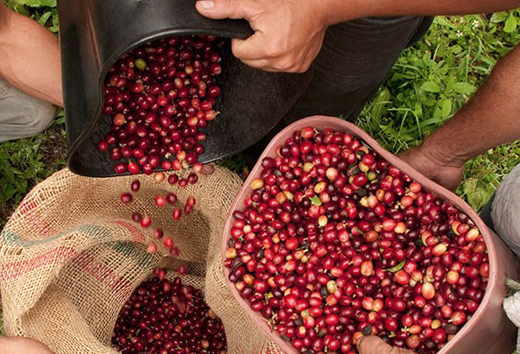
This lot strictly follows the standard of hand-picking fully red cherries, with the harvest period lasting 8 weeks to ensure uniform ripeness. The honey processing stage uses raised fermentation tanks, precisely controlling humidity within the 65%–70% range so that the retained mucilage layer undergoes moderate enzymatic reaction—preserving the caramel base characteristic of the Bourbon variety while developing honey sweetness and liqueur-chocolate notes through partial fermentation.
The cupping performance presents a three-layer flavor structure: the initial stage bursts with bright citric acidity and syrupy sweetness, the middle transitions into the full-bodied texture of toffee and roasted almond, and the finish carries dark chocolate length and a clean citrus aftertaste. The SCAA cupping score reaches 88.25 points, with its sweetness value and body index both 15%–20% higher than the average for similar Bourbon varieties.


Finca La Esperanza's growing altitude covers the 1,400–1,650 meter range, among which coffee grown above 1,550 meters has 12% lower caffeine content but greater accumulation of aromatic substances. The farm's forest cultivation model preserves native shade cover, which not only slows the ripening of the coffee cherries but also promotes complex transformation of flavor precursors. In 2008 the farm achieved the notable feat of winning 9th, 12th and 14th places in the COE competition with single lots, and in the 2012 SCAA annual selection it took two of the top three places.

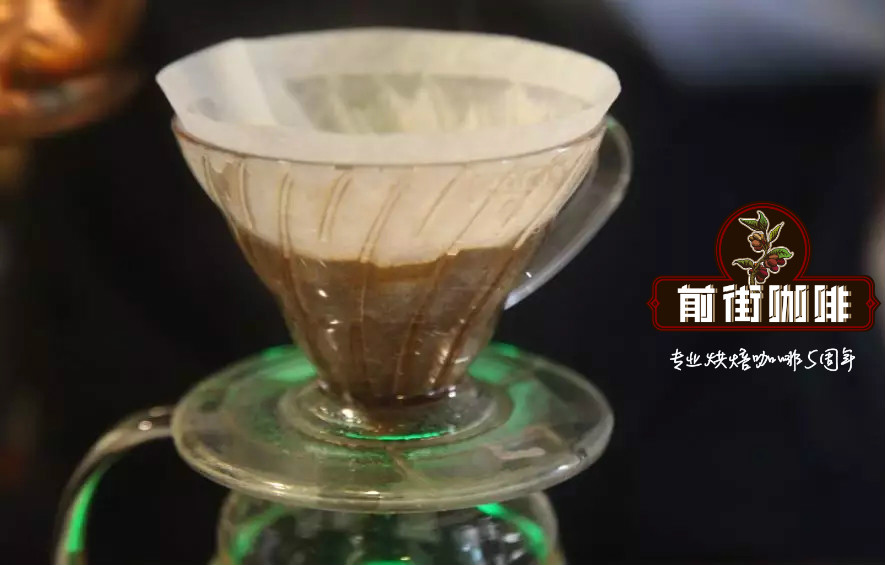
Recommended pour-over recipe for this honey-process Red Bourbon: when using a V60 dripper, adjust the grind to medium-fine (58% passing through a Chinese standard No. 20 sieve) and control the water temperature at 90±1°C. Use a 1:15 coffee-to-water ratio with a three-pour method—first pour to a 1:1 ratio (about 150 ml) for a 30-second bloom, then pour in circles to 1:1.5 (225 ml) over 45 seconds, and finally slowly fill to a total water volume of 228 ml. Keep the flow steady throughout, with total extraction time recommended between 2 minutes 30 seconds and 2 minutes 45 seconds.
These parameters highlight its balance of honey sweetness and citrus acidity. If you prefer a fuller body, try coarsening the grind to 60% passing and extending extraction to 3 minutes. Avoid water temperatures above 93°C, which cause burnt bitterness, or a coffee-to-water ratio below 1:14, which causes over-extraction.