Colombian Geisha Coffee Beans: Regions, Flavors, Pour-Over and Variety

Introduction: This article gives you a comprehensive look at the unique appeal of Colombian Geisha coffee beans, from their origins as an Ethiopian native variety and the legendary story of their championship win in Panama to how they perform when grown in Colombia. We will examine in detail their blue-green green bean characteristics, distinctive tea-like floral notes, fruit tones and professional cupping experience, and finally offer practical pour-over suggestions and roasting references to help you better appreciate this specialty coffee.
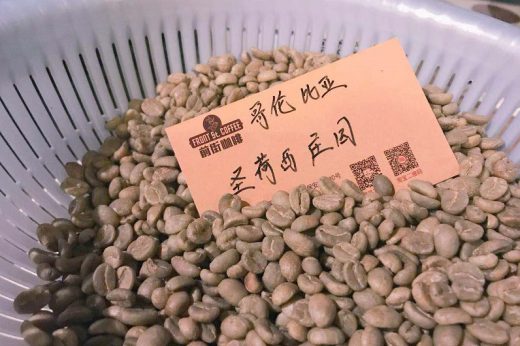
Geisha green beans are known for their distinctive blue-green color and jade-like, smooth texture, a visual beauty that often foreshadows an extraordinary flavor experience. When you lean in and smell closely, fresh grassy aromas strike first, followed by ripe peach sweetness, bright berry notes and the milky-sweet oolong tea character that most coffee beans lack. These layered aromas do not exist in isolation but blend perfectly with delicate tea notes, the vibrancy of tropical fruit and full sweetness—this is exactly the enduring appeal of Geisha coffee.
Proper roasting can reveal Geisha's astonishing bouquet-like fragrance, as if a freshly picked bunch of flowers had been turned into a cup. Many people may not know that this now highly sought-after variety actually originates from an ancient native variety in Ethiopia. It was first introduced as a coffee research sample to an experimental garden in Costa Rica, then distributed to several small farms for small-scale trial planting; at the time it was still an obscure coffee variety.
The turning point for Geisha came at Hacienda La Esmeralda in Panama, where growers separated it from other varieties and cultivated it, ultimately winning first place in a coffee competition and changing the landscape of specialty coffee ever since. This coffee shows striking qualities similar to Yirgacheffe—vivid, varied fruit flavors and refined floral notes, as if the terroir of the Ethiopian highlands had been brought directly to Central America. Today, more and more small farms are trying to grow Geisha, hoping to cultivate excellent lots with their own character.
In Colombia, Geisha coffee has a distinctive local expression. We once conducted a professional cupping experiment in Wangjing, Beijing: comparing a locally roasted Colombian Geisha sample with two Beijing-roasted batches (three cupping cups each), following SCAA standards (which usually require 5 cups; this experiment used 3 cups per coffee). The complete cupping process included: grinding the coffee into uniform particles, capturing the aroma characteristics immediately after breaking the crust, skimming off the surface foam before tasting, and recording sensory experiences in detail throughout. After evaluation by four professional cuppers, the Geisha coffee roasted in Beijing from the same Colombian lot received the highest rating.
In actual pour-over brewing, this Colombian Geisha coffee shows distinct personality traits: lively, bright acidity with layered variation, like the jump of fresh citrus and stone fruit; extremely intense floral and tropical fruit aromas, highly consistent with the sensory impressions of the green beans; medium body, maintaining enough substance without being overly heavy; and an overall balanced, smooth mouthfeel with a persistent sweet finish that lingers. These qualities make it an excellent choice for pour-over coffee enthusiasts.
For enthusiasts who want to try brewing Colombian Geisha, consider the following practical details: a medium-fine grind (similar to granulated sugar), water temperature in the 90–93°C range, and a coffee-to-water ratio of 1:15–1:17 to best express its flavor characteristics. Pour in a center-circling pattern, and a short bloom after the first pour helps fully release the aromas. Note that Geisha coffee is quite sensitive to freshness, and the optimal drinking window is recommended within 7–21 days after roasting, which is also why our cupping was held on the third day after roasting.