Colombia Coffee Regions Guide: Pour-Over Parameters and Flavors
Introduction: Colombia is the world's second-largest arabica coffee producer, and its diverse microclimates and high-altitude environments give rise to layered, complex specialty coffee. This article examines the geographical features, flavor differences and representative processing methods of the country's main regions, and offers practical pour-over parameter suggestions to help coffee lovers choose beans from a region suited to their personal taste.

Thanks to the unique geographical conditions of the Andes, Colombia forms a vast north-south growing belt, creating a supply advantage of two main harvests plus a micro-harvest each year. Growing altitudes of 1,200 to 2,000 meters within the country, combined with active ocean monsoons and mineral-rich volcanic soil, together shape the country's coffee's distinctive acidic aroma base and full-bodied mouthfeel.

The country has 15 coffee regions in total, with most specialty coffee resources concentrated in the southwest. The three core regions of Cauca, Nariño and Huila, with their pronounced altitude gradients and diverse microclimates, are the main sources of high-tier flavor beans. These areas not only produce regular commercial beans but also nurture specialty-grade arabica varieties with distinct regional character.
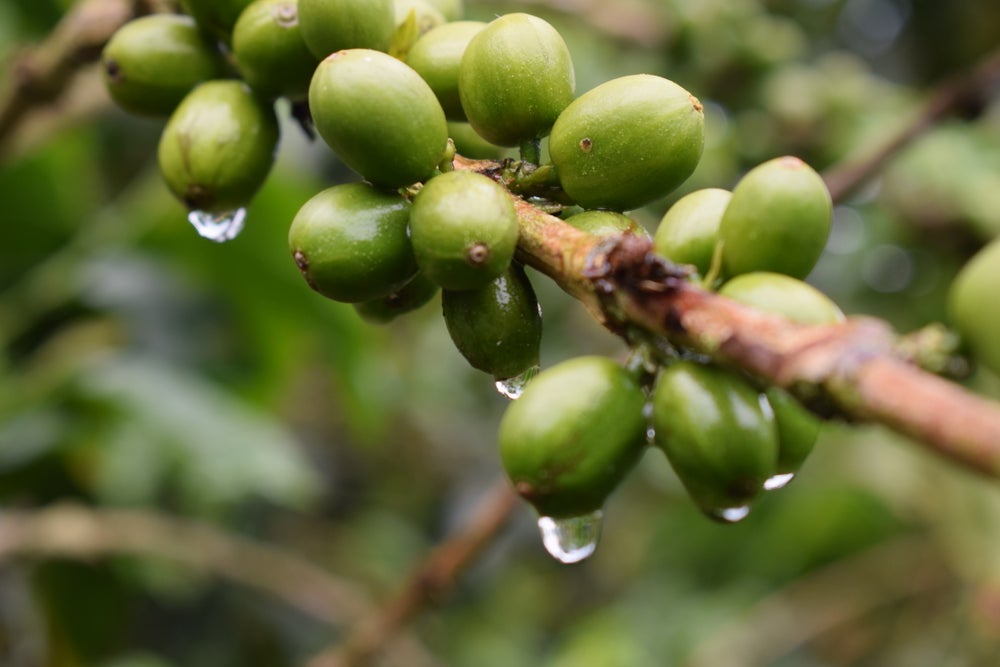
The Nariño region, in the southwest corner of the country near the Ecuadorian border, benefits from ample year-round sunshine and the nourishment of many river systems. Coffee trees are mostly planted at 1,600 meters, and some canyon areas reach 2,300 meters. Volcanic ash soil and the warm, humid air currents between the valleys interact to give the region's coffee a balanced sweet-acid ratio and a delicate, clean mouthfeel. After the rainy season from October to April each year, the harvest period in higher plots even extends to August, giving it the scarce attribute of accounting for only 3%-5% of national output.

The neighboring Cauca region stands above most growing areas with an average altitude of 1,758 meters, its highest point exceeding 2,100 meters. The day-night temperature difference created by the mountainous terrain prompts coffee cherries to ripen slowly and accumulate richer flavor compounds. The region's coffee is known for a gentle sweet-acid balance; after the concentrated rainy season from October to December triggers flowering, the concentrated harvest period follows, with relatively high consistency in cherry ripeness.

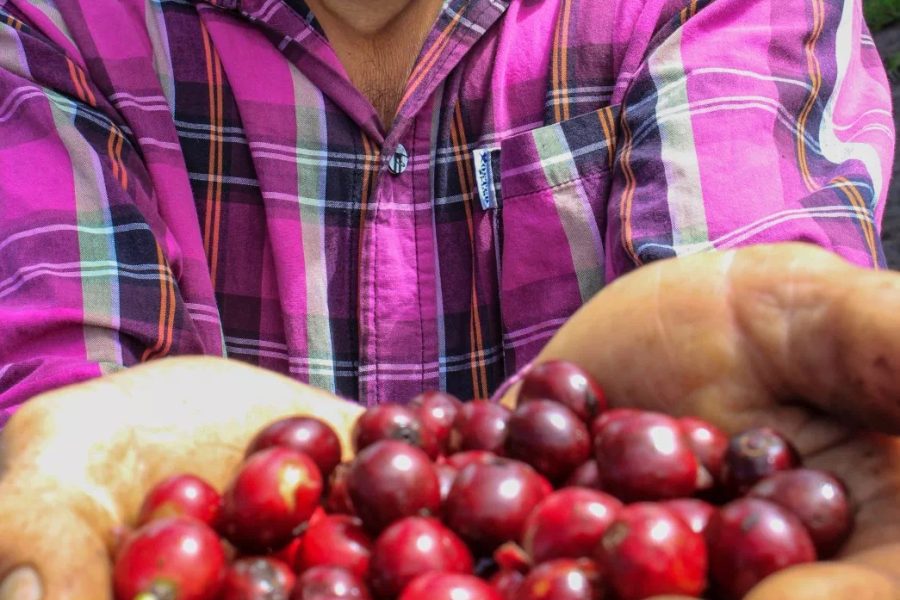
The Huila region, Colombia's best-known specialty coffee origin, relies on its mountain-ringed terrain and irrigation network of several main rivers to form a unique cool monsoon climate. An altitude range of 1,250-2,000 meters gives it the advantage of two harvests: September-December is the main harvest, and April-May is the supplementary season. Local farmers insist on hand-picking to ensure cherry integrity, and combined with washed processing, the beans produced generally carry complex fruity layers and stable quality.

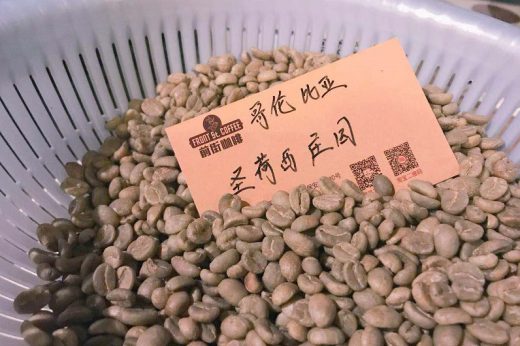
Taking the Huila region as an example, typical washed beans often show a composite base of nuts, dark chocolate and caramel, accompanied by moderate, gentle fruit acidity. These beans mostly use the Caturra variety—a natural mutation of Bourbon—which has weaker disease resistance but higher yield, and whose acidic aroma traits are more pronounced at high altitudes. Its characteristic of needing no shade trees facilitates dense planting management, making it the preferred cultivation option for local farmers.

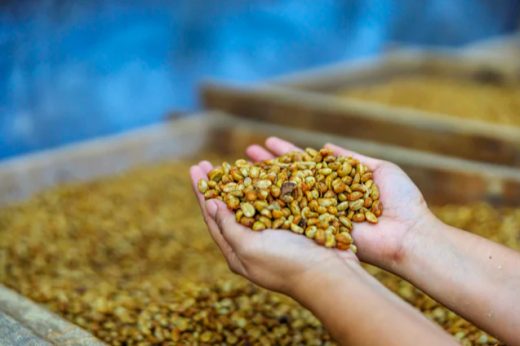
Mainstream Colombian coffee farms are equipped with professional pulping equipment. The washed process includes 24-hour fermentation in tiled tanks to soften the pectin layer, then washing with running water to strip residual matter, and finally drying under controlled temperature to 12.5% moisture content. This processing method effectively preserves the region's native flavor characteristics and is especially suited to coffee lovers seeking regional flavors.
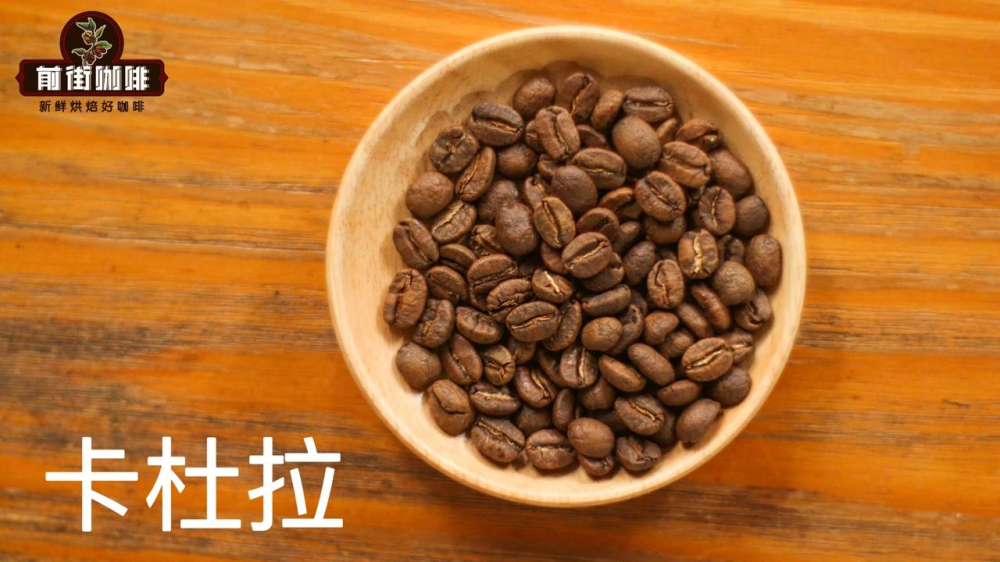
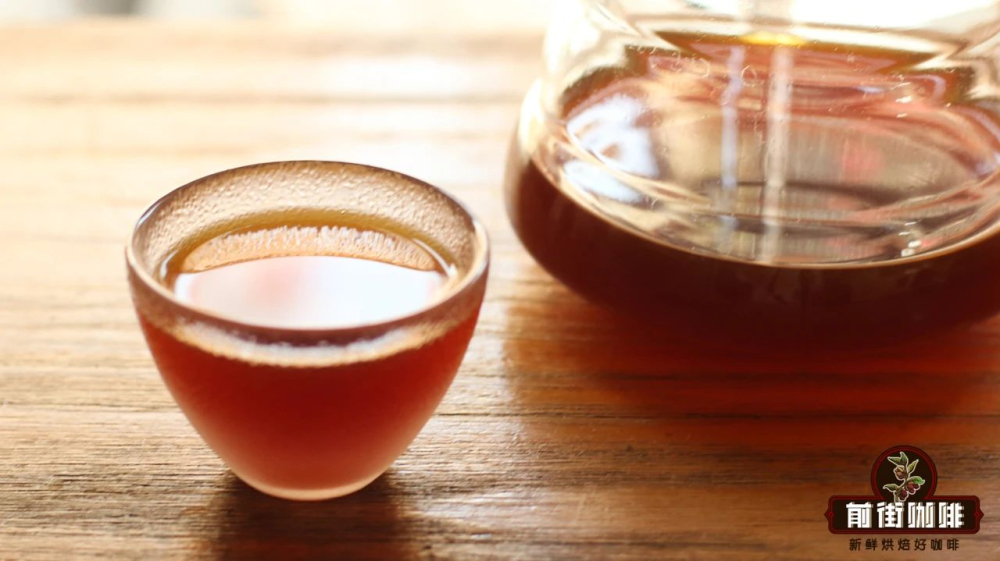
For home brewing, we recommend fresh beans within 5 days of roasting and a medium roast to balance acidity and bitterness. A fine grind with 80% passing a No. 20 standard sieve is recommended, with 90°C water and a 1:15 coffee-to-water ratio. For the specific procedure, perform a three-stage pour: first 30 grams of water for a 30-second bloom to form a filter bed, then pour 95 grams of water until the bed has dropped more than halfway, and finally add 100 grams to complete extraction. Keep the pour at the center point with a gentle, small stream throughout to avoid uneven extraction caused by channeling.