Colombian Coffee Beans: Regions, Processing, Grades, and Pour-Over Guide
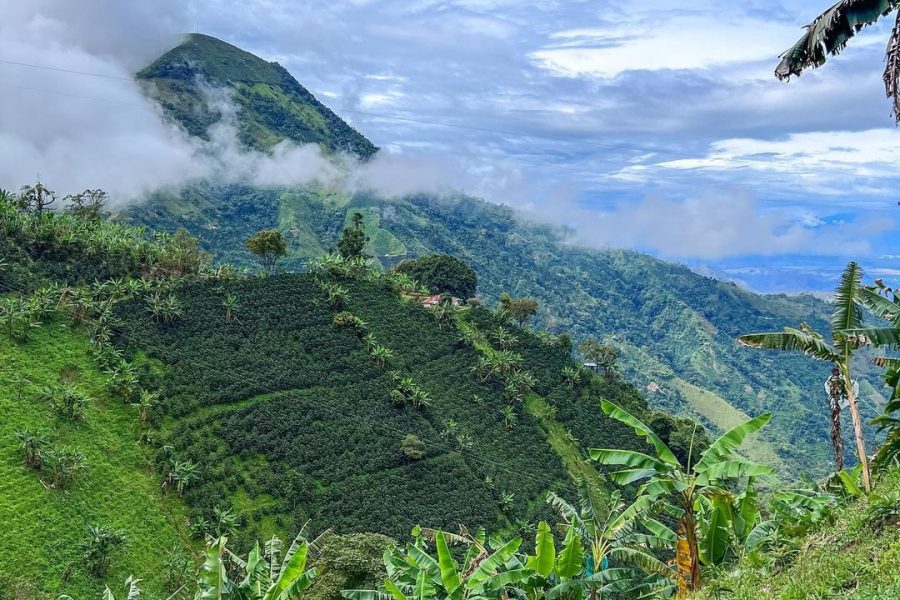
Introduction: An in-depth analysis of the core regional characteristics, six mainstream processing methods, official grading standards, and home brewing solutions of Colombia, the world's third-largest coffee-producing country. From the high-altitude microclimates of the Andes to honey processing fermentation techniques, this article comprehensively explains why Arabica beans here achieve both balance and diverse flavor layers, and provides professional-level pour-over parameter suggestions and flavor profile references.
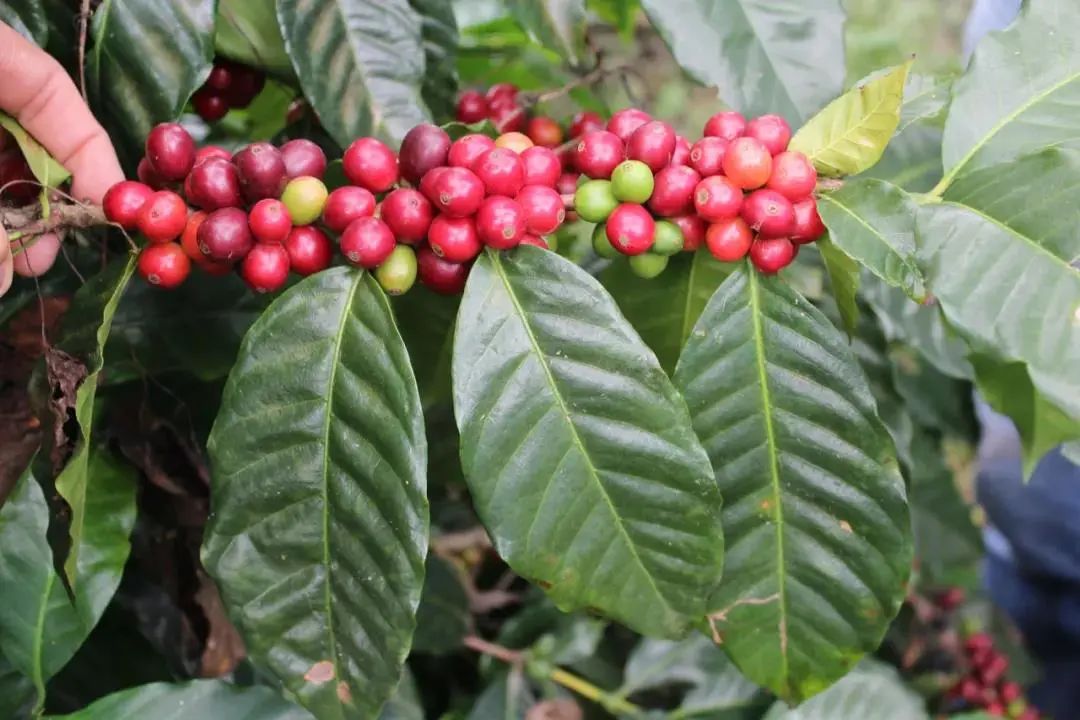
As the world's third-largest coffee producer, Colombia ranks firmly at the top with a 15% share of global output. Since commercial cultivation began in the 1830s, its unique mountain microclimates and strict quality control system have created a classic flavor profile combining bright fruity acidity with a full body. The golden combination of an average annual temperature of 18-22.5°C and annual precipitation of 1000-2500 mm, together with 86 distinct microclimate zones, allows the country's coffee to present both the bright acidity of citrus notes and the warm finish of nuts and caramel.
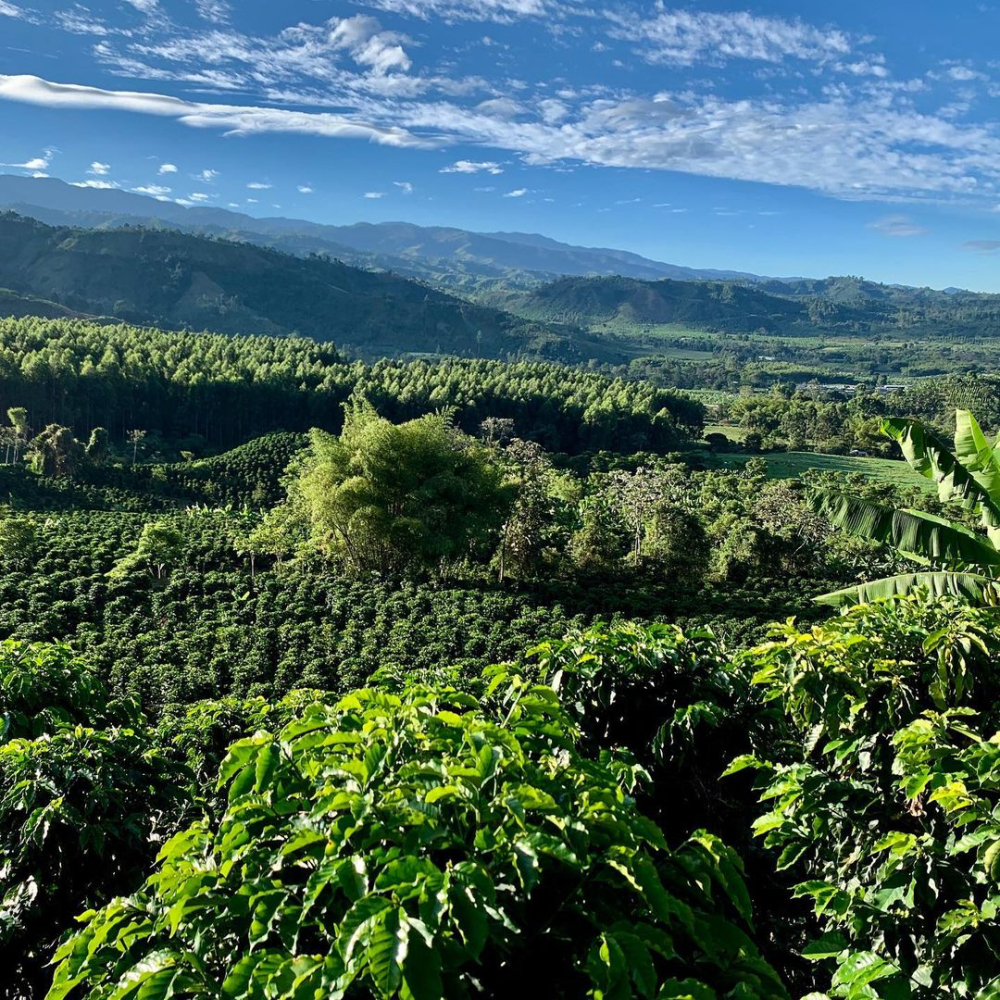
Geography shapes clear regional differences: the 1400-1600 m area of Santander in the north produces full-bodied beans with herbal aromatics; the central MAM federation (Medellín/Manizales/Armenia) is known for its balanced, mellow character; and the high mountain areas of Cauca in the south, at 2100 m, nurture top specialty beans with unique floral aromas. Particularly noteworthy is the 2050 m high-altitude growing area of Cauca, where volcanic soil and a unimodal rainfall pattern (a concentrated rainy season that triggers dense flowering) provide natural advantages for coffee flavor complexity.
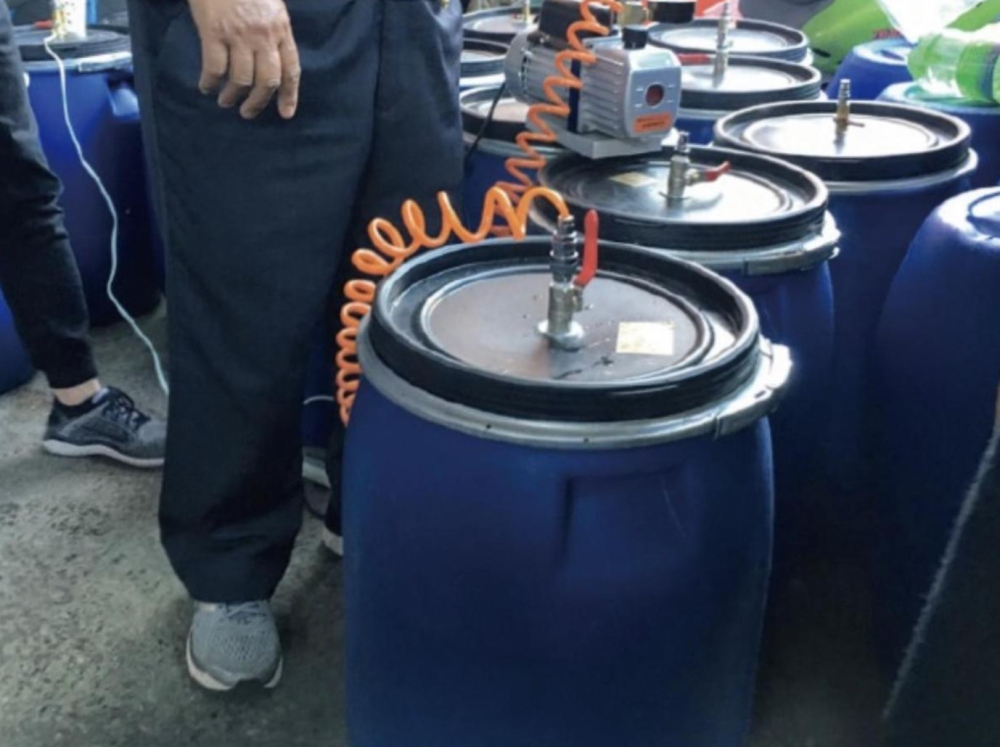
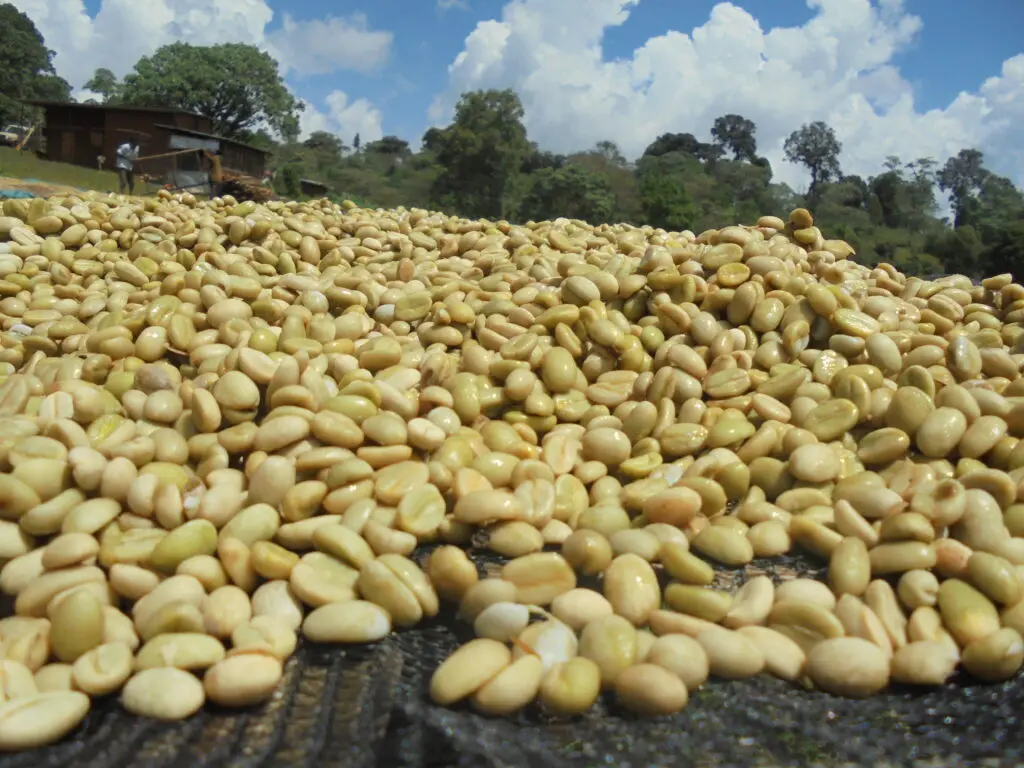
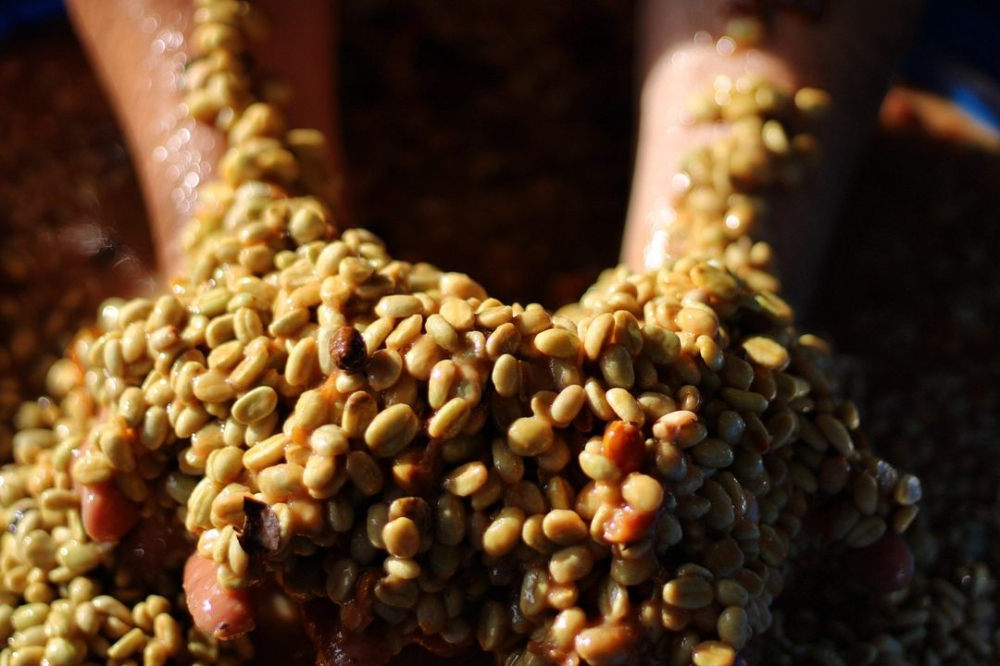
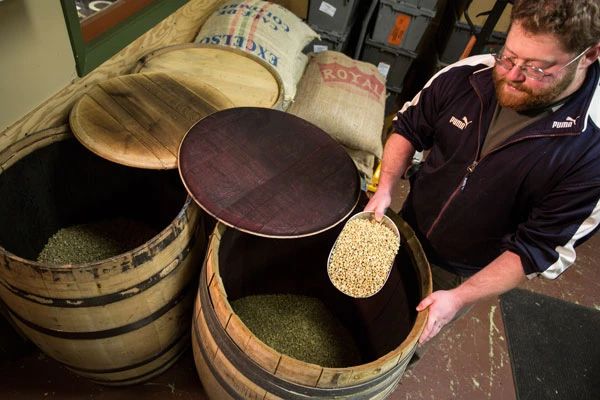
In terms of processing innovation, Colombian farms actively adopt breakthrough techniques: double anaerobic washed processing enhances sweetness layers through two anaerobic fermentations, while rum barrel fermentation allows the coffee beans to absorb aromatic substances from oak barrels. The traditional washed method still holds an important position—after depulping and fermentation, the flotation step effectively removes unripe beans, ultimately presenting a clean and transparent acidity structure. Anaerobic natural processing slows sugar breakdown by keeping the temperature inside sealed containers below 15°C to enhance sweetness; a typical example is the berry notes shown by the Castillo variety from Cauca after high-altitude natural processing at 2050 m.
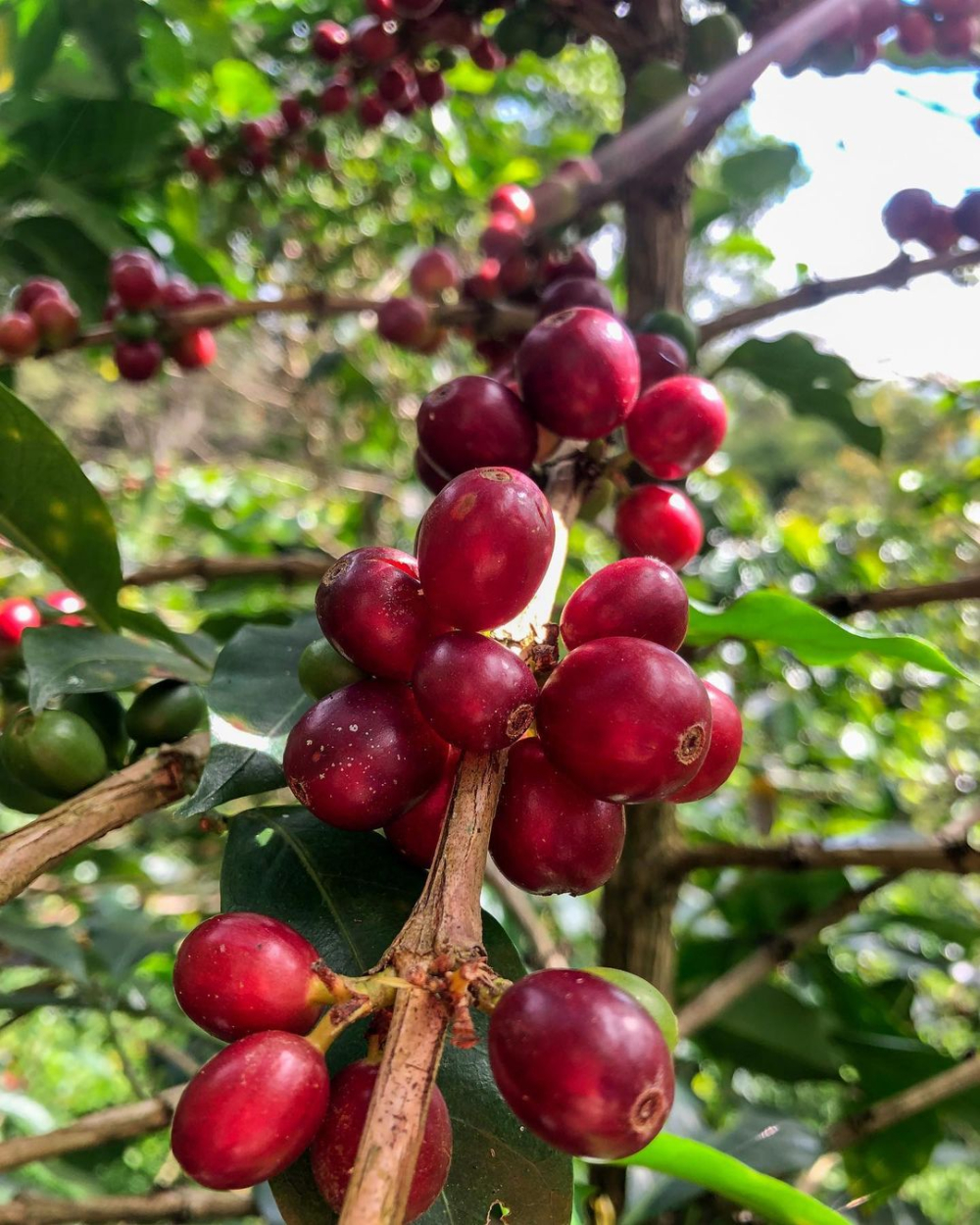
Core regions have distinctive characteristics: washed Caturra from San Agustín in Huila Province (1750-1950 m) combines caramel sweetness with bright acidity; coffee trees in Nariño Province, 90% of which are grown under shade, produce full-bodied beans with a dark chocolate finish; the farm cooperative model in Tolima Province ensures stable quality output. The unique microclimate and altitude of each region directly affect the rate of phenolic conversion and the amount of aromatic deposition in coffee.
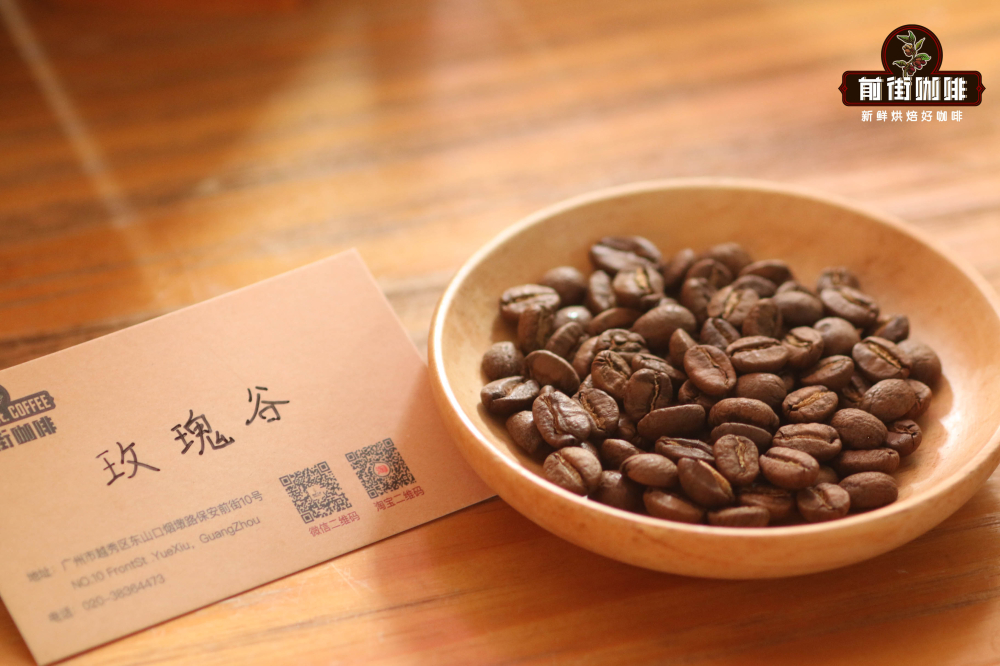
Variety selection reflects strategic wisdom: the highly disease-resistant Castillo (developed by CENICAFE in 2005) dominates planting, with its Timor genes giving excellent resistance to leaf rust; the classic Caturra (discovered in Brazil in 1937) has higher yields but requires careful management; the hybrid Catuai, with its resistance to wind and rain, has become the preferred choice at mid-altitudes, though it should be noted that yellow fruit may affect flavor purity. Different varieties respond significantly differently to processing methods; for example, Caturra can better highlight peach and apricot fruit aromas in anaerobic enzyme-washed processing.
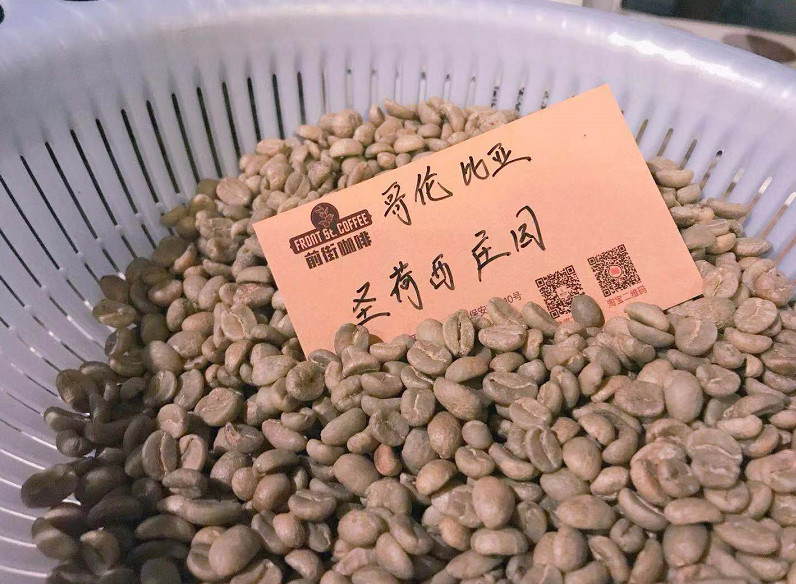
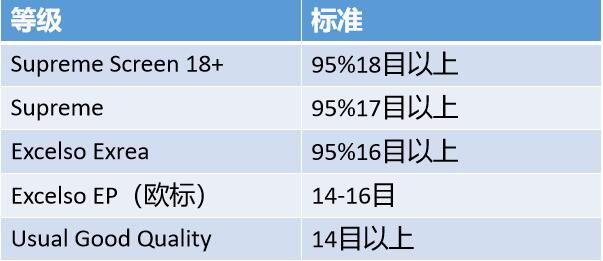
Official grading strictly follows the coffee bean screen size standard while also considering altitude—the SHB (Strictly High Grown) grade requires cultivation above 1500 m, corresponding to a denser bean structure and slower ripening process. Specialty bean selection also requires passing a cupping score system; generally only beans scoring 80 points or above can enter the high-end market. When purchasing, consumers should pay attention to region labeling and processing descriptions; for example, products labeled "Honey Process" may actually use a local semi-natural variant process.
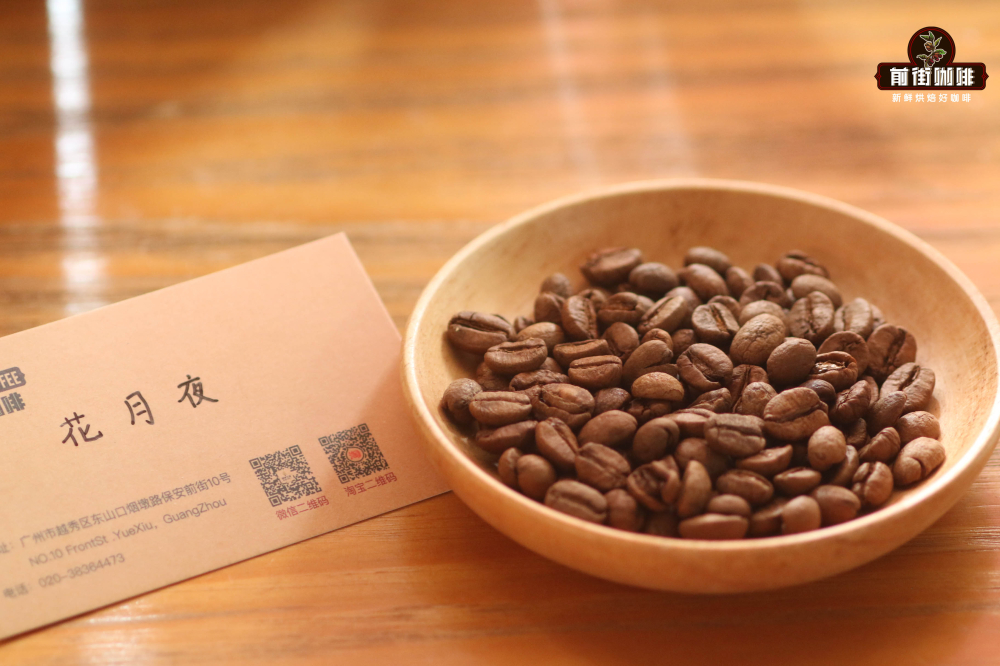
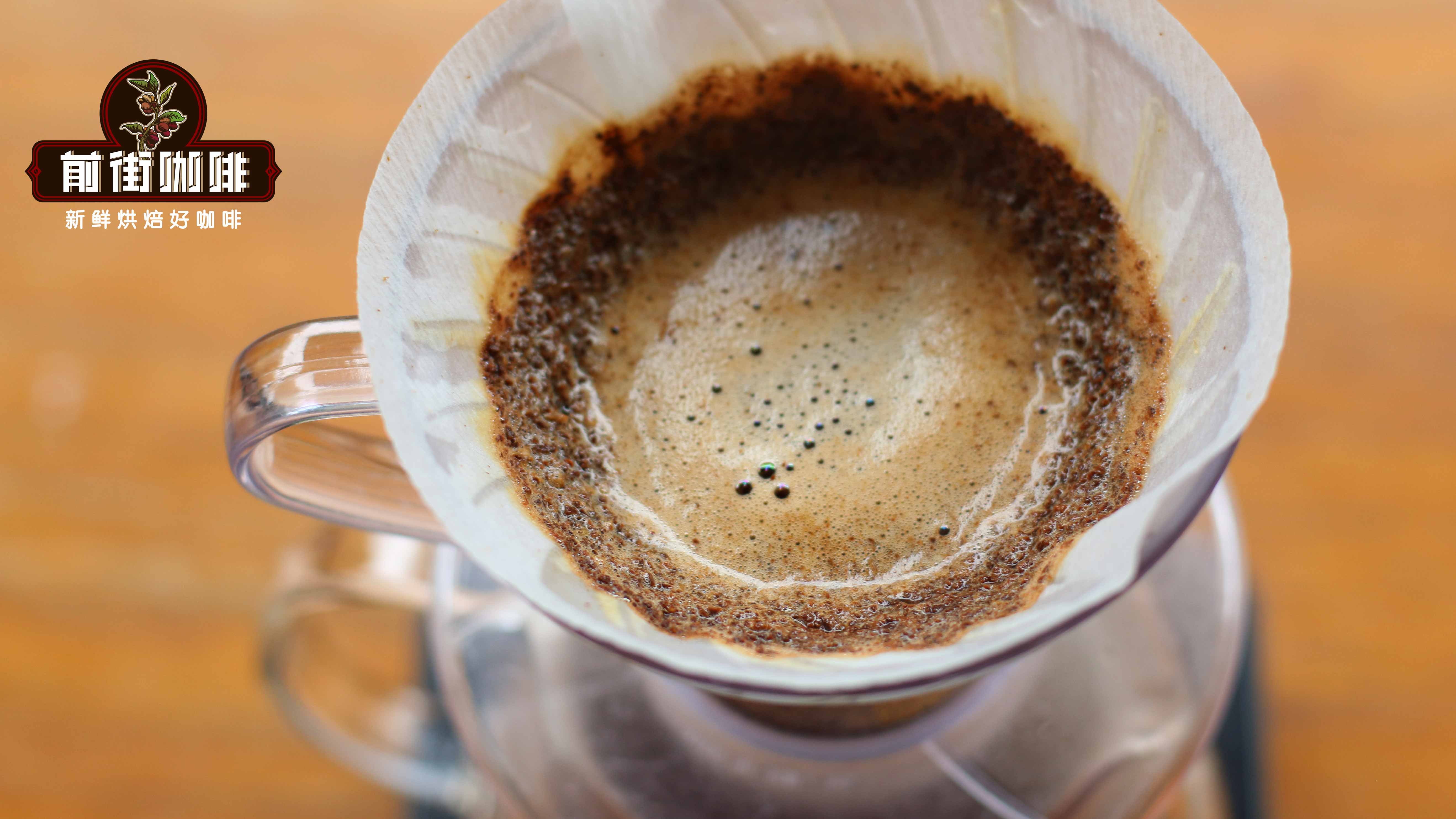
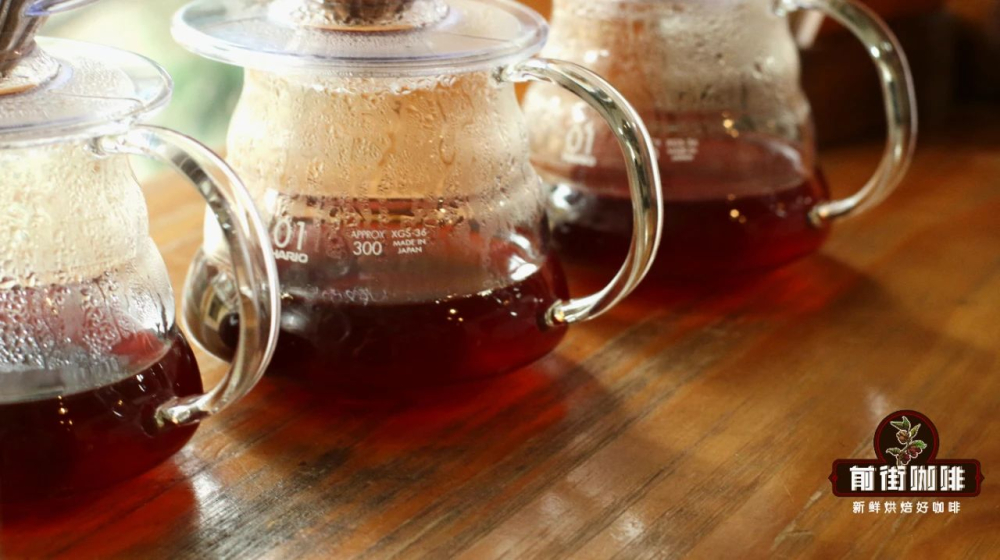
For home brewing, a V60 cone dripper is recommended (the spiral rib design speeds up air release), with professional parameters set as follows: water temperature 90±1°C, coffee-to-water ratio 1:15, grind size like fine granulated sugar (EK43s setting 10). The staged pouring technique is especially key: the first stage uses 30 g of water for a 30-second bloom to activate aromas, then the remaining water is added in two pours (suggested 95 g + 100 g), with total extraction time controlled at 2 minutes to 2 minutes 15 seconds. Beans with different processing methods require parameter adjustments—for example, anaerobic fermented beans can be brewed with water temperature lowered appropriately to 88°C to avoid over-extraction and sharp acidity.
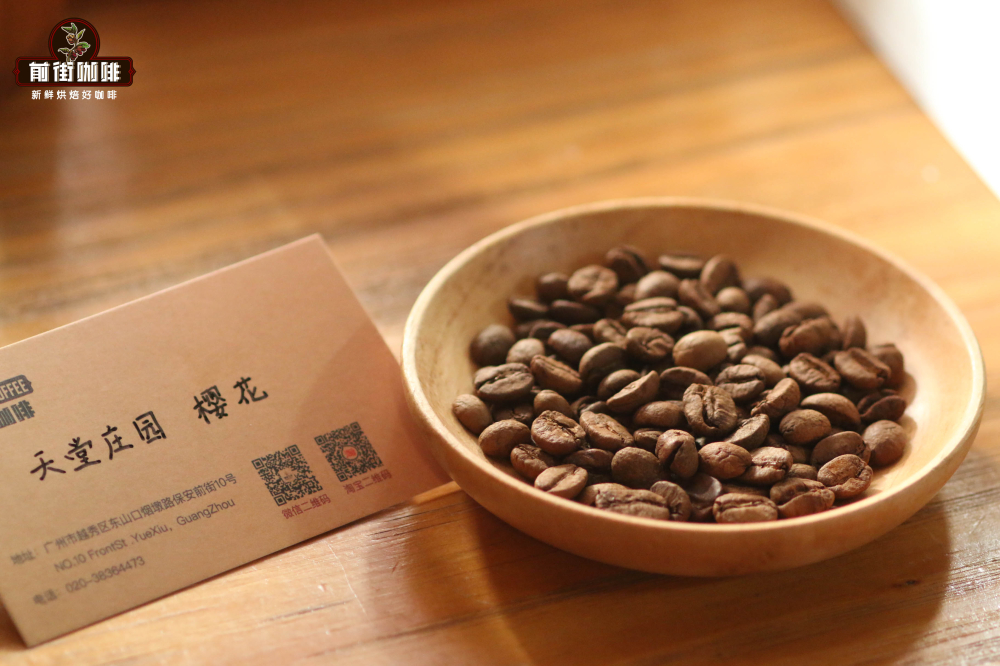
Flavor evaluation has multiple dimensions: Santander region (1700 m anaerobic enzyme-washed Caturra) presents peach, liqueur chocolate notes; washed beans from Huila Province show a trio of nut, chocolate, and caramel; 2050 m Castillo from Cauca Province emits cherry blossom and berry aromas after double anaerobic processing. For storage, aluminum foil bags with one-way degassing valves are recommended, kept away from light at 10-20°C; after opening, the best flavor period is 2-4 weeks. Advanced enthusiasts can try blends from different regions to experience the spectrum of taste changes from bright citrus to deep cocoa.
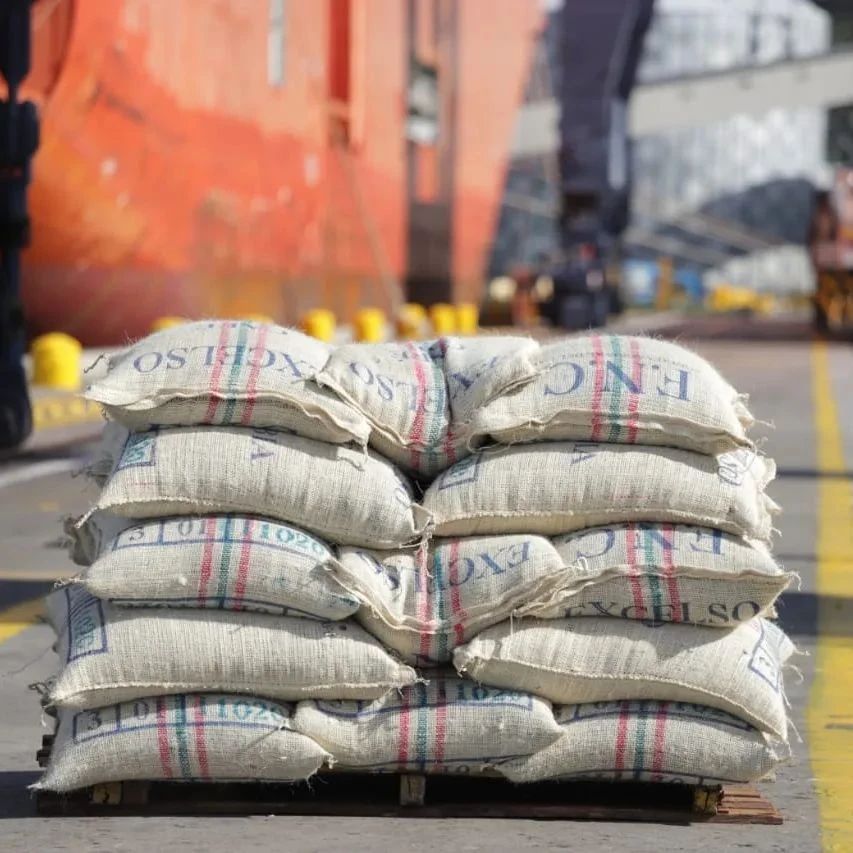
Sustainable cultivation systems are increasingly improved: more than 85% of producing regions implement shade-grown cultivation (30-50% shade), which both protects ecological diversity and slows fruit ripening; some estates have introduced drip irrigation systems to precisely regulate water supply. By choosing products with Rainforest Alliance or Fairtrade certification, consumers can both ensure stable quality and support responsible agricultural practices. The main harvest season is from October to March of the following year; green beans arriving at port during this time have the best freshness, and it is recommended to prioritize freshly roasted products of the season to ensure flavor vitality.