Colombian Honey-Processed Coffee Beans: History and Flavor Guide

Introduction: Explore how Colombia, through its distinctive honey processing, cultivates specialty coffee beans with rich layers of flavor. This article not only traces the history of coffee's arrival in 1808, but also details the operational specifics and flavor secrets of honey processing, guiding you through the selection standards for premium beans from the MAM region, along with practical parameter recommendations for home brewing.
As the world's second-largest coffee producer, Colombia yields 13 million bags (60 kg each) of high-quality Arabica beans annually, second only to Brazil's 22 million bags. This country at the foot of the Andes protects the health of its coffee trees through strict quarantine measures—all incoming vehicles must undergo disinfection, ensuring zero pest or disease incursion.
The uniqueness of Colombian coffee stems from its exceptional geographical environment.Three Cordillera mountain ranges running the length of the country create diverse microclimates, and together with mild, humid air conditions year-round, allow coffee cherries to ripen and be harvested throughout the year. Of particular note, there is no frost threat here like that common in Brazil; of the 2.7 billion coffee trees, 66% are grown on modern estates, with the remainder on traditional small farms.
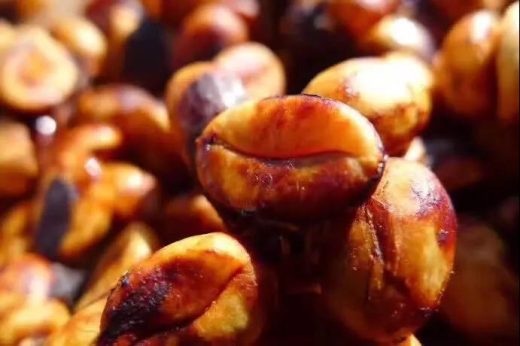
The essence of honey processing lies in balancing sweetness and body. Unlike the traditional washed method, this technique retains part of the mucilage layer for fermentation, creating a signature caramel finish. Professional processing facilities classify the beans by residual mucilage into three grades: yellow honey (20%), red honey (50%) and black honey (100%); Colombian beans processed as red honey often carry a complex aroma of honey, citrus and black tea.
Dating back to 1808, coffee was introduced to Colombia from the French Antilles via Venezuela, first successfully trialed by missionaries in the northern highlands. Over two centuries of development, the country has established a comprehensive quality control system—the National Federation of Coffee Growers (FNC), founded in 1927, not only sets strict export standards but also handles cultivation training and marketing, and its operating model is regarded as a global industry model.
The core producing regions display distinct local characteristics: the MAM triangle (Medellín, Armenia, Manizales) is known for plump beans and balanced acidity, with beans from the Medellín region having the highest density, suited to pour-over enthusiasts seeking a full body; the Bogotá region in the eastern range offers a gentler entry experience due to lower acidity, and beans grown around Bucaramanga often carry a nutty base.
Processing techniques continue to evolve and drive quality upgrades: modern Colombian farms precisely control fermentation temperature (typically maintained at 18-22°C) and duration (36-48 hours), increasing the sweetness of honey-processed beans by more than 30%. Professional roasters recommend brewing these beans at 92-94°C water temperature, with a grind slightly coarser than medium-fine, and maintaining a constant 93°C during pouring to bring out floral and fruity notes.
The grading system reflects rigorous standards: Supremo beans must have a screen size above 17, Excelso permits a small number of 15-16 screen beans, while the UGQ grade designates premium lots with special flavors. Export data shows Germany accounts for 25% of purchases, confirming its international recognition—local consumers are especially fond of the Europa variety with its caramel sweetness.
For home users, when buying, observe the gloss of the beans: premium honey-processed beans should show an even amber residual mucilage on the surface and, once ground, give off a clear mixed aroma of citrus and caramel. For storage, keep them sealed and away from light; the optimal flavor window is 10-21 days after roasting, when the balance of acidity and bitterness reaches its golden state.