Costa Rica Blue Sapphire Pour-Over Guide: Fire Phoenix Natural Bean Flavors and Parameters
Introduction: This article takes an in-depth look at the Blue Sapphire coffee beans produced by Costa Rica's Fire Phoenix Estate, from growing altitude and variety characteristics to the unique low-temperature natural process, showing how this medium-light roast develops layers of strawberry, rose and honey sweetness. It also offers professional pour-over parameter suggestions and brewing experience notes to help you precisely extract the bright acidity and full body of this premium SHB-grade coffee.
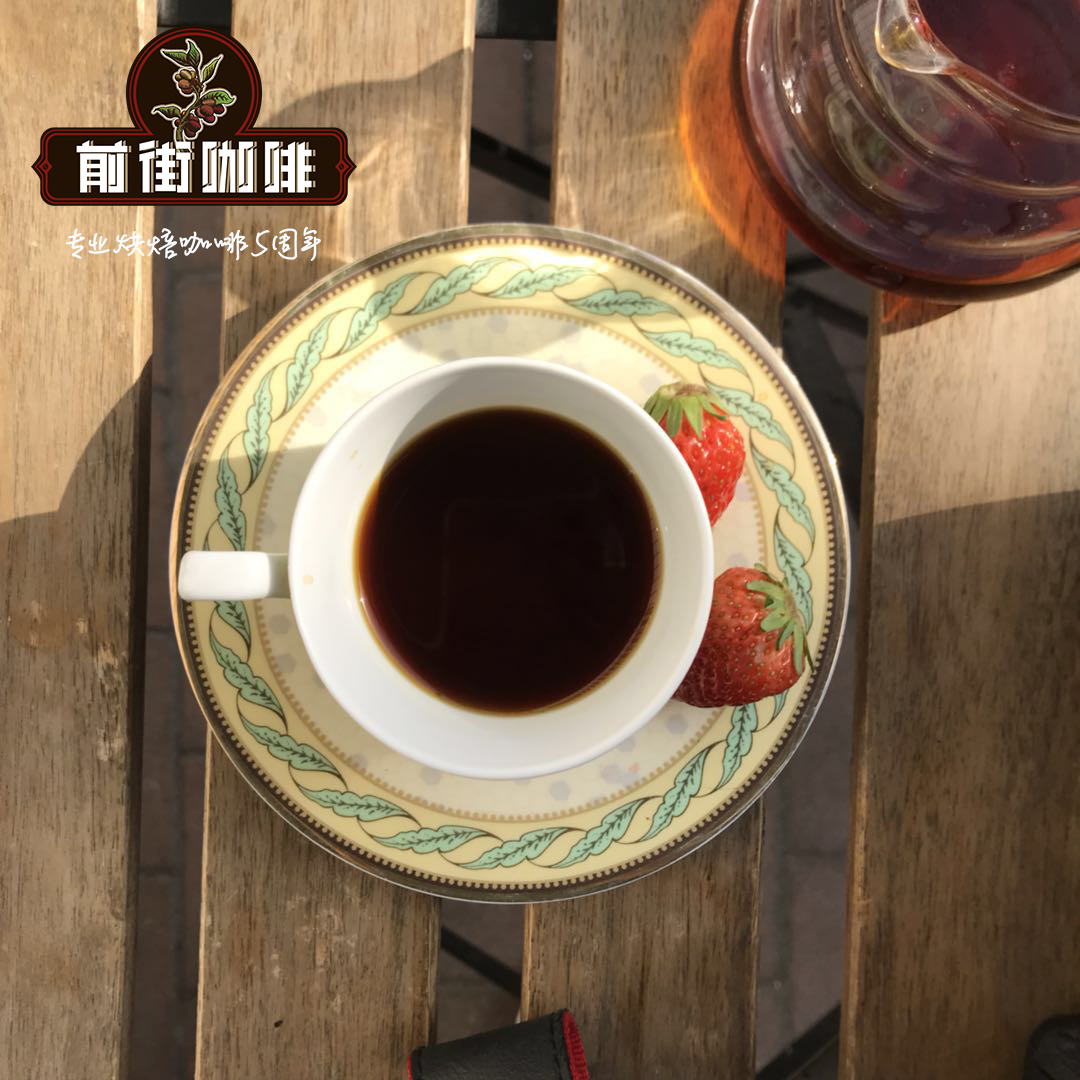 The Blue Sapphire coffee beans from Fire Phoenix Estate in Costa Rica's Central Valley grow at 1,300-1,500 meters in volcanic soil, where an average annual temperature of about 20°C and annual rainfall of 3,000 mm give the coffee cherries extremely high sugar accumulation—their Brix sweetness can reach 21-22%, far above ordinary fruit standards. The estate insists on 100% organic farming, achieving zero chemical inputs through vermicomposting and rainwater recycling systems, and in 2009 it came to prominence in specialty coffee competitions on the strength of its exceptional sweetness.
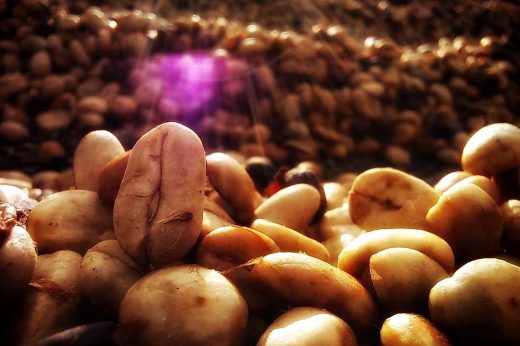
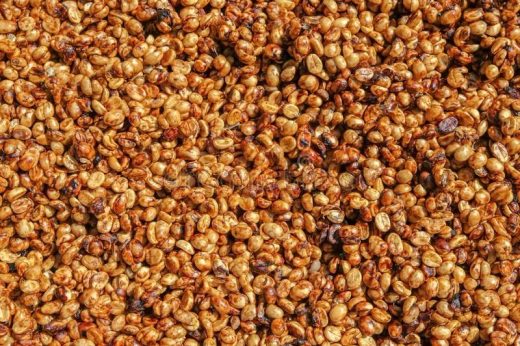
This Blue Sapphire uses a mix of Caturra and Catuai, with coffee cherries hand-selected for qualifying sweetness, first sun-dried for 10 days on African raised beds, then moved into plastic film-covered greenhouses to intensify heat drying, with moisture content ultimately controlled precisely at 11.5%. Unlike the rapid dehydration of conventional natural processing, this low-temperature slow-drying process (ambient temperature kept below 30°C throughout) prompts continuous fermentation inside the fruit, forming complex aromas reminiscent of fruit cake, brown sugar and sherry.
Pour-over parameter suggestions: medium-light roast beans with 91°C water (drop to 90°C if you want a stronger floral-fruity profile), a coffee-to-water ratio of 1:15-1:16, and a grind between 70-75% passing a Chinese standard No. 20 sieve (equivalent to fine granulated sugar particles). Use staged pouring during brewing—first pour 30 ml of hot water and bloom for 30 seconds, then pour in circles to 125 ml in stages, and in the final stage slightly increase the flow rate to avoid over-extraction. Keep total extraction time at 2 minutes 4 seconds ±5 seconds for best results.
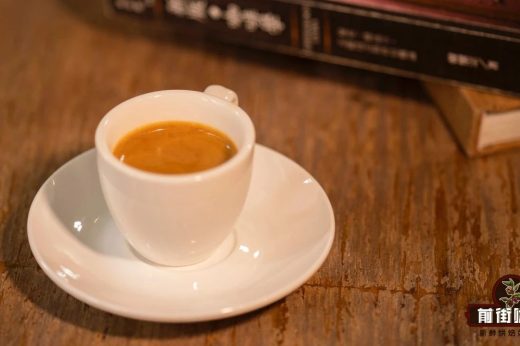
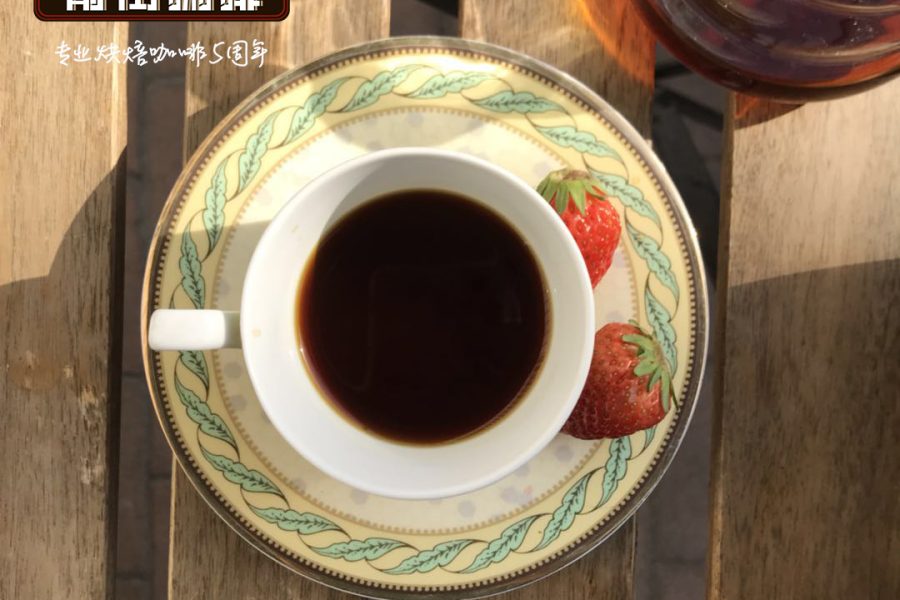
In terms of flavor, the dry aroma already shows rich fermented fruit and a slight boozy note, with honey sweetness especially prominent after grinding. The first sip brings soft berry acidity, accompanied by a dense body and a clear cocoa finish; as the temperature drops slightly, rose florals and a minty coolness gradually emerge, though the latter requires focused attention rather than being a strong impression. The lingering liqueur-chocolate character and the clean, impurity-free layers of flavor in the finish confirm its high SHB-grade quality.
Common brewing pitfalls include: water that is too hot easily brings out sharp acidity (above 93°C turns the floral-fruity profile bitter), and grinding too fine easily triggers over-extracted cardboard flavors. A thick-walled V60 dripper is recommended to improve flow stability; if brewing into a server, appropriately extend the bloom time to 45 seconds to compensate for heat loss. The bean's optimal flavor window is 7-21 days after roasting, and it should be stored sealed, away from light, in a cool place.