Costa Rica Bahía Coffee Review: Raisin Honey Flavor and Pour-Over Guide

Introduction: An in-depth analysis of the unique flavor of the Musician Series Bahía coffee beans from Costa Rica's Tarrazú region, from the raisin honey processing method to a professional pour-over recipe. This article covers the region's altitude advantages, the characteristics of the Caturra variety, the technical details of honey processing, and provides precise grind size and water temperature parameters to help you fully experience this specialty coffee with its sausage-like fermented aroma.
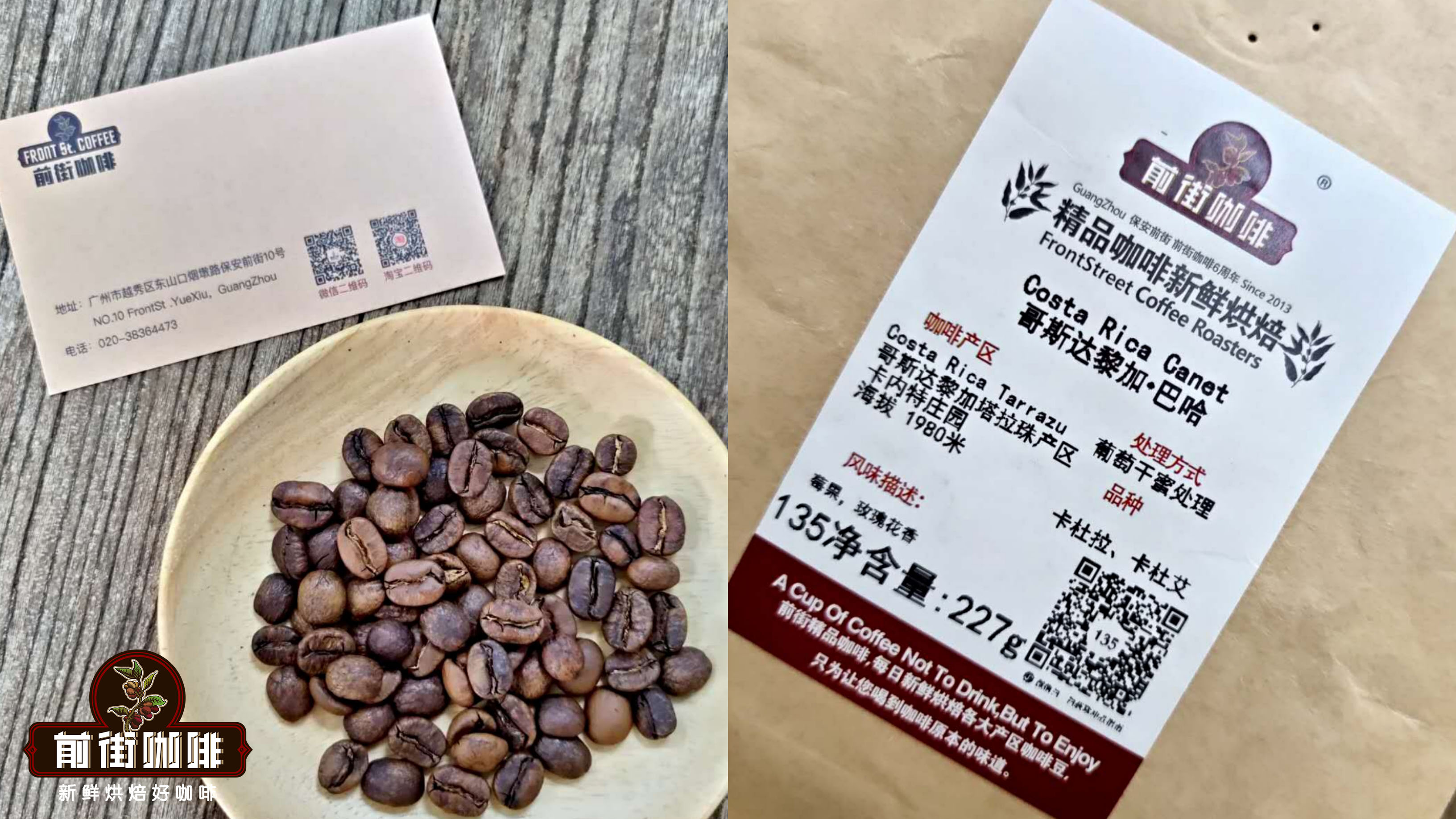
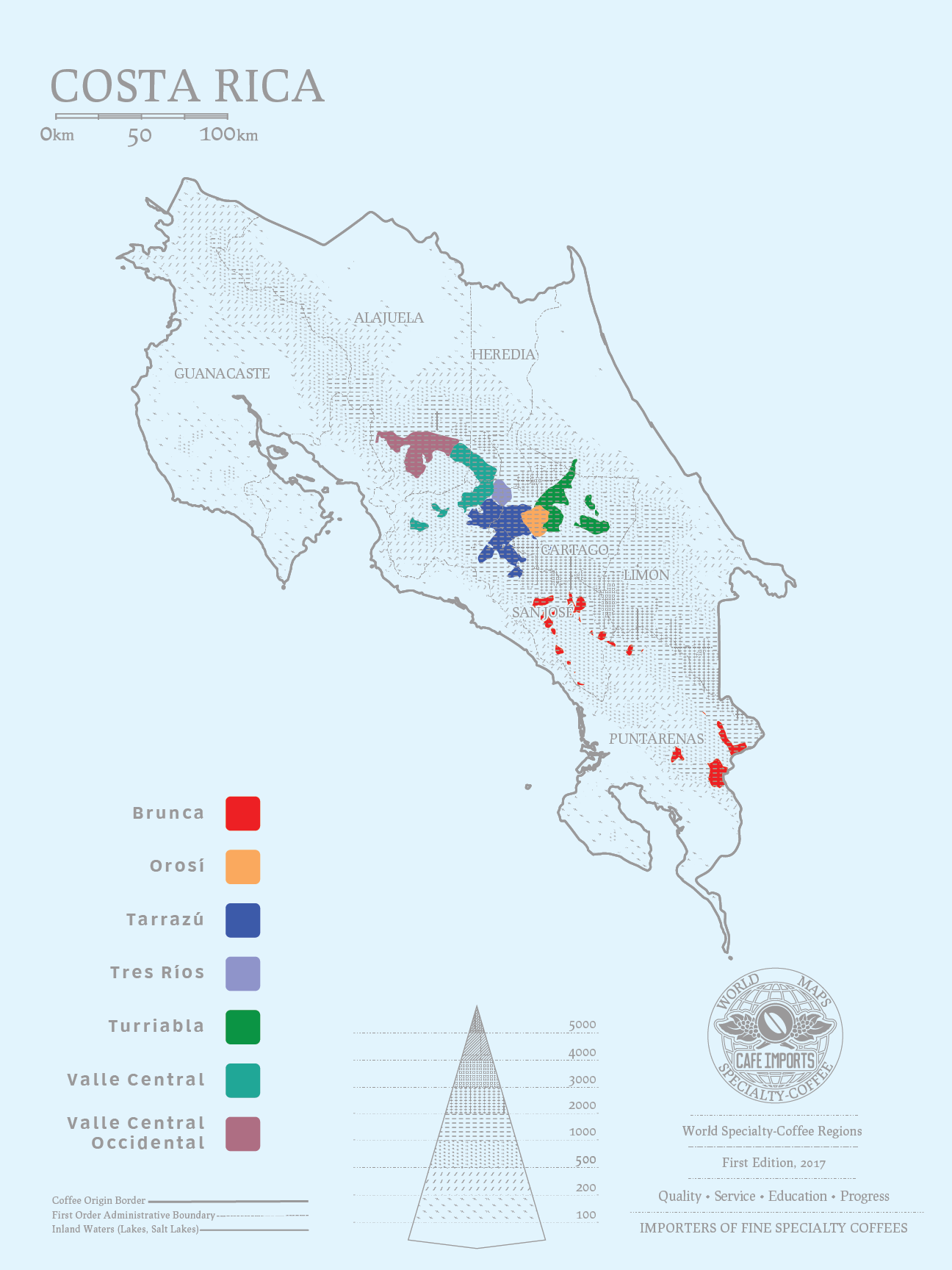
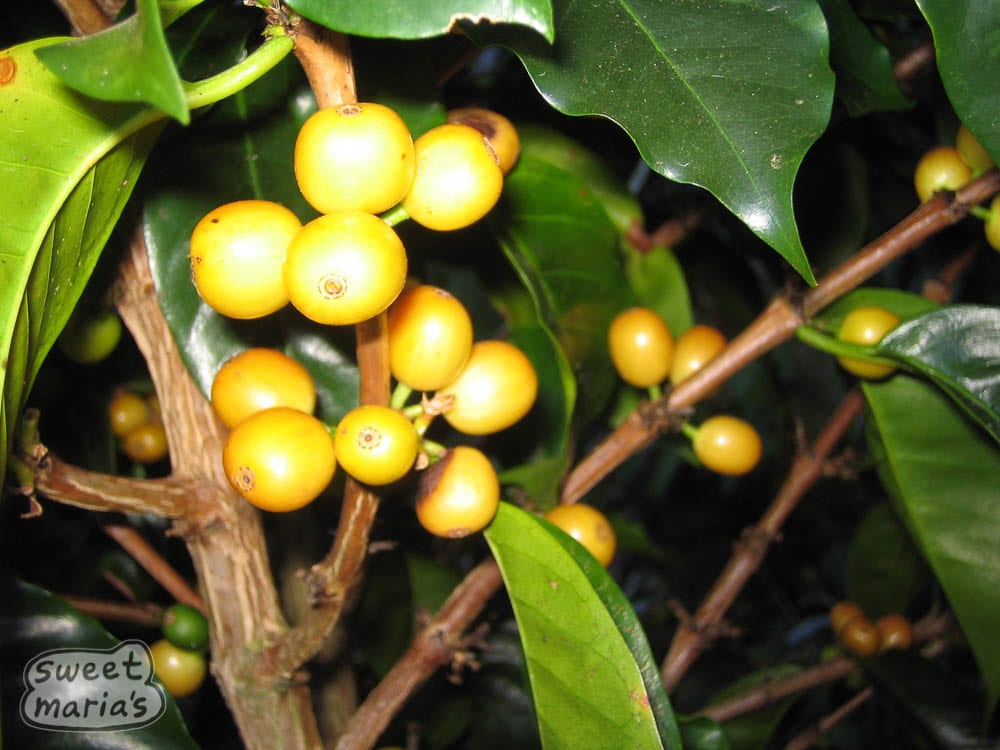
Among Costa Rica's many coffee regions, Tarrazú is known for coffee nurtured by its high-altitude volcanic soils. Among these, the Musician Series Bahía coffee beans, thanks to a special raisin honey process, present a unique fermented aroma reminiscent of Cantonese sausage—a contrasting combination that often surprises first-time tasters. The beans are grown at the 1,950-meter Canet Estate, using the SHB-grade Caturra variety, and the honey process, which retains all the mucilage, reinforces the layers of sweetness.
Costa Rica's unique geography makes it a cradle of specialty coffee. The convergence of Pacific and Atlantic air currents, combined with 2,000-meter volcanic terrain, creates growing conditions with significant day-night temperature differences. Coffee cherries ripen slowly in the fertile volcanic ash, accumulating richer flavor compounds. Notably, the micro-mills that have emerged locally in recent years use water-saving honey processing technology that consumes only 5% of the water used in traditional washing, yet produces coffee beans with soft acidity and prominent sweetness.
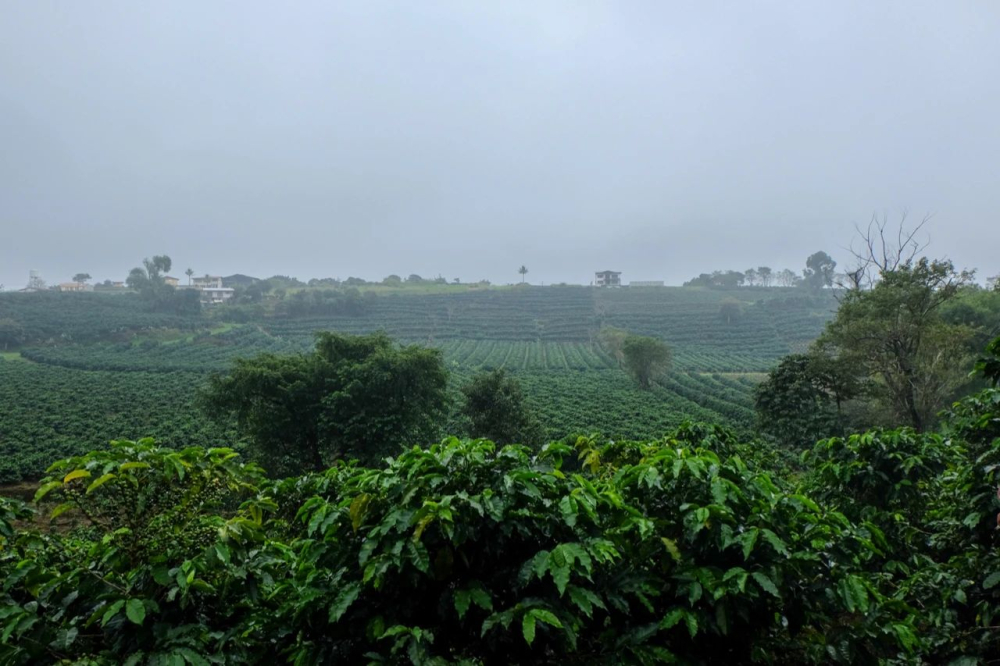
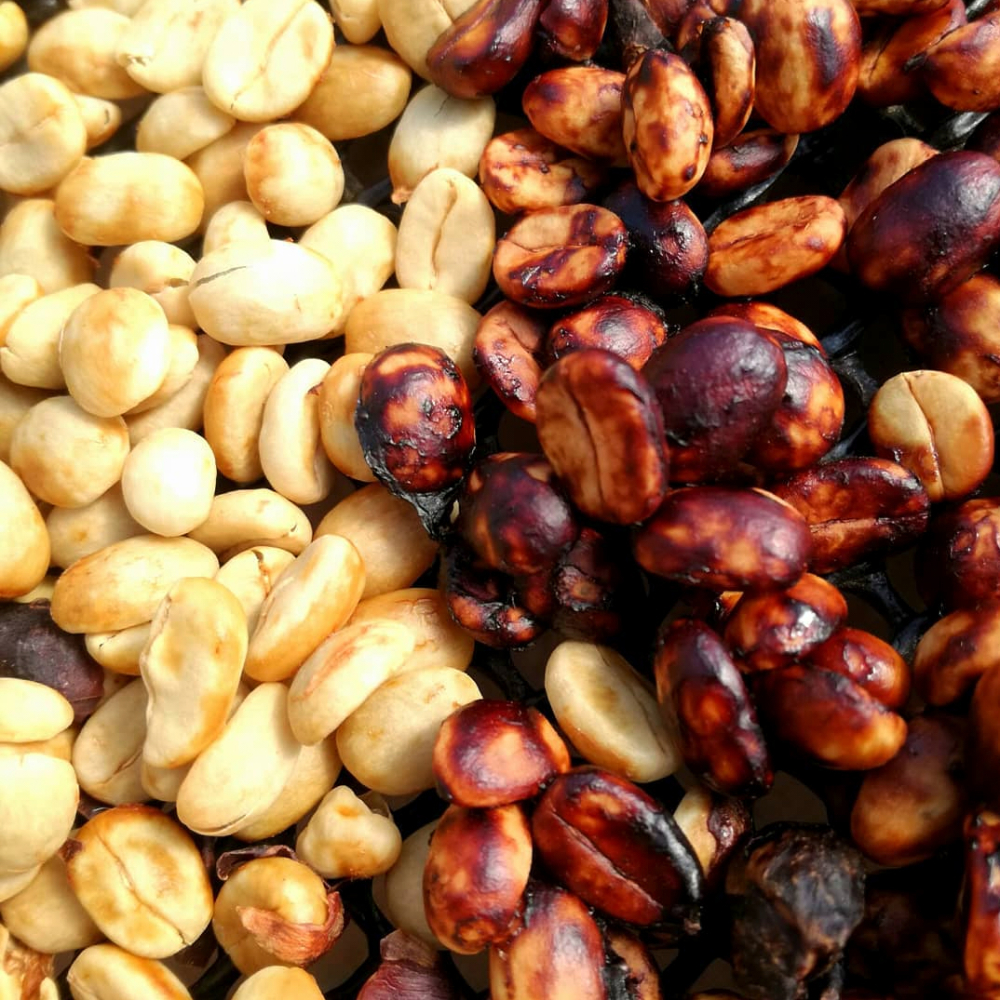
The core characteristic of Bahía coffee beans stems from its raisin honey process. This method requires density grading immediately after harvest, then leaving the plump fruits to rest and dry for more than 3 days until the skin forms raisin-like wrinkles. The key control points are: during the first 3 days, turn the fruit 3-4 times daily to ensure even dehydration; after the skin naturally falls off, retain the complete mucilage layer for slow drying. The entire process requires close monitoring of temperature and humidity; under ideal conditions, the mucilage layer gradually transforms into a honey-like sweet aromatic base.
The Tarrazú region, as the calling card of Costa Rican coffee, has a history dating back two hundred years. The British royal family once gave special praise to coffee from this region, recognition closely tied to its consistent high quality. The area averages 1,800-2,000 meters in altitude, with mineral-rich volcanic rock soils, complemented by abundant annual rainfall of 1,500 mm, providing an ideal growing environment for coffee trees. Special tip: when buying Tarrazú coffee, it is advisable to prioritize products labeled "SHB Strictly Hard Bean," as such beans typically have brighter acidity and more complex flavors.
The Canet Estate, as the birthplace of the Musician Series, is special for the owner's love of classical music. The coffee-growing area at 1,950 meters is adjacent to a passion fruit orchard, and this mixed planting environment may have a subtle influence on the coffee's aroma. Only fully reddened, ripe fruits are selected at harvest, followed by a second sorting to remove defective beans. In processing, an exclusive mucilage-retention technique is used, precisely controlling the drying curve so that the final coffee presents its signature fermented fruit aroma and caramel finish.
The Caturra variety, a natural mutation of Brazil's Bourbon, has unique growing advantages. Its plants are only 2-3 meters tall and can grow healthily without shade, making it an ideal choice for high-altitude areas. When grown above 1,700 meters, Caturra develops more complex aromatic compounds, but yields decrease accordingly. Professional advice: when brewing Caturra, appropriately extending the bloom time helps awaken its citrus notes; it is recommended to wait 45 seconds after the initial pour before continuing.
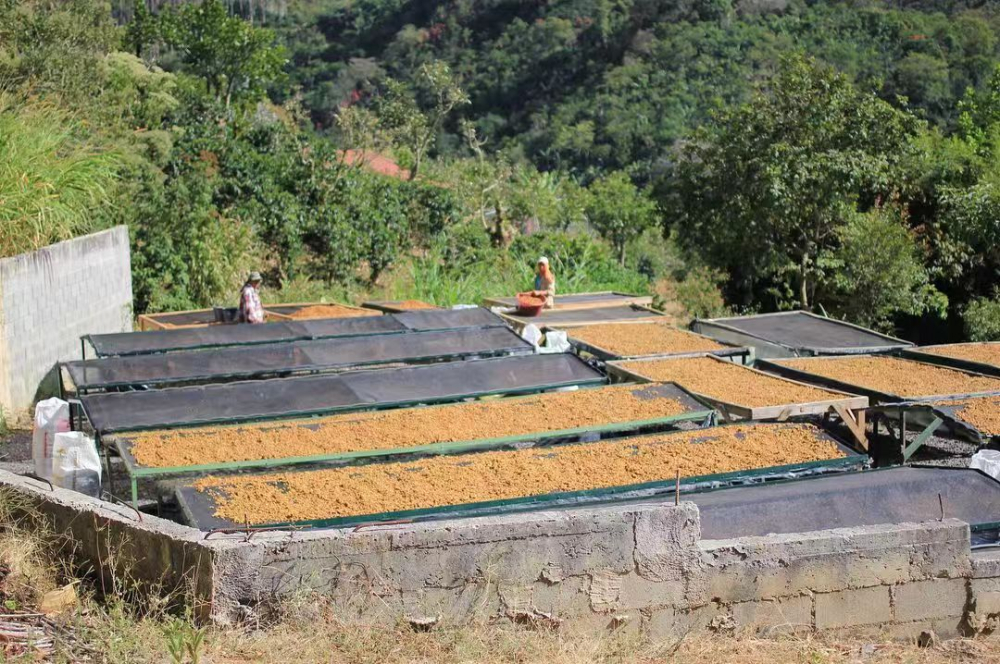
The essence of the raisin honey process lies in precise time management. On the day of harvest, floatation is used to remove defective fruits, after which the high-quality coffee cherries are placed on well-ventilated raised beds to dry. Key operations during the first 3 days include: turning once each morning and evening, keeping the fruits spaced to prevent sticking. Only after the skin shows obvious shriveling (resembling the appearance of raisins) can depulping while retaining mucilage proceed. The drying stage must be adjusted according to the weather: turn once every 2 hours on sunny days; on rainy days, move indoors and use dehumidifying equipment to keep moisture content steady in the 11-12% range.
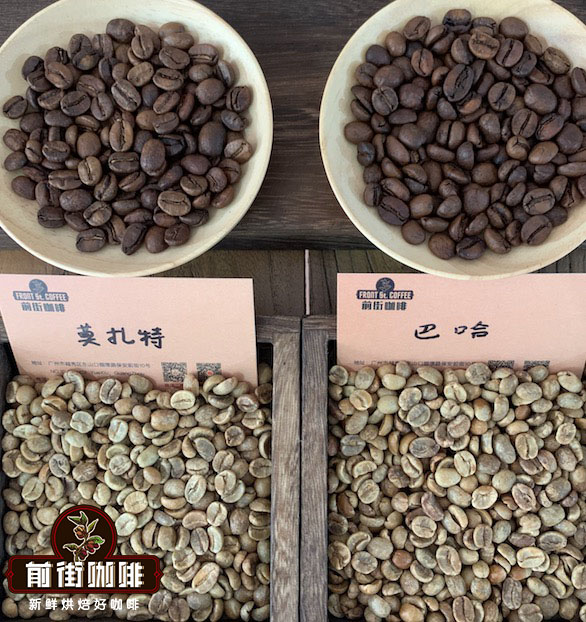
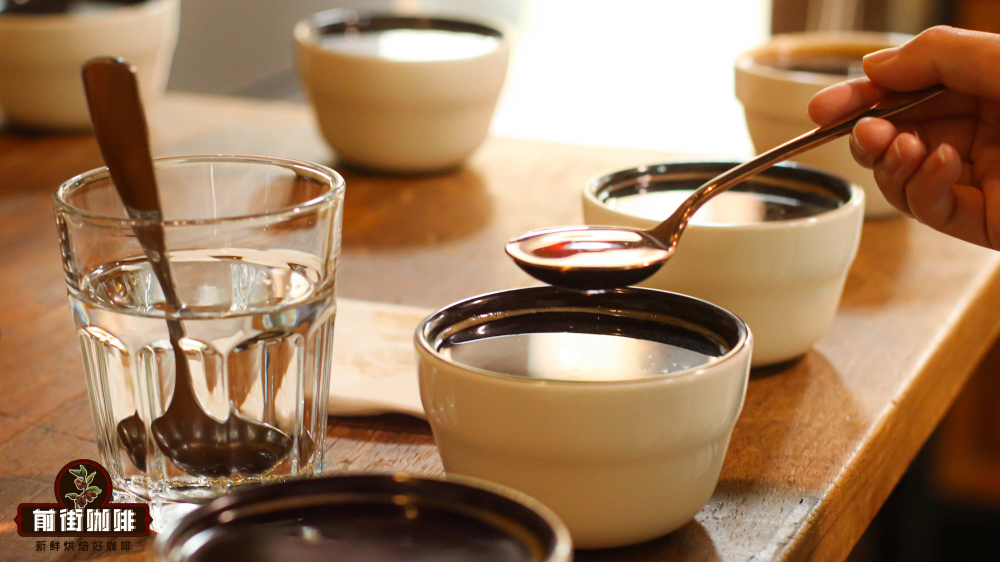
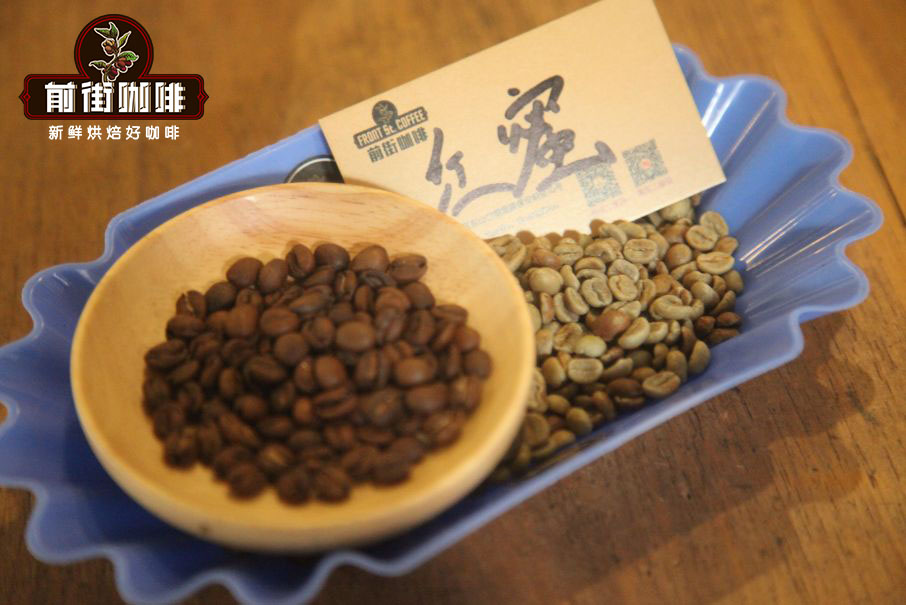
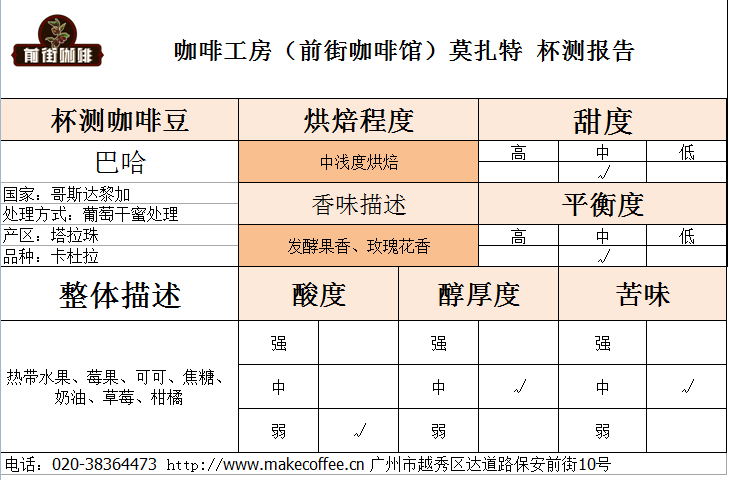
The honey process characteristics can be identified from the appearance of the green beans: Bahía coffee beans show an even yellow-green color with a thin layer of mucilage on the surface. Professional cupping shows that the dry aroma carries distinct rose floral and wild berry notes, while the wet aroma transforms into rich fermented fruit and deep black chocolate. After brewing, the flavor layers unfold as: bright berry acidity up front, a creamy silky mid-palate, and a lingering finish of caramel sweetness and delicate floral aftertaste. This flavor structure makes it particularly suitable for pairing with cheese or dark chocolate desserts.
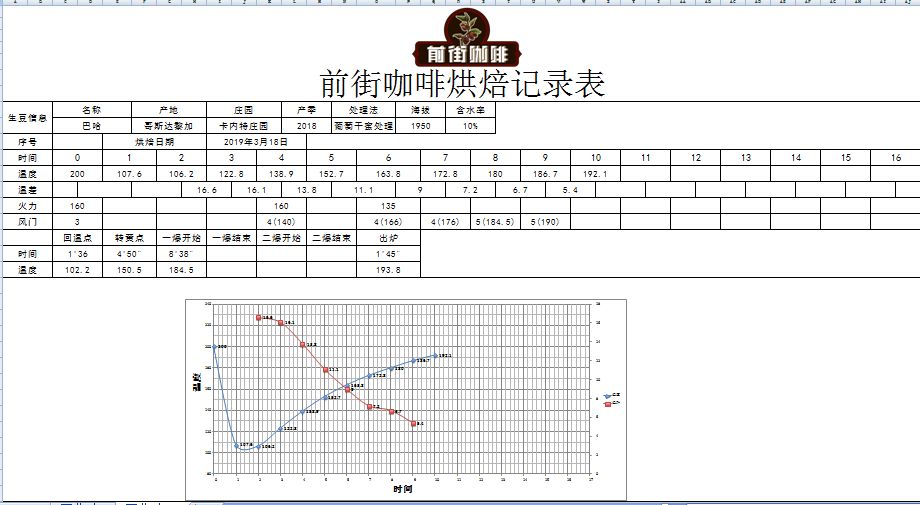
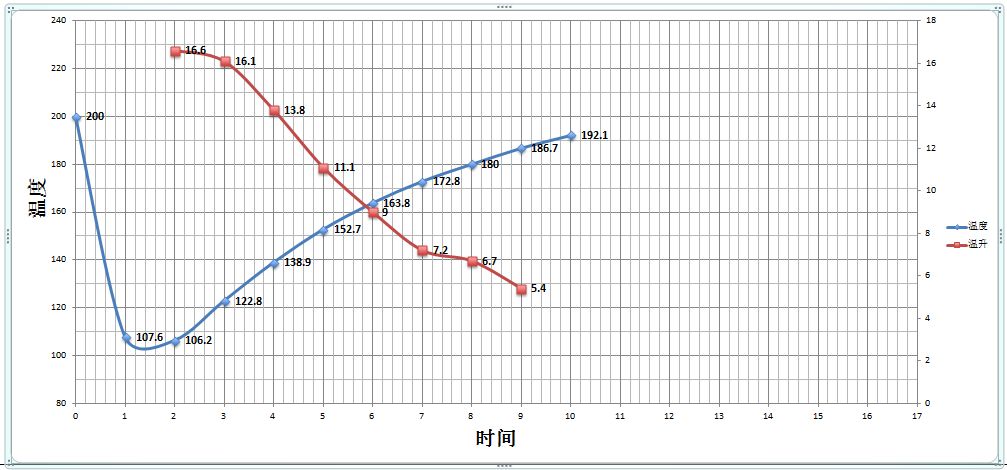
The roast curve design directly affects the flavor expression of honey-processed coffee. When using a semi-direct-fire roaster, a medium roast level (Agtron about 55-60) is recommended. Specific parameters for reference: charge at an initial drum temperature of 200°C, maintain high heat before 160°C to promote the Maillard reaction; during the yellowing stage (140-160°C), gradually reduce heat to 135°C and open the damper fully to promote moisture evaporation; after first crack begins (about 193°C), extend development time by 1 minute 45 seconds so the mucilage sweetness fully integrates. Special note: honey-processed beans scorch more easily than washed beans, so the rate of temperature rise after first crack must be strictly controlled.
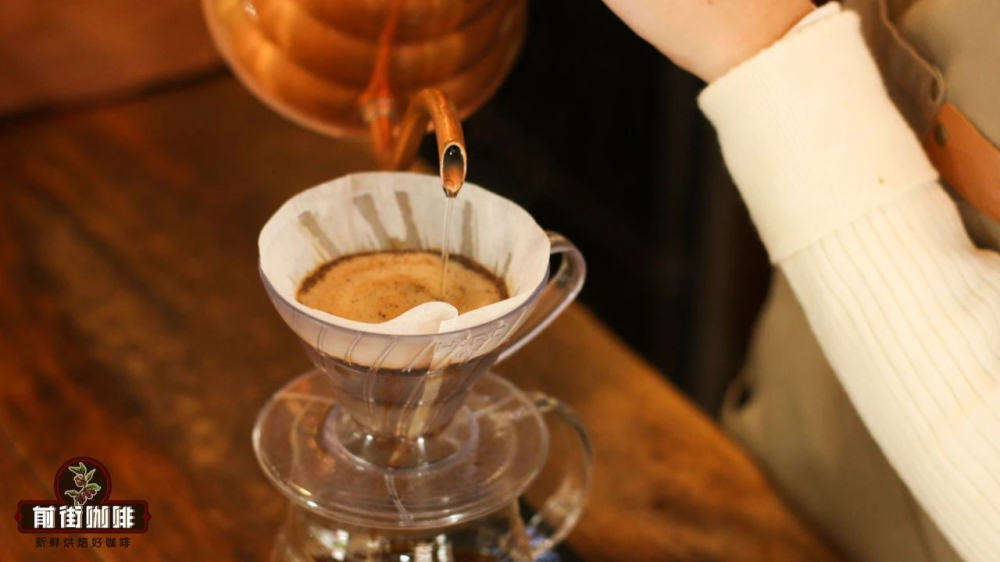
For the professional pour-over recipe, a V60 dripper is recommended for optimal flavor extraction. Key parameters: 15 g coffee to 225 ml water (1:15 coffee-to-water ratio), fine grind with 80% passing a Chinese standard No. 20 sieve (roughly equivalent to 70% passing a Japanese standard No. 20 sieve). Staged extraction steps: first bloom with 30 g water for 30 seconds to activate the aroma; then pour from the center to 125 g in stages, keeping the flow steady; finally pour with a strong stream to 225 g to complete extraction, with total time controlled within 2 minutes 10 seconds. Important tip: use freshly roasted coffee beans (7-14 days after roasting is recommended), and complete brewing within 15 minutes of grinding to ensure the best flavor.
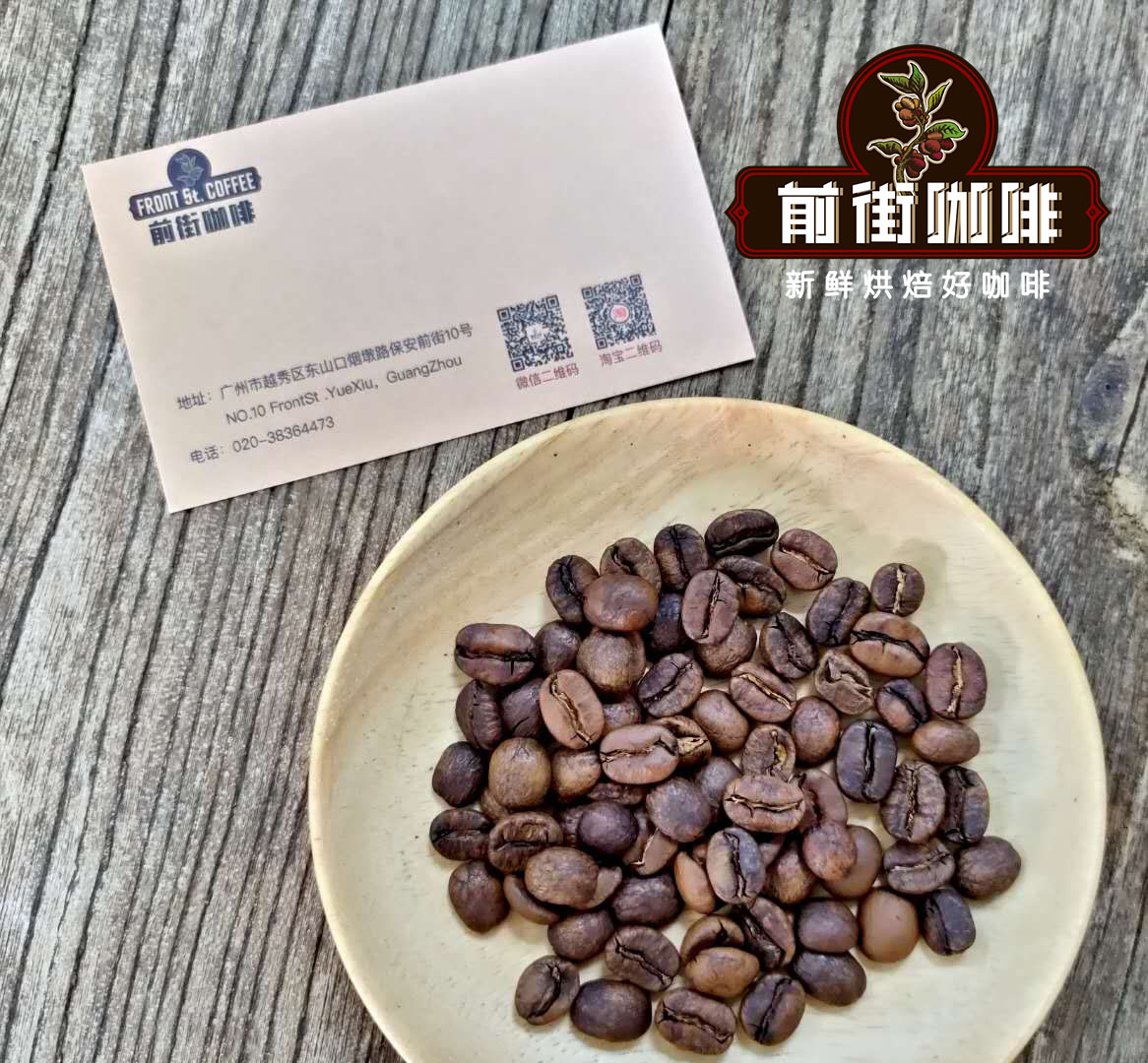
For flavor tasting, cupping standards are recommended: during the dry aroma stage, distinct fermented wine and tropical fruit notes can be detected; the wet aroma transforms into the sweet scents of dark chocolate and caramel; on the palate, bright berry acidity is felt first, followed by a creamy, full-bodied texture, with a lingering finish of floral notes and caramel sweetness forming an elegant balance. Common brewing mistakes include: water temperature too high (above 92°C) causing sharp acidity, grinding too fine easily producing bitter over-extraction, and uneven pouring speed affecting the expression of flavor layers.
For storage: unopened coffee beans should be kept in a light-proof, sealed container, with ambient humidity of 40-50% recommended. Ground coffee should be used within 15 minutes, as prolonged exposure to air causes rapid loss of aroma. Professional advice: choose small packages of 100-200 g at purchase to ensure you finish them within the optimal flavor period (usually within 21 days of roasting). For flavors you particularly enjoy, record your brewing parameter combinations; adjusting water temperature by 1-2°C between seasons can significantly affect flavor expression.
The uniqueness of these Bahía coffee beans lies in the harmonious unity of contradictory flavors: there is both the rich fermented character reminiscent of sausage and the fresh brightness coffee should have. Its success lies in the precise control of mucilage retention during honey processing, and the natural acidity balance brought by high-altitude growing. Advanced enthusiasts are advised to try adjusting brewing parameters: a coarser grind highlights citrus notes, while lower water temperature strengthens nutty flavors; find your preferred combination through small-batch experiments.
In summary, the Bahía coffee beans from Costa Rica's Tarrazú region represent a typical achievement of honey processing technology. From the Caturra variety nurtured by volcanic soil to the complex processing that retains all the mucilage, every step influences the flavor expression in the final cup. For coffee lovers seeking unique flavors, this specialty bean with its fermented character is worth exploring in depth; its rich layers and consistent quality make it an ideal choice for daily tasting and sharing with friends.