Colombia Cauca Double Anaerobic Coffee: Flavor and Processing Guide
Introduction: A close look at specialty coffee beans from Colombia's Cauca region processed with double anaerobic fermentation—from the Bourbon variety grown at 2,050 meters to layered flavors of honey, cinnamon and tropical fruit—revealing how this innovative processing method creates a cup with high cleanliness and a long finish. This article covers the growing environment, processing parameters and cupping characteristics, offering coffee lovers a professional reference for buying and brewing.
In Colombia's southern Cauca region at 2,050 meters, the high-altitude cloud and mist environment and the temperature difference between day and night create ideal conditions for coffee trees. The Bourbon variety beans produced here, processed with double anaerobic fermentation, show a sweet base of honey and cinnamon, accompanied by intense floral aromas and tropical fruit flavors such as pineapple and mango, with a finish carrying the mellow depth of aged rum; overall cleanliness stands out and the texture is as creamy as a strawberry cheesecake.
The birth of this distinctive flavor comes from the experimental double anaerobic method developed by farm owner Diego. Take the [Double Anaerobic Rose Tea Lot Rosa Té] as an example: its process has two core stages—first, whole red cherries with the shell on are placed in a sealed container for 24 hours of whole-fruit anaerobic fermentation, then the skin is removed and a 36-hour fermentation with the pulp follows. In practice, the first fermentation stage lasted 28 hours and the second was extended to 40 hours, with flavor development guided by precisely controlling temperature and pressure changes inside the fermentation vessel.
The drying stage likewise uses staged parameter adjustments—early on, moisture is removed slowly at a lower temperature, and later the temperature is gradually raised to ensure even drying. Throughout processing, the choice of fermentation vessel material and temperature monitoring are crucial; any slight fluctuation can affect the balance of the final flavor. This complex process led the farm's coffee to place 10th in the Land of Diversity competition held by the Colombian National Coffee Growers Federation in 2018, setting what was then the highest national record for the standard gold price.
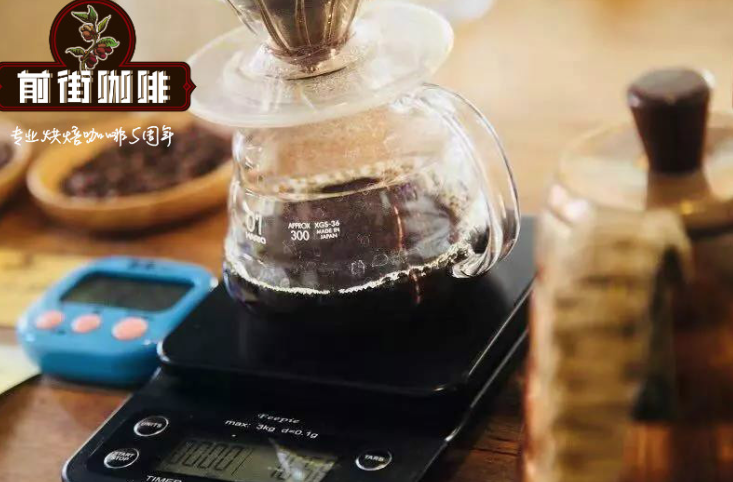
For coffee lovers, this double anaerobically processed Cauca coffee has clear tasting characteristics: on the first sip, bright citrus notes are captured; in the middle, a complex aroma of rose tea and caramel emerges; in the latter part, the sweetness of tropical fruit and a soft lactic finish appear. Brewing with a V60 dripper at 92°C and a 1:15 coffee-to-water ratio better presents its layers; when pouring, use staged extraction to avoid the astringency caused by over-extraction.
The region's special microclimate—annual rainfall of 2,000 mm combined with the rich minerals of volcanic soil—allows the coffee fruit to accumulate ample sugars and acidity. Double anaerobic fermentation, by controlling microbial activity in the anaerobic environment, transforms fermentation by-products that might otherwise be rough into delicate flavor compounds; this is the key technique that distinguishes it from traditional washed or natural processing.


