Colombia Las Nubes Geisha Honey Process: Flavor and Farming Story
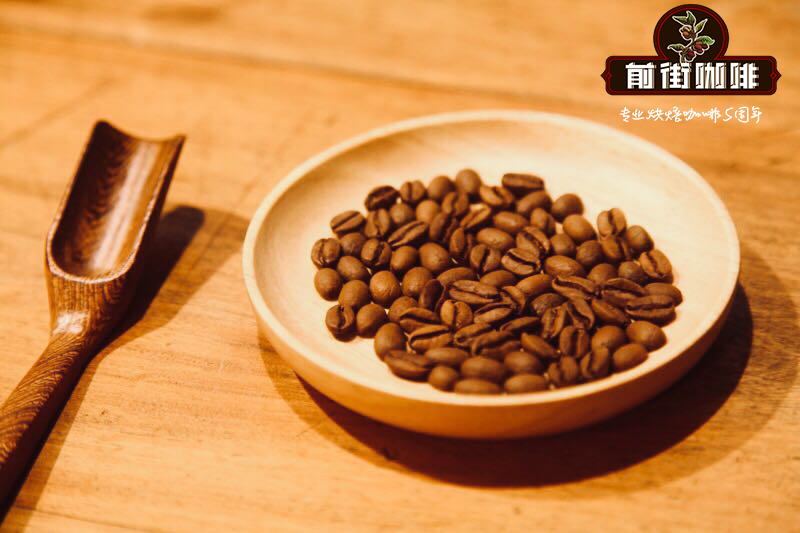
Introduction: This honey-processed Geisha coffee from Las Nubes in Colombia's Cauca region is grown at 1,750–2,000 m, and the honey process gives it a distinctive sweetness. This article details the full journey from variety selection to processing technique, reveals how the Geisha variety's flavors evolve at high altitude, and provides pour-over extraction parameters to help you understand this specialty coffee's unique appeal.
In the highlands of Colombia's Cauca department, at 1,750–2,000 m, Las Nubes farm cultivates the Geisha variety sought after by coffee lovers worldwide. This plantation, managed by veteran farm owner Camilo Merizalde, has focused on experimental coffee varieties since its founding in 2010; besides introducing the legendary Ethiopian variety Geisha, it also grows rare native varieties such as the Sudan Rume hybrid.
The farm's location is highly strategic—situated at the highest geographical point of the Cauca region, it enjoys panoramic views of Cali as well as a microclimate with significant day-night temperature differences. The growing area covers fertile red soil, and a scientific irrigation system provides an ideal environment for the coffee trees.Notably, the harvest standard is strictly controlled within a fruit sugar content range of 18–22%, the key prerequisite for achieving the desired sweetness after honey processing.
In 2014, Australian barista Sasa Sestic began collaborating with the farm, and his team's anaerobic fermentation experiments on the Sudan Rume variety achieved breakthrough results. By precisely controlling fermentation temperature and oxygen environment, they successfully enhanced the variety's characteristic toffee and milk candy flavor layers—a technique that later contributed significantly to the 2015 World Barista Championship. Although Geisha was not the direct subject of that experiment, the fermentation control experience the farm gained markedly improved the quality consistency of subsequent honey-processed Geisha lots.
On the practical details of the honey process: after the coffee cherries are depulped, part of the mucilage is retained, and they are then placed on African raised beds for drying. The drying process follows a strict four-hour turning cycle, with fan airflow regulation to keep moisture evaporation even. This semi-dry process preserves the sweetness brought by the pectin while avoiding the risk of over-fermentation, ultimately achieving a perfect balance of bright acidity and full body.
Las Nubes' Geisha cultivation history dates back to the farm's early days, when Camilo Merizalde selected several rare varieties from global coffee gene banks, including Geisha and Laurina. Geisha performed especially well—at high altitude, its signature jasmine and citrus notes are intensified, while a distinctive tea-like finish develops.For every 100 m increase in growing altitude, bean density and aromatic compound content increase by an average of about 3%–5%, which explains why Cauca Geisha is often described as having a "silky-smooth mouthfeel."
For coffee enthusiasts, the suggested pour-over parameters for this honey-processed Geisha are: a coffee-to-water ratio of 1:15–1:16, with a grind between medium-fine and fine (70%–75% passing a Chinese standard No. 20 sieve). For staged extraction, start with 90–92°C water for the early phase, then drop to 88°C for the later phase to highlight the sweetness layers. A common mistake is over-extending the brew time, which brings out bitterness; in practice, keep it within 2:10 to 2:30.
In terms of varietal characteristics, Geisha's stellar performance at Las Nubes is closely tied to its native environment. The similar latitudes of the Ethiopian highlands and Colombia's Cauca (6°N and 3°S), together with the farm's distinctive microclimate regulation, allow this variety, known for its floral and fruity aromas, to express a more multidimensional flavor structure.Cupping data confirms that compared with washed lots, honey-processed lots score an average of 15%–20% higher in sweetness, while acidity sharpness is reduced by 30%—this balance is precisely the core reason for its wide popularity.


