Pour-Over Essentials: 5 Ways to Judge Single-Origin Coffee Freshness
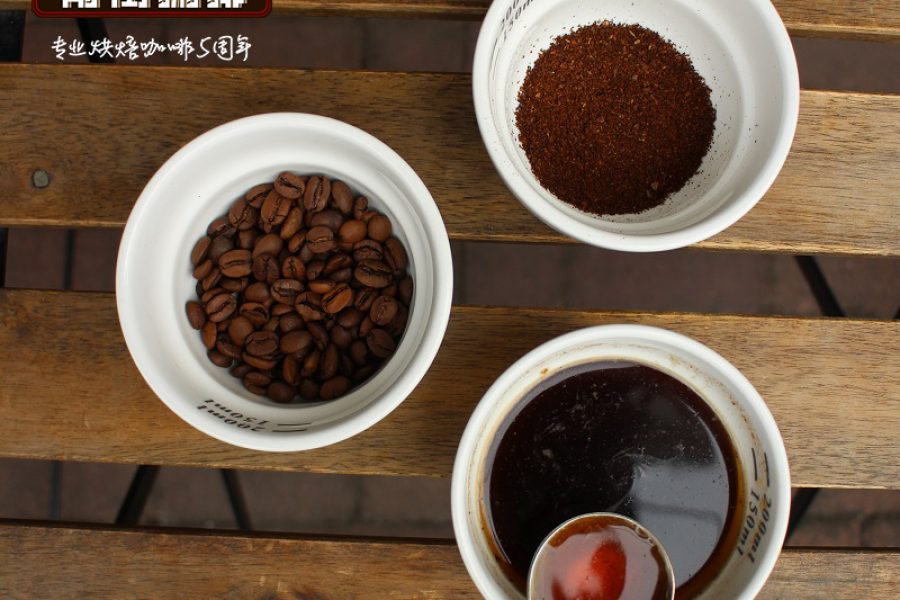
Introduction: Coffee freshness directly affects flavor, but many coffee enthusiasts don't know how to judge it scientifically. Starting from roasting principles, this article explains in detail how to assess coffee bean freshness through key indicators such as degassing, roast date and packaging design, and offers practical advice on the resting period to help you achieve the best extraction experience when brewing pour-over coffee.
The foundation of a good cup of coffee begins with fresh coffee beans. But how exactly do you tell whether coffee beans are at their peak flavor? From the moment roasting is complete, coffee beans begin a complex process of chemical change, in which the release of carbon dioxide and the preservation of aroma are especially critical.
Roasted coffee beans produce a large amount of carbon dioxide, and this degassing process, which lasts for several days, is called degassing. It is worth noting that overly active degassing hinders water penetration, leading to insufficient extraction. When you grind coffee, this process accelerates further—which is also why freshly ground coffee always has a particularly intense aroma.
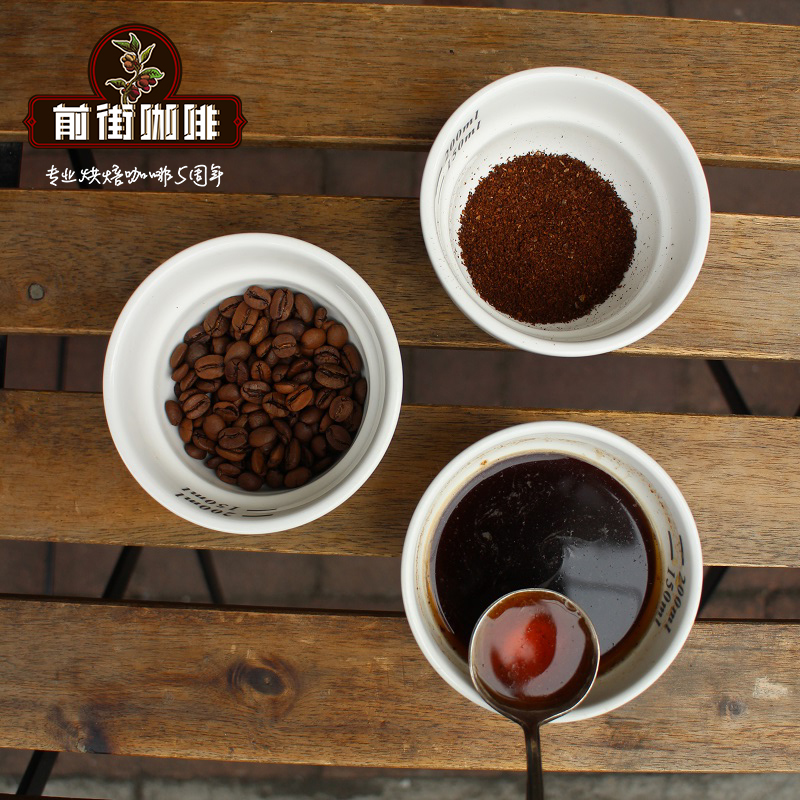
The roast date is the primary basis for judging freshness. Professional roasters generally recommend that the optimal flavor period is usually between 7 and 21 days after roasting; at this stage the beans have completed their resting period, and flavor compounds and carbon dioxide reach an ideal balance. After more than a month, although the beans may not necessarily have spoiled, **aromatic compounds will noticeably decline**, especially the volatile substances that give coffee its floral and fruity notes.
Packaging design plays a decisive role in preserving freshness. High-quality single-origin coffee packaging is always equipped with a one-way degassing valve, a special valve that allows carbon dioxide to escape while blocking oxygen from entering. Checking whether the bag is slightly puffed up is a simple way to judge—a slight bulge indicates normal degassing, while a completely flat bag may mean the packaging has failed. Note that vacuum packaging is not suitable for freshly roasted coffee beans, because it inhibits the necessary degassing process.
The actual experience of freshness can be perceived starting at the grinding stage: fresh beans release a strong, fresh aroma when ground, while stale beans often have a dull, vague aroma. During brewing, fresh coffee's crema (oil layer) will be richer and denser, **with distinct flavor layers and a clean finish**; conversely, stale coffee often shows a flat mouthfeel and a rapidly fading aftertaste.
Regarding the resting period, special attention is needed: dark-roasted beans, because they degas more vigorously, usually need a stabilization period of 10-14 days; light-roasted beans need about 7-10 days. But this timing is not absolute—**altitude, roasting differences and bean variety characteristics all affect the specific resting time**. It is recommended to buy in batches and record the brewing performance at different time points to find the flavor peak of that batch of beans.
Finally, a reminder: even beyond the optimal flavor period, as long as stored properly (away from light, sealed, in a cool place), coffee beans can still maintain basic quality for several months. But if you find oil spots on the beans (except dark-roasted beans), obvious off-flavors, or a dull sound when grinding, that is a signal to replace them with new beans. Remember, good coffee should awaken your sensory memory from the very first sip.


