Colombia Flower Moon Night and Rose Valley Pour-Over Beans: Anaerobic Processing Flavor Analysis and Extraction Guide

Introduction: This article provides an in-depth analysis of two specialty coffee beans from Colombia—Flower Moon Night and Rose Valley—both using innovative anaerobic processing techniques. It covers growing regions, variety characteristics, and processing methods to explain their flavor profiles, and offers professional pour-over parameters and practical tips to help you accurately present rich layers of flavors like strawberry jam and liqueur chocolate.

As the world's third-largest coffee producer, Colombia's Huila and Santander regions are renowned for their unique high-altitude microclimates and pioneering processing techniques. This article focuses on two Caturra coffee beans processed anaerobically, systematically presenting the flavor transformation logic from origin to cup, covering growing altitude, fermentation technology, and brewing methods.
Core Advantages of the Huila Region
Flower Moon Night coffee beans are produced at 1,800 meters above sea level at the Esvedor Gatin Farm in Huila Province. This area is located on the southern slopes of the Andes Mountains, with a diurnal temperature difference of over 10°C. The growing area above 1,500 meters produces full, Supremo-grade coffee beans. The local granite soil is rich in minerals, and with an average annual rainfall of 1,800 mm, it provides ideal growing conditions for the Caturra variety.
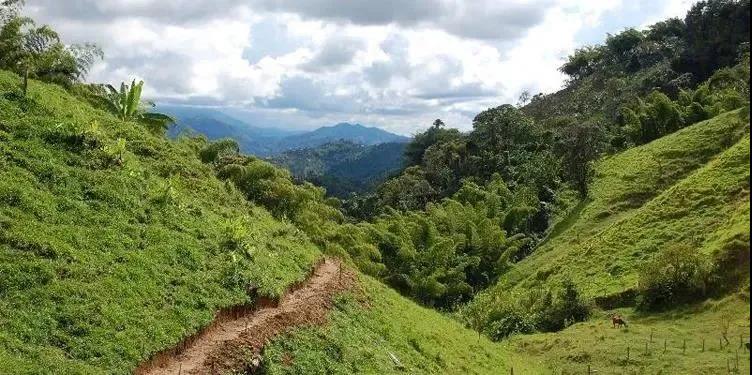
After taking over, fourth-generation operator Ramirez focused exclusively on growing the single Caturra variety. Compared to traditional Bourbon, Caturra at 1,800 meters altitude has an extended sugar accumulation period, naturally possessing a base of tropical fruit aromas such as pineapple and lychee, providing abundant substrates for subsequent anaerobic fermentation.
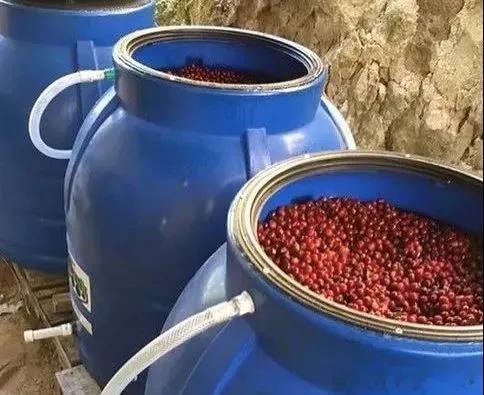
Detailed Anaerobic Natural Process
The so-called anaerobic natural process involves injecting carbon dioxide into sealed stainless steel tanks to displace oxygen, reducing the decomposition rate of pectin sugars by 40%-60%. Experimental data shows that in this environment, the pH value drops from 4.8 to 3.9 in 72 hours (conventional natural processing takes only 36 hours), promoting synergistic action between yeasts and lactic acid bacteria to produce more glycerol-like substances. After fermentation, the beans are sun-dried on raised beds, turned 3-4 times daily to ensure uniform drying to 11% moisture content.
Pour-Over Parameter Optimization Suggestions
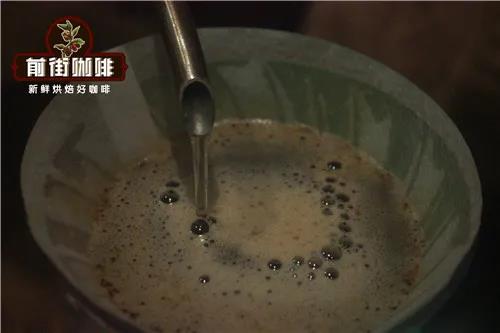
Given the full-bodied characteristics of anaerobic processing, a Hario V60 #01 dripper is recommended, with a medium-fine grind (77% passing through a No. 20 sieve). Specific plan: at 90°C water temperature, pour 30g of water over 15g of grounds and let bloom for 30 seconds to form a "hamburger" bed; at 50 seconds, pour to 125g, and when the water level drops to 2/3 of the bed, continue pouring to 225g, with total extraction time controlled at 1 minute 55 seconds. Note that the first pour should cover the entire bed to avoid localized over-extraction.

In terms of flavor, the dry aroma presents fermented notes of blueberry and ripe mango. The initial palate shows the clean sweetness of strawberry jam and the bright acidity of cranberry, transitioning to a full-bodied finish of liqueur chocolate. Common extraction mistakes include water temperature too high causing burnt bitterness (over 93°C) or grinding too fine causing over-extraction (brew ratio below 1:14).

Characteristics of the Rose Valley Region
The other coffee, Rose Valley, comes from the Big Tree Estate in Santander Province. The 1,700-meter altitude gives Caturra a brighter acidity. This region is located in northern Colombia, with volcanic soil rich in potassium, and an average annual sunshine duration of 2,200 hours, giving the fruit a natural berry tone. Estate owner Vargas insists on hand-sorting fully red cherries, rejecting up to 15% unripe green cherries.

Double Anaerobic Enzyme Washed Process
This process requires two anaerobic fermentations: the first is pectin fermentation at a constant 30°C for 24 hours, and the second involves adding a special enzyme group (including cellulase and hemicellulase) for another 18 hours. Compared to conventional washing, this process retains more floral and fruity aromatic substances while reducing tannic astringency. The drying stage uses African raised beds, turned 5 times daily, with strict control of average daily temperature not exceeding 35°C.
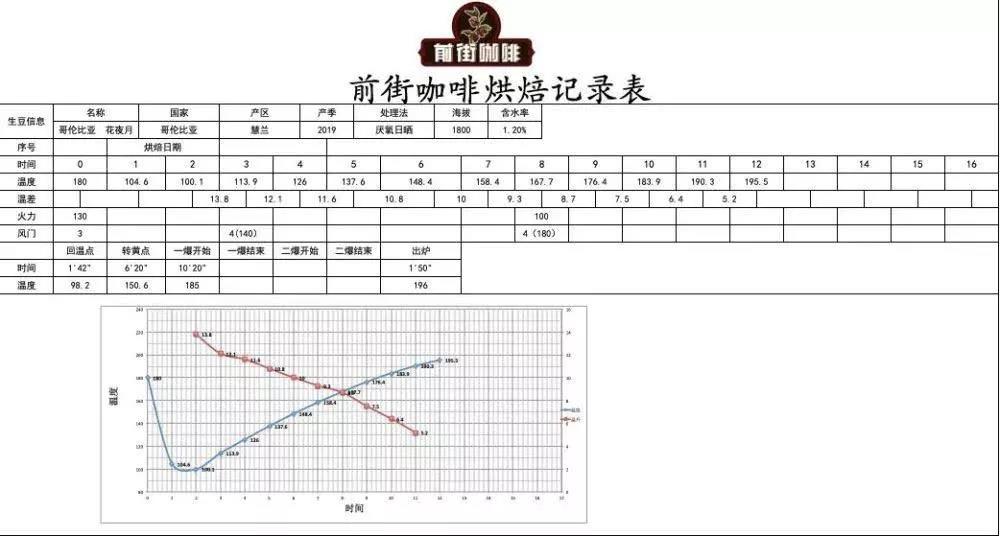
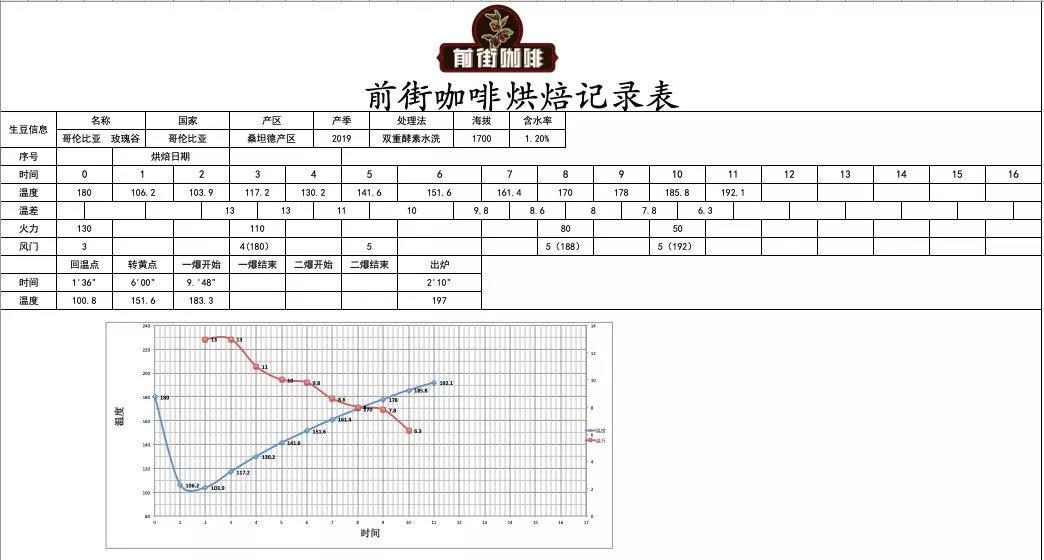
For roasting, a medium roast profile is recommended: Yangjia 800N model with 480g batch size, charged at 180°C, heating at 130 power, turning point controlled at 151.6°C (about 6 minutes), and when first crack starts at 188°C, increase airflow to fully open, completing the roast at 197°C. These parameters balance fruity acidity and caramelization, avoiding excessive development of smoky flavors.
The brewing parameters are similar to Flower Moon Night but emphasize acidity: also using a V60 dripper, but the second pour can be advanced to 50 seconds with 125g, and the third pour increased to 225g with total time compressed to 1 minute 50 seconds. Flavor characteristics include top notes of peach and rose, mid-palate of refined black grape sweetness and acidity, and a finish of creamy caramel texture, with overall cleanliness superior to traditional processing methods.
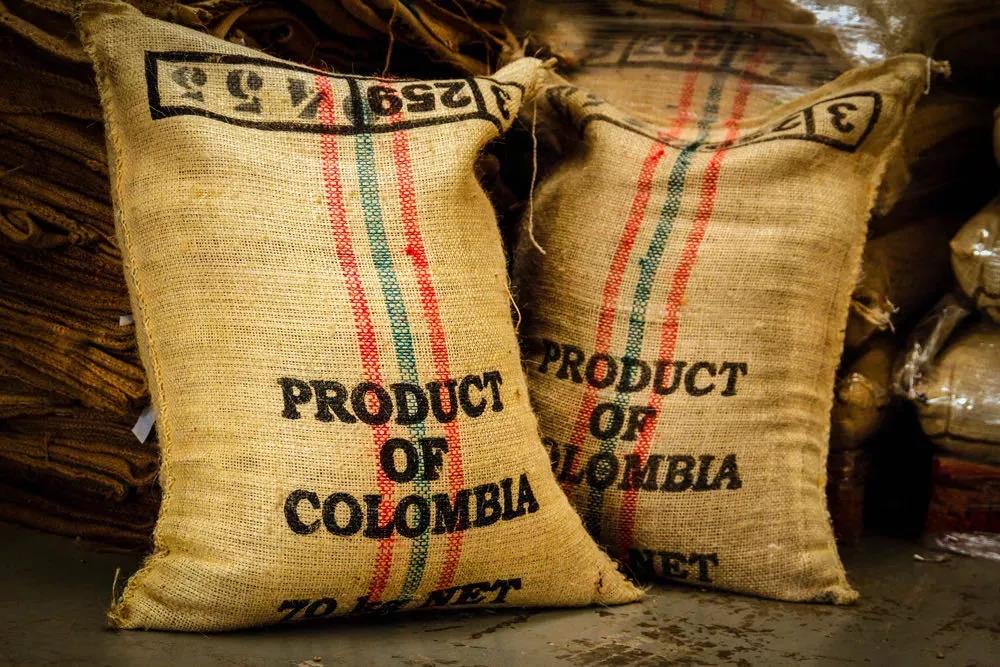
Consumers should note when purchasing: anaerobic processed bean bags usually indicate "Anaerobic" or "Double Fermentation," and the optimal enjoyment period is recommended within 10-25 days after roasting. Storage conditions should maintain humidity <50%, temperature 18-22°C, and avoid storing with strongly scented items such as spices.
These two coffees represent Colombia's breakthroughs in special processing techniques—by precisely controlling the microbial environment, regional flavor characteristics are transformed into perceptible taste experiences. Whether you are an advanced enthusiast seeking complex layers or a beginner hoping to explore processing differences, you can derive unique tasting pleasure from them.


