How Colombian Decaf Beans Lose Caffeine: Swiss Water Process and Flavor Guide
Introduction: Want to know how decaf coffee removes caffeine without losing flavor? This article focuses on Colombian Supremo Swiss Water Process decaf coffee beans, detailing their signature roasted hazelnut and dark chocolate flavors, and takes a deep look at how the Swiss Water Process uses activated carbon filtration to precisely remove caffeine while preserving a full-bodied mouthfeel. Whether you are a coffee enthusiast or a professional, you can gain key knowledge about decaf beans and brewing references here.
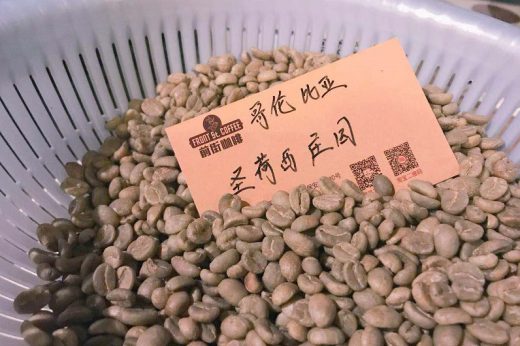
Colombian Supremo Swiss Water Process decaf coffee beans are medium-dark roasted, presenting an alluring roasted hazelnut aroma and a gentle dark chocolate bitterness, with an overall full body and low acidity, resembling the rich layers of traditional dark-roasted coffee without the high caffeine stimulation of regular coffee. This type of decaf bean is especially suited to consumers who are sensitive to caffeine but unwilling to sacrifice flavor, making it easier to enjoy both for daily alertness and in the evening.
The flavor core of these coffee beans comes from the Swiss Water Process, an efficient and environmentally friendly commercial decaffeination technology. Its greatest advantage is that it can precisely remove caffeine while barely damaging the coffee's original flavor factors, thereby preserving the coffee's regional character and rich aroma. So how exactly is this process carried out?
The entire Swiss Water Process is divided into two main stages. First, high-quality green coffee beans are selected and soaked in hot water. This step allows the hot water to fully extract all water-soluble substances from the beans, including flavor compounds and caffeine. It is worth noting that this first batch of "first-brew" green beans is discarded after releasing its flavor; its mission is to provide a "flavor template" for subsequent processing.
Next, the hot water containing all the flavor factors and caffeine flows through a specially made activated carbon filter. Activated carbon has strong adsorption capacity and can selectively filter out caffeine molecules while retaining sugars, acids, aromatic esters and other flavor components. After this filtration, the original hot water is transformed into "flavor-charged water" rich in various flavor factors but free of caffeine. This water is the key medium in the subsequent decaffeination process.
Afterward, a new batch of green coffee beans to be processed is placed into this vat of flavor-charged water to soak. Because the water is already saturated with various flavor substances, the flavor factors in the beans are hardly dissolved out again, but caffeine continues to be released because there is no "competition" in the water. This clever design ensures that the main body of the coffee's flavor is fully preserved while caffeine is effectively removed.
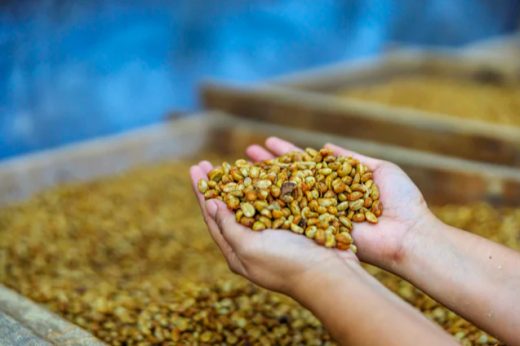
After soaking for a certain period, the caffeine content in the green coffee beans is greatly reduced, meeting international decaf coffee standards (typically less than 0.1% caffeine content per cup). These decaf green beans are then quickly dried for subsequent storage or roasting. The flavor-charged water that has absorbed caffeine then enters the activated carbon filtration stage again and is recycled, achieving both high efficiency and environmental protection.
Throughout the process, water temperature, soaking time and the frequency of activated carbon replacement are all important parameters affecting the final flavor and decaffeination effect. Professional processing plants usually strictly control these variables to ensure consistent quality in every batch of decaf coffee beans. In addition, compared with chemical solvent methods, the Swiss Water Process is more natural and introduces no additional chemicals, making it more suitable for consumers who pursue health and environmental protection.
For coffee enthusiasts, understanding these process details not only helps in selecting high-quality decaf coffee beans but also allows better adjustment of parameters during brewing. For example, medium-dark roasted decaf beans are suitable for a water temperature of 92-94°C, with a grind size close to medium-fine; for pour-over, segmented pouring is recommended to fully bring out the layers of roasted hazelnut and dark chocolate.
Overall, with its characteristics of high retention and low loss, the Swiss Water Process has become one of the mainstream processes in the global decaf coffee market, and Colombian Supremo decaf beans are a representative example. If you are looking for a bean that meets decaf needs without losing the true flavor of coffee, you might start with this one and experience a different decaf coffee journey.