Yirgacheffe Cold Brew: Grind, Ratio, and Flavor Guide
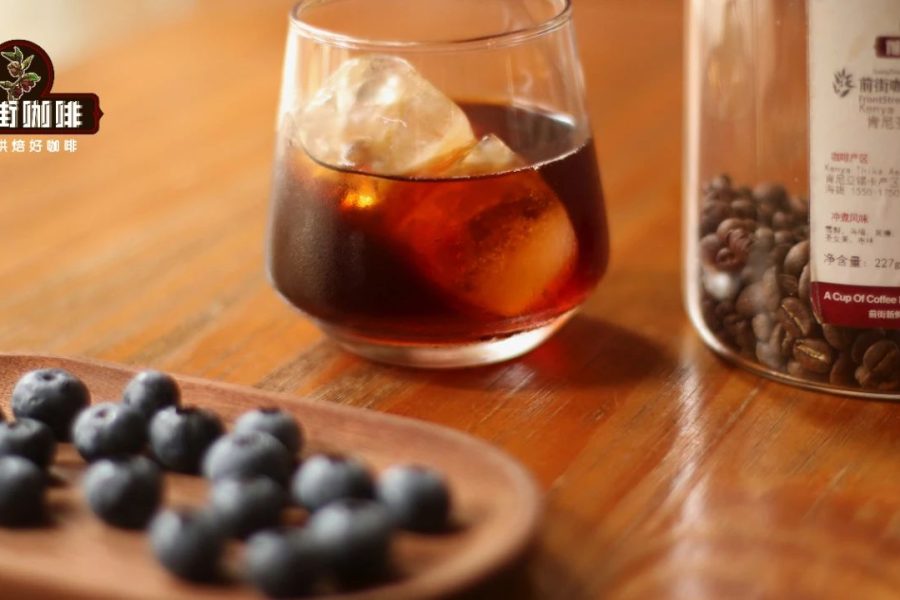
Introduction: With its refreshing, low-irritation mouthfeel, cold brew coffee has become the first choice of coffee lovers in summer. This article focuses on coffee beans from the Yirgacheffe region, explaining in detail the core parameters of the cold brew process—from grind coarseness and coffee-to-water ratio to steeping time—and compares the flavor differences brought by different roast levels. Master these key details, and you too can brew a layered, ice-cold coffee at home.

On the iced-drink menus of specialty coffee shops, cold brew coffee often holds its place with a clear, bright color and balanced sweet-tartness. This coffee, extracted by long steeping in cold water, has the release of bitter large molecules inhibited by the low-temperature environment, and instead retains the floral and fruity acidity and fresh flavors of the beans more completely, ultimately presenting a memorable vinous aroma and sweet finish.

The core principle of cold brew is low-temperature slow extraction—typically using 4-8°C cold water in contact with coffee grounds for 12-24 hours; this gentle extraction method allows precise control of the flavor direction. Compared with the tannin-type bitter substances easily released by high-temperature brewing, cold water is better at extracting citric acid, malic acid, and volatile aromatic compounds from the coffee, making the final product clean and bright with significantly reduced bitterness.

If medium-dark roasted beans are chosen (such as the dark roasts common in espresso blends), cold brew often shows pronounced caramelized sweetness and low acidity, but may have a dull finish due to over-extraction. Such beans suit drinkers seeking a full-bodied mouthfeel—for example, some Golden Mandheling or Indonesian-origin varieties, whose nutty and chocolate finish from roasting becomes more prominent after cold brewing.
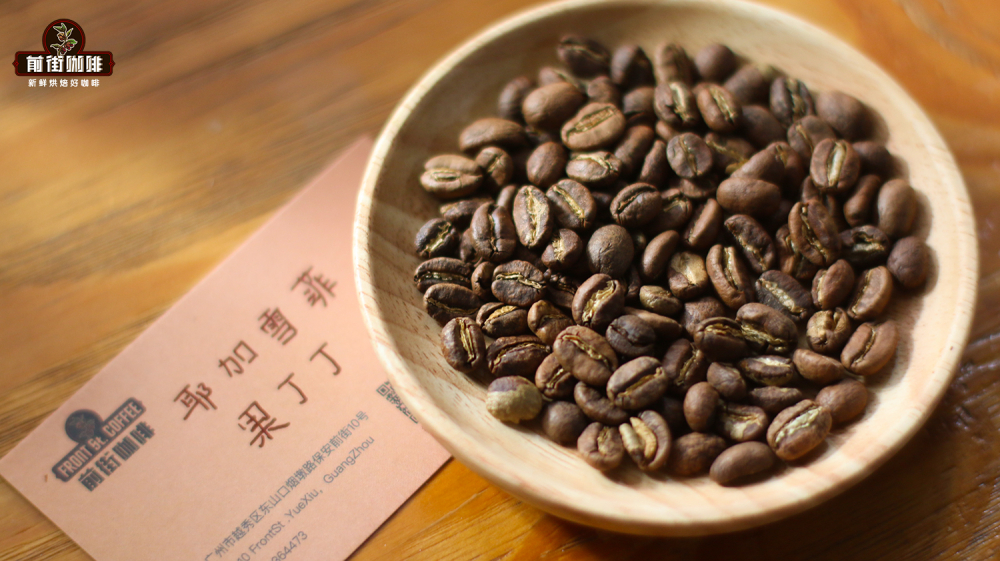
Consumers who prefer fresh floral and fruity aromas are advised to prioritize medium-light roasted coffee beans from Ethiopia's Yirgacheffe region. The fruit produced by coffee trees grown at high altitude in this area naturally possesses bright citrus notes and tea-like acidity; after washing, there are fewer impurities, and cold brewing can clearly reveal layers of white florals and red berries while avoiding the smoky notes common in dark roasts that interfere with flavor expression.

Take the classic washed beans from Yirgacheffe's core producing area as an example: they are grown at an altitude of about 1850-2100 meters, and the Heirloom variety accumulates abundant aromatic precursors in an environment with large day-night temperature differences. After standard washing, the green beans show a blue-green luster; when roasted to a light-medium degree (Agtron about #65-70), they develop signature jasmine floral aroma, citrus acidity, and honey sweetness, making them very suitable for cold brew to amplify their fresh characteristics.

The specific parameters for making Yirgacheffe cold brew are suggested as follows: use 50 grams of coffee grounds as a baseline (home brewing can adjust proportionally), and choose a grind slightly coarser than regular pour-over—if tested with the Chinese standard No. 20 sieve, control the pass-through rate at 70%-75% (that is, particles between granulated sugar and coarse salt). Pour the coffee grounds into a sealed glass container, then add 500 milliliters of room-temperature water (or purified water chilled to 4°C); at this point the coffee-to-water ratio is about 1:10.

After adding water, stir thoroughly immediately with a long-handled spoon or stirring rod to ensure the surface of every coffee particle is wet. Seal the container and place it in the refrigerator's cold-storage compartment; the steeping time is recommended to be controlled within 16-18 hours: the extract at around 16 hours usually shows bright citrus acidity and a light tea-like body, suitable for those who like a refreshing mouthfeel; extending to 18 hours can develop more pronounced honey sweetness and a faint black tea finish, with relatively restrained acidity but richer layers.

After steeping is complete, it is recommended to filter with double-layer filter paper (or a dedicated cold brew filter bag). You can first slowly pour the coffee liquid into the filter and let it sit for 5 minutes to let large particles settle, then continue filtering to ensure the grounds are completely separated. The filtered cold brew liquid can be transferred to a clean glass bottle and left to rest in the refrigerator for 3-4 hours so the flavors further meld; at this point the sweet-tart balance will be better.

It is worth noting that cold brew time is not better the longer it is—more than 20 hours may cause over-extraction, gradually releasing tannin-type substances and producing an astringency like spent tea leaves; while less than 12 hours may result in insufficient extraction, leading to a thin flavor and insufficient sweetness. If you wish to adjust concentration, you can do so by adjusting the coffee-to-water ratio (such as 1:8 to increase strength or 1:12 to reduce concentration), but the steeping time still needs to remain above 16 hours to ensure full extraction.

The resulting cold brew coffee can be drunk directly over ice, or according to personal preference a small amount of soda water can be added to make sparkling cold brew, or a small amount of oat milk can be paired to reduce acidity. This process not only suits high-acidity varieties like Yirgacheffe, but after slight parameter adjustments is also applicable to other medium-light roasted single-origin beans, making it a low-cost way to experiment with coffee flavors.


