Colombian Coffee Farming: From Colonial Roots to Specialty
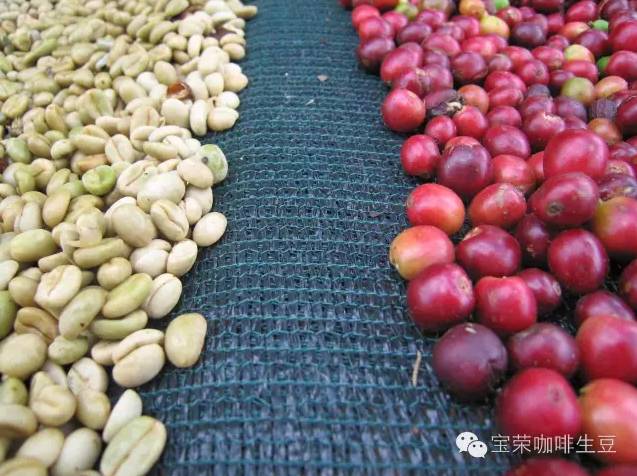
Introduction: An in-depth analysis of the origins and development of Colombia's two mainstream coffee cultivation models, revealing how this South American coffee powerhouse evolved from scattered colonial-era plantings into a core region for global specialty coffee. Through historical tracing and on-the-ground observation of producing regions, this guide helps you understand how different cultivation traditions in the Bogotá highlands and the Antioquia mountains affect flavor, as well as the standardization process of the washed processing method.
When news of Napoleon's army occupying Spain reached the South American continent in 1808, the spark of independence in the Viceroyalty of New Granada (present-day Colombia) had already been ignited. This independence war, which lasted more than a decade, not only shaped the political map of modern Colombia but also laid the groundwork for the rise of the coffee industry—the economic decline caused by the war forced farmers to seek more stable sources of income than traditional crops.
There are three mainstream theories about the route by which coffee entered Colombia. The most credible historical record comes from the 1730 work "El Orinoco Ilustrado" by Spanish missionary Jose Gumilla, in which he described in detail the coffee plantations he witnessed while preaching in the Meta River basin. Subsequent research indicates that these early plants most likely entered via two routes: one was the Central American route transshipped through the Caribbean island of Hispaniola, and the other was the route brought in 1808 by a priest from the French Antilles via Venezuela into Santander Department.
Colombia's unique geographical environment has given rise to two iconic cultivation models: the high-altitude dense-planting system of the western Antioquia mountains and the smallholder terrace cultivation method of Cundinamarca Department in the center. The former relies on steep slopes averaging above 1,600 meters, adopting dense shade planting with up to 4,000 plants per hectare; the latter, in the elevation band around 1,800 meters on the Bogotá highlands, is managed in a dispersed manner through family farms, with each household typically cultivating 3-5 hectares of sloped land.
Coffee cultivation in the mid-19th century remained a small-scale household sideline until the 1870s, when the railway network extended into the inland mountains and brought a turning point. It is worth noting that the standardized washed processing method promoted after the founding of the Colombian Coffee Growers Federation (FNC) in 1927 quickly made the country a major global supplier of high-quality washed Arabica beans. This processing technique requires completing depulping and fermentation within 24 hours after picking, then washing multiple times with mountain spring water, and finally shade-drying for 20-30 days on African raised beds.
Modern Colombian coffee-producing regions show clear microclimate differences: Santander Department in the north is known for bright citrus notes, Huila Department in the center produces balanced beans dominated by nutty and chocolate flavors, while the Cauca Valley in the south, thanks to volcanic soil, cultivates a high-sweetness, full-bodied cup profile. Professional roasters recommend adjusting parameters for pour-over brewing according to regional characteristics—for example, when brewing Antioquia beans, use 92°C water with a 1:15 coffee-to-water ratio and extend the bloom time to 45 seconds to fully bring out the floral and fruity aromas.
From the missionary trial plots of the colonial period to today's million-hectare planting belt covering 17 producing regions nationwide, Colombia's coffee industry has always maintained a balance between tradition and innovation. Those historical marks carved into the stone walls of the plantations continue to influence the growth trajectory of every coffee cherry to this day.