Ethiopia Yirgacheffe Washed G1: Guodingding Flavor Analysis and Pour-Over Guide
Introduction: Explore Guodingding G1-grade coffee, the most representative washed specialty bean from Ethiopia's Yirgacheffe region. This article details its 1900-2300m highland growing environment and native variety characteristics, as well as how a medium-light roast brings out a balanced expression of citrus, florals, and a black tea finish. It provides professional-level flavor wheel descriptions and home brewing parameter suggestions to help you precisely grasp the flavor code of this classic bean.
 In specialty coffee consumption trends, Chinese consumers clearly prefer fresh and bright taste experiences. Data shows that medium-light roasted beans account for over 75% of the market, among which washed beans from Ethiopia's Yirgacheffe region continue to lead with their signature floral and fruity character. Today we will take an in-depth look at the most recognizable representative of G1-grade washed beans from this region—the top batch commonly known in the industry as 'Guodingding'.
 Although Yirgacheffe is often mentioned on its own, it is actually a high-altitude sub-region within the Gedeo Zone of Ethiopia's Sidama Province. The core growing belt is distributed across steep slopes at 1900-2300 meters, where a microclimate with day-night temperature differences of more than 12°C, combined with mineral-rich volcanic red soil, creates a golden zone for Arabica coffee tree growth. It is worth noting that this region uses traditional shade-growing methods, with coffee trees growing alongside local native trees—an important foundation for forming unique flavor layers.
For enthusiasts trying Yirgacheffe flavors for the first time, it is recommended to start with washed process G1-grade beans.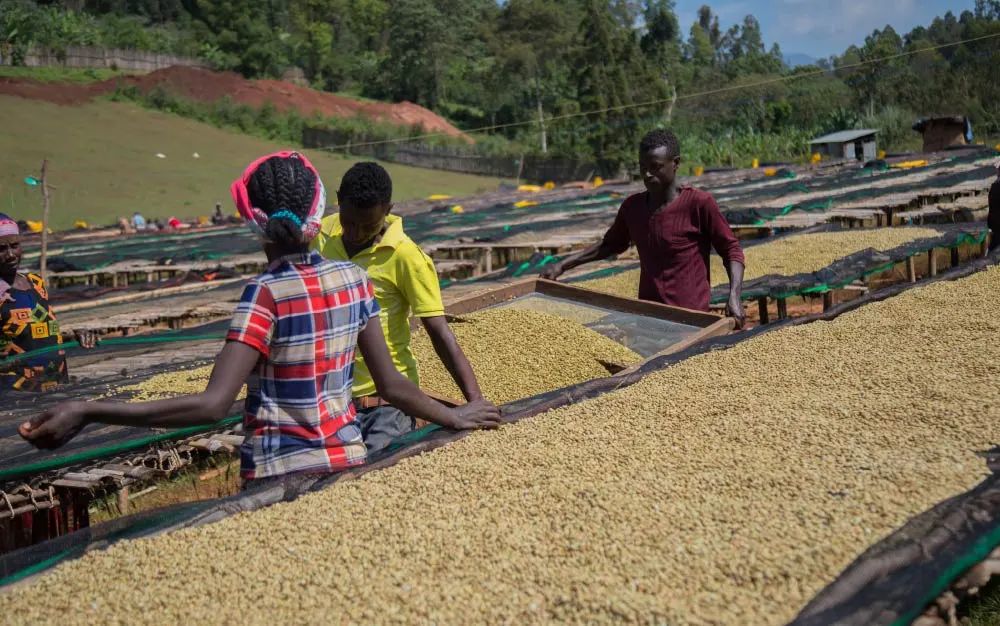 This process uses three steps—flotation to remove impurities, fermentation to remove mucilage, and running-water washing—to strictly control the defective bean rate within 3%, ultimately presenting a clean and translucent acidity structure. Observing the green beans reveals a blue-green color and plump shape—typical characteristics of slow ripening at high altitude, with bean density about 18% higher than beans from plain regions.
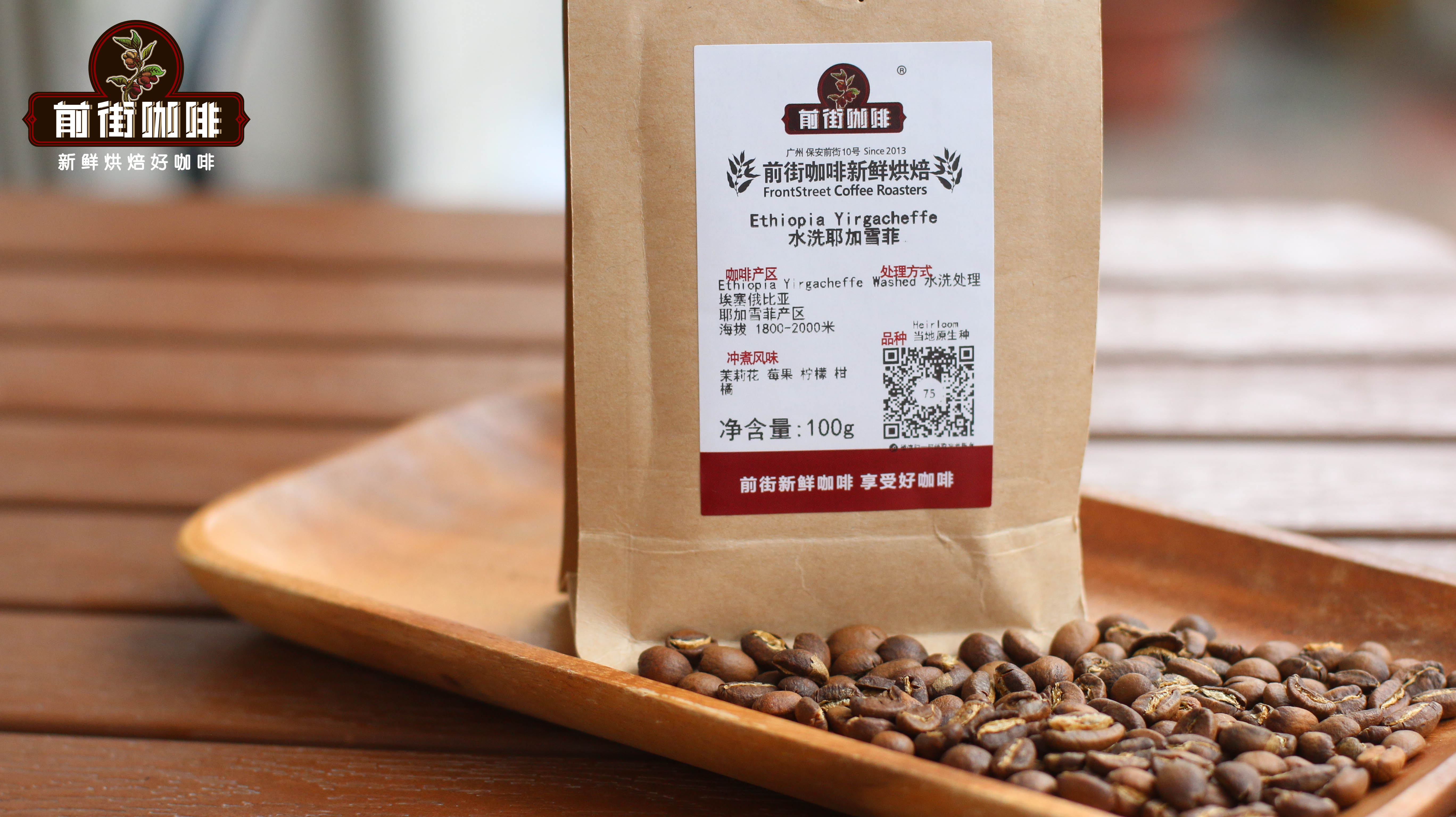
This batch labeled 'Guodingding' displays a typical Yirgacheffe flavor spectrum: the dry aroma carries notes of jasmine and lemongrass, and after brewing the first attribute presents bright citrus acidity (similar to grapefruit peel), the middle section reveals honey sweetness and red currant flavors, while the finish echoes with elegant black tea and bergamot aftertaste. The flavor intensity recorded by professional cuppers reaches 7.5/10, with an acidity brightness score of 9/10.
Medium-light roasting (Agtron value #65-70) is the golden roast level for this type of bean: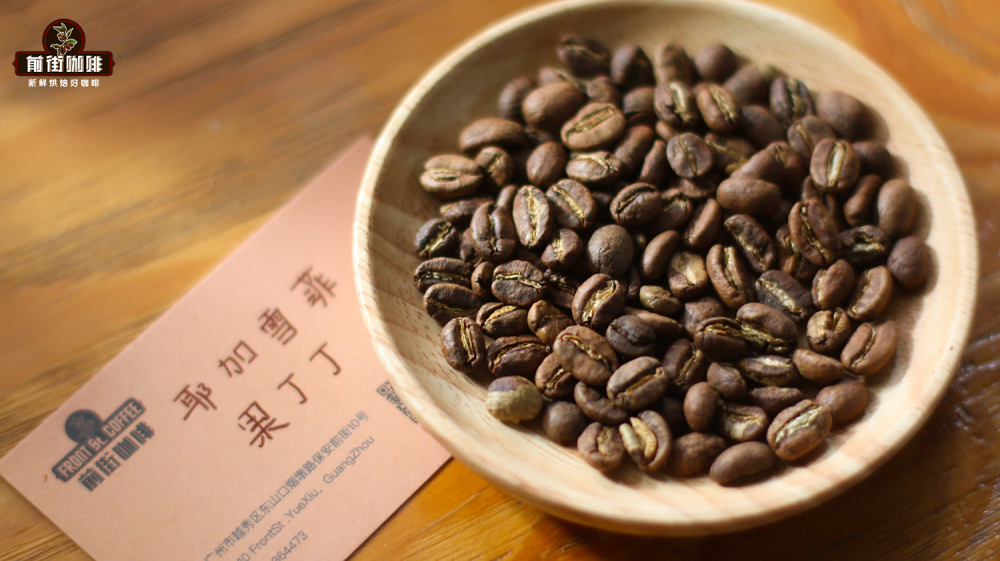 it preserves the floral and fruity character while developing moderate caramelized sweetness. For home brewing, pay attention to three key parameters—water temperature 88-92°C, coffee-to-water ratio 1:15, grind size between Chinese standard sieve No. 10-12 (equivalent to European/American sieve No. 20). A V60 dripper paired with a three-stage pouring method (30ml bloom → spiral pour to 125ml → final pour to 225ml) best presents its flavor layers.
For storage, special attention is needed: after opening, it is recommended to use an aluminum foil bag with a one-way exhaust valve, placed in a cool, dark place. Experimental data shows that at 20°C, the optimal enjoyment period for washed Yirgacheffe is 14-28 days after roasting, and aroma decline occurs after 45 days. If the bean surface appears oily or woody flavors appear, it indicates that the best drinking period has passed.


