Costa Rica Canet Estate Yellow Catuai Red Honey: Flavor Analysis and Pour-Over Tips
Introduction: An in-depth look at a rare coffee from Costa Rica's high-altitude Tarrazu growing region—the Canet Estate Yellow Catuai Red Honey lot "Mozart." From variety characteristics and honey processing to flavor layers, this article details a high-quality coffee that combines bright acidity with sweet fruit aromatics, and offers professional pour-over parameters to help you fully experience its distinctive floral and fruity character.
In Costa Rica's famous Tarrazu coffee belt, the Canet Estate sits at 1,820 meters, occupying the highest elevation in the region. This 1.5-hectare estate is surrounded by dense passion fruit orchards, while the coffee growing area occupies only 0.5 hectares of prime plot. The owner insists on picking only fully ripe red coffee cherries and follows meticulous management, giving the Yellow Catuai variety (Yellow Catuai) grown here unusual flavor potential.
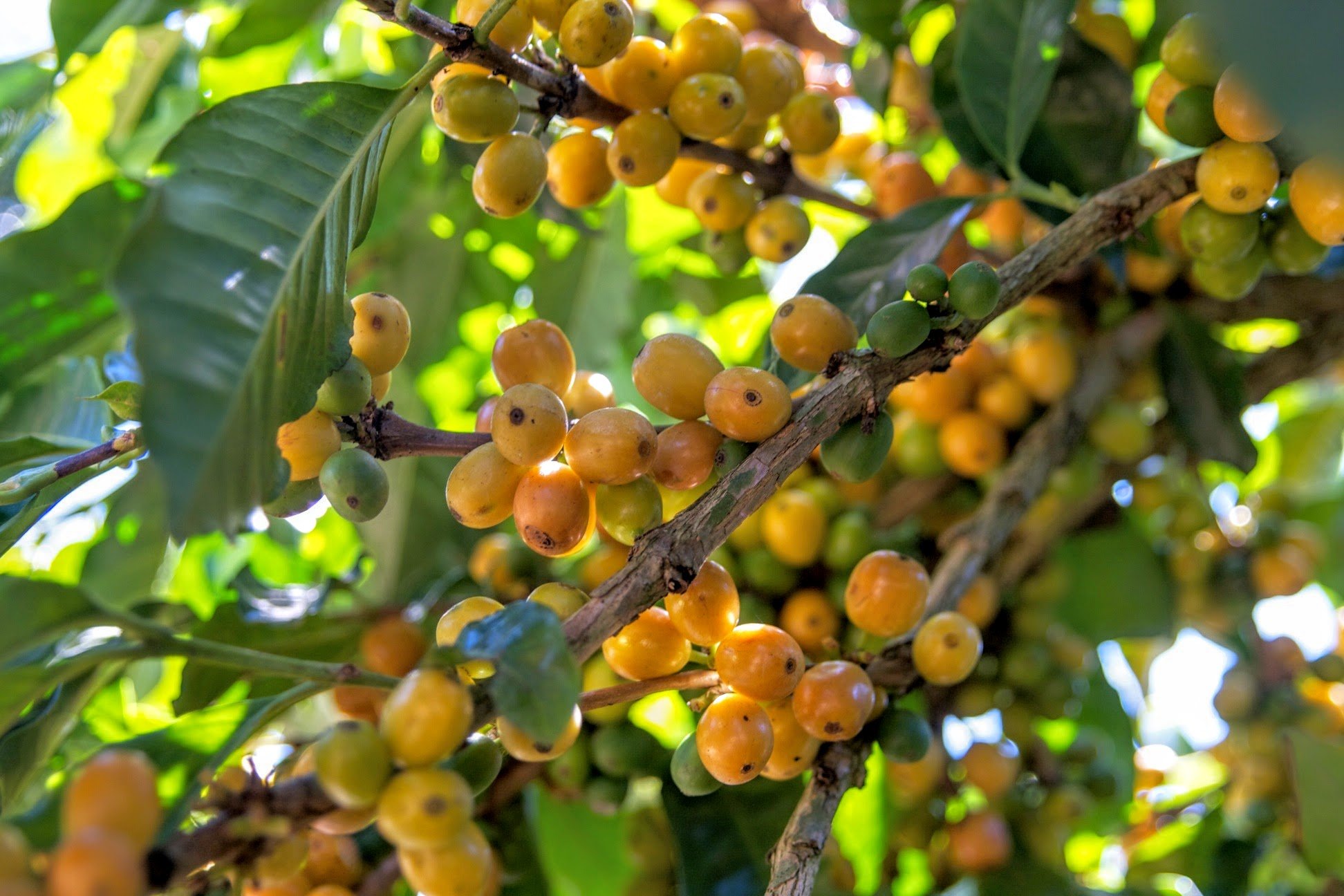
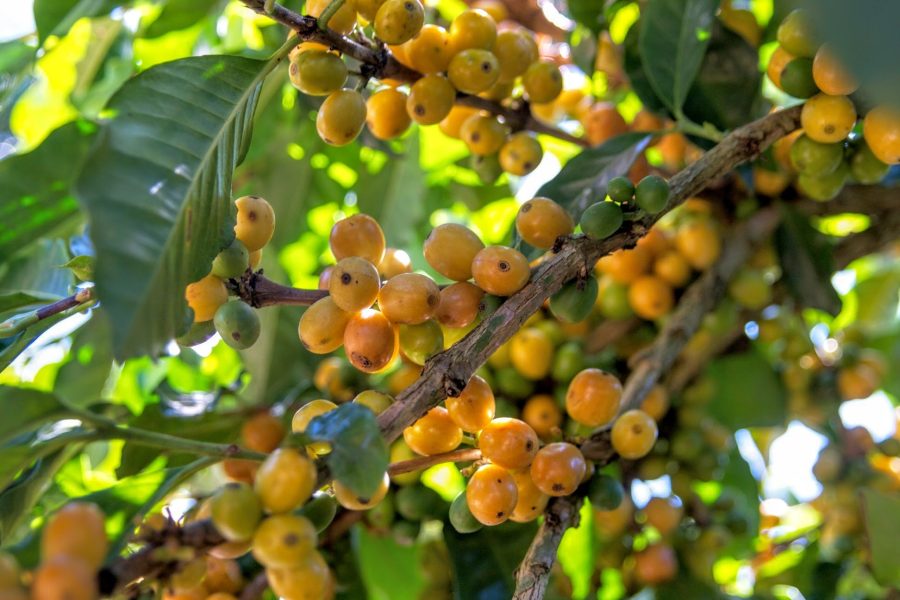
Yellow Catuai (Catuai Amarillo) is a classic hybrid developed in 1949 by Brazil's Instituto Agronômico de Campinas, crossed from Mundo Novo and Caturra. This variety inherits excellent disease resistance and is especially suited to high-altitude, windy environments. Compared with Red Catuai, Yellow Catuai's fruit turns a vivid yellow when ripe, and its flavor profile is known for clean, bright acidity and rich floral and fruity notes.
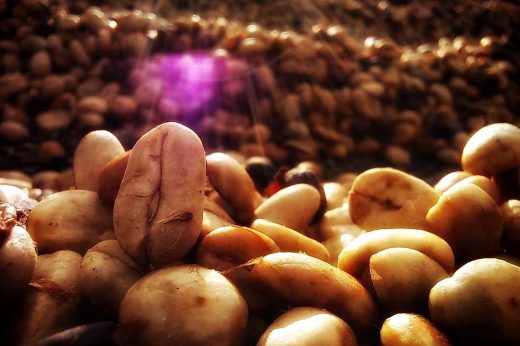
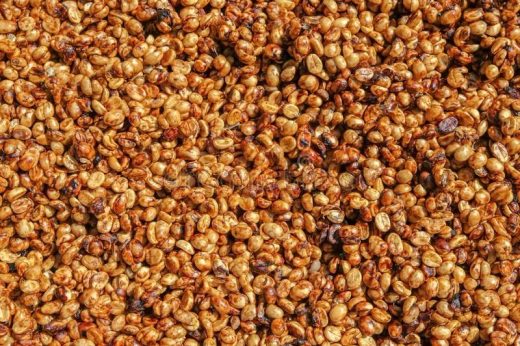
For this batch of Yellow Catuai, Canet Estate used a distinctive Red Honey Process, a specialty method between natural and washed.About 60% of the mucilage layer is retained during processing, with complex flavors developed through precise control of drying conditions. Specifically, the outer skin of the coffee cherry is first removed, then the mucilage-covered fruit is placed on raised beds and dried under strictly monitored humidity and temperature—the fruit must be turned every 30 minutes to prevent localized overheating or mold, and the entire drying process usually lasts 10-14 days, ensuring moisture content stabilizes at around 11%.

This Red Honey lot, named "Mozart," shows a highly layered flavor expression: in the dry aroma, distinct berry sweetness and acidity with a delicate oily fragrance can already be detected; after water is added, strawberry sweetness, ripe tropical fruit aromas and warm spice notes are released; on the palate, the sweetness is prominent and the body is thick, with ripe-fruit sweetness reminiscent of dried banana interwoven with multi-layered berry flavors, and a finish of lingering citrus acidity and honey sweetness. In professional cupping, a complex aroma of blackberry, lime, caramel and jasmine is often perceived, and its sweet, full-bodied texture indeed recalls the qualities of top Geisha varieties.
In terms of growing parameters, the micro-environment of Canet Estate is a golden combination: average annual rainfall reaches 3,000 mm, paired with a stable average temperature of around 20°C and mineral-rich volcanic soil, providing ideal growing conditions for the coffee trees. The estate strictly follows manual harvesting standards, picking only when the fruit is at its best ripeness to ensure raw material quality.
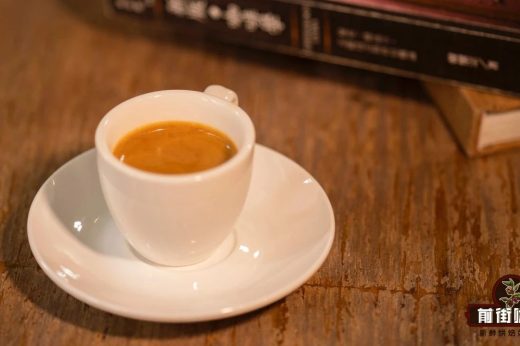
For coffee lovers, this Red Honey coffee is well suited to the following brewing recipe: with a V60 dripper, a coffee-to-water ratio of 1:15-1:16 is recommended, with water at 90-92°C and a grind between medium-fine and fine (75-80% passing a Chinese standard No. 20 sieve). For the first pour, use 30 g of water and let it bloom for 30 seconds, then pour slowly in the center to a total water weight of 225 g, keeping total extraction time between 2:10 and 2:30. These parameters balance its bright acidity and full sweetness well, highlighting the layered changes in its floral and fruity character.
It is worth noting that Red Honey processed coffee has a relatively short shelf life; drinking within 4-8 weeks after roasting is recommended for the best flavor. For storage, use a sealed bag with a one-way degassing valve, keep it away from light at 10-20°C, and avoid contact with odorous items.