Costa Rican Black Honey Coffee: Flavor Analysis and Pour-Over Guide
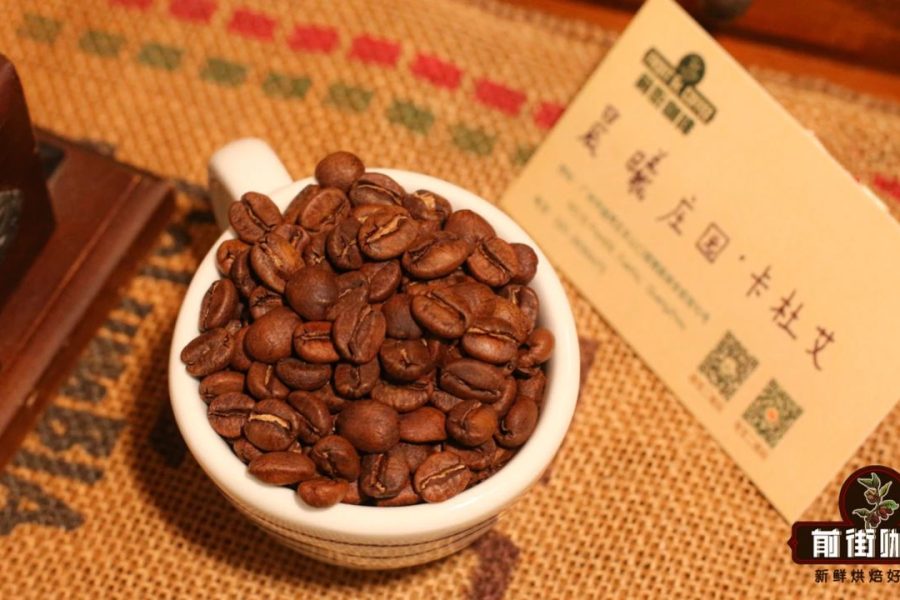
Introduction: This article provides an in-depth analysis of the unique flavors of Costa Rican honey-process coffee beans, from the differences between yellow, red, and black honey processes, to the sweetness advantages and production difficulties of the black honey method. It includes practical pour-over parameters and flavor comparisons to help you master the brewing techniques for these specialty coffee beans.
Origin and Development of the Honey Process
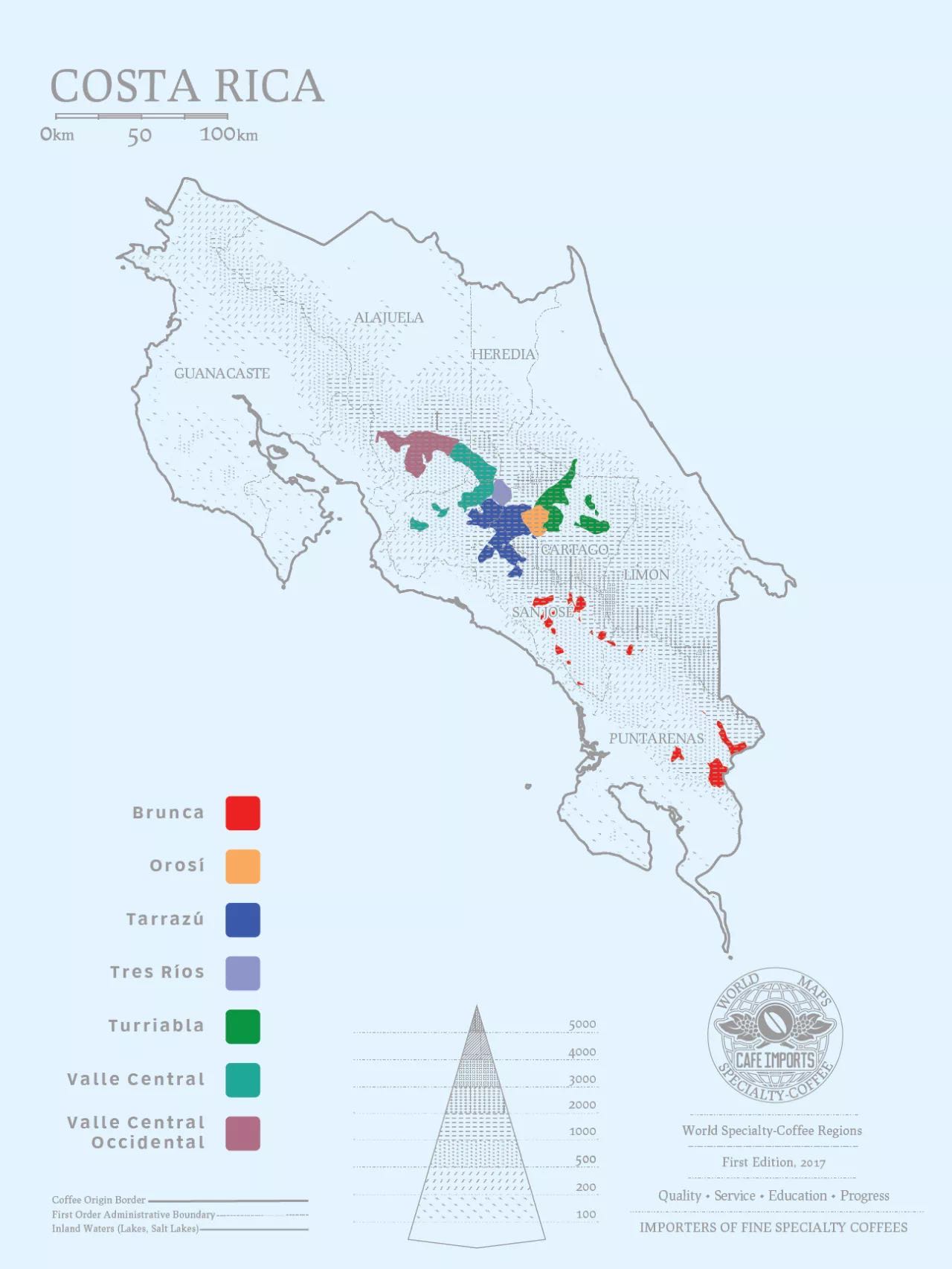
Costa Rica's steep mountainous terrain once posed huge challenges for coffee transportation—fruits were easily damaged when transported to washing stations downhill, resulting in yield losses. To solve transportation problems and escape price pressure from middlemen, local coffee farmers developed the honey process. This improved method retains some of the pectin's sweetness while reducing the mold risk of traditional natural processing, gradually becoming one of the mainstream processing methods in Central America.

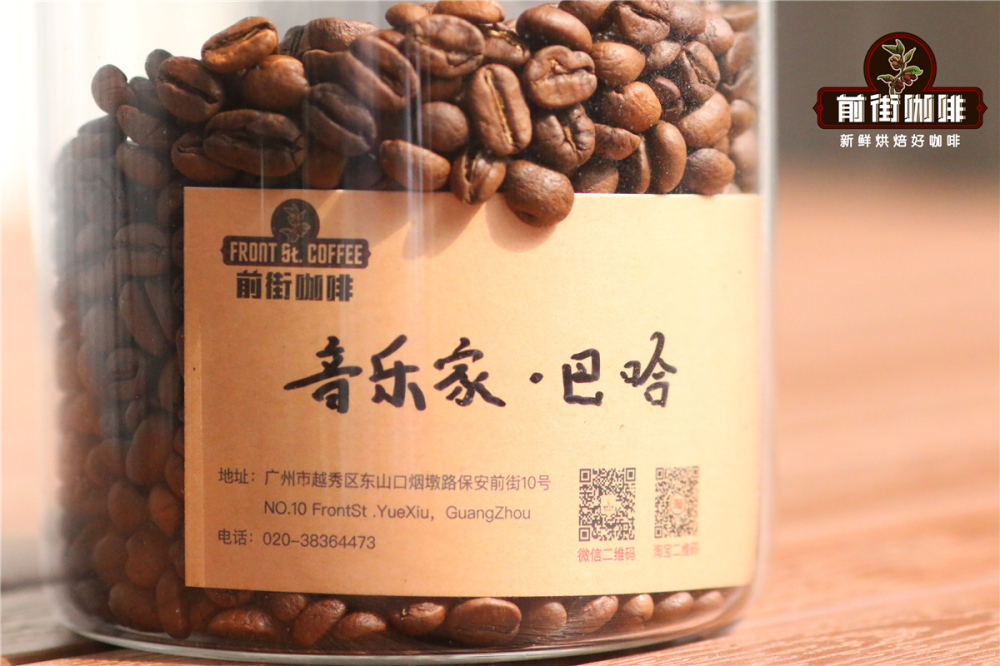
Today, Costa Rica not only popularizes basic honey processing but also has developed innovative techniques such as anaerobic honey processing and raisin honey processing. For example, the Bach coffee beans in the Musician series use special anaerobic fermentation technology.
Core Principles of the Honey Process
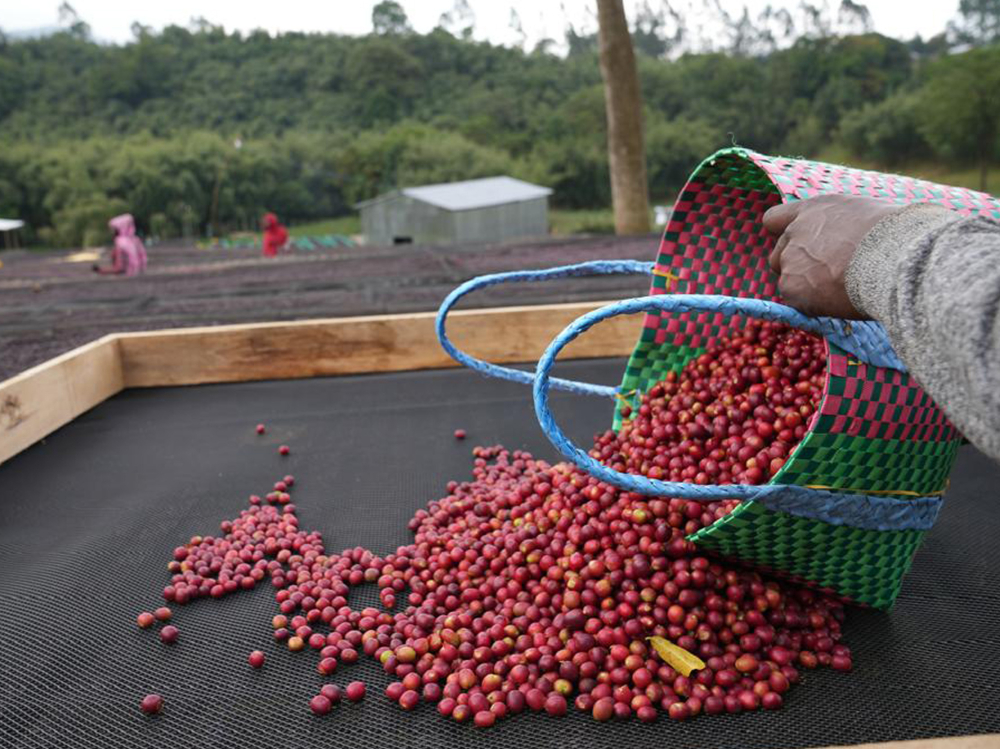
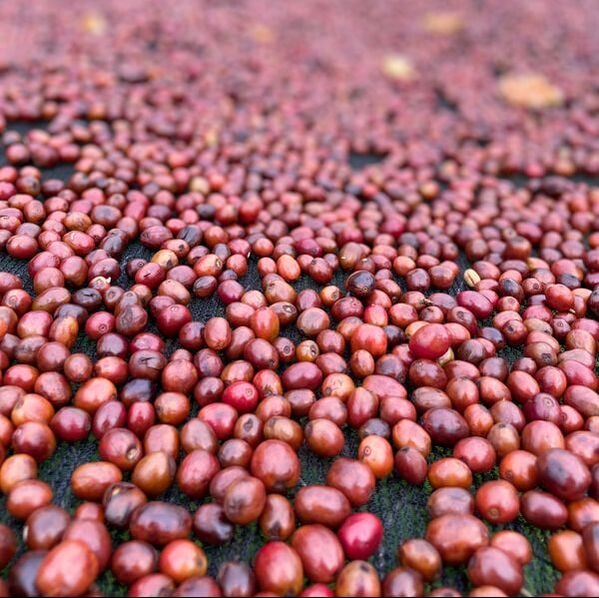
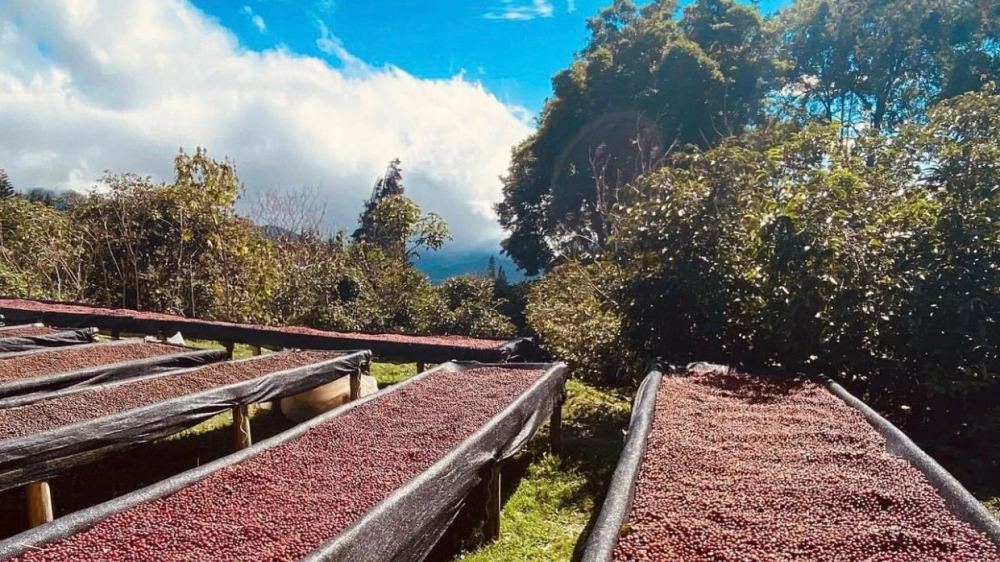
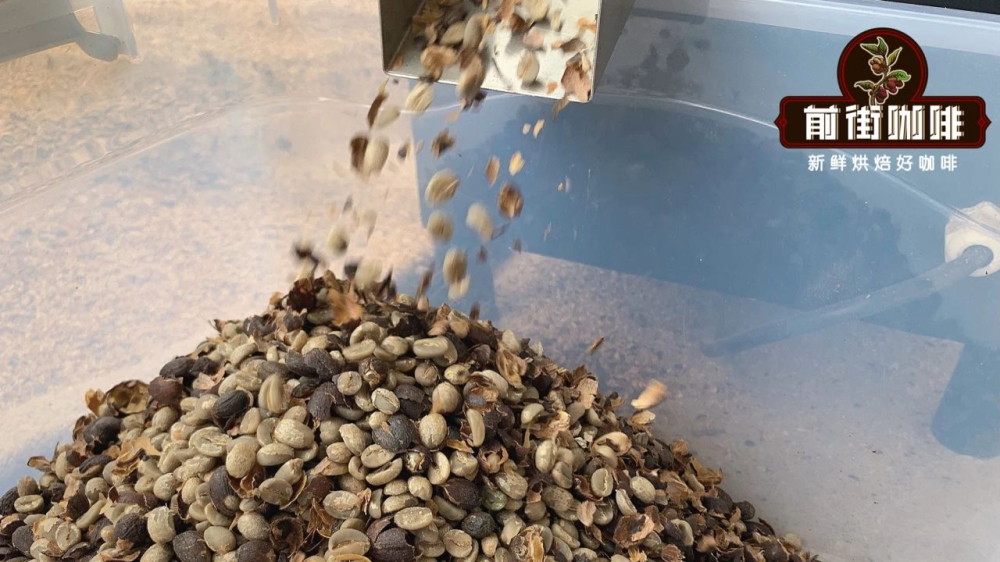
The essence of the honey process is a sun-dried variant that removes the pulp but retains all or part of the pectin layer. Contrary to common misconception, the name comes from the viscous syrup-like substance (similar to honey texture) exuded by pectin during drying, not from added honey. The typical process includes four steps: flotation to remove defects → pre-drying on raised beds → pectin removal → drying with pectin.
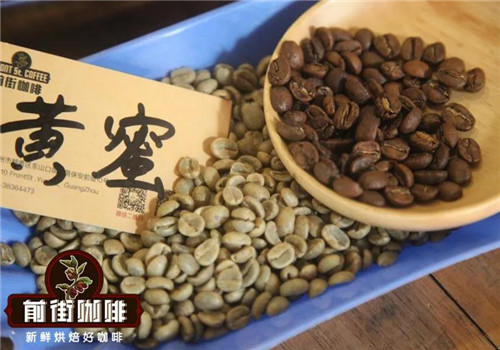
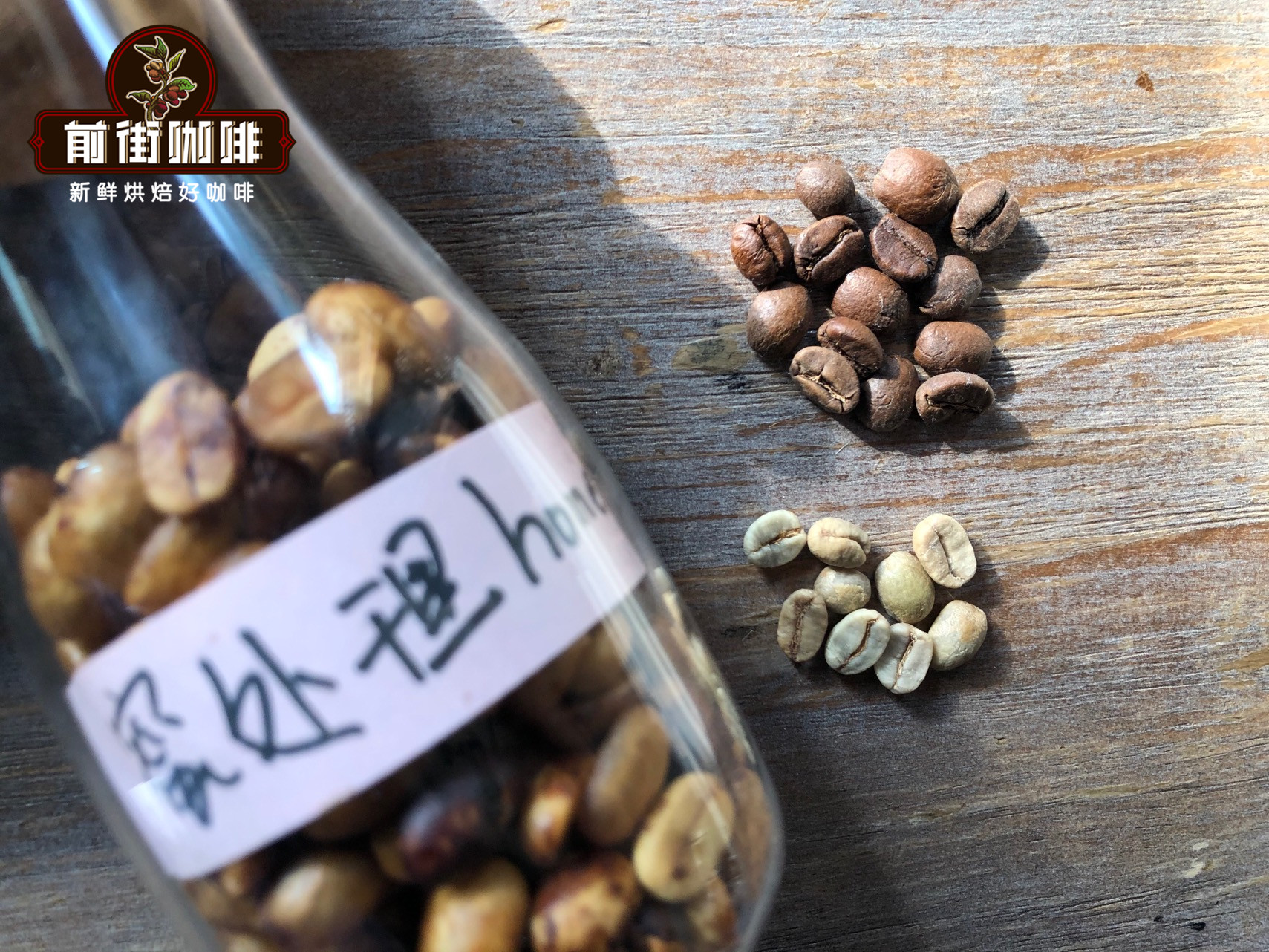
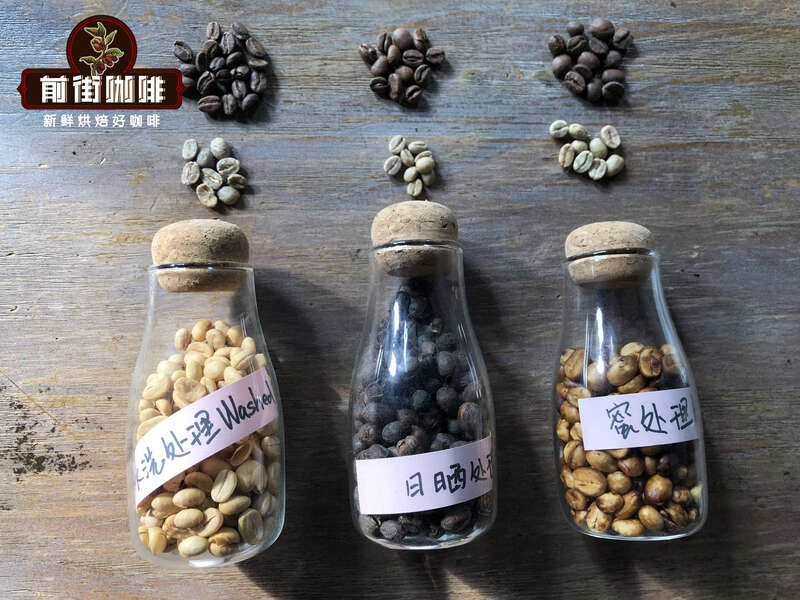
The key control point is the grading of pectin retention: yellow honey (40% pectin removed), red honey (25% removed), black honey (almost no pectin removed). Black honey, with its complete pectin layer, requires slow drying for over 14 days, during which shading is needed to prevent rapid dehydration.
Comparison of the Three Honey Process Types
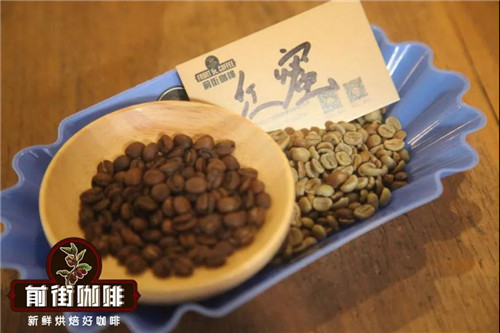
Yellow honey uses the most sunlight drying (about 8 days), turned hourly to ensure uniformity, presenting bright citrus notes; red honey is shaded for about 12 days, retaining 25% pectin, balancing sweetness and body; black honey is the ultimate craft—14+ days, shaded drying beds, and multiple daily turnings, producing the most intense caramel and chocolate flavors.
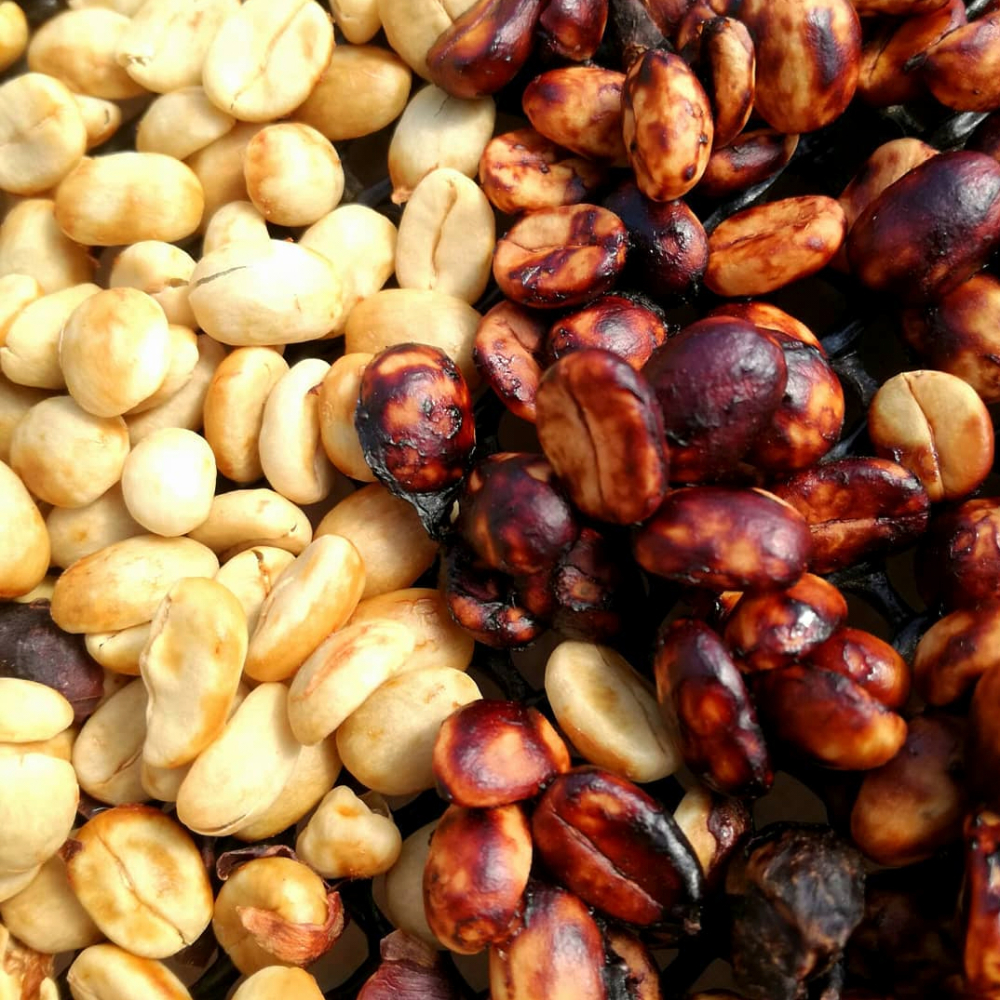
It is worth noting that the pectin layer contains 60%-70% sugar, which is the fundamental reason for the prominent sweetness of honey-processed coffee. However, retaining pectin also means stricter hygiene management, requiring full monitoring of temperature and humidity to prevent mold.
Flavor Characteristics and Comparison of Processing Methods
High-quality honey-processed beans typically exhibit a three-stage flavor profile: brown sugar sweetness, ripe berries, and mild acidity. Compared to the clean and refreshing washed process, honey processing adds a honey-like finish; compared to the heavy winey notes of full natural, its acidity is brighter and cleanliness higher.
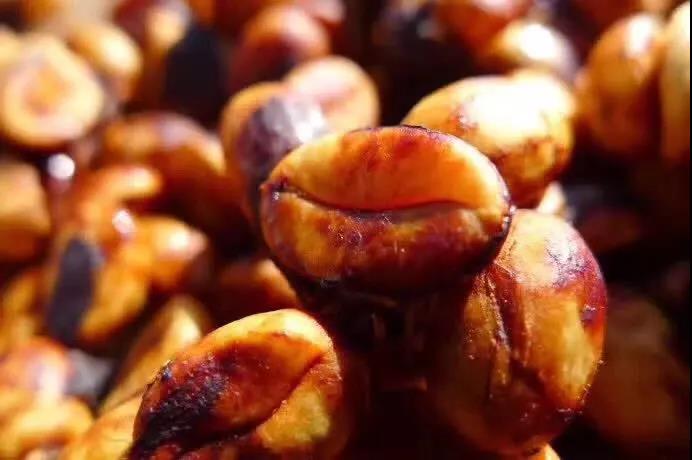
However, honey processing is demanding: uneven drying can lead to local over-roasting or fermented off-flavors, while excessive turning can lose pectin aroma. Common defects include woody off-flavors (insufficient drying) or sharp acidity (excessive pectin removal).
Practical Guide: Pour-Over Parameter Optimization
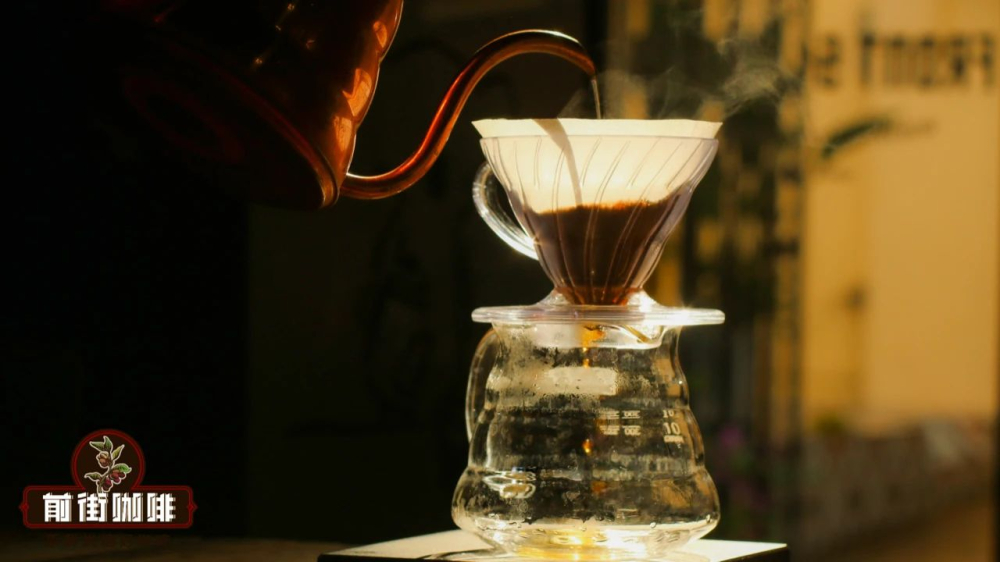
Taking black honey beans from 1950m altitude as an example, recommended parameters:
• Grind size: medium-fine (80% passing Chinese standard No. 20 sieve)
• Water temperature: 90°C (high-altitude beans may need 1-2°C lower)
• Coffee-to-water ratio: 1:16
• Staged extraction: 34g water bloom for 30 seconds → circular pouring to 127g → pause until 240g
Notes during actual brewing:
1. Black honey beans tolerate higher temperatures due to high sugar content; try 92°C to enhance caramelization.
2. Honey-processed beans absorb water faster; pour about 10% slower than regular beans.
3. When using V60, a coarse filter paper is recommended to reduce channeling.
Classic Production Region Case Study
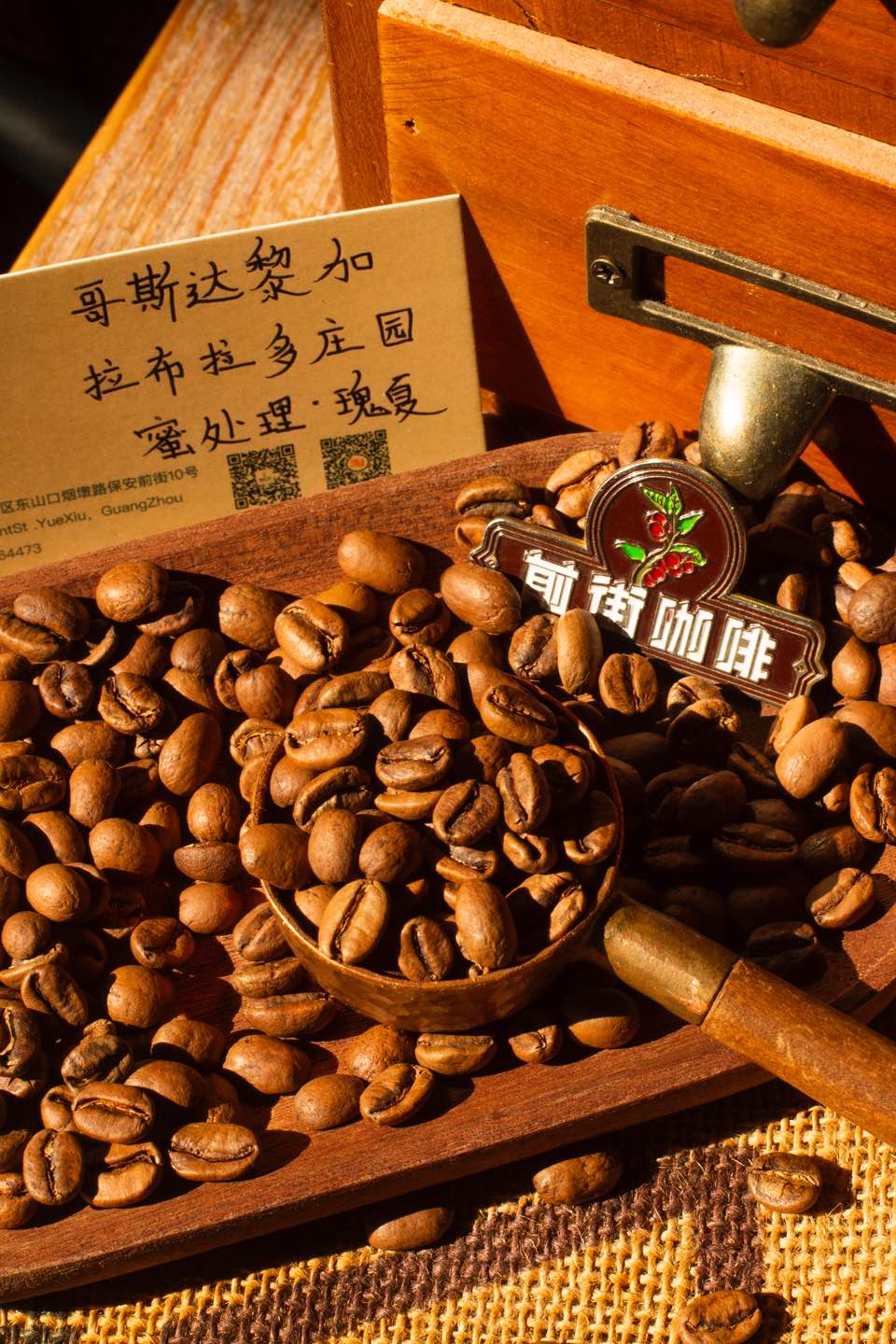
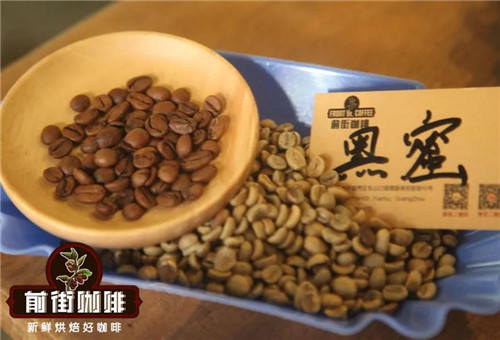
Typical flavors of Canet Estate Bach coffee beans (black honey) from Tarrazú:
• Dry aroma: rice wine fermentation mixed with citrus
• Wet aroma: tropical fruit and berry sweet-tartness
• Palate: creamy cocoa layer over nutty base, caramel sweetness in the finish
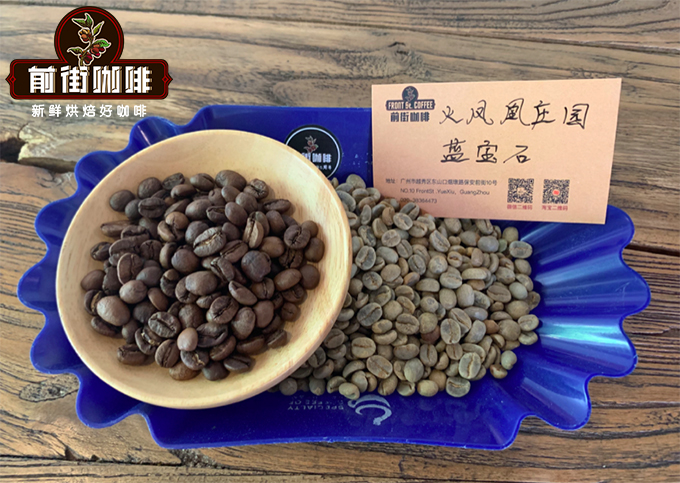
Compared with the natural-processed Fire Phoenix Sapphire beans from the same region:
• The natural version highlights a berry-bomb explosiveness and winey aroma.
• The honey version shows a silkier mouthfeel and layered transitions.
Consumer Purchasing Advice
Beginners can start with red honey beans—balanced sweetness-acidity ratio and moderate body suit most brewing equipment. Advanced players can challenge black honey beans, but need precise temperature-controlled gear. Pay attention to the actual altitude and variety information labeled by the processing station; high-altitude (1800m+) honey-processed beans usually have more complex flavors.