Colombia's Five Coffee Regions: Climate, Harvest and Pour-Over Guide
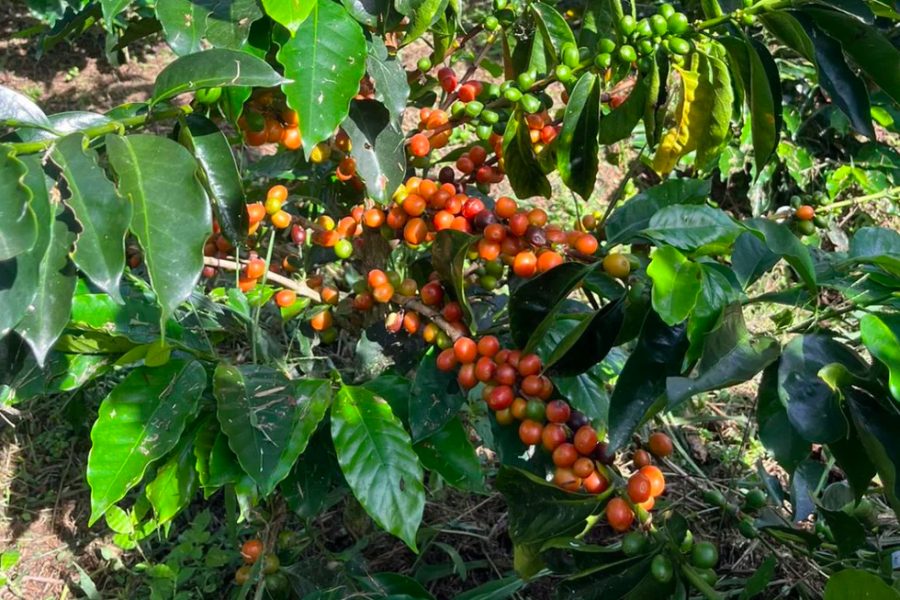
Introduction: An in-depth analysis of the geographic and climatic features, core harvest timing and representative flavor profiles of Colombia's five specialty coffee regions. From the northern MAM Golden Triangle to the southern Nariño highlands, this guide examines differences in altitude, soil and microclimate to explain the acidity-sweetness balance, body and processing characteristics of beans from each region, and provides professional-grade harvest cycle references and pour-over parameter suggestions to help you precisely match your flavor preferences.
With its dual-port advantage bordering both the Atlantic and Pacific oceans, Colombia has become the most efficient coffee exporter in South America. Its coffee regions are concentrated in the Eastern Cordillera, Central Cordillera and the three southern areas of Huila, Cauca and Nariño. This unique geography produces richly layered coffee flavors. Below is a systematic overview of the key information for the five core regions.
The central Golden Triangle region is centered on Medellín, Armenia and Manizales, commonly known as the MAM region. Medellín coffee is known for its full beans and moderate acidity; after dark roasting it has a rich aroma and pronounced sweetness. Lots certified by the FNC association perform better in uniformity and cleanliness, suiting consumers who seek a full-bodied cup. The best harvest period in this area is October to January of the following year, with altitudes generally between 1,400 and 1,600 meters.
Santander Department, in northern Colombia, accounts for only about 5% of national output but is the country's earliest coffee-growing area. Grown at 1,400-1,600 meters, its soil and climate together create a distinct fresh herbal character. Cupping often reveals strong flavor layers and a long finish, and the main harvest season is November to February of the following year. Notably, some high-altitude plots in this region (such as above 1,700 meters) using special processing methods may develop complex peach and rose aromas.
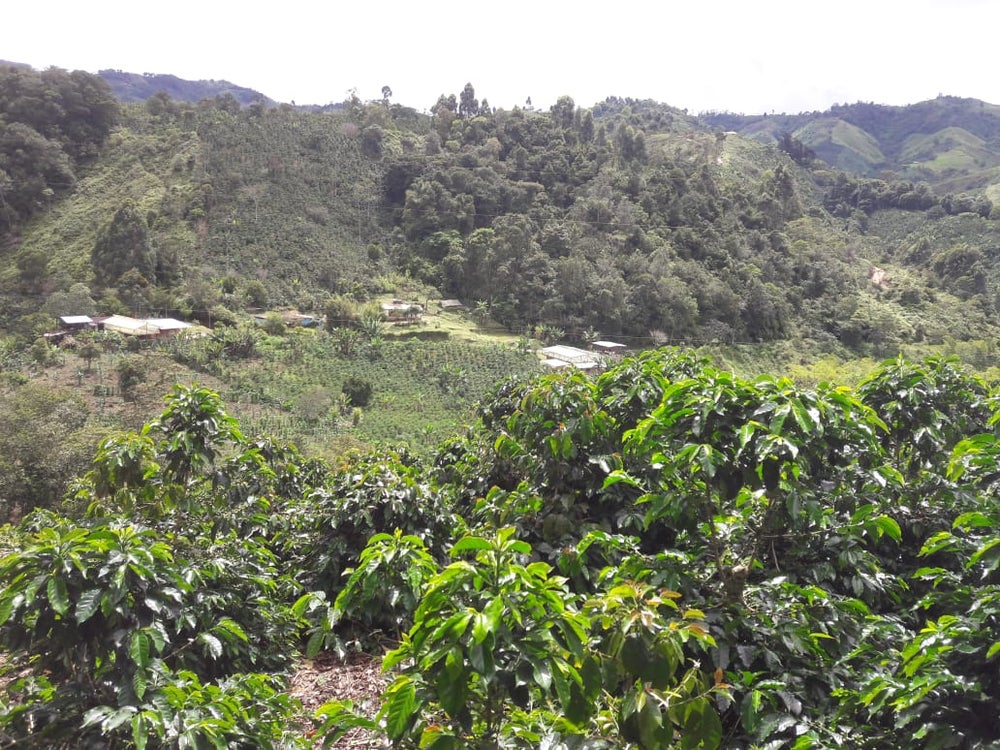
Around the Santander region of the Eastern Cordillera (as shown), coffee beans often carry a base framework of nut and dark chocolate flavors. Processing is mainly traditional washed, and the harvest window is concentrated in October-December. Here the day-night temperature difference is stable (about 8-10°C daily average difference), allowing even sugar accumulation, which suits those who prefer a balanced cup.

Huila Department in the south is Colombia's third-largest coffee region, contributing 12% of national output. Numerous microclimate zones are scattered within it, and sub-regions often circulate under independent brands. Typical flavors include nut, dark chocolate and caramel, with soft, harmonious acidity. The core harvest period is September to January of the following year, with altitudes of 1,500-1,800 meters; beans from the higher-altitude plots (above 1,700 meters) more readily show bright citrus notes.

Cauca Department, a certified region of origin for Colombian coffee, is known for its highest altitude record of 2,100 meters. Accounting for 8% of national output, the area's defining feature is a pronounced day-night temperature difference averaging 11°C—low nighttime temperatures slow the growth pace, prompting the beans to absorb nutrients more fully. The main harvest season is October to March of the following year; coffee from plots above 2,050 meters generally has excellent acidity and a distinctive sweetness, and some lots using double anaerobic processing develop complex berry and herbal flavors.

The southernmost Nariño Department, though only 3% of national output, is a potential region for top specialty beans thanks to its proximity to the equator (1°N), over 2,000 hours of sunshine a year and a cultivable altitude of 2,300 meters. Volcanic soil is rich in minerals, and together with a peak-shaped rainfall distribution (October-May rainy season plus June-August dry season), the coffee trees are protected from frost by warm, moist air currents. The main harvest period is April to August; beans from high-altitude plots (above 2,000 meters) often show complex aromatic layers, though it should be noted that the indirect moisture-retaining effect of dry-season trade winds may affect flavor stability.

Given the harvest cycles and processing characteristics of different regions, pour-over enthusiasts are advised to refer to the following parameters: beans from the central MAM region (such as Medellín) suit medium-dark roast, water at 90-92°C, coffee-to-water ratio 1:15-1:16; southern Huila and Cauca beans are recommended at medium-light roast, water at 88-90°C, with grind adjusted to medium-fine (75%-80% passing a No. 20 sieve); Nariño high-altitude beans, being bright in acidity, are best with blooming extended to 35 seconds and development time kept within 1 minute 30 seconds. The best flavor window for each region is usually 5-14 days after roasting; store away from light in a sealed container and keep ambient humidity below 60%.