SOE Single Origin Espresso Explained: Flavor, Origin Selection and Golden Extraction Parameters
Introduction: Explore in depth the unique appeal of SOE single origin espresso, from flavor characteristics to origin specialties and professional extraction recipes. This article explains the core differences between SOE and ordinary espresso, explains why high-quality SOE costs more, and provides practical parameters for classic beans including Hachira. Whether you are a coffee enthusiast or a professional, you will find key tips to improve your coffee experience.
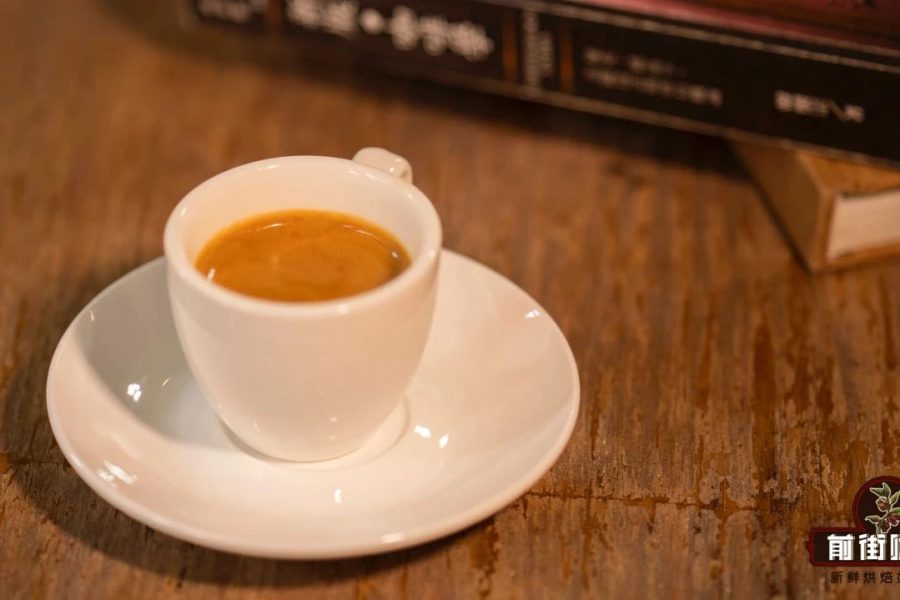
Traditional espresso is based on dark-roasted beans, presenting rich nut and chocolate flavors, while the emergence of SOE (Single Origin Espresso) has brought entirely new possibilities to espresso. This type of espresso, made from coffee beans of a single origin, retains the full-bodied base of traditional espresso while showing unique regional flavor characteristics through precise origin selection.
SOE stands for Single Origin Espresso. Unlike common blends, it insists on using coffee beans from the same origin to make espresso—whether top-tier Geisha or ordinary Brazilian beans, as long as single origin material is used to make espresso, it falls within the SOE category. The concept first emerged at coffee competitions in London, UK, in 2007, and gradually became popular around 2010 with the demonstration effect of champion competitors.
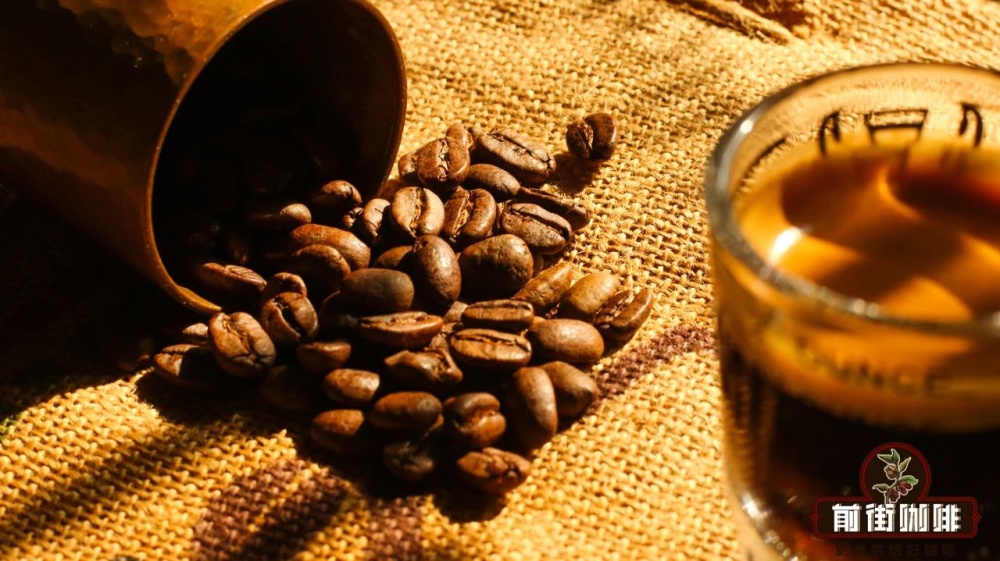
Consumers often confuse SOE with related concepts: the primary difference between pour-over beans and espresso beans lies in the roast level; single origin beans emphasize single origin but do not limit variety; blends are mixtures of materials from multiple origins. In particular, note that mixing different varieties from the same origin does not count as a blend. The essence of SOE is simply specialty single origin beans optimized for espresso machines.
The core reason SOE is more expensive lies in stricter raw material selection. Although in theory single origin beans from any region can make SOE (such as pure Brazilian origin beans), such products are rare in the actual market—because the flavor performance of conventional dark-roasted Brazilian beans often falls short of high-quality blends. To highlight the value of SOE, operators usually choose origin beans with distinctive flavors, such as small-origin Ethiopian beans known for citrus and floral notes, paired with a slightly lighter roast to present a differentiated taste.
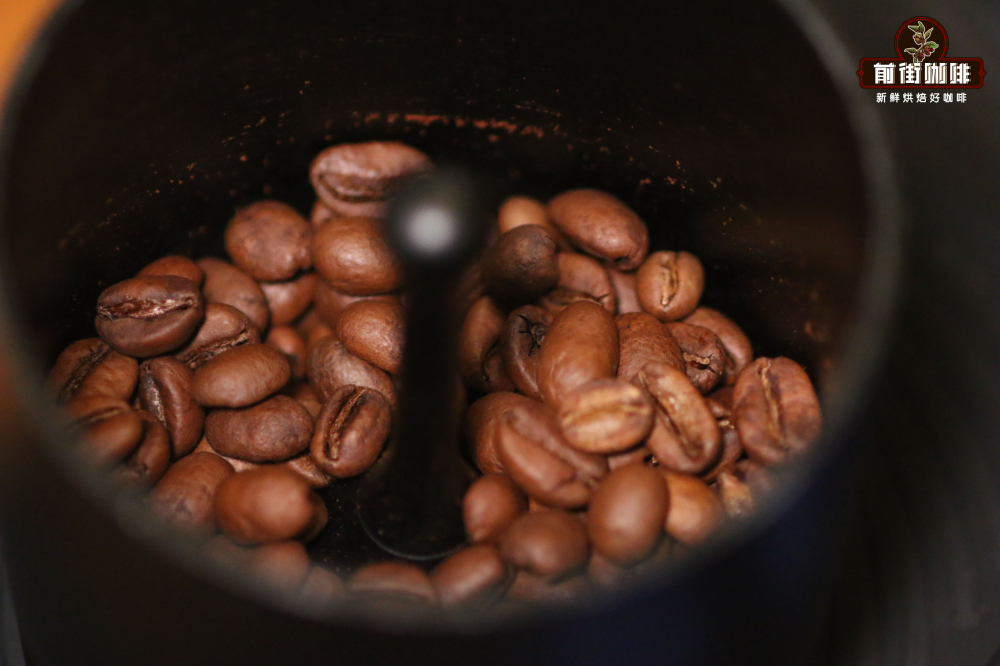
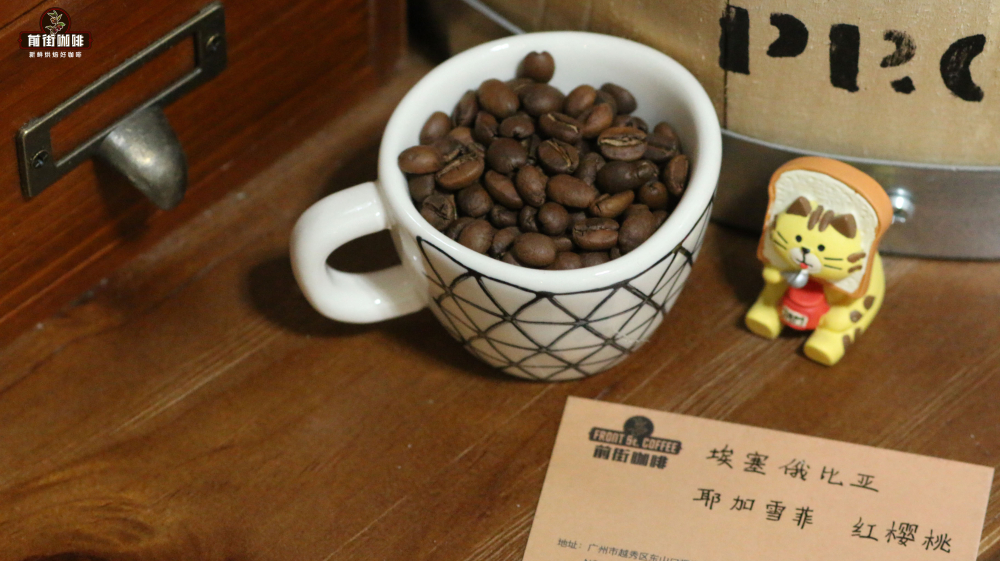
Some coffee beans have dual adaptability: the medium-dark roasted Brazil Queen Farm Yellow Bourbon is a typical example. In pour-over it shows chocolate and peanut butter flavors, while used for SOE extraction it produces rich nutty aroma and lasting sweetness. Also compatible is the medium-light roasted Yirgacheffe Red Cherry, whose berry acidity and fermented aroma transform into a soft fruity base in espresso form, forming unique layers with caramel cream notes.
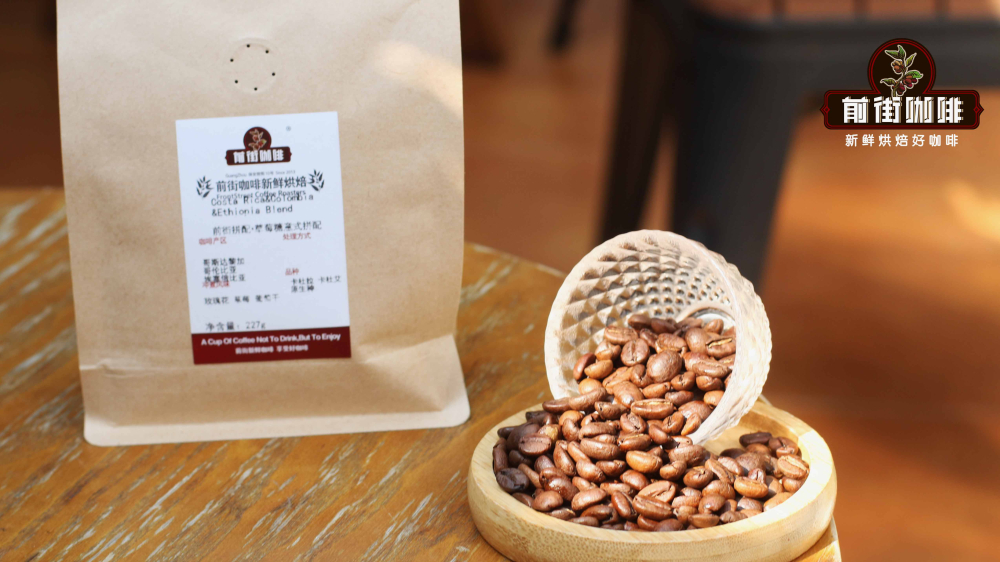
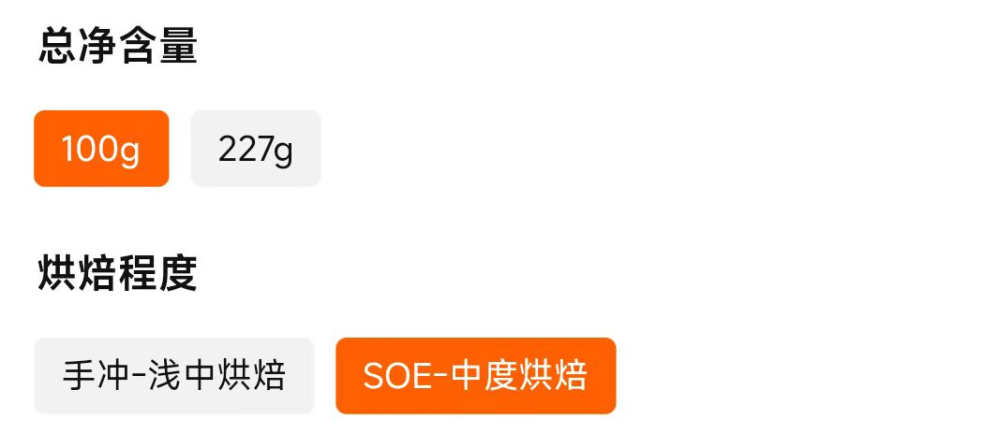
For the naturally processed Hachira beans from high-altitude regions of Ethiopia, a medium roast profile is recommended to optimize extraction performance. The medium-light roast version tends to risk over-extraction when made at home, showing sharp acidity and astringency. The professional approach is to adjust the roast level to balance Hachira's signature strawberry and citrus aroma while avoiding liquid splattering during extraction.
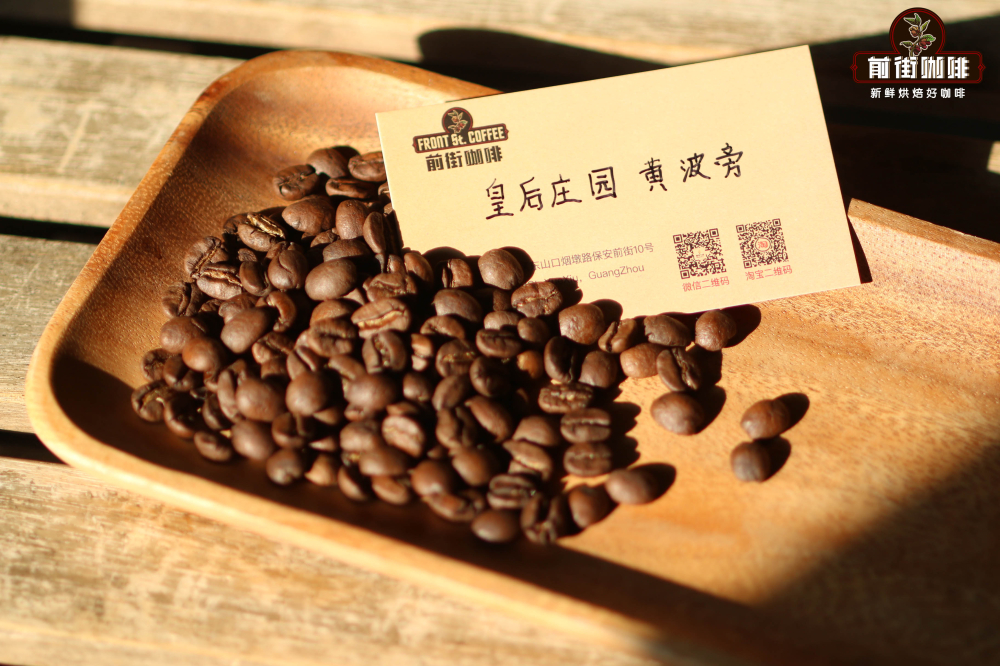
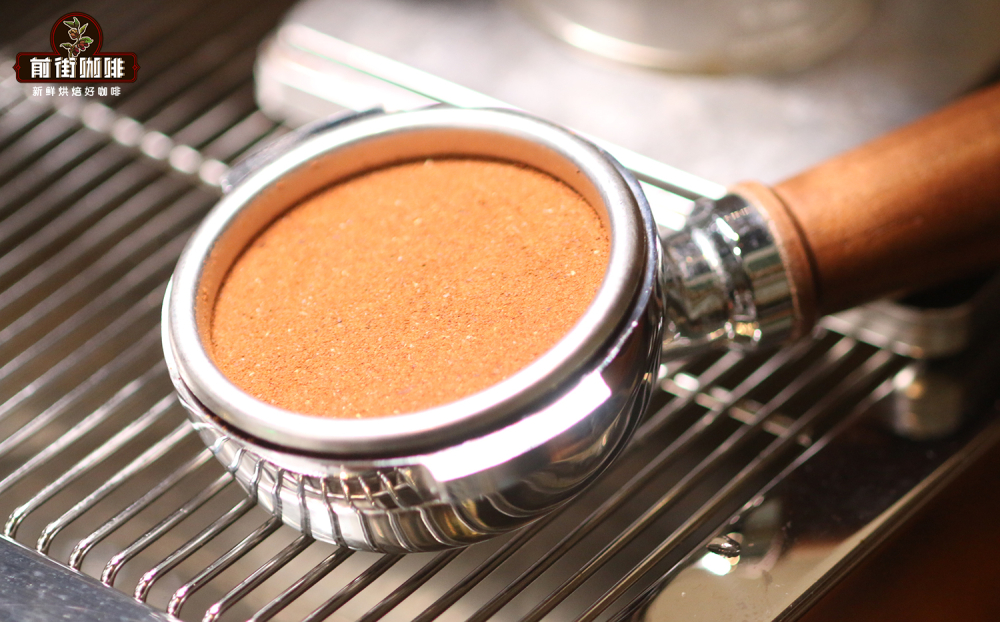
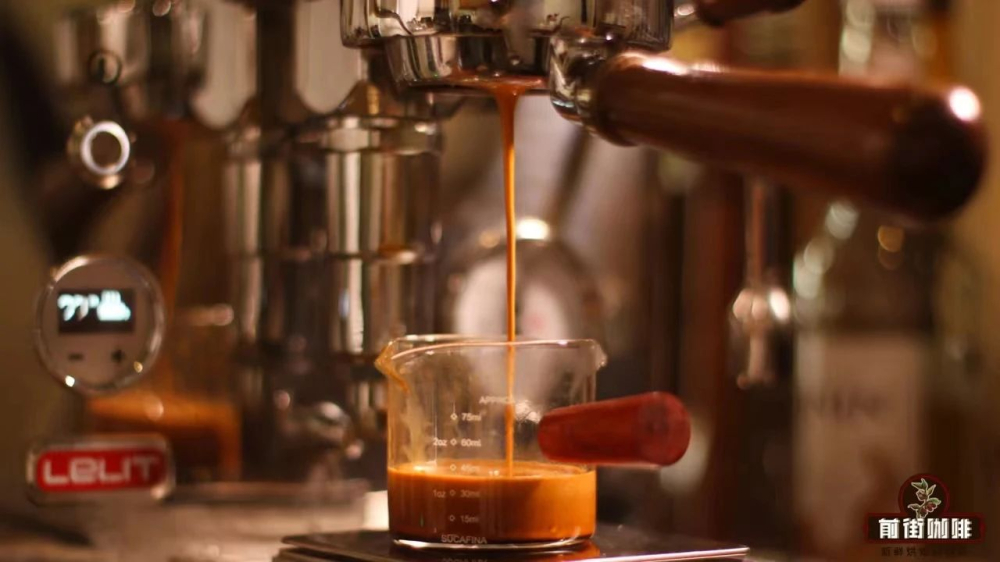
Taking Ethiopian Hachira as an example, the standard SOE extraction recipe: use 20 grams of coffee grounds, target yield 40 grams, maintaining the golden 1:2 coffee-to-liquid ratio. Set the grind size by reference to the Galileo 2.0 scale (about medium-fine grind), and strictly control the extraction time within the 26–32 second range. This parameter range ensures full formation of crema while avoiding thin flavor from too short a time or burnt bitterness from over-extraction.
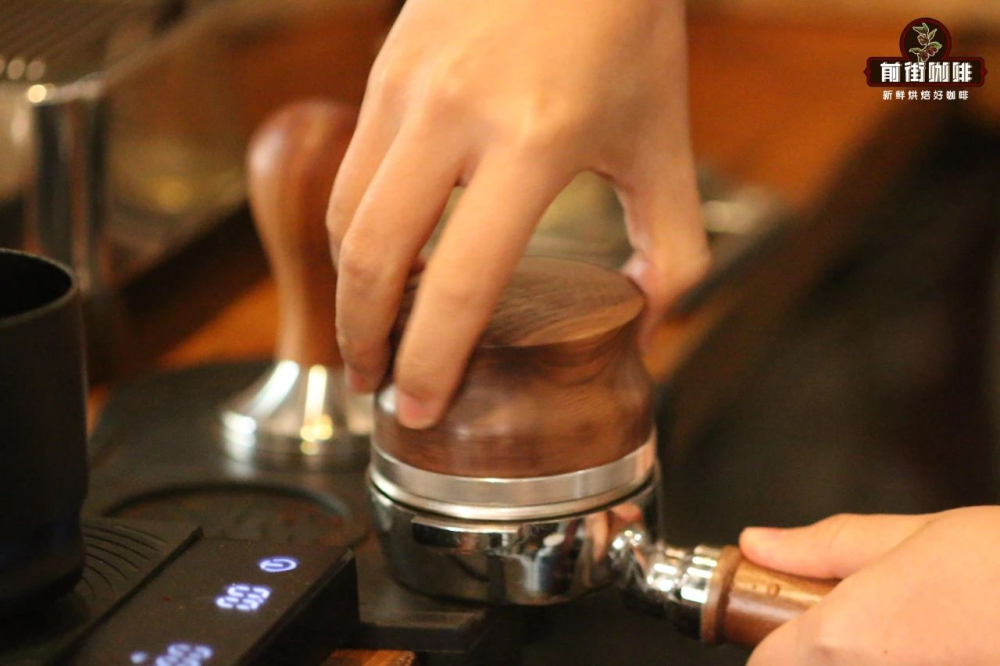
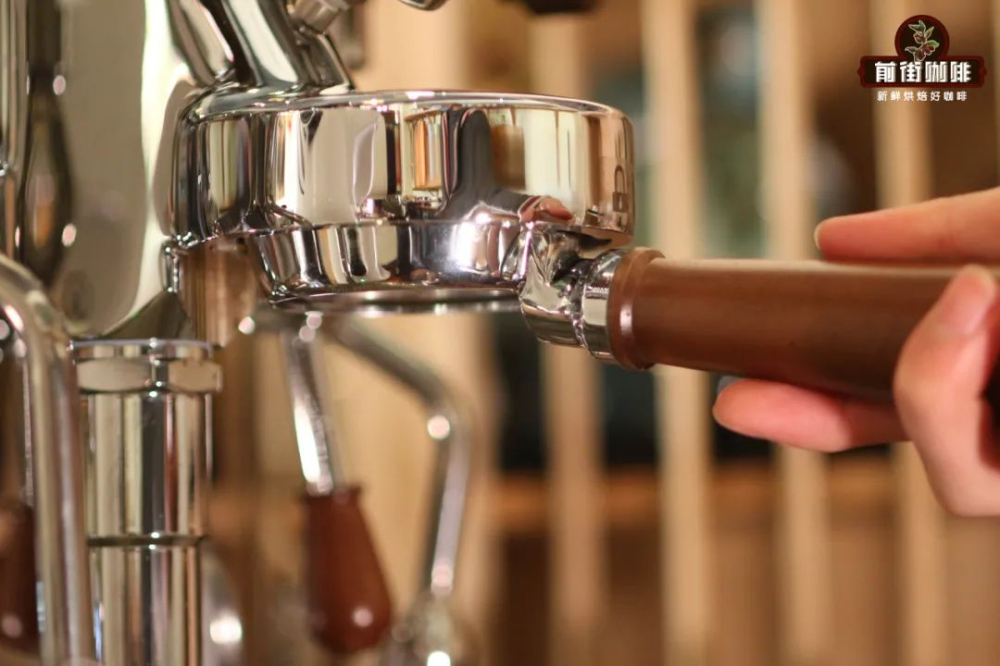
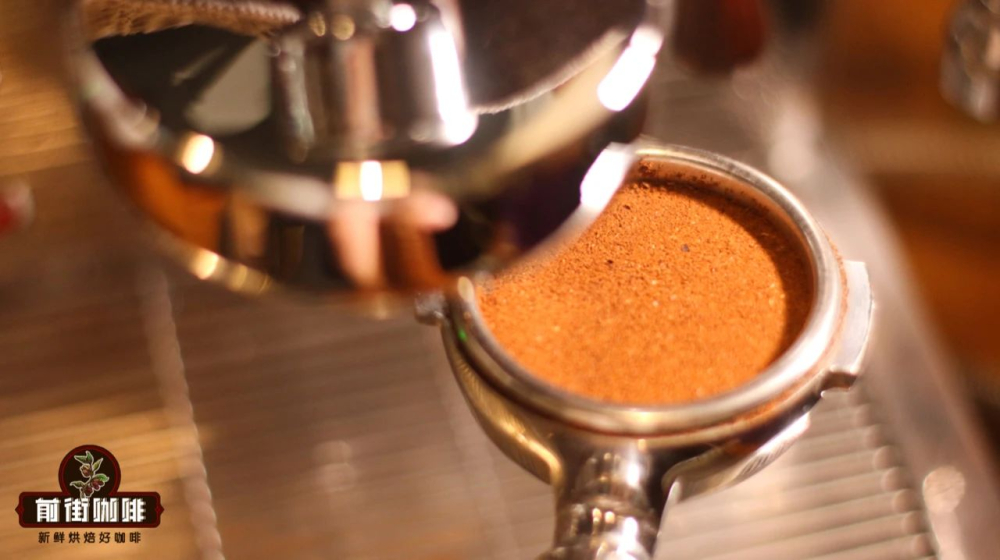
Practical points include: dry the portafilter basket in advance to prevent residual moisture from affecting extraction; weigh immediately after grinding to ensure 20 grams accuracy; use a distribution tool to spread the grounds evenly and then tamp vertically, as puck density directly affects flow stability. Releasing 1–2 seconds of water flow during pre-infusion can clean the group head and improve initial extraction quality. It is recommended to use a digital scale for real-time monitoring, stopping extraction immediately when 40 grams of liquid weight is reached (usually corresponding to about 30 seconds).
The finished SOE espresso can be adjusted to your preference: add cold or warm water at a 1:4 ratio for a refreshing Americano, or use a 1:6 ratio with fresh milk for a latte. Note that seasonal changes and bean freshness affect the optimal parameters; it is recommended to fine-tune grind size or dose based on actual extraction conditions. Master these core elements, and even home users can consistently reproduce cafe-level SOE quality.


