Blend vs. SOE: Flavor, Price and Extraction Guide

Introduction: Want to understand the difference between espresso blends and SOE (single origin espresso)? This article analyzes the differences between the two from blending principles, flavor characteristics, and roasting methods to extraction parameters, helping coffee enthusiasts choose based on taste preference and budget, while also providing practical references for making espresso and milk coffee.
In the specialty coffee field, espresso often uses blended beans as a base. These beans are made by scientifically proportioning coffee beans from different origins to create coffee with coordinated flavor and stable characteristics. In recent years, SOE (Single Origin Espresso) has gradually attracted attention, emphasizing the terroir characteristics of a single origin, but it has also sparked considerable discussion about its advantages and disadvantages compared with blended coffee. So what exactly are the advantages of blended beans? Why is SOE more expensive?
What is blended coffee?
Blended coffee, also called mixed coffee, is coffee made by mixing beans from multiple origins in specific proportions, either roasting them together or roasting separately and then blending, aiming to combine the strengths of beans from each origin and create a more balanced, richer flavor expression. For example, some beans have a prominent aroma but a thinner body, which can be supplemented by adding a bean type with greater body, forming a flavor structure balanced among acidity, sweetness, and bitterness.
Blending methods are mainly divided into two types: pre-roast blending and post-roast blending. Pre-roast blending means mixing green beans from different origins in proportion before roasting and then roasting them uniformly; post-roast blending means roasting beans from each origin to their optimal state separately and then mixing them according to the recipe. Both methods have advantages and disadvantages, and roasters usually choose flexibly based on bean characteristics.

Blended coffee vs SOE: which tastes better?
Many consumers wonder: since single origin coffee beans better express origin flavor, why is blending still necessary? In fact, blending is not a "second choice" but a craft with clear purposes. For example, blending can compensate for the shortcomings of a single bean in extraction performance—if a certain bean lacks crema, adding a bean type rich in oils can improve crema performance; if a bean is too acidic or has unbalanced bitterness, other bean types can harmonize it to achieve a more pleasing overall flavor.

In addition, because coffee is an agricultural product, climate and processing conditions each year affect flavor consistency. Single origin coffee may taste different from year to year, while a carefully designed blend recipe can maintain long-term product consistency by replacing bean types with similar flavors, which is especially important for commercial coffee shops.

Three common purposes of blended coffee
Blended beans on the market often have clear product positioning behind them. Common goals include:
1. **Cost control**: Adding a certain proportion of lower-priced beans to reduce overall raw material costs. Such blends usually have mediocre flavor performance and are not suitable for consumers pursuing a specialty experience.
2. **Maintaining flavor stability**: This is an important reason many coffee shops use blends. Blending can ensure that even if a certain bean shows flavor deviation due to changes in origin or year, the overall recipe can still maintain a relatively consistent taste experience.
3. **Creating unique flavor combinations**: Excellent blends can combine the strengths of multiple beans, such as pairing a high-sweetness bean with a high-acidity bean to achieve a sweet-acid balance, or adding Brazilian beans to enhance overall body. Such blends often require professional baristas to repeatedly test proportions to achieve the desired effect.

It is worth noting that the flavor ceiling of blended beans is directly related to recipe cost. Comparing low-priced blends with high-end SOE is not fair; high-quality blends can fully match or even surpass some SOE in flavor complexity and layering.

SOE coffee: pure expression of a single origin
SOE, or single origin espresso, usually uses coffee beans from the same origin, estate, or even processing method, emphasizing terroir personality. This coffee can directly present the bright fruit acidity of a specific origin such as African beans, the nutty and chocolate notes of Central and South American beans, or the full-bodied herbal aroma of Southeast Asian beans. When using SOE to make espresso, its flavor characteristics are more distinct and direct than blends.
However, SOE also has limitations, such as potentially greater extraction difficulty and greater sensitivity to the barista's skill and equipment. At the same time, its flavor personality is distinct and may not suit all consumers' taste preferences.

Common applications in espresso and milk coffee
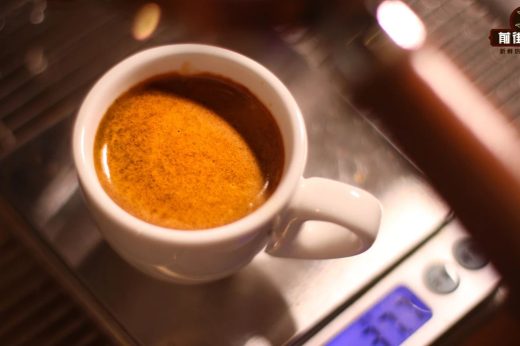
Whether blend or SOE, the most common application is still espresso. The standard extraction parameters are recommended as: dose 20 grams, extraction time about 26 seconds, target yield 40 grams. These parameters can show the coffee's core flavor and are also the basis for preparing milk coffee.
The recommended ratio for a classic hot latte is: one 40-gram espresso with 240 grams of steamed milk, with fine, silky milk foam and a balanced fusion of coffee aroma and milk fragrance. For hot Americano, 40 grams of espresso can be added to 200 grams of hot water, giving a refreshing taste with distinct layers of acidity, sweetness, and bitterness, suitable for drinkers who prefer lighter coffee.



For daily drinking, most espresso blends are still mainly made into lattes or Americanos with milk or water, and consumers who drink espresso alone are relatively few. A properly roasted blend can show rounded body in milk coffee and also provide a solid base in black coffee, making it a core player in the espresso system.
In short, blends and SOE are not opposites but choices that meet different needs. Understanding their differences and advantages helps you find the cup that best suits your personal taste.