Blended Coffee Beans Explained: Why Specialty Cafes Prefer Blends
Introduction: Blended coffee beans are not a cheap substitute but a professional choice for baristas pursuing flavor balance and consistent extraction. Learn how blending beans from two or more origins through scientific ratios enhances the depth and consistency of espresso, lattes, and other coffee drinks. This article explains the flavor advantages of blends, common roasting methods, and recommends blending approaches for different needs, helping you find the ideal beans for home or shop use.
Blended coffee beans are made by mixing two or more coffees from different origins in specific proportions, a technique common in the espresso system, especially for medium-dark to dark roast recipes. When you order at a cafe, unless otherwise specified, the staff typically use this type of blend by default—the espresso and Americano made from them often carry a rich chocolate and cocoa finish, while lattes present a smooth sweetness of nuts and cream.
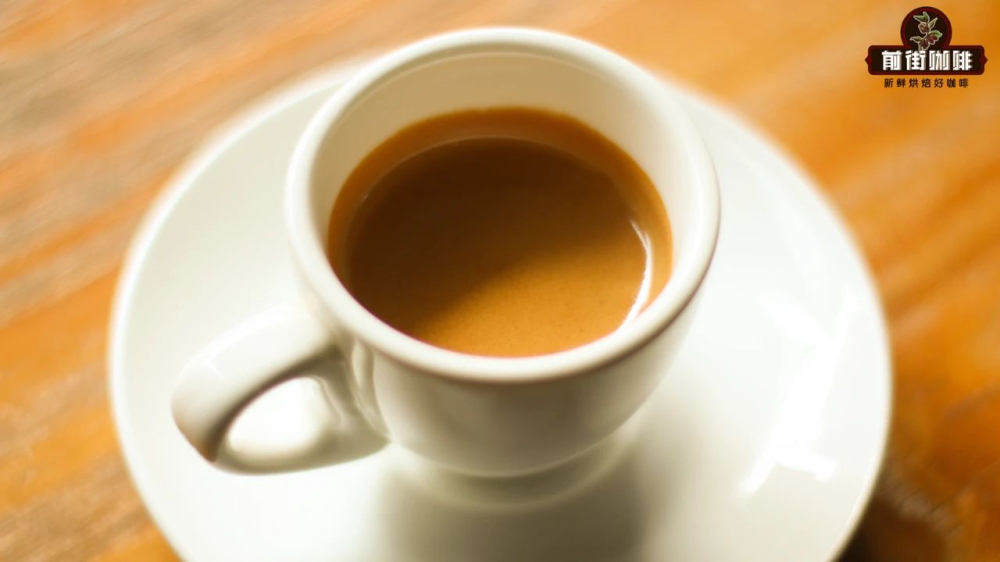
Many people mistakenly believe that blends are merely synonymous with low-priced coffee. In reality, choosing a blend is not simply to save costs but to achieve precise flavor control and long-term consistency. Because coffee beans are an agricultural crop, annual differences in climate and processing conditions cause flavor fluctuations in single origins, whereas scientific blending can combine the strengths of different beans—for example, balancing acidity, enhancing body, or highlighting specific sweetness and aroma. This blending also allows flexible adjustment of the ratio of beans from each origin according to the target taste, such as strengthening chocolate notes or boosting bright fruit acidity.
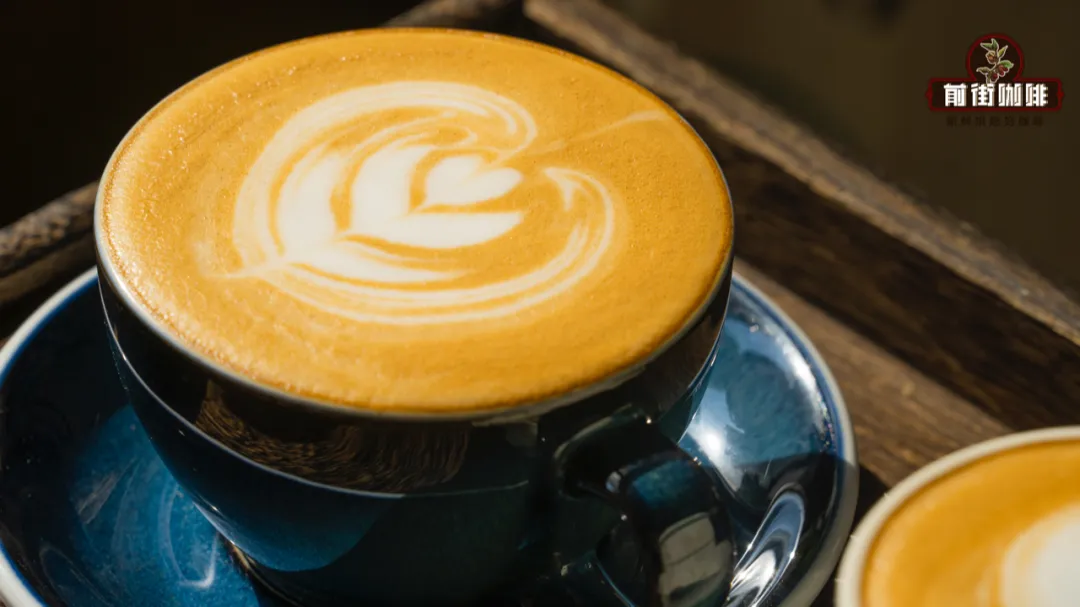
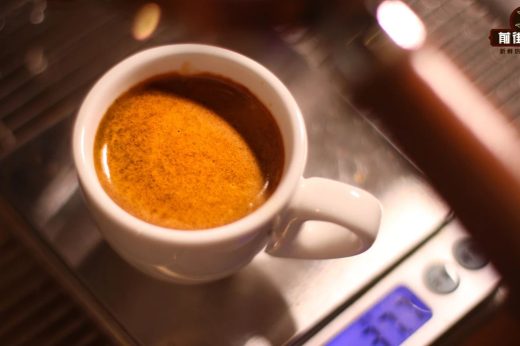
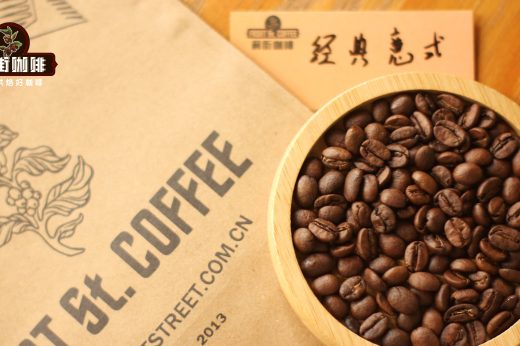
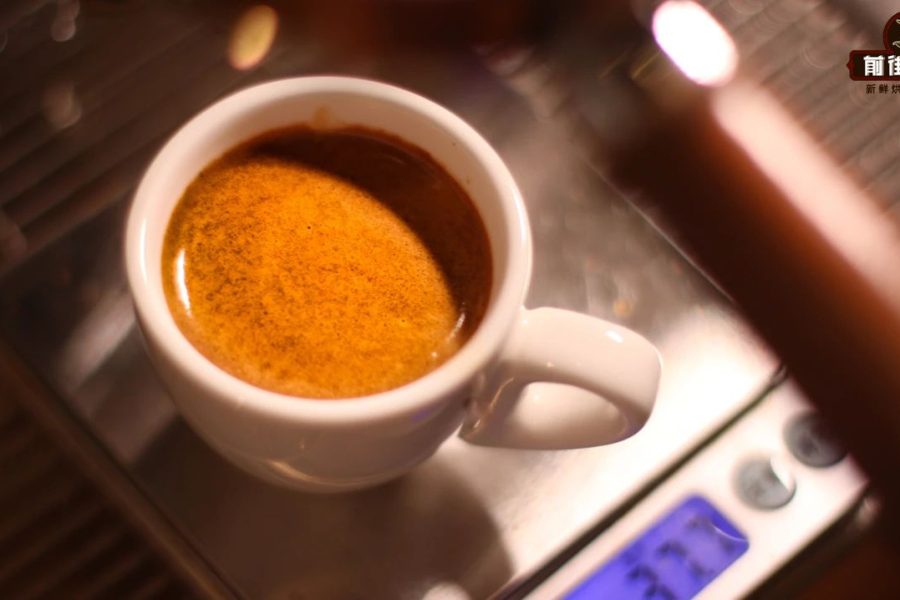
Take the classic medium-dark roast blend as an example; these beans are often used to make espresso with a full crema. The roasting curve is usually controlled within the range of "dense first crack to its tail end" to ensure the beans release sufficient crema while retaining the sweetness from caramelization reactions. Note: The crema richness of an espresso blend depends not only on the roast level but is also closely related to the bean combination—for instance, adding a certain proportion of high-density hard beans (such as certain South American varieties) can improve crema persistence, while Southeast Asian beans (such as Vietnamese robusta) can enhance overall body.
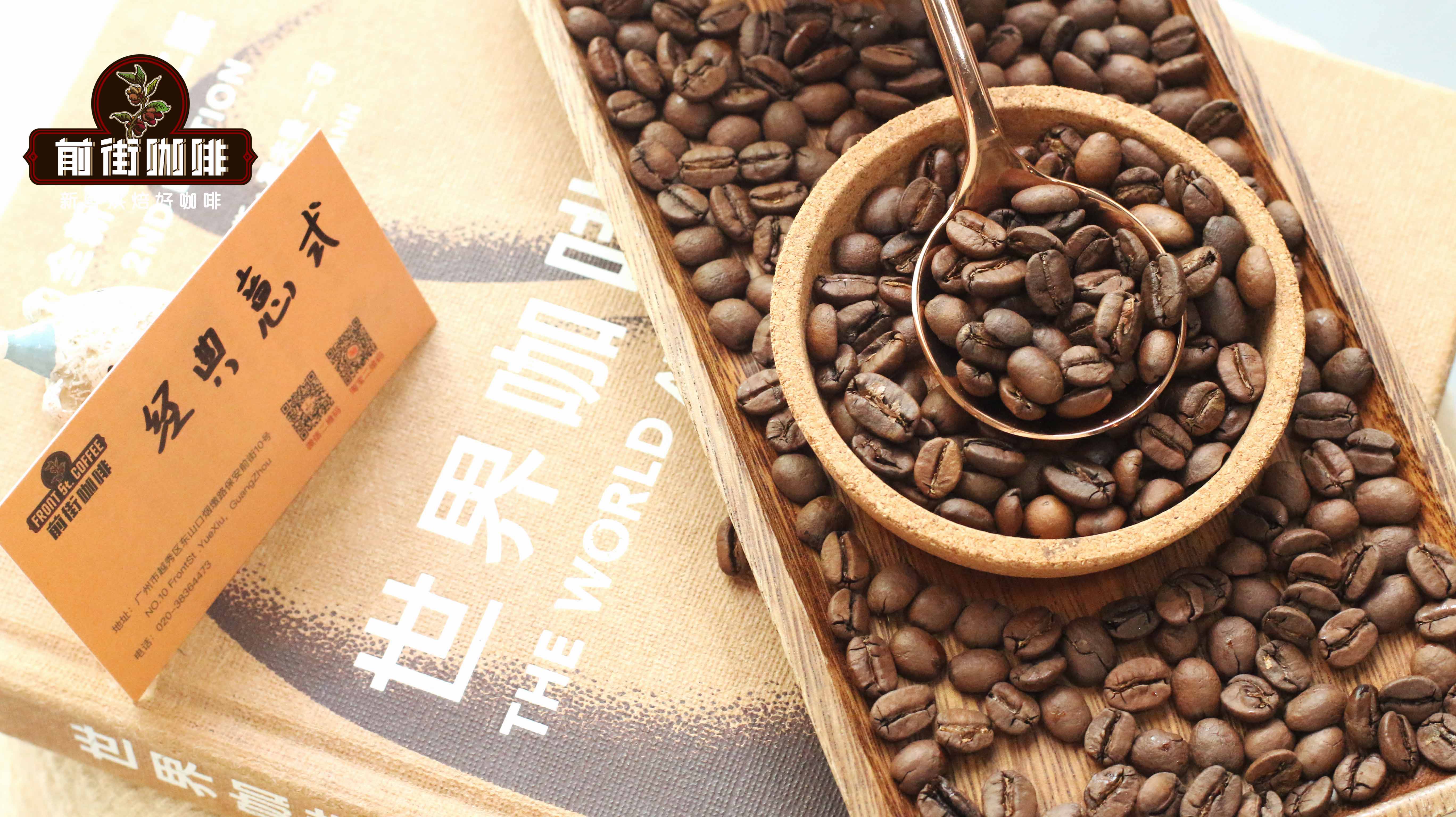
If you prefer a rich, full-bodied taste, you can choose the classic combination of Indonesian Mandheling and Brazilian beans. The herbal spiciness of Mandheling and the nutty base of Brazilian beans complement each other; this recipe has a long history in traditional cafes and is especially suitable as a base bean for lattes. For further optimization, a small amount of robusta (recommended not exceeding 20%) can be added; its higher caffeine and oil content effectively enhances the body of espresso, making the foam more stable and dense during latte art.

For those seeking prominent fruit notes, try a blend based mainly on medium roast. For example, combine Central American honey-processed beans (such as Costa Rica) with African Ethiopian natural beans, controlling the roast to the "start of first crack" stage to retain more floral and fruity acidity. When extracting espresso from these beans, pay attention to the dose-to-yield ratio (recommended 1:2 to 1:2.5) and flow rate to avoid over-extraction causing sharp acidity. The final cup should present sweetness reminiscent of berry jam or soft candy, accompanied by a velvety crema texture.

For consumers who like nutty and chocolate notes, a blend of Brazil and Colombia is a safe choice. Brazilian beans contribute low-acidity roasted nuts and caramel flavors, while Colombian beans bring a dark chocolate finish; combined and roasted at medium-dark (about 205°C to 210°C drum temperature), they produce a complex aroma resembling cream cookies. For extraction parameters of such blends, it is recommended to use 9-10 bar pressure and 25-30 seconds extraction time to fully extract the crema layer.
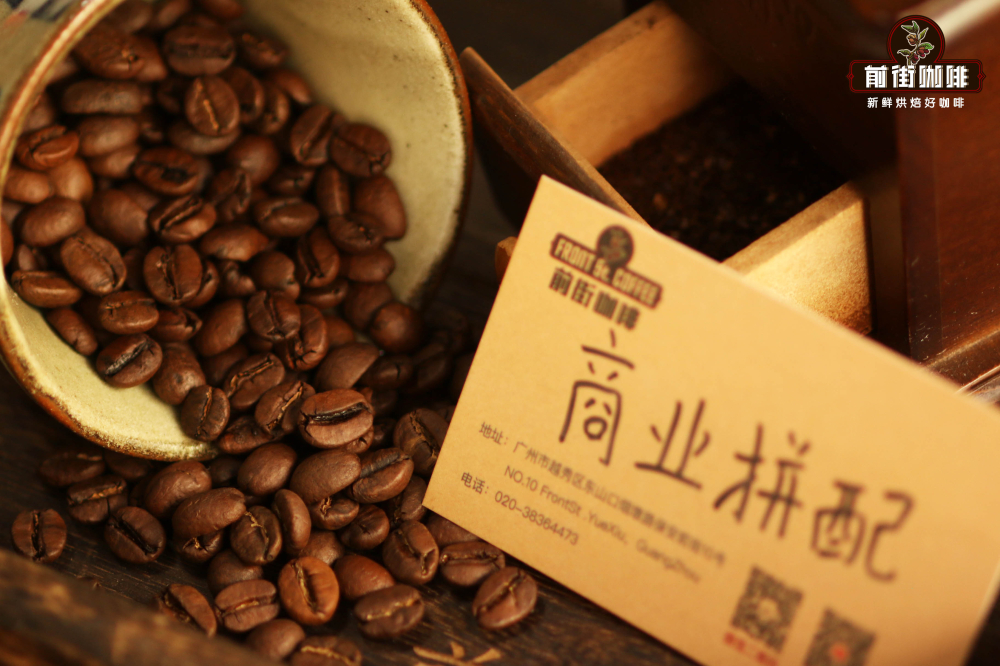
To replicate the flavors common in commercial cafes (such as chain-brand Americanos and lattes), you can use a three-part blend of Brazilian, Colombian, and Vietnamese beans. Medium-dark roasting (about 215°C) strengthens caramel and toasted bread aromas, while the addition of Vietnamese robusta significantly improves crema thickness and smoothness. Such beans offer outstanding value and are suitable for daily home consumption; when making Americano, it is recommended that the added water not exceed 1:16 of the dose, while for lattes, pairing with whole milk maximizes the sweetness.

Beginners can start with a basic blend, which usually contains mild fruit acidity (such as citrus notes), caramel sweetness, and a dark chocolate finish; the overall taste is smooth and the price is affordable. For the roast level, choose medium-dark (about 208°C), which showcases the basic flavor layers without over-roasting that masks the characteristics of the beans. When storing, use one-way valve sealed bags to avoid humid environments that cause oil oxidation and affect flavor stability.