Can Blended Beans Be Used for Pour-Over? Golden Ratios and Brewing Tips for SOE Lattes
Introduction: From office pour-overs to café lattes, coffee lovers often face the dilemma of choosing between blended and single-origin beans. This article takes a deep look at whether blended coffee beans are suitable for pour-over, the key points of making lattes with SOE espresso, professional-grade extraction parameters and flavor-balance solutions, and reveals the effect of the resting period on dark-roasted beans. Master these techniques, and you too can recreate café-level flavor at home.
Modern coffee consumption has long broken through the walls of specialty shops to become a daily companion on office workers' desks. Faced with a dazzling array of coffee types—from espresso to specialty pour-over, from single origins to blends—many beginners often fall into a selection dilemma: are those coffee beans labeled "blend" only good for making high-pressure extracted espresso? And when using SOE (single-origin espresso beans) that claim to showcase regional flavor to make a latte, how should you balance the ratio of milk to coffee to achieve the best taste?
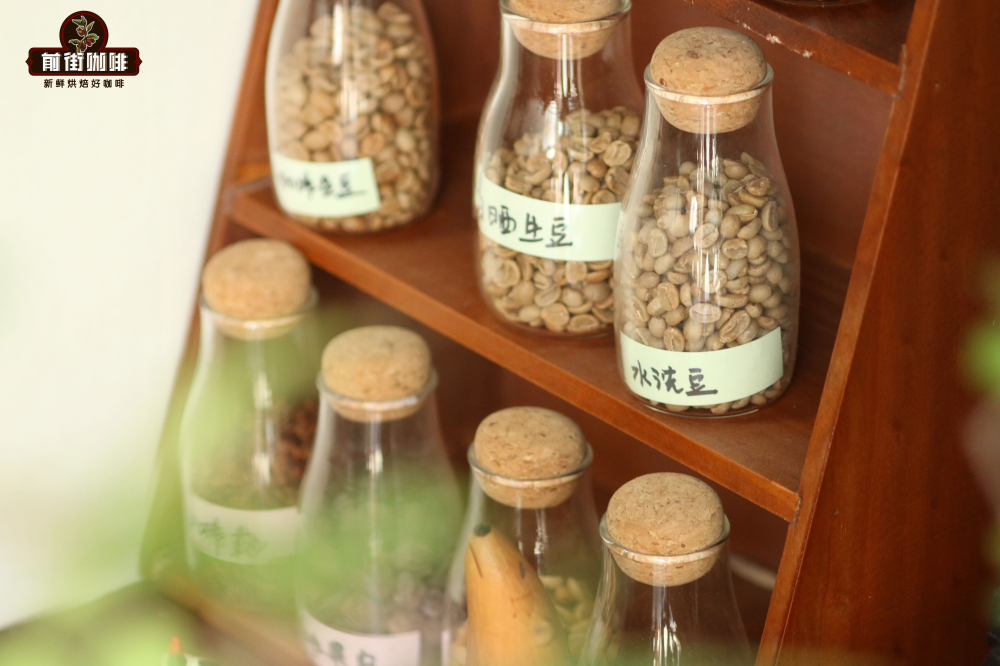
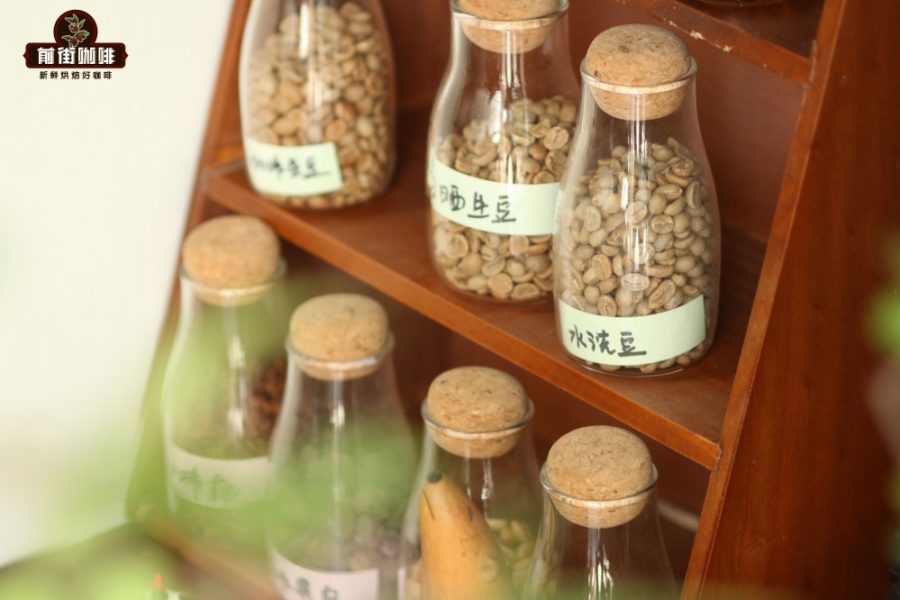
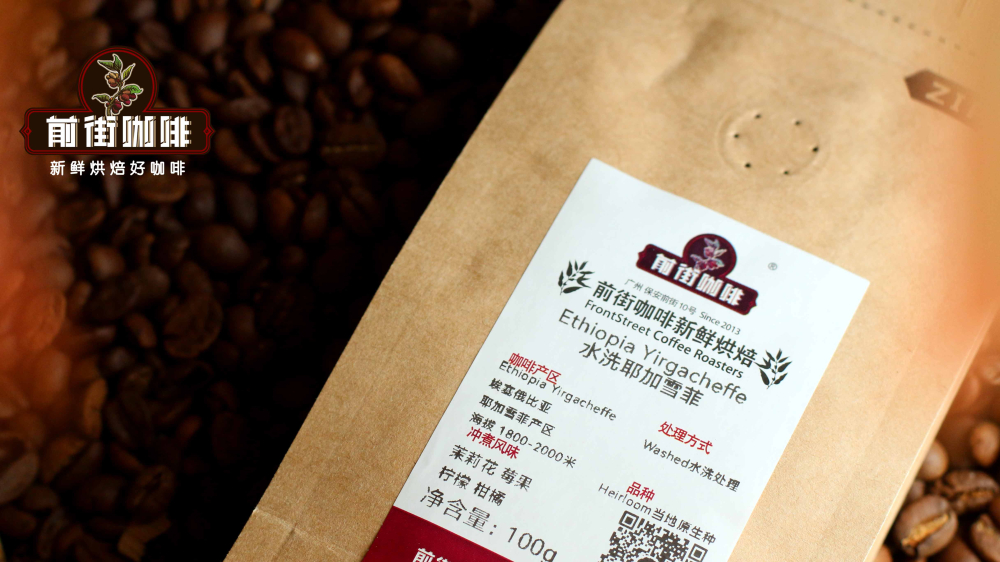
Take the sunflower-themed blend common on the market as an example. These blended beans designed specifically for espresso machines are usually composed of 2-3 coffee beans from different origins. By scientifically proportioning the bright acidity of African beans with the full body of Asian beans, they can ensure a stable crema layer during high-pressure extraction while maintaining a balance of acidity, bitterness, sweetness and aroma. In contrast, when directly using a typical single-origin bean such as Ethiopian Yirgacheffe to make espresso, its signature citrus notes are sharply amplified under 9 bar of pressure, and the final result may be a cup with piercing acidity, 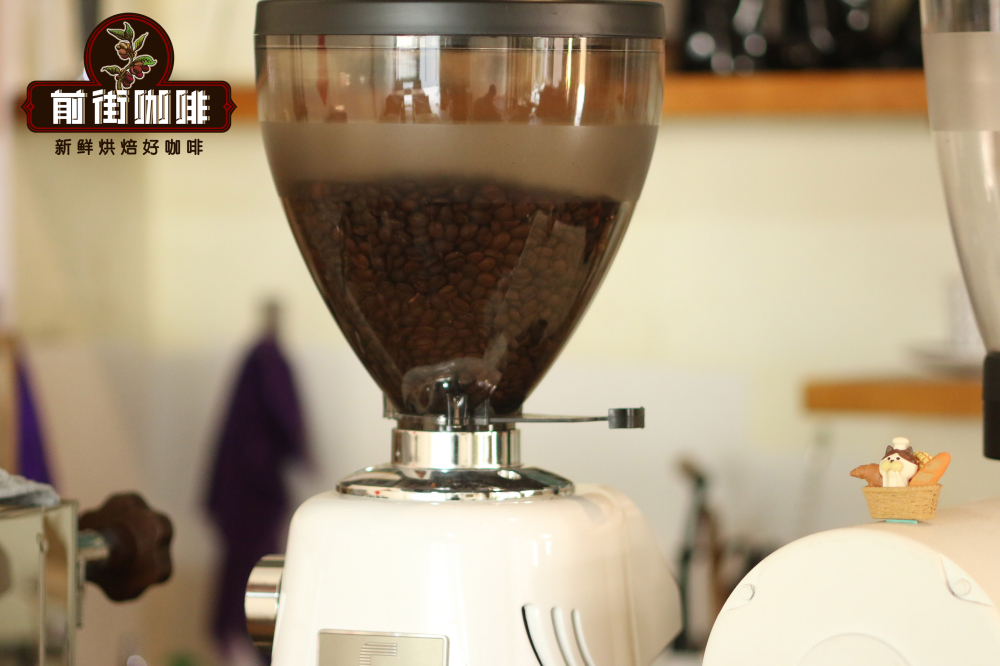 which is clearly different from the balanced taste most consumers expect.
A deeper look at the principles of espresso extraction reveals the key: within the 30 seconds that 92-96°C hot water passes through a fine-ground coffee puck at 9 bar, soluble substances and aromatic compounds in the coffee are forcibly extracted. This extreme extraction condition acts like a magnifying glass, infinitely intensifying the flaws of any single flavor—for example, the herbal, earthy notes of Indonesian Mandheling may turn into an unpleasant bitter-medicine taste under espresso extraction.
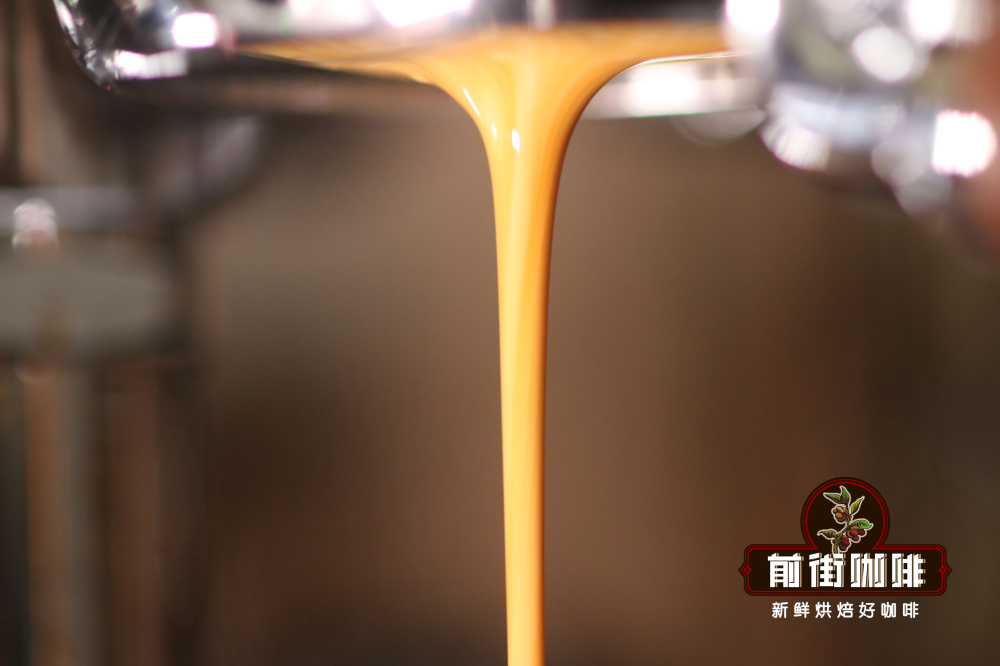
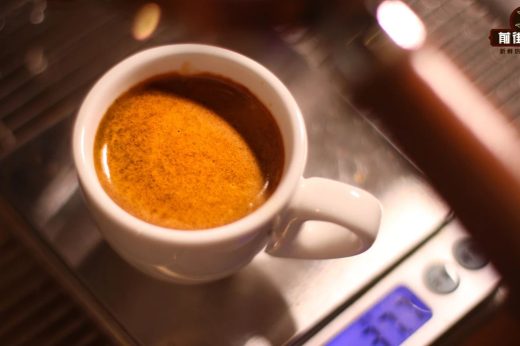
For this reason, professional baristas prefer carefully formulated blends. An excellent espresso blend requires the synergy of at least two beans with different processing methods: for example, combining the nutty notes of Brazilian beans with the chocolate finish of Colombian beans, supplemented by a small amount of Ethiopian natural beans to add floral and fruity aroma. This composite formula not only ensures flavor stability in every extraction, but its full-bodied base also perfectly carries the silky texture of milk. For home users, choosing a comprehensive blend with a moderate roast level (medium to medium-dark roast is recommended), paired with a 1:2 to 1:3 dose-to-yield ratio (18-20g dose yielding 36-40g liquid), extracted at 93°C with a double-spout filter basket for 30±2 seconds, will produce an ideal espresso base.
When making a latte with SOE, controlling the ratio of milk to espresso is particularly critical. The standard approach is a golden ratio of 1:5 (30-40ml espresso + 150-200ml fresh milk); at this point, whole milk with a fat content of 3.2%-3.8% is recommended, as its protein can form fine microfoam under steam. An advanced technique is to taste the espresso on its own before pouring the milk: if the acidity stands out (common in light-roast SOE), increase the milk to a 1:6 ratio to buffer it; if the bitterness is too heavy (common in dark-roast beans), keep a 1:4.5 ratio and extend steaming time to 30 seconds to form a thicker foam layer.
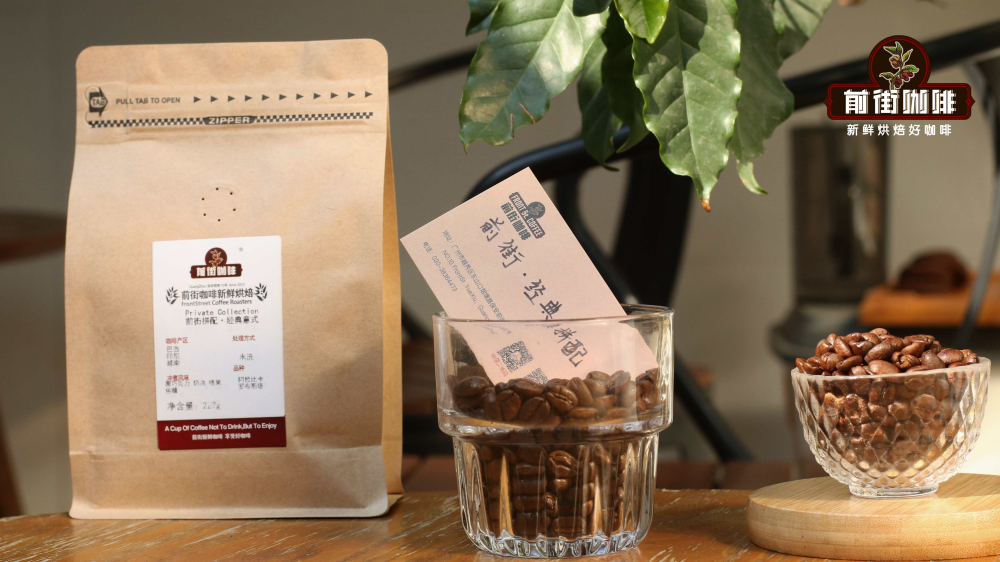
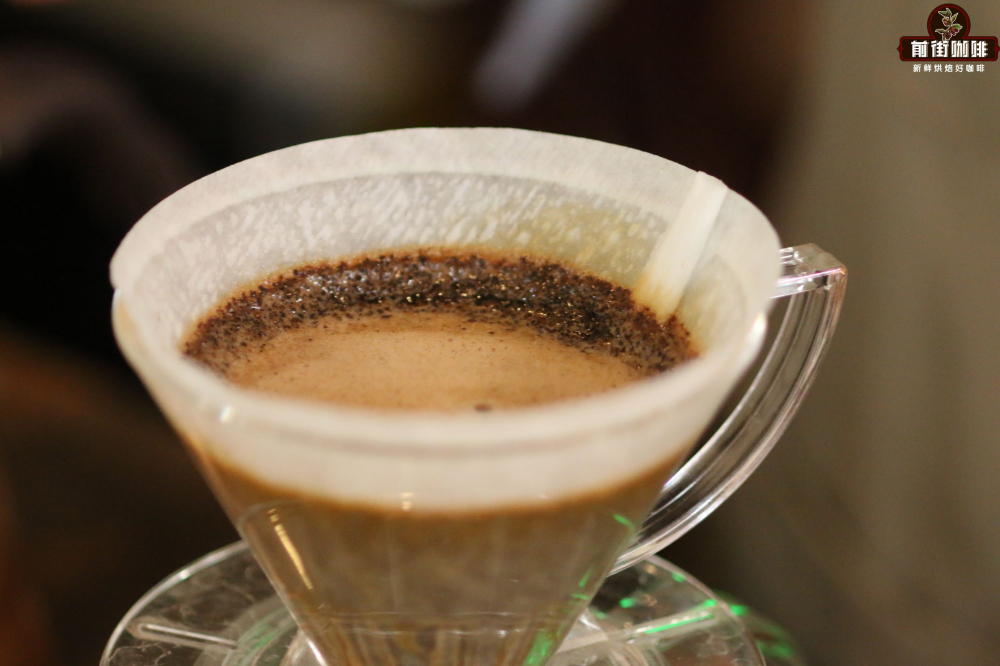
As for the question of whether blended beans can be used for pour-over, the answer is yes—but the parameters need to be adjusted accordingly. Take a medium-dark roasted blend (such as a mix containing Brazilian, Sumatran and other origins) as an example; the following professional pour-over plan is recommended: use a KONO dripper (whose rib design slows the water flow), control the water temperature at 88±1°C, and set the dose-to-water ratio at 1:15 (15g coffee to 225ml water). The operation is divided into three pours: first, bloom with 30g of water for 30 seconds to awaken the coffee grounds; then pour in a spiral from the center outward up to 125g for the first separation; finally, pour slowly to 225g to complete the extraction. The whole process takes about 2 minutes. Note in particular that dark-roasted beans need to rest for 4-7 days in advance, and should be used only after the carbon dioxide in the bag has been fully released.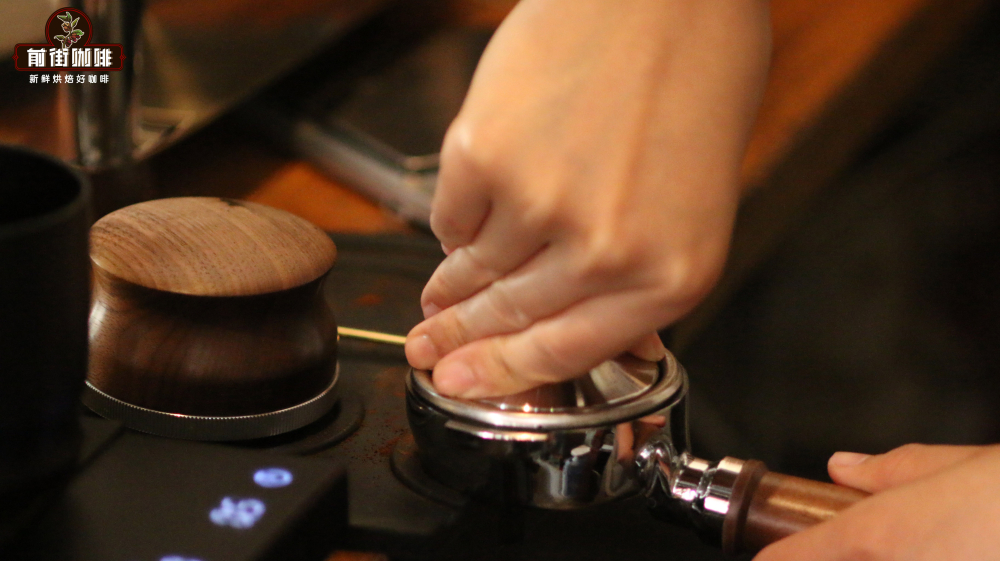

The effect of the resting period on coffee flavor is often overlooked. Freshly roasted coffee beans retain a large amount of carbon dioxide internally, and these gases hinder contact between hot water and coffee grounds, causing uneven extraction. Experimental data shows that medium-roasted beans usually need 5-7 days to complete gas release; during this period, a simple 30-second degassing each day (opening the bag for ventilation) can speed up the stabilization process. When starting pour-over, the blooming stage (recommended water amount at 2 times the dose, 93-95°C water temperature) can effectively activate aromatic compounds; the observed expansion height (usually 1.5-2 times the height of the coffee bed) can serve as a basis for judging freshness.
In summary, whether for espresso or pour-over coffee, the core of choosing blended or single-origin beans lies in clarifying the drinking scenario: for a quick and stable weekday pick-me-up, a balanced espresso blend is the better choice; for weekend flavor exploration, try single-origin beans from different regions paired with professional equipment. Remember the key parameters: espresso extraction focuses on the acid-bitter balance under 9 bar of pressure, while pour-over relies on precise control of water temperature and time. Once you master these basic principles, you can create a professional-level coffee experience even with home equipment.