Tanzania Kilimanjaro Coffee: Flavor Profile and Brewing Guide
Introduction: This in-depth analysis explores the distinctive flavor characteristics and growing background of Tanzania Kilimanjaro coffee beans, from the varieties nurtured in volcanic soil to professional cupping dimensions, revealing the flavor code of this African classic. The article includes flavor descriptions, optimal roast recommendations and brewing parameter references to help you precisely capture the essence of this ‘wild African coffee.’
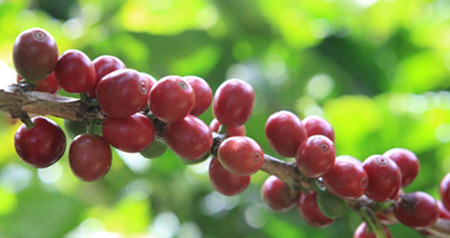
Grown in the Kilimanjaro volcanic region of northeastern Tanzania, Kilimanjaro coffee is an African specialty variety well known to specialty coffee enthusiasts worldwide. Africa's highest peak, at 5,895 meters, is snow-capped year-round, and the volcanic slopes at its foothills between 1,200 and 1,800 meters (about 3,900-5,900 feet) provide coffee trees with a mineral-rich growing environment. The Moshi growing region, the core cultivation belt, has volcanic ash soil that gives the beans a full body and mild acidity, creating their signature cocoa-nut character and layered fruit aromas.
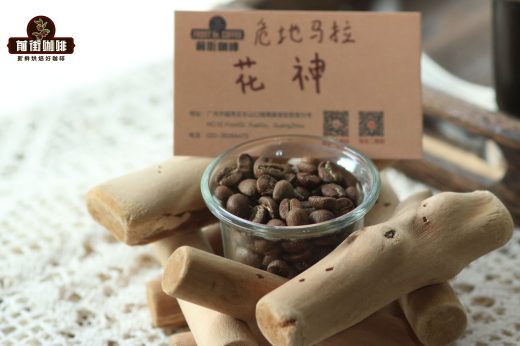
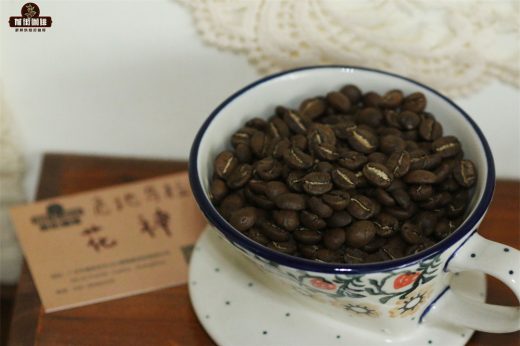
This variety is Tanzania's top-grade AA bean, plump in shape and grayish-green, medium-to-large in size and strictly screened. Even as green beans they give off fresh fruit aromas and a faint vinous note; at a medium roast (recommended roast level: City roast/Agtron 55-60) the sweetness and clean acidity are balanced, with a lively acidity reminiscent of tomato or a lightly carbonated drink; a dark roast (French roast/Agtron 30-35) highlights chocolate finish and soft caramel bitterness, making it suitable for blends that add body. Professional cupping shows its acidity is milder than Kenyan beans, with stimulation on the tongue concentrated in the mid-to-late section, carrying a distinctive ‘wild’ fermented character.
Flavor wheel descriptions often include: dry aroma (nuts/caramel/red berries), wet aroma (jasmine/citrus peel), mouthfeel (silky smooth/moderate body), aftertaste (dark chocolate/smoked oak). Common flavor defects include grassy or musty notes caused by improper storage; when buying, check the seal of the packaging and the roast date (best within 2-4 weeks after roasting).
Brewing parameters for reference:
• Pour-over: V60 dripper/92-94°C water/1:15 coffee-to-water ratio/medium-fine grind (Chinese standard No. 20 sieve, 70-75% passing)
• French press: 90-92°C/1:12/coarse grind/4-minute steep
• Espresso machine: grind close to granulated sugar; blending with beans from other regions is recommended to balance acidity
Professional cupping evaluation dimensions should cover:
1. Flavor clarity (presence of off-flavors or impurities)
2. Acidity structure (brightness and persistence)
3. Sweetness intensity (sucrose/caramel layers)
4. Body (mouth-coating sensation)
5. Balance (harmony of all elements)
6. Aftertaste length (a high-quality sample should last more than 15 seconds)
As early as the 20th century, Tanzanian coffee earned the title ‘coffee gentleman’ in the European market, and together with Jamaican Blue Mountain and Yemen Mocha it is known as one of the three classics. When buying, look for the country-of-origin certification mark (e.g. ‘Tanzania Peaberry’ is a special round-bean version), and be careful to distinguish commonly confused origins—neighboring Kenyan beans usually have sharper acidity, while Ethiopian beans have more pronounced floral notes. Store properly in one-way valve foil bags; away from light and moisture, flavor remains stable for 6-8 months.