Guatemala's eight coffee regions: flavors and growing conditions
Introduction: As a major origin of specialty coffee worldwide, Guatemala nurtures coffees of strikingly different styles through its varied terrain and distinctive climates. This article takes an in-depth look at eight representative coffee regions of the country, explaining the flavor characteristics of each region's beans from the starting point of growing conditions such as altitude, soil and climate, to help coffee lovers and industry professionals select and taste more precisely and deepen their understanding of coffee terroir.
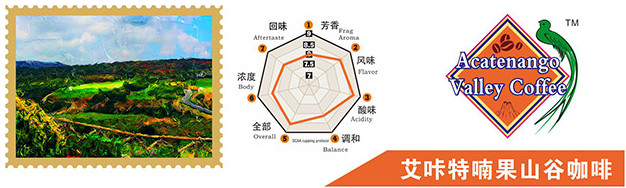
The Acatenango Valley region of Guatemala lies in highlands at about 2,000 meters, where vegetation is dense and the ecosystem is unlike any other. Frequent activity at the neighboring Fuego volcano gives the local soil a coarse, sandy texture rich in minerals. Influenced by temperate Pacific sea breezes and a climate with four distinct seasons, the area mostly uses natural sun drying and carries on traditional family processing methods.
Coffee from this region usually has pronounced acidity, rich and pleasant layers in both dry and wet aroma, good body, and a clean, lingering finish, making it very well suited to pour-over enthusiasts seeking depth of flavor.
The Rainforest Cobán region is known for being cloudy and rainy year-round with a cool climate. Coffee farms here are mostly spread across rolling, mist-wrapped hills and mountains, and the soil is strongly influenced by limestone and clay from the Atlantic watershed. The area has only two seasons, the rainy season and the very rainy season, with extremely abundant humidity and rainfall.
Coffee from this area often carries distinct tropical fruit flavors, with balanced overall body and a fresh, pleasant aroma, making it a top choice for consumers who like fruit-forward coffees.

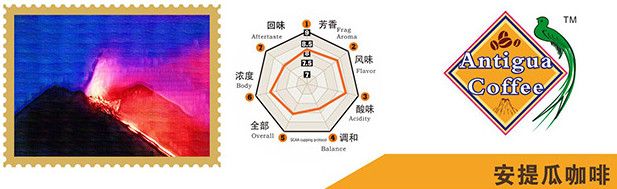
The Antigua region sits in a valley ringed by three volcanoes—Agua, Fuego and Acatenango. The terrain is lower but sunny, nights are cool and humidity is moderate. Frequent eruptions bring mineral-rich volcanic ash soil, while volcanic pumice helps the soil retain water, offsetting the relatively low rainfall, and dense shade trees also give the coffee trees a natural barrier against occasional frost.
Antigua coffee is known for intense aroma, prominent sweetness and a light, elegant mouthfeel, with a full wet aroma and excellent overall balance, making it a favorite of many seasoned coffee drinkers.
The Huehuetenango highlands are the driest and highest of Guatemala's three non-volcanic regions, with some growing areas reaching 2,000 meters. Dry, hot winds from the Tehuantepec plateau in Mexico effectively prevent frost, allowing coffee growing to continue reliably at high altitude. Because of the remote location, farmers must process their own coffee, and fortunately the many streams in the area make it easy to set up small processing stations.
Coffee here has bright, pleasant acidity, solid body, and a finish that often carries a wine-like aftertaste, suited to consumers who enjoy the harmony of vinous notes and high acidity.

The Huixoc highlands have volcanic soil, high altitude, abundant rainfall and considerable variation in humidity. The area is influenced by Pacaya, Guatemala's most active volcano, and its soil is rich in various minerals. The dry season brings plenty of sunshine; although mornings often come with mist and dew, it soon disperses, so almost all coffee in this area is processed by full sun drying.
Its flavor shows bright, stable acidity, intense aroma and a fine, soft body, making it an ideal choice for fans of sun-dried coffees.

The Nuevo Oriente region has been farmed mainly by smallholders since the 1950s, and today every mountain farmer is an independent production unit. Once one of Guatemala's most remote and impoverished areas, it has now taken on new life. The climate is rainy and cloudy, and the soil derives from ancient volcanic metamorphic rock, rich in minerals with a distinctive nutrient structure that contrasts sharply with other volcanic regions.
Coffee here is balanced in flavor with a full body, often carrying a warm, chocolate-like finish, suited to people who prefer rich and balanced flavors.

The traditional Atitlán region is one of Guatemala's five volcanic coffee regions, and its soil has the highest organic matter content of the five. More than ninety percent of the coffee is grown on the steep volcanic slopes around Lake Atitlán, and the lake breezes have an important influence on the local microclimate. The area has a long heritage of growing and processing expertise.
Coffee from this region has a fresh, captivating aroma, lively acidity and a full, substantial body, making it the obvious choice for specialty coffee lovers seeking flavor complexity and the character of a particular terroir.

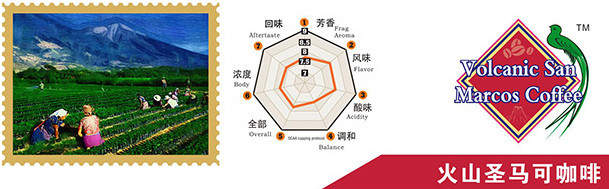
The San Marcos volcanic region is the hottest and wettest of Guatemala's eight regions, with annual rainfall reaching about 5,000 mm; the rainy season also arrives earlier than elsewhere, so the coffee flowering period comes correspondingly earlier. As in other remote regions, coffee here is grown and processed by smallholders themselves. Because of the frequent rain, most coffee is first pre-dried in the sun and then finished in Guardiola dryers.
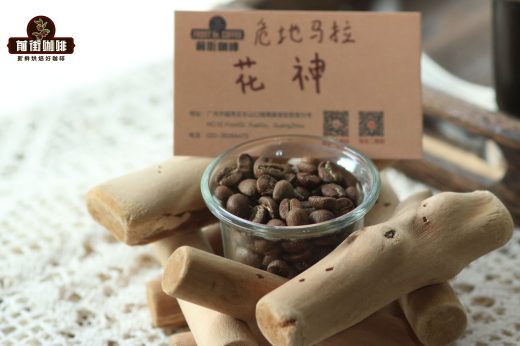
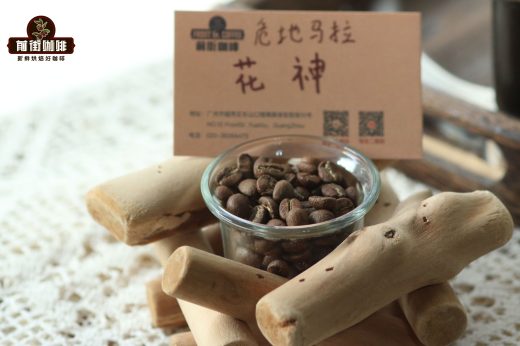
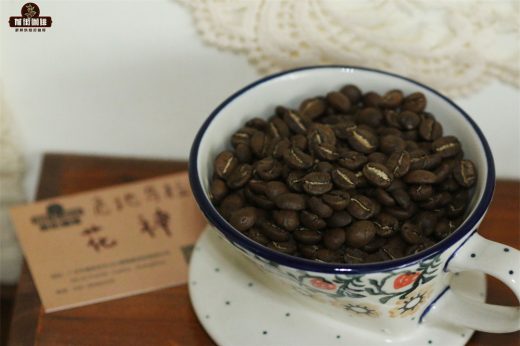
San Marcos coffee has subtle floral notes in the aroma, clear acidity and good body, suited to drinkers who like a coffee experience that is both fresh and full.