Guatemala Coffee Regions: Flavor Profiles and Growing History

Introduction: Guatemala's distinctive high-altitude volcanic soils and diverse microclimates give rise to rich, layered specialty coffee beans. This article takes you deeper into the distinctive flavor characteristics and growing-history background of Guatemala's seven major coffee regions, and how to choose beans suited to pour-over or extraction based on flavor descriptions, helping you find the coffee experience you are looking for.
Guatemala is not only a country with a long history in Central America but is also known for its high-altitude volcanic terrain, which provides exceptional natural conditions for coffee growing. Coffee cultivation here began in 1750, introduced by Jesuit missionaries, and by the late 19th century German immigrants further drove the industry's development at scale. Today Guatemala has become an important specialty coffee region globally, and its coffee enjoys a high reputation among coffee lovers worldwide for its full, balanced flavor and distinctive regional character.
Guatemala has seven major coffee regions: Antigua, Huehuetenango, Atitlán, San Marcos, Fraijanes, Cobán and Santa Rosa. Because of differences in altitude, soil, climate and micro-environment, the beans grown in each region have their own characteristics in acidity, sweetness, body and flavor layers. Among them, the Antigua region is especially well known, and its coffee is often described as "the nobility of coffee."
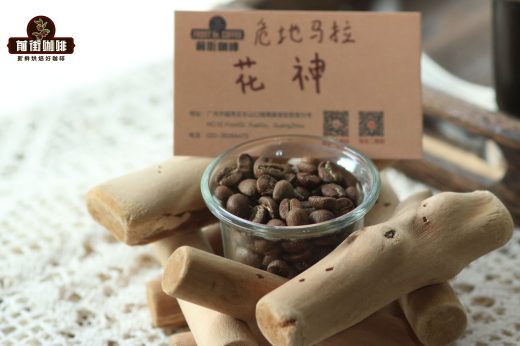
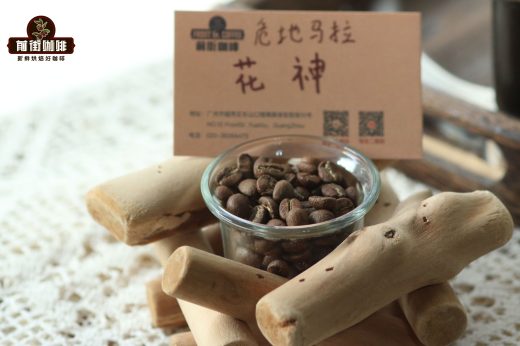
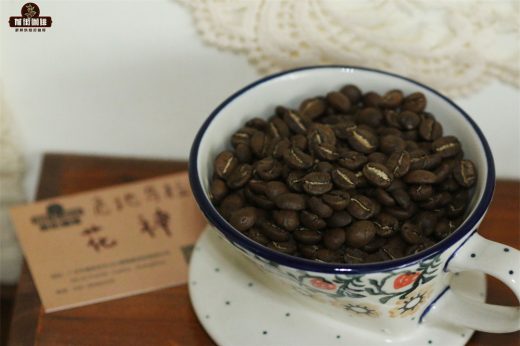
The Antigua region lies in southwestern Guatemala, surrounded by three active volcanoes—Agua, Acatenango and Fuego—forming mineral-rich volcanic soil. Altitudes here are generally above 1,500 meters, with intense sunlight and cool nighttime air currents, plus regular annual rainfall, together creating an ideal coffee-growing environment. The El Pulcal coffee produced by Finca El Carmen in the region is regarded as a representative work of the area. This coffee is known for its rich, full-bodied mouthfeel, with dark chocolate and subtle tobacco aromas, a layered entry and bright acidity that is not overly sharp; it is often considered to pair exceptionally well with chocolate, creating excellent flavor synergy.
Besides Antigua, the Huehuetenango region is equally worth noting. Close to the Honduran border, it is one of Guatemala's highest coffee regions, with some growing areas above 2,000 meters. The high altitude brings a longer fruit-ripening cycle, so coffees here typically have pronounced citrus, floral and tropical-fruit flavors, with bright acidity, a refreshing mouthfeel and a long finish—one of the top choices for pour-over enthusiasts.
The Atitlán Lake region, relying on the distinctive microclimate formed by the surrounding volcanoes and lake, produces beans with nutty, spicy and soft fruity-acid flavors. The coffee here is favored by many roasters for its balance and body, and is often used in blends to add overall complexity.
In terms of flavor characteristics, Guatemalan coffee generally shows a mild yet full-bodied texture, elegant aroma and often a distinct fruity acidity that is not overly aggressive. This balance allows Guatemalan coffee to express its unique personality whether enjoyed as a single origin or used in espresso blends. The SHB (Strictly Hard Bean) category in particular is widely welcomed by the market for its plump beans, balanced acidity and rich mouthfeel. In addition, Guatemala also produces a special variety known as the "giant coffee bean," noticeably larger than ordinary Arabica beans, which is also quite recognizable in the market.
If you want to try brewing Guatemalan coffee yourself, a medium-fine grind is recommended, with a water-to-coffee ratio of 1:15 to 1:16 and a water temperature of 90 to 93 degrees Celsius. Common brewing methods such as V60 or a pour-over kettle better highlight its layered fruity acidity and full body. It is worth noting that Guatemalan beans from different regions, because of their differing flavor tendencies, suit slightly different brewing parameters and extraction times; for example, the brighter-acidity Huehuetenango beans can have the extraction time slightly shortened to avoid excessive sourness and astringency.
Overall, Guatemala's coffee not only carries a rich historical heritage but also, through its diverse regional terroirs and consistent high quality, has become an important part of the global specialty coffee market. From the classic fullness of Antigua to the fresh fruity notes of Huehuetenango, each bean represents a different story of terroir. Understanding the characteristics of these regions helps you choose the Guatemalan coffee that best suits your personal taste preferences.