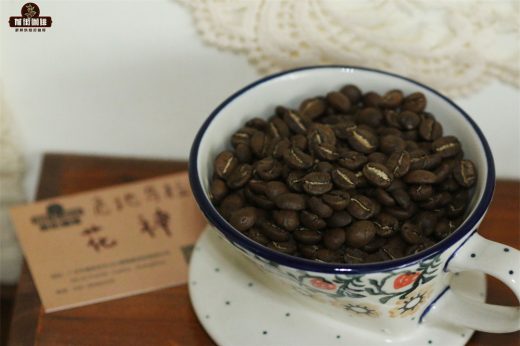
Guatemala El Balsamo Pacamara Washed: Region, Flavor, and Pour-Over Guide
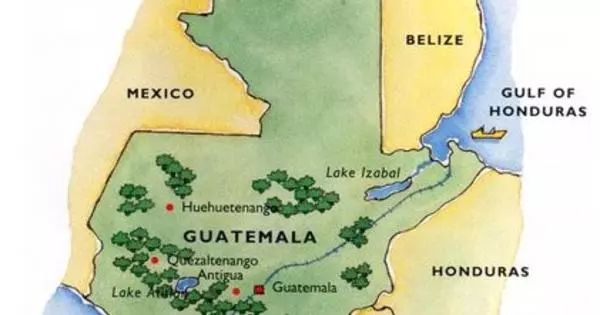
Introduction: This micro-lot Pacamara washed coffee from the high-altitude Huehuetenango region of Guatemala has earned repeated favor in specialty coffee competitions worldwide thanks to its vivid layers of fruit acidity and nutty finish. This article examines the estate's history and the variety's characteristics through to brewing methods, decoding its flavor profile and offering precise pour-over parameters to help you fully unlock the unique appeal of this scarce bean.
[Terroir and Estate Heritage]
The Huehuetenango region in northwestern Guatemala is one of the world's highest coffee-growing areas, generally at 1,800–2,100 meters. Its volcanic soil is rich in minerals, and the large diurnal temperature swing provides ideal conditions for the fruit to accumulate sugars and flavor compounds.The region ranks alongside Antigua as one of Guatemala's two benchmarks for specialty coffee, and El Balsamo is a representative producer in Huehuetenango.
El Balsamo sits in a river valley of the Cuchumatanes mountains in La Libertad department, next to the famous El Injerto estate. It was founded in 1956 when Dr. Jorge Vides purchased the land, and is now managed by third-generation Mr. Renardo Ovalle.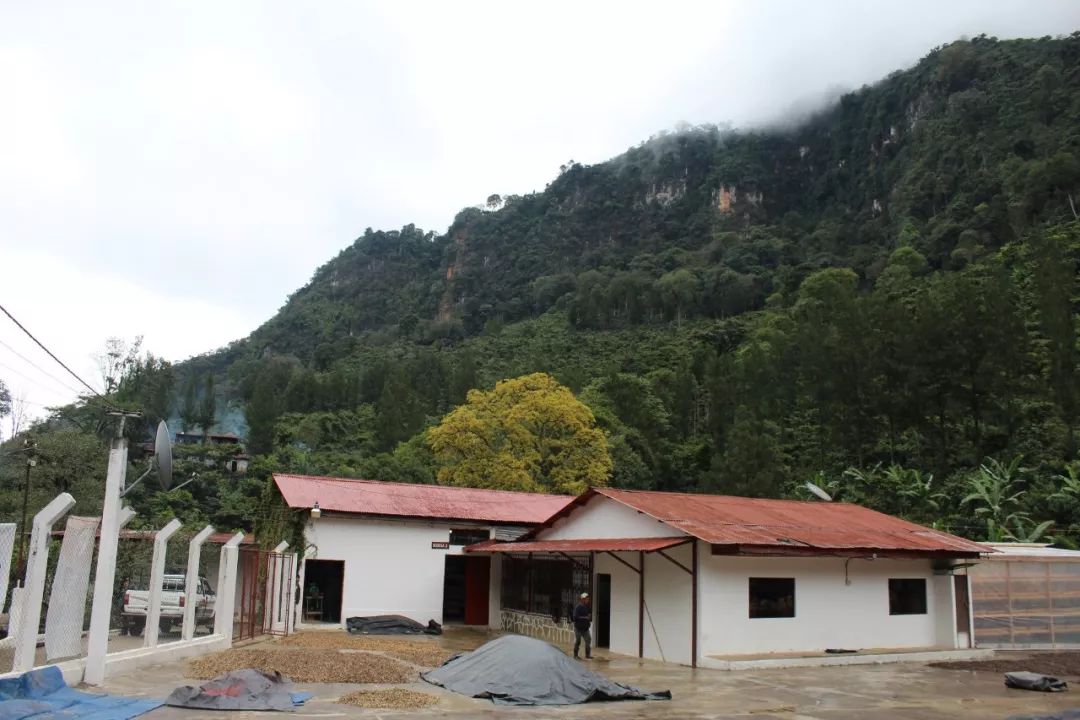 Two natural rivers run through the estate's core area, and a hydroelectric plant and wet mill are built nearby, ensuring the production process is self-sufficient.
Of the estate's roughly 100 hectares, 80 are planted with coffee, mostly around 15 years old, with pruning, pest and disease control, and organic compost fertilization carried out 3–4 times a year.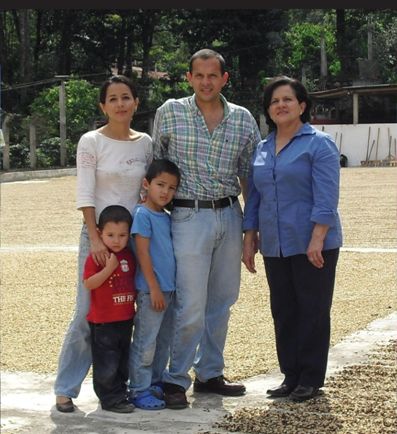 Because the mountain slopes are steep, all farm work is done by hand. This greatly increases labor intensity but effectively improves the uniformity of fruit ripeness—one of the key factors behind the coffee's consistent quality.
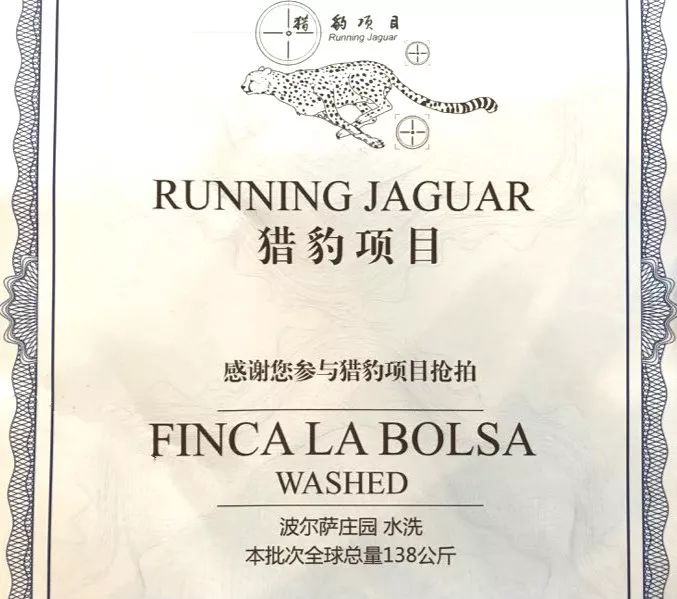
In 2002 El Balsamo took second place in Guatemala's Cup of Excellence with a score of 94.98; in 2005 it was chosen by Anacafe and Germany's DWTV as the subject of a Huehuetenango documentary, showcasing high-altitude specialty coffee cultivation to the world.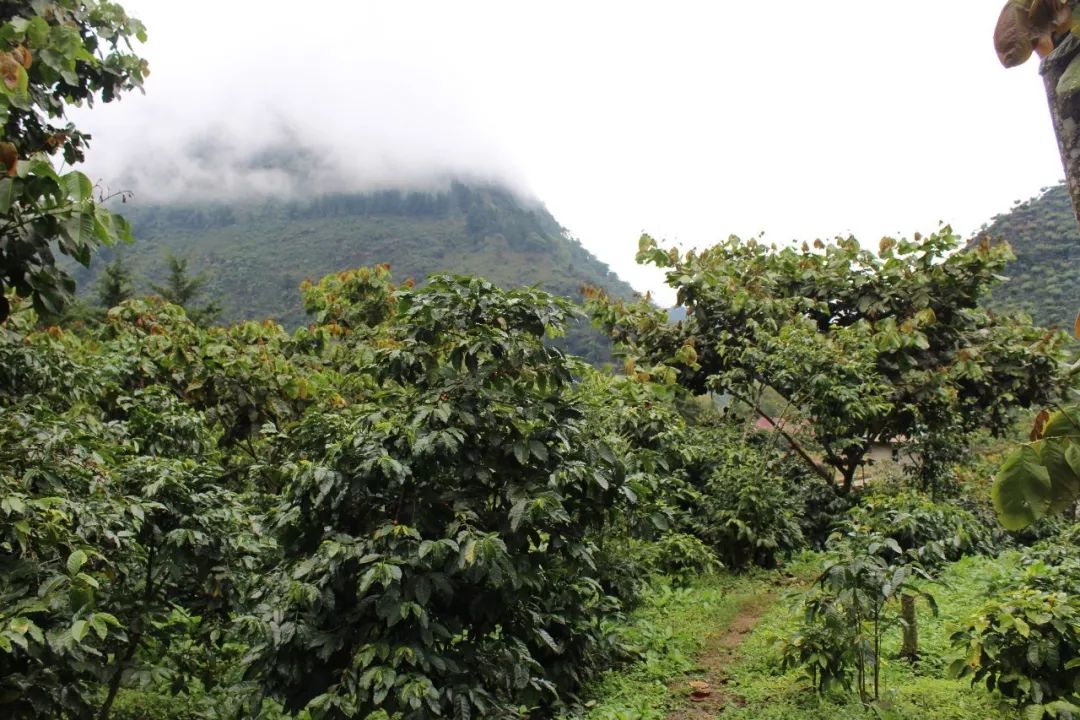 The micro-lot washed Pacamara featured here is limited to just 138 kilograms worldwide—a collector-grade lot that is truly hard to come by.
[Variety Characteristics and Processing]
Pacamara is a hybrid variety developed in El Salvador in 1958 by crossing Pacas with the Maragogype mutation of the elephant bean.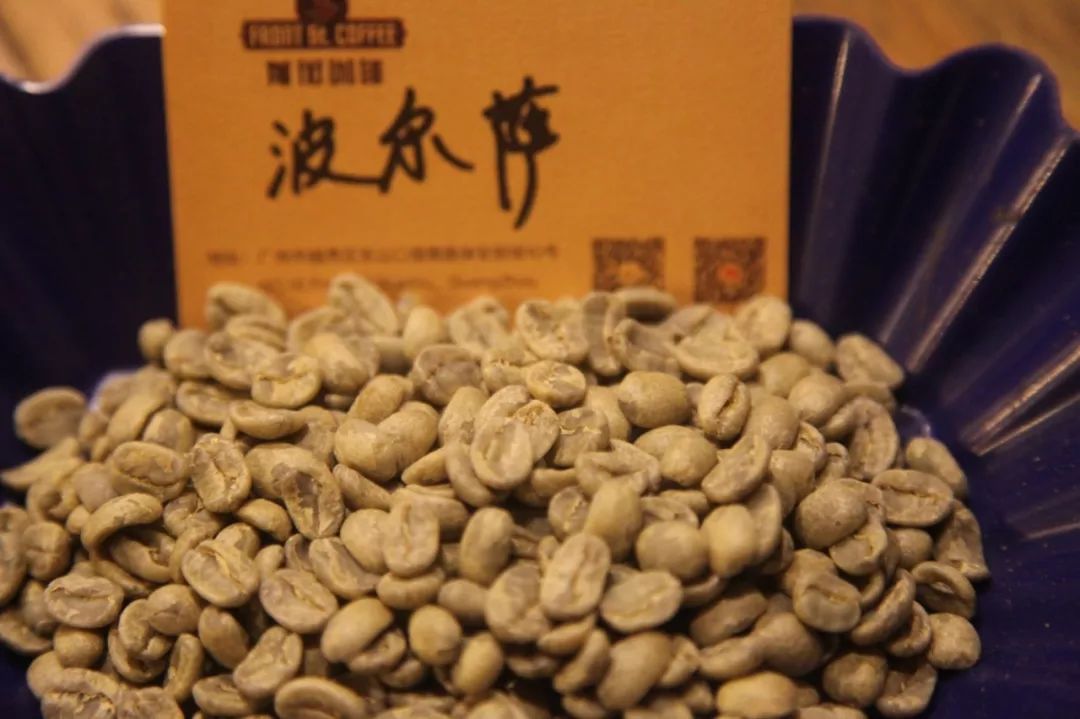 It inherits Pacas's bright acidity and full body while retaining roughly 70%–80% of the elephant bean's large size (individual beans are noticeably larger in diameter than ordinary Arabica), giving it even more expressive flavor—often with lively citrus acidity, biscuit-like sweetness, and rich layer changes.
The washed process is a classic method: the pulp is removed, the mucilage is broken down by fermentation, then the beans are washed and dried to produce high-purity green coffee.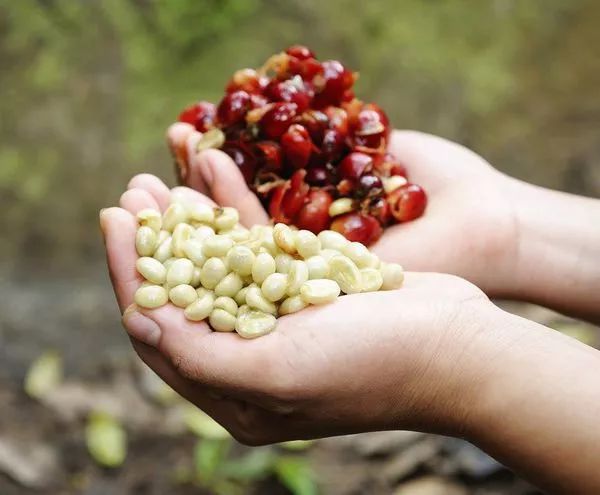 While this method ensures uniform green-bean appearance and reduces defect rates, it places strict demands on fermentation tank hygiene: poor cleaning can easily produce off-fermentation flavors, which must be avoided through strict control of fermentation time (usually 18–36 hours) and temperature (20–25°C).
[Roasting and Flavor Release]
Given Pacamara's large bean size and high density, roasting requires close attention to the heat-absorption rhythm. New-crop beans usually have a moisture content of 11.5%–12.5%, and the yellowing point (about 150°C) arrives quickly (around 5 minutes), so the heat should be adjusted in advance to avoid local overheating. A charge temperature of 200°C is recommended, lowering heat gradually to about 130°C during the drying phase, then reducing to 50–60 before first crack to help preserve floral and fruity aromas.
A real roasting example: using a Yangjia 600g semi-direct-fire roaster, charge temperature 200°C, damper 3; after 30 seconds reduce to 160°C, turning point 1'45"; at 5'00" when the bean surface yellows, lower heat to 130°C, damper 4; at 7'50" drying is complete, and at 8'00" when the toasted-bread aroma turns to coffee aroma, adjust heat to 80; at 8'15" first crack begins, reduce to 50, damper fully open to 5, develop for 1'50", then drop at 194°C.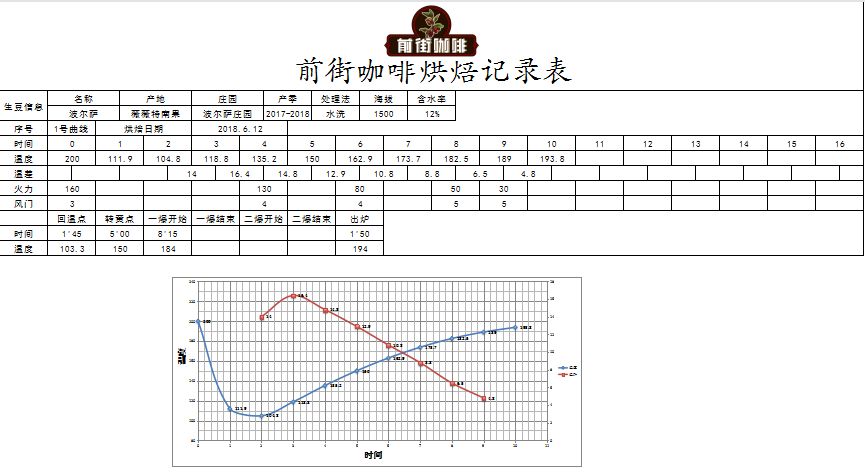
With these parameters the coffee shows bright lemon and passion fruit acidity, accompanied by warm brown sugar and plum notes, with brown sugar sweetness emerging in the finish; as it cools the acidity softens and nutty and caramel flavors gradually appear.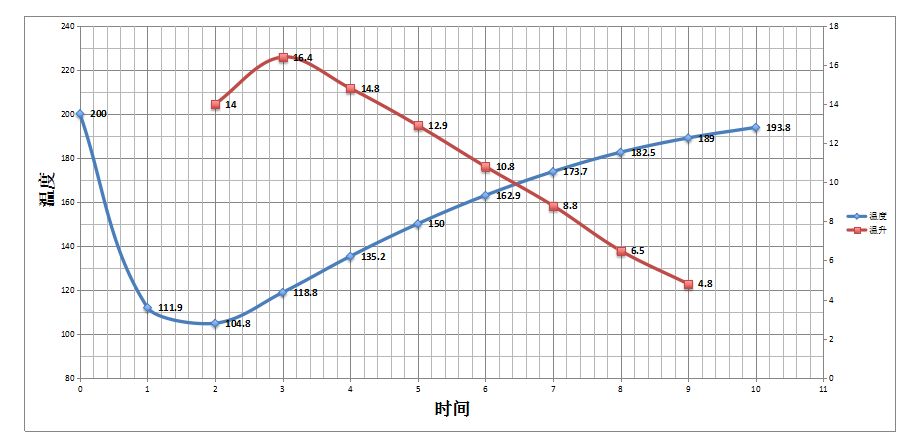
[Pour-Over Method and Tasting Experience]
A V60 dripper with a Fuji Royal grinder setting of 3.5 is recommended (equivalent to a 68%–70% pass rate on the Chinese standard No. 20 sieve), with 90°C water and a 1:15 ratio (15g coffee to 225g water).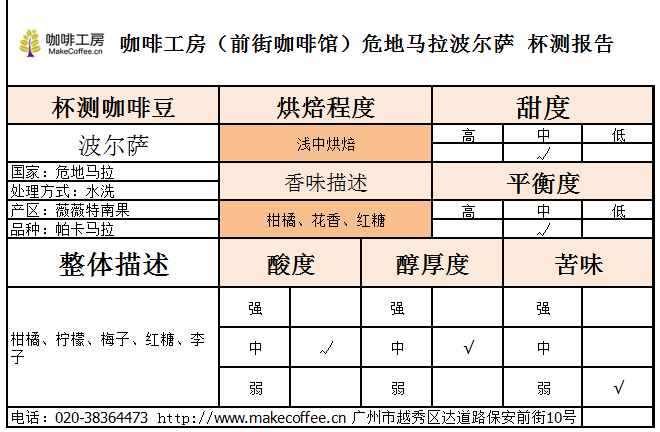
Method: bloom with 30g water for 30 seconds to release aroma, then pour in circles to 110g in stages, finally pouring slowly to a total of 225g, with the total time controlled at 1'55"–2'00". Keep the water flow steady and even, avoiding direct impact on the center of the filter paper, which causes channeling.
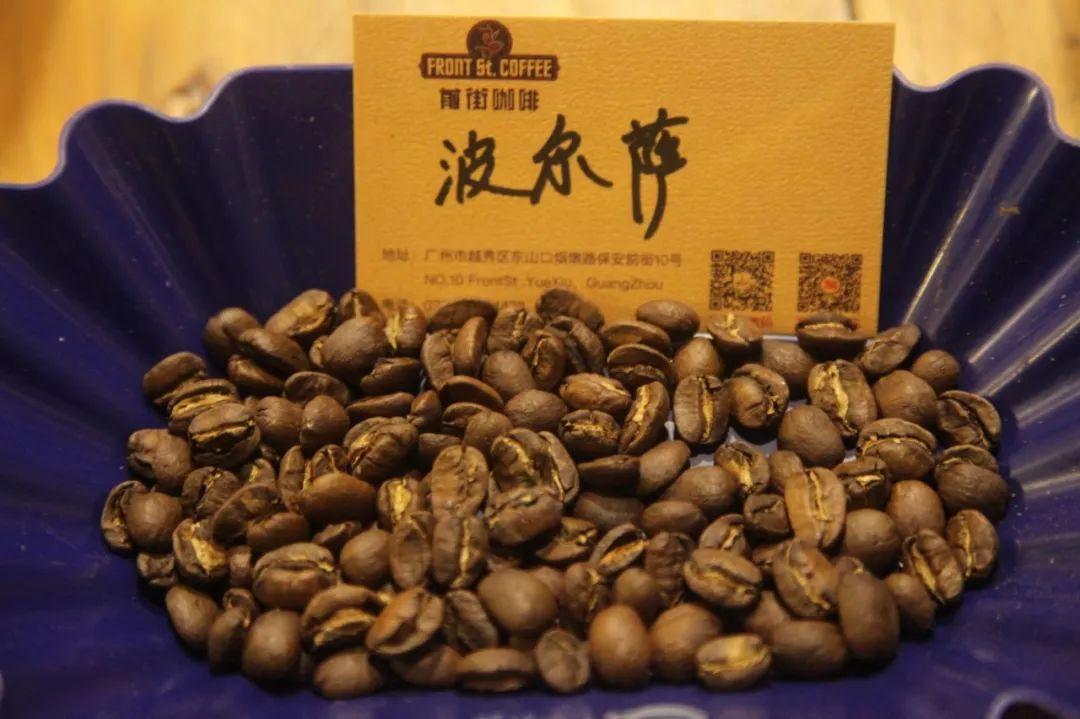
Flavor profile: in the hot aroma stage tropical fruit notes can be detected; on the palate cantaloupe sweetness dominates, accompanied by the juicy impact of fresh peach; the mid-palate acidity resembles green apple and gradually softens as the temperature drops; the aftertaste reveals nutty notes of peanut and oatmeal. Overall sweetness is prominent (4/5), acidity bright (3.5/5), and bitterness very low (1/5).
This bean suits coffee lovers who seek bright acidity and complex layers; whether for everyday drinking or cupping practice, it offers a rich flavor experience.