Brewing Guide and Origin Flavor Profile of Guatemala Antigua La Flor del Café Peaberry
Introduction: La Flor del Café beans from Guatemala's Antigua region, nurtured by unique volcanic soil and high-altitude conditions, develop distinct fruit and floral notes, and its peaberry is an especially rare variety. This article details the growing background and flavor characteristics of this classic bean from the La Minita group and provides precise pour-over parameters, helping coffee lovers fully express its balance of smoky chocolate and citrus acidity by adjusting water temperature, coffee-to-water ratio, and grind size.
Among Guatemala's seven major coffee regions, Antigua, with growing elevations above 1,500 meters, mineral-rich volcanic soil, and stable shade from year-round cloud cover, is a golden belt for specialty coffee. The La Flor del Café beans produced here, although sharing a name with the product of the Bella Carmona estate of the same name, actually belong to the internationally renowned La Minita group—famous since its founding in 1973 for strict green bean selection standards, and its processing philosophy of "keeping only the top 25% of fruit" remains an industry benchmark to this day.
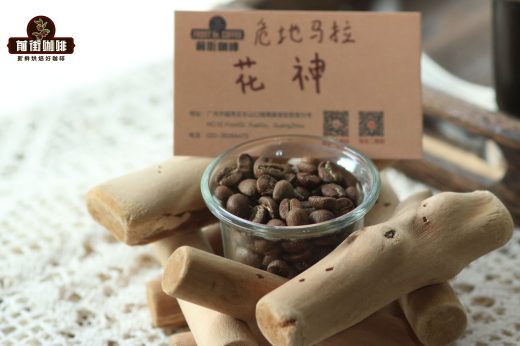
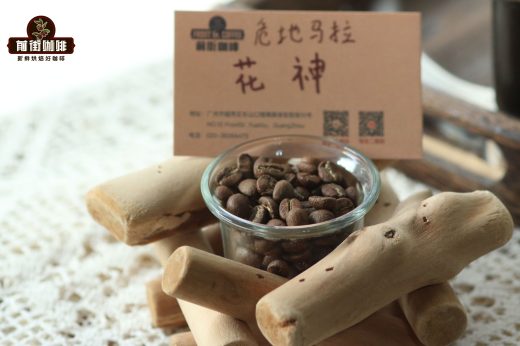
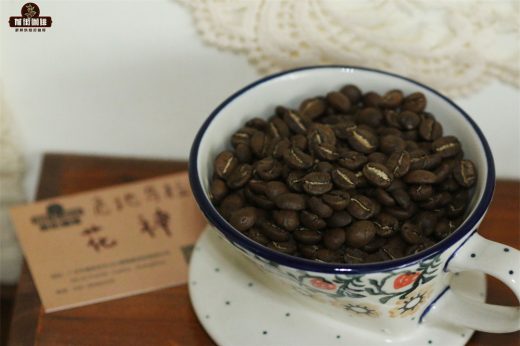
La Flor del Café's uniqueness comes not only from the region's terroir but also from its peaberry form. Normally a coffee fruit contains two flat beans, while a peaberry is a single round bean formed when embryo development goes abnormal, accounting for about 3%-5% of all coffee fruit. This mutated bean is denser and heats more evenly during roasting, and is often considered to concentrate flavor sweetness and body. Antigua La Flor del Café's peaberry is just such a rare sample, and the "La Minita estate quality guarantee" label sewn on its burlap bag is proof that the La Minita group controls the entire process from harvest to drying.
In terms of flavor, this bean continues the typical characteristics of the Antigua region: the dry aroma carries elegant floral notes and a faint smoky scent; on the palate, bright cherry and citrus fruit acidity is captured first, transitioning to caramel-like sweetness in the mid-palate, while the finish reveals the slight bitterness of dark chocolate and a lingering citrus aftertaste. The overall mouthfeel is clean and crisp with distinct layers, suitable both for drinkers who prefer fruity acidity and for consumers seeking balanced sweetness.
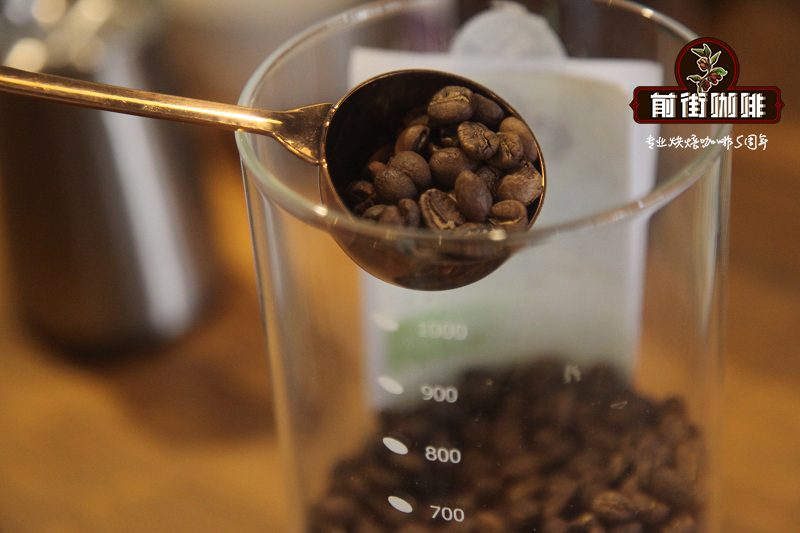
For pour-over extraction, a V60 dripper is recommended to highlight its transparent acidity and aroma. Specific parameters suggested: take 16 grams of medium-fine ground coffee (reference: Fuji Royal grinder setting 4, close to the texture of granulated sugar), pour in 32 grams of hot water and bloom for 30 seconds to activate the aroma; for the first pour, keep the water temperature at 89-90°C, with a total coffee-to-water ratio of 1:14 (i.e., a final water volume of 224 milliliters). During operation, first pour to 140 milliliters and pause; wait until the water level drops to the surface of the coffee bed, then continue pouring to 220 milliliters, with a total extraction time of about 2 minutes 15 seconds. These parameters balance La Flor del Café's smoky character with its fruity sweet-tartness. If you prefer a richer mouthfeel, you can slightly adjust the water temperature to 90-91°C, or extend extraction to 2 minutes 30 seconds; if you find the acidity prominent, you can lower the water temperature to 88°C and shorten the pouring intervals.
Note that because peaberries are denser, their roast level is usually slightly darker than flat beans, and a medium-dark roast is recommended to bring out the chocolate finish. In addition, coffee from the Antigua region is sensitive to water quality; in hard-water areas, filtered water can be used (TDS recommended 50-150ppm) to avoid minerals masking the delicate flavors. For storage, keep sealed and away from light; the best drinking window is 2-4 weeks after roasting, when freshness and flavor activity peak.