Guatemala Decaf Coffee Brewing Guide: Pour-Over and Flavor
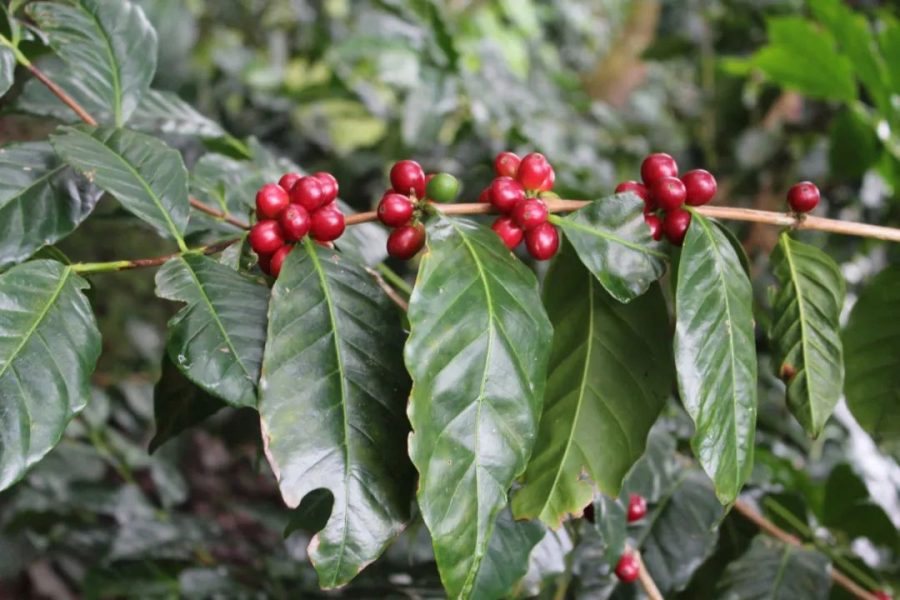
Introduction: Guatemala is a renowned coffee-producing region in Central America, and its decaffeinated coffee has attracted growing attention in recent years. This article focuses on Guatemala Prima Vera decaf coffee beans, analyzing their growing background, processing methods, and distinctive flavors, while offering practical pour-over extraction parameters and techniques to help enthusiasts better savor this Swiss Water Process decaf coffee and experience the pure expression of its coffee flavors.
Guatemala's coffee-growing history dates back to the mid-18th century. Around 1750, coffee trees introduced to the country by Jesuit missionaries initially existed only as ornamental plants and were not truly cultivated until the early 19th century. In the first half of the 19th century, Guatemala's main export crop, indigo, suffered severe blows: first in the early 1800s when a large-scale locust plague broke out on indigo plantations, and later around the 1850s when the widespread adoption of chemically synthesized dyes in Europe caused the market value of natural indigo to plummet and cultivation profits to collapse. It was precisely this series of changes that prompted the local government to turn to supporting the coffee industry, not only introducing incentive policies but also distributing more than 1 million coffee seedlings to rural areas in 1868, promoting commercial coffee cultivation and export.
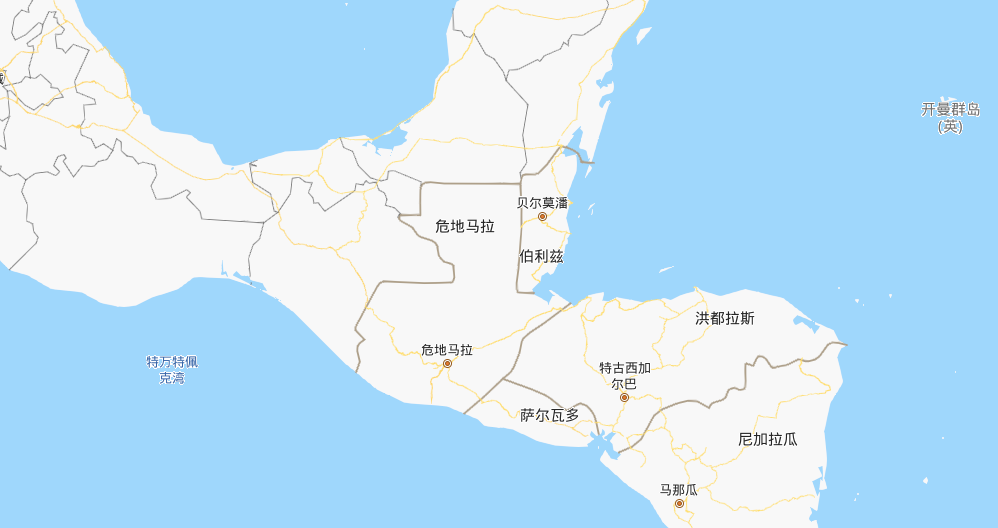
The 1870s were a critical period of economic transformation in Guatemala. The policies implemented by then-President Justo Rufino Barrios successfully made coffee the country's main export commodity; by 1880, coffee exports accounted for 90 percent of the nation's total exports. However, behind this economic leap came an unjust distribution of land resources—large numbers of indigenous people lost their traditional farmland and found it difficult to participate in large-scale coffee cultivation, further deepening social stratification.
In fact, since the arrival of Spanish colonists in 1524, the land issue had constantly plagued Guatemala's indigenous communities. The colonial government allocated vast tracts of land to Spanish settlers, forcing indigenous people to work on limited land and even reducing them to attached labor on plantations. Even after Guatemala declared independence in 1821, relevant laws still failed to effectively protect indigenous land rights. By the 1870s, under the so-called "liberal reforms" led by Barrios, the government sold nearly 400,000 hectares of core coffee-growing land in the central region to the coffee-planting elite. This not only deprived indigenous people of more traditional communal land but also forced them to relocate to marginal areas, further marginalizing this group's economic status.
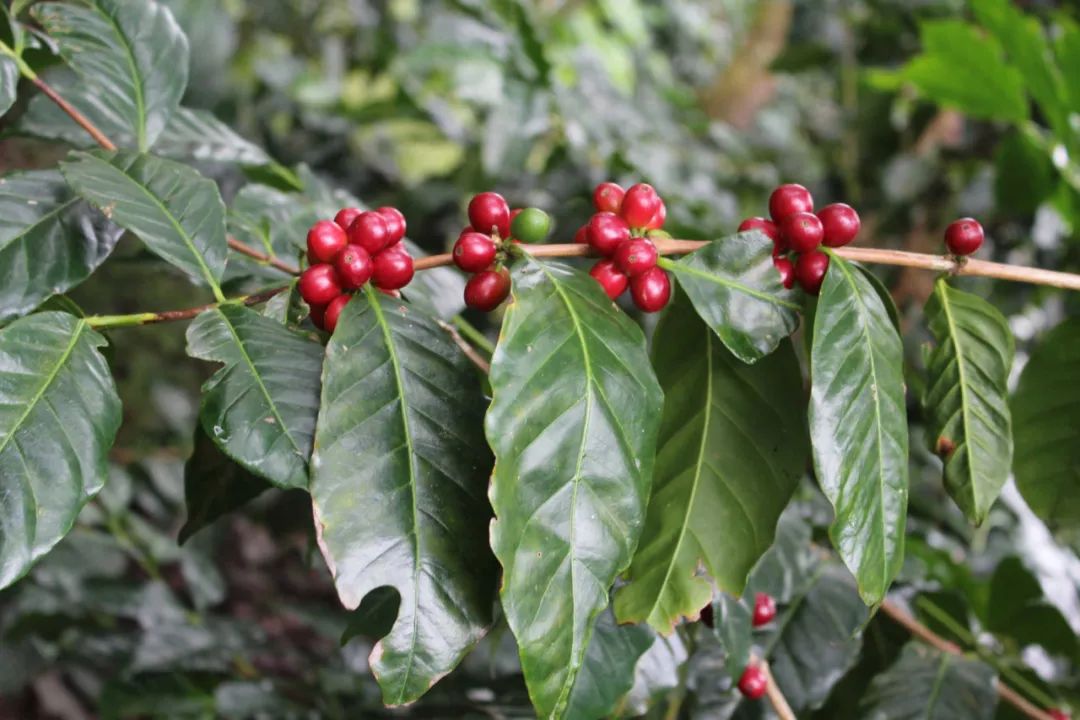
Among the many Guatemalan coffee brands, the decaf beans offered by Prima Vera are worth noting. This coffee, called Prima Vera Decaf, comes from growing areas above 5,000 feet (about 1,524 meters) in elevation and uses the classic Caturra variety. Its biggest highlight is the use of the Swiss Water Process for decaffeination—this method requires no chemical solvents and selectively removes caffeine by controlling water temperature and flow rate while preserving as much of the coffee's original flavor compounds as possible, so the final result tastes close to regular coffee but contains no caffeine.
According to tasting feedback from many coffee enthusiasts, this decaf coffee has a surprisingly "medium body," is smooth on the palate with distinct layers, has moderate acidity, and carries mild nutty and caramel notes. Even without relying on caffeine, one can still enjoy a cup of full-flavored coffee. Many people, upon first tasting it, find it hard to believe it is a decaf coffee.
So how should it be brewed to better bring out the flavors of Prima Vera decaf? A pour-over method is recommended. Prepare freshly roasted beans of this coffee and set the grind to medium (similar to fine granulated sugar). To brew two cups, use 40 grams of coffee beans with 620 milliliters of hot water. For the pour-over, first heat the water to 200 to 203 degrees Celsius (just below boiling). In the initial stage, use a "pre-infusion" technique: pour a small amount of hot water to moisten the coffee bed and let it sit for about 30 seconds so the coffee grounds can fully degas and release aromatic compounds. Then begin the main pour, using a center pour combined with small circular motions to evenly add the remaining hot water. Keep the total extraction time between 2 minutes 30 seconds and 3 minutes.
Note that because decaf coffee naturally has slightly fewer flavor compounds than regular coffee beans, avoid excessively extending the brewing time or using water that is too hot during extraction, otherwise too much bitterness and off-flavors may be drawn out. If you like to experiment with blended flavors, you can also mix Prima Vera decaf with a small amount of Kenyan beans or other distinctive single-origin beans in proportion—for example, 35 grams of Prima Vera with 10 grams of Kenyan beans. After adjusting the pouring rhythm, this often produces richer layers of flavor.
Overall, Guatemala Prima Vera decaf coffee not only carries the region's long coffee-growing history and unique terroir but also achieves a balance between flavor and health through the Swiss Water Process. For consumers who pursue coffee quality but need to limit caffeine intake, this coffee is undoubtedly a choice worth trying. By reasonably adjusting grind size, water temperature, and brewing rhythm, you can fully recreate a full-flavored, clearly layered pour-over decaf coffee experience at home.


