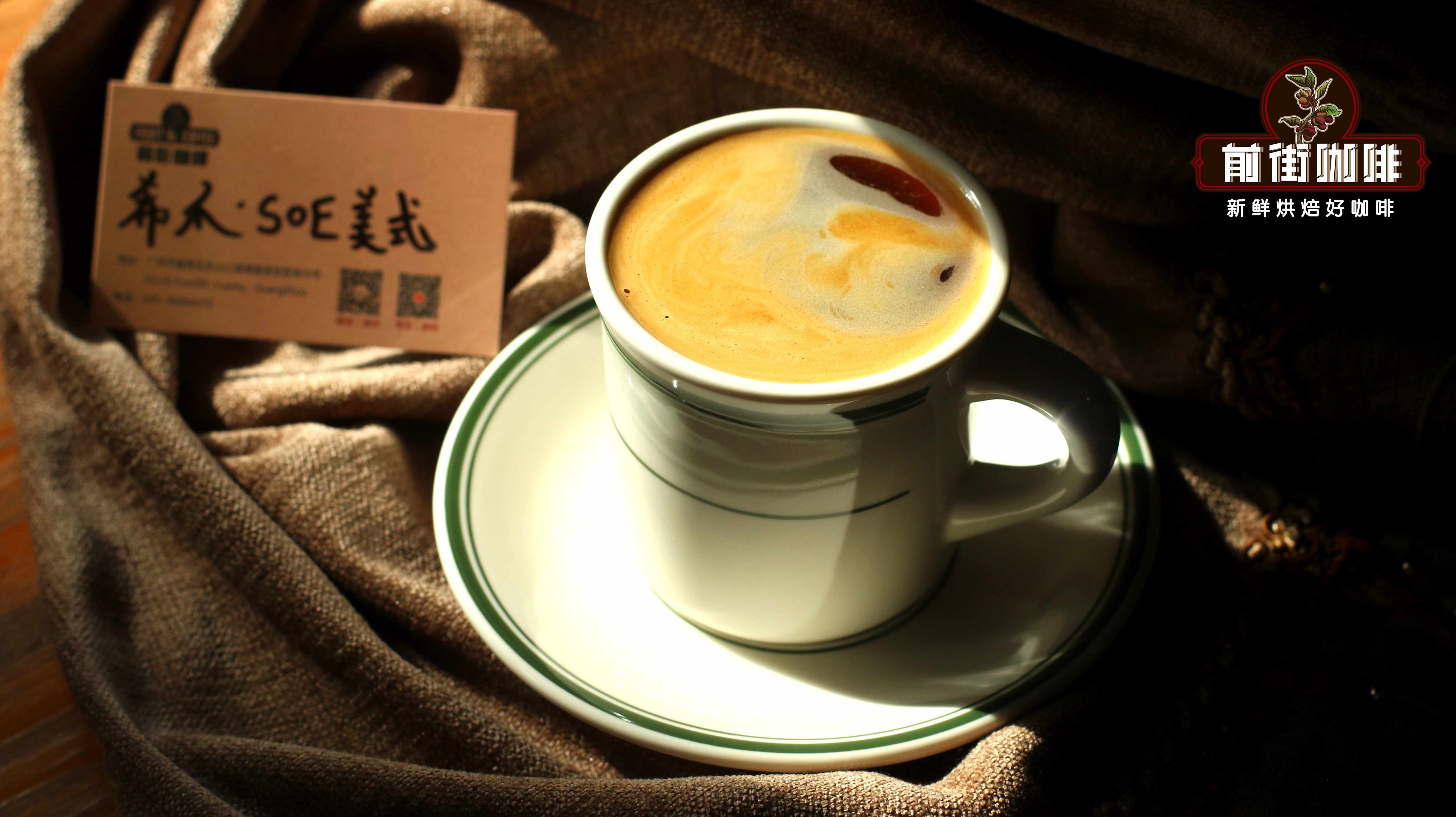
Yirgacheffe SOE Coffee Bean Review: Choosing Single Origin Espresso Beans
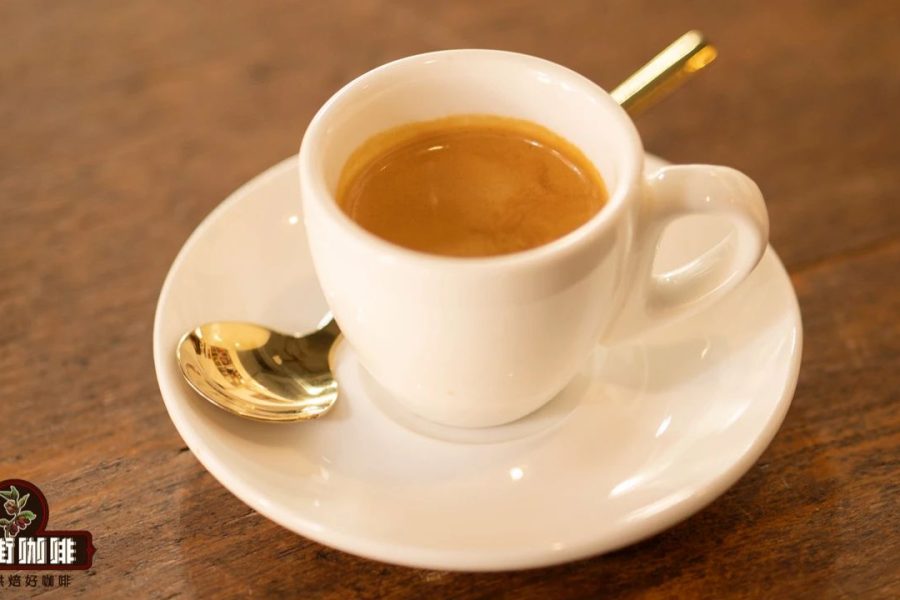
Introduction: Want to understand the difference between SOE coffee beans and regular espresso beans? Starting from the definitions of single origin coffee and SOE, this article explains why single origin beans such as Yirgacheffe cost more, details how medium-dark roasting balances origin flavor with extraction stability, and provides actual flavor characteristics and buying references to help you find the SOE espresso beans that suit you.
When ordering at a café, have you ever wondered what the "SOE" marked on the menu actually means? Why is it that, despite being extracted on the same espresso machine, some beans produce espressos with bright fruit acidity while others yield only heavy bitterness? To sort these questions out, we first need to distinguish two basic concepts.
Single Origin coffee emphasizes the singleness of the coffee bean's source—it may be a specific country, region, or even a particular processing station, such as beans from Ethiopia's Yirgacheffe region, whose uniqueness lies in preserving the flavor characteristics imparted by the local soil and climate through traceable origin information. This contrasts with the common blended coffee: the latter, in pursuit of a stable, full-bodied taste, usually mixes beans from two or more different origins—for example, using Brazilian beans to balance acidity and pairing them with Colombian beans to increase body.
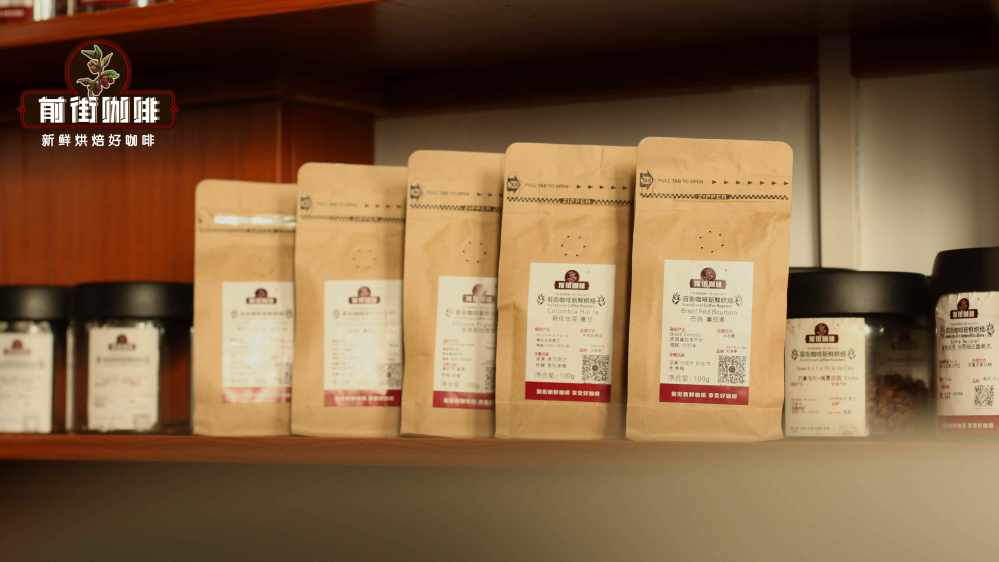
When we use single origin coffee beans specifically to make espresso, the resulting product is SOE (Single Origin Espresso). Its core advantage is that it amplifies the flavor personality of a single origin—for example, some Yirgacheffe beans may carry distinct citrus notes, while Central and South American beans may highlight nutty and chocolate flavors. But note the choice of roast level: if a very light roast is used (such as below City roast), although it can display delicate floral aromas in pour-over, high-pressure espresso extraction may make the acidity too sharp, and after adding milk the flavor layers are easily masked; conversely, a dark roast can increase body but tends to erase the origin's distinctive aromas. Practice has shown that medium-dark roast (the Full City to Espresso range) is the ideal choice for balancing origin character with espresso stability; at this point the balance of acidity, sweetness, and bitterness is better, and the basic flavor characteristics are retained whether served with water or milk.
Taking the classic case of Ethiopia's Yirgacheffe region, the high-altitude environment there, generally above 1,900 meters, together with the distinctive natural (dry) processing method (spreading selected ripe coffee cherries out to dry for several weeks while turning them regularly to ensure even drying), creates the vivid flavor signature of these beans. Typical flavors include bright citrus acidity (such as orange and lemon), the sweetness of red berries (such as strawberry and raspberry), and the special floral and fruity aromas produced by the fermentation process, and some high-quality lots also show a honey-like finish. For these beans, it is usually recommended to extract on an espresso machine at 92-94°C water temperature and 9-10 atmospheres of pressure, with a dose-to-yield ratio controlled in the 1:2 to 1:2.5 range, to better present their layering.
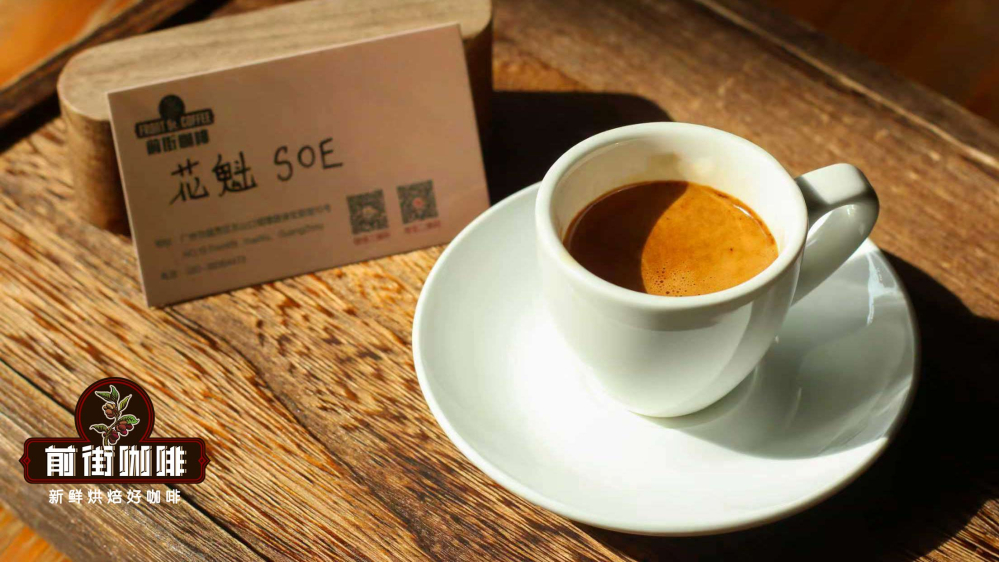
In actual tasting, a high-quality Yirgacheffe SOE espresso shows a three-stage flavor progression: the first sip delivers lively citrus acidity, reminiscent of the fresh brightness of fresh orange juice; it then transitions to berry-like sweetness, a complex taste resembling a mix of raspberry and a slight fermented wine aroma; finally the finish carries a faint creamy texture and caramel sweetness. This character makes it suitable both for drinking as espresso on its own and as a base for an SOE latte—after adding an appropriate amount of milk, the brightness of citrus and berries remains clearly discernible, unlike ordinary blended beans, which are completely covered by the milk foam.
Note that different processing methods significantly affect the final flavor. Naturally processed Yirgacheffe usually has stronger sweetness, because the sugars in the coffee fruit permeate into the seed during drying; washed beans from the same region, by contrast, have cleaner, sharper acidity but slightly lower overall body. In addition, the roast date directly affects freshness—it is recommended to choose beans within 7-21 days after roasting, when carbon dioxide release is sufficient and extraction brings out fuller flavor. For storage, use a sealed bag with a one-way degassing valve, keep it away from light in a cool place, and avoid high temperatures or humid environments that cause the oils to oxidize.
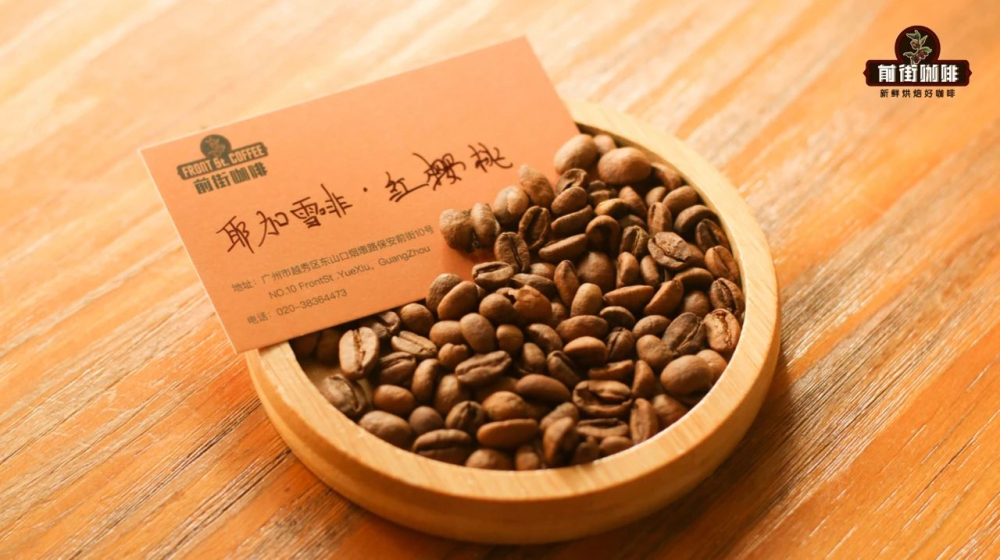
For beginners new to SOE, it is advisable to start with a medium-dark roast level (such as Full City+), as these beans retain some of the original flavor clues while having enough body to meet everyday extraction needs. In practice, observe the state of the puck: ideally, the spent grounds after extraction should be an even dark brown, with no obvious white spots (under-extracted areas) or charred black patches (over-extracted areas) on the surface. If conditions allow, use a grinder to fine-tune the grind size (adjusting about 0.1 of a setting each time) and combine this with tasting tests to find the best balance point.