How to Choose Sumatra Mandheling Coffee Beans: Wet-Hulled Process and Dark Chocolate Flavor Guide
Introduction: The Indonesian island of Sumatra is home to the world's finest Mandheling coffee, and its unique wet-hulling process creates signature dark chocolate and herbal flavors. This article takes a deep look at the differences among Sumatra's core growing regions, reveals the technical principles of wet hulling, and provides professional pour-over parameters to help you precisely capture the rich layers of dark chocolate and the nutty finish.
As one of Asia's most renowned coffee regions, Indonesia's Sumatra produces Mandheling coffee that, with its intense body and distinct flavor layers, has become a collector's choice for coffee lovers worldwide. Sourced from equatorial rainforests, these beans are known for prominent dark chocolate notes and a low-acid, full-bodied character, making them especially suited to dark-roast enthusiasts seeking complex flavors.
The history of coffee cultivation in Indonesia dates back to 1699, when the Dutch East India Company (VOC) introduced Arabica coffee to Java to break the Arabian trade monopoly. After centuries of development, Sumatra has formed three core growing regions thanks to its unique geography: the volcanic soils of the Lintong area around Lake Toba nurture full nutty notes; the high-altitude environment of Mount Gayo in Aceh gives a bright dark chocolate finish; and the area around Lake Laut Tawar achieves classic herbal aromas through the wet-hulling process.

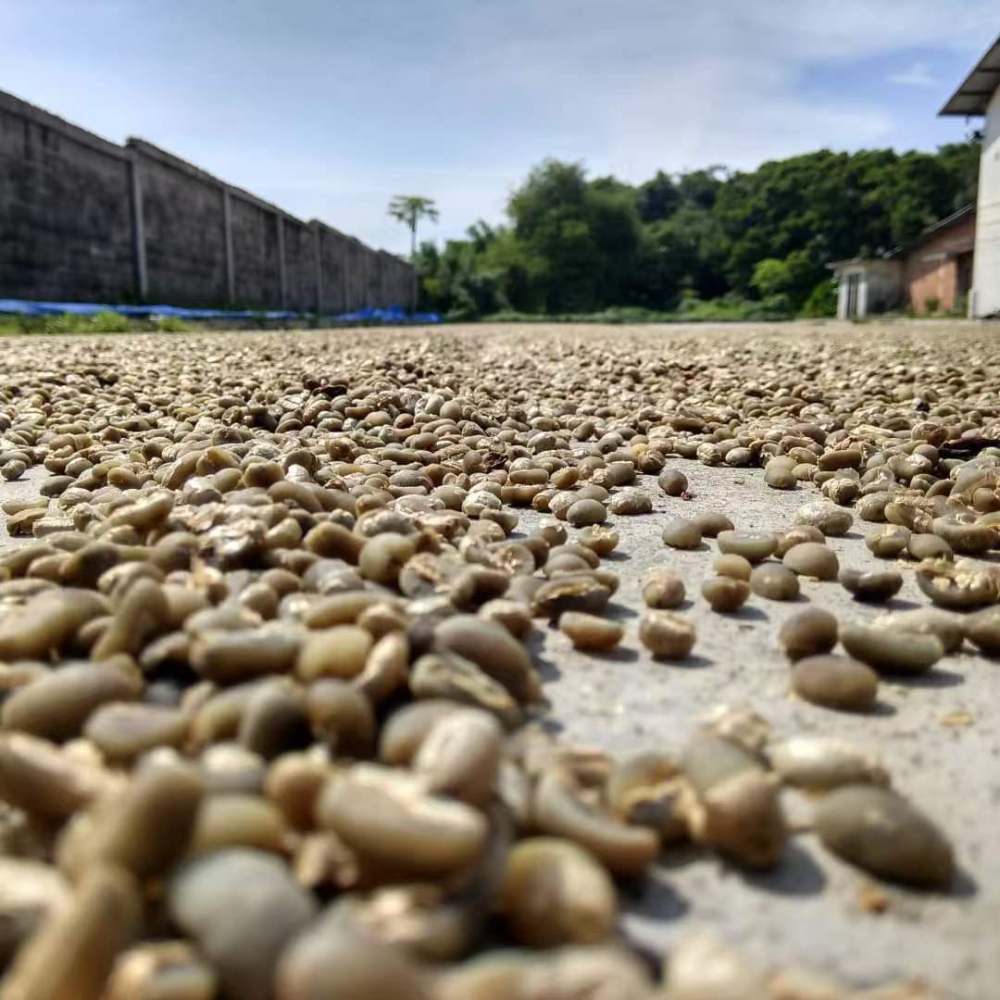
The flavor code of Sumatra coffee comes from two factors: mineral-rich volcanic soils bring a natural earthy and spicy base, while the revolutionary wet-hulling process is the key to its distinctive flavor. Unlike traditional washed or natural methods, this process removes the pulp from the coffee fruit but leaves the parchment-covered beans to dry in the sun for a short time; when moisture content drops to 20%-24%, the hull is removed early. This accelerated drying technique triggers special chemical reactions inside the bean, ultimately forming the signature smoky sensation and dark-roast chocolate flavors.

Looking at a map of Sumatra, the volcanic ash deposits around Lake Toba provide coffee trees with abundant potassium, promoting denser beans; the day-night temperature difference in the Gayo highlands of Aceh slows ripening and allows more flavor compounds to accumulate. Notably, the region uses a screen-size grading standard of 18 and above, combined with a three-stage manual sorting system, to ensure every bean meets G1 top quality.
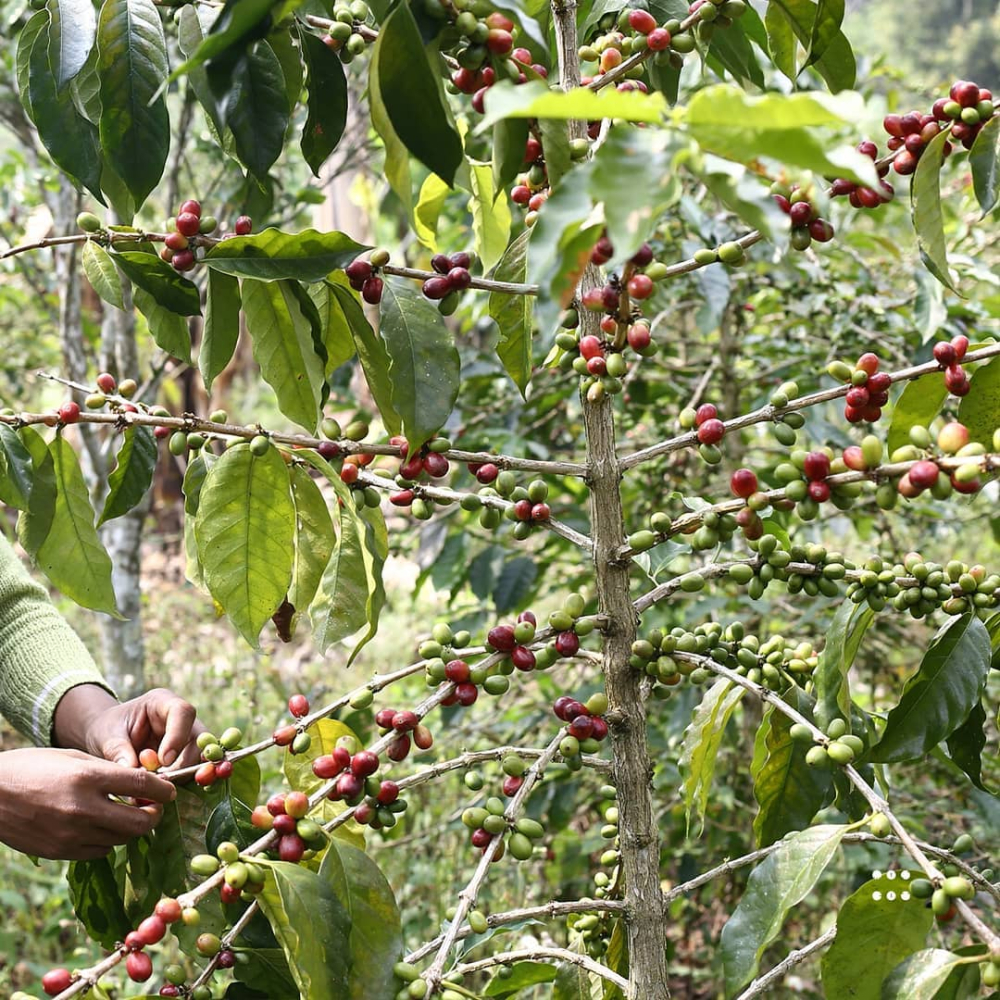
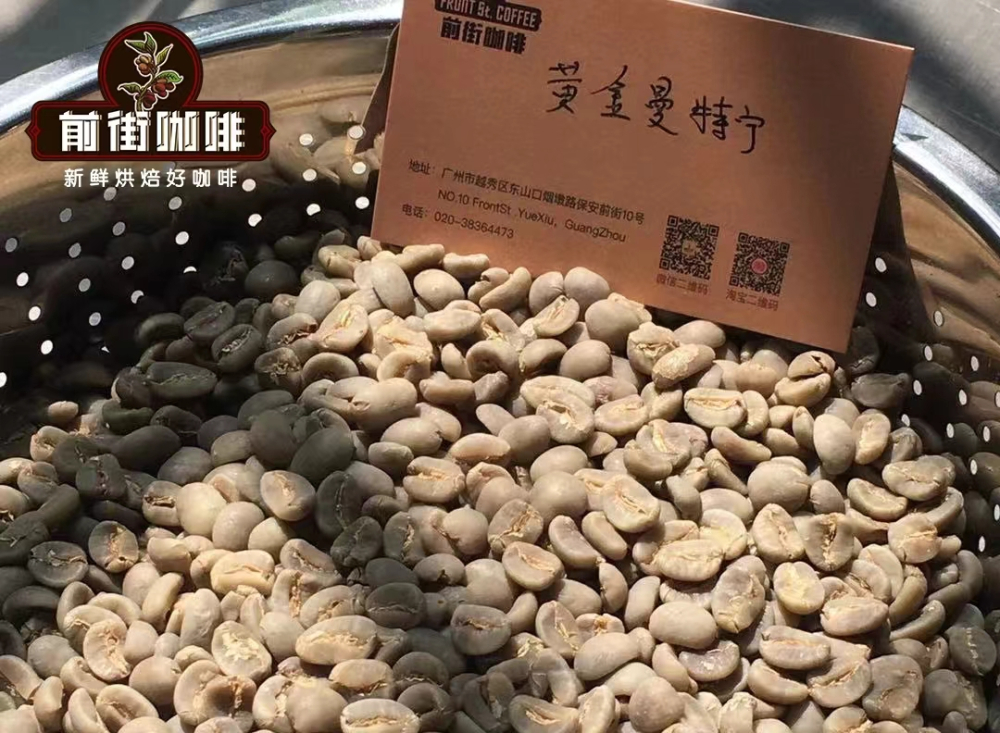
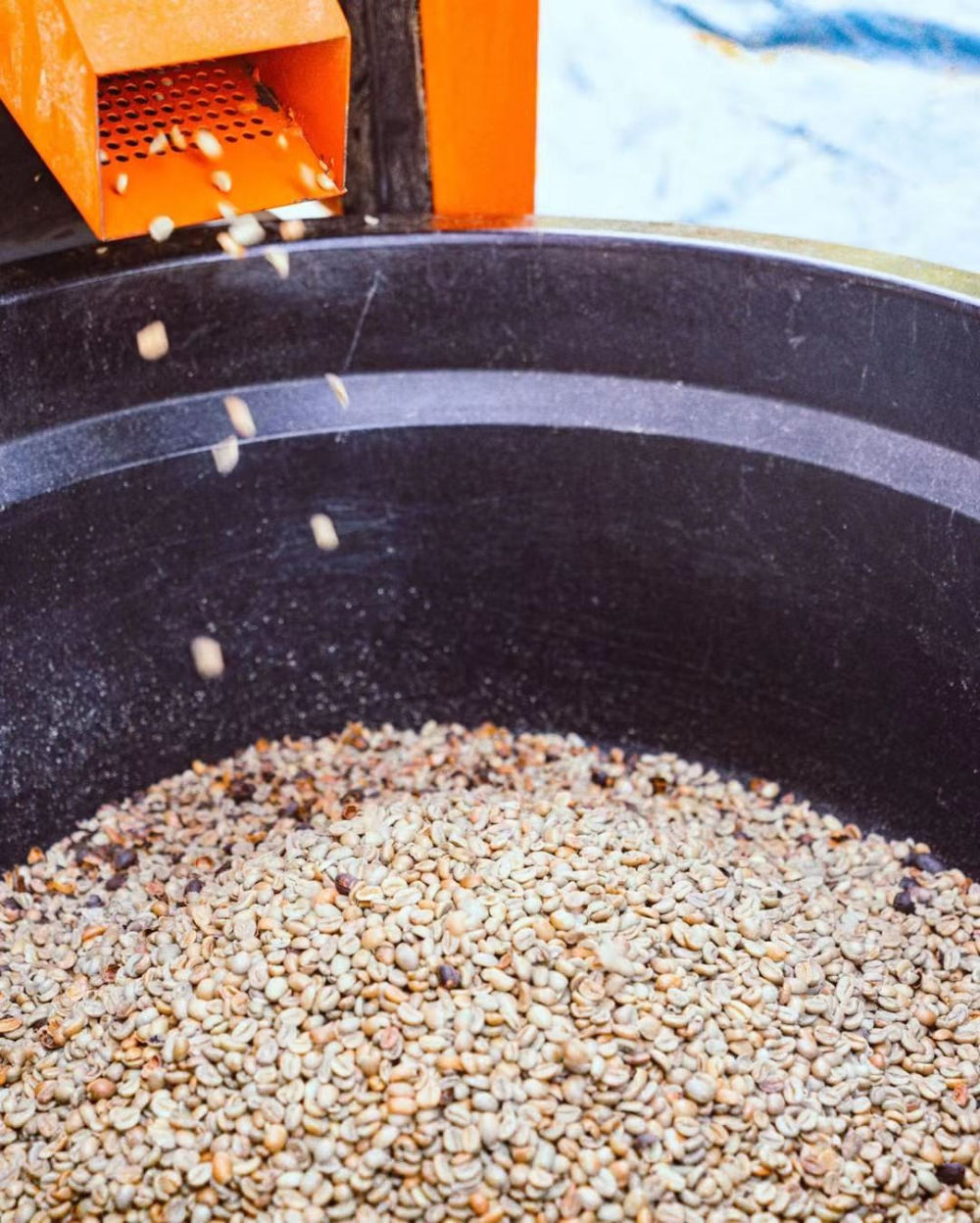
The wet-hulling process involves seven key steps: first, the skin and pulp are removed while the mucilage layer is retained; after 24 hours of fermentation in a water tank to break down the mucilage, the beans are washed clean with water, then sun-dried in parchment for 2-3 days until moisture reaches a critical point. When the beans turn yellowish-brown, the not-yet-fully-dried parchment layer is mechanically stripped, while the inner green bean still holds about 20% moisture; finally, the beans are slowly dried in a ventilated shady place to a safe level of 12%-13%. This process causes micro-cracks from uneven dehydration, which creates the unique flavor but also carries a higher risk of defects, so dual quality control through optical sorting and manual hand sorting is required.
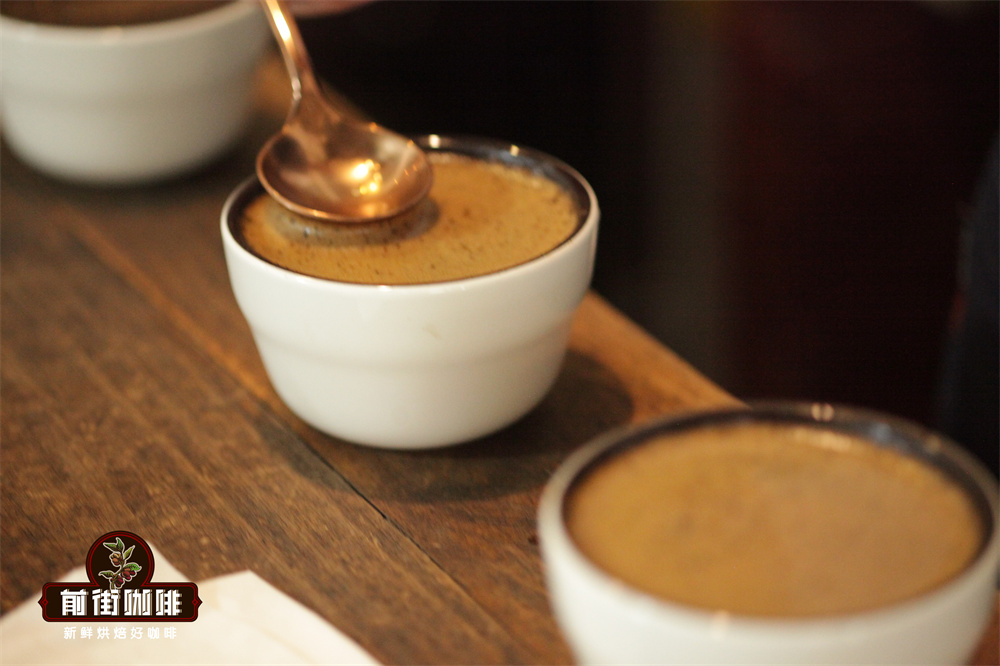
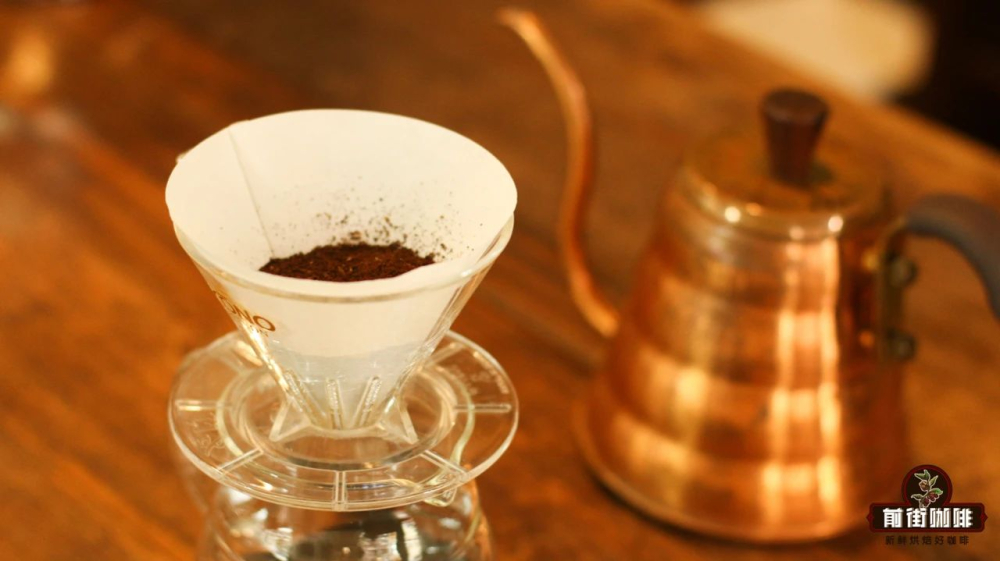
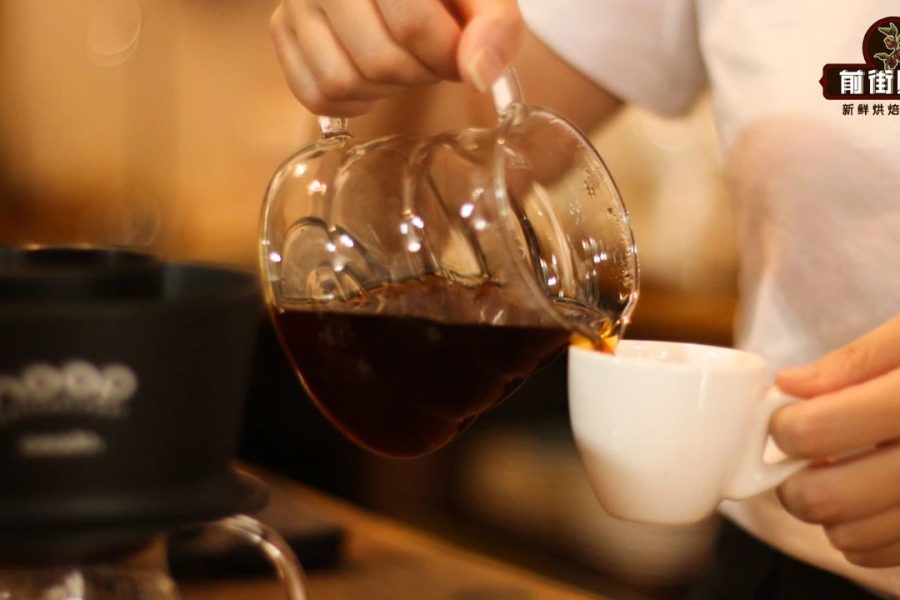
For home brewing enthusiasts, a Kono dripper with a medium-coarse grind (70% passing a Chinese standard No. 20 sieve) is recommended, with precise control of 88-89°C water temperature and a 1:15 coffee-to-water ratio. In practice, first pour 30 grams of hot water and let it bloom for 30 seconds, then pour in a small circular stream until 125 grams, pausing in stages, and when the water level drops, continue pouring to a total of 225 grams. The entire extraction should maintain a steady flow rate and last about 2 minutes; these parameters effectively balance body and clarity.
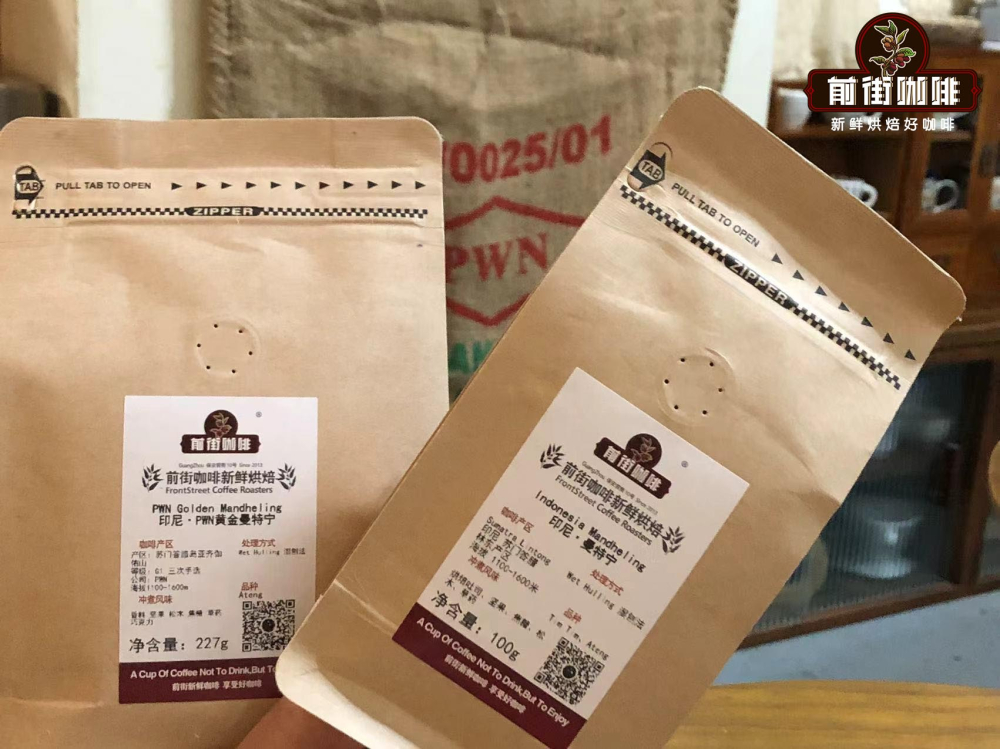
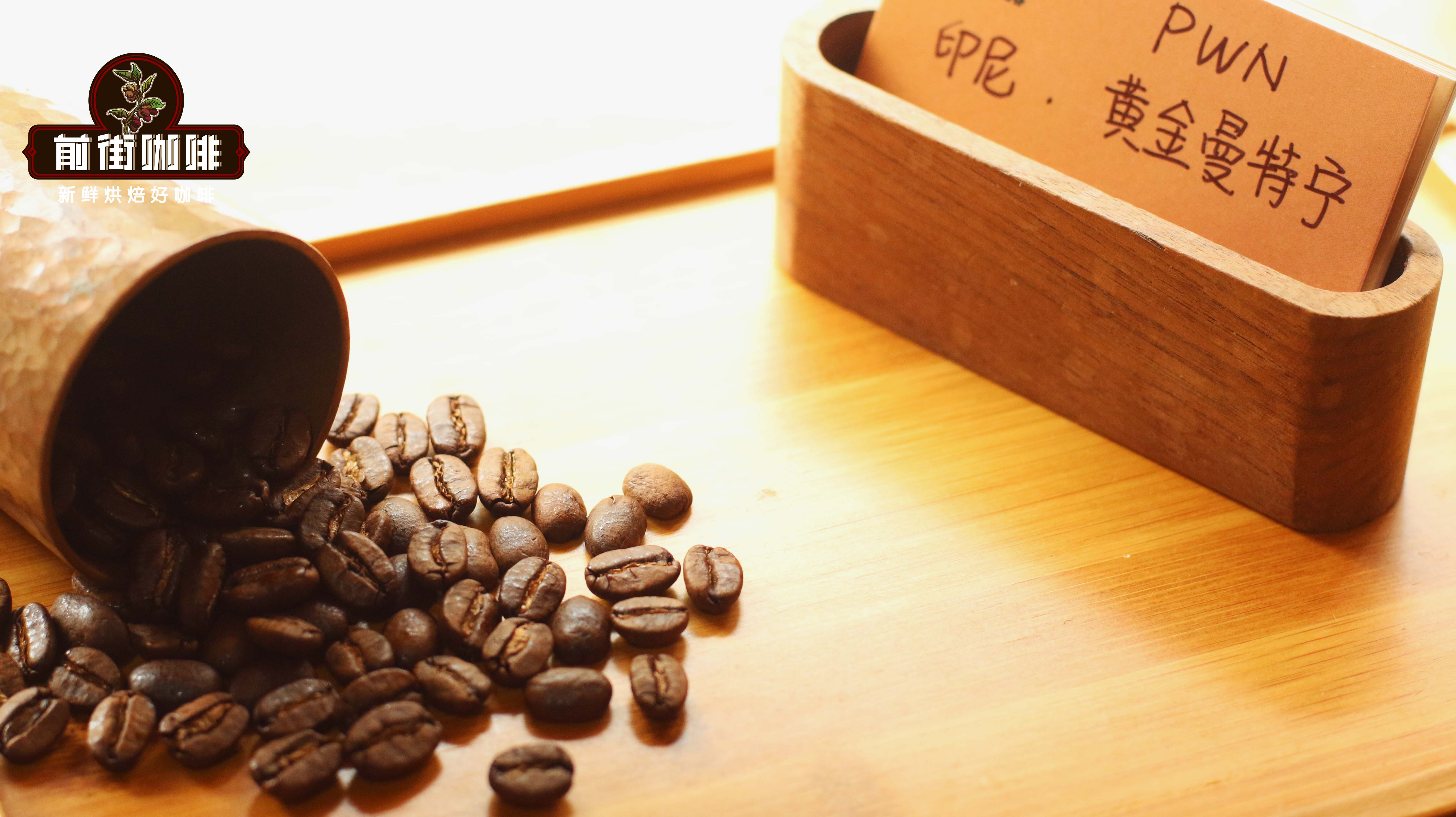
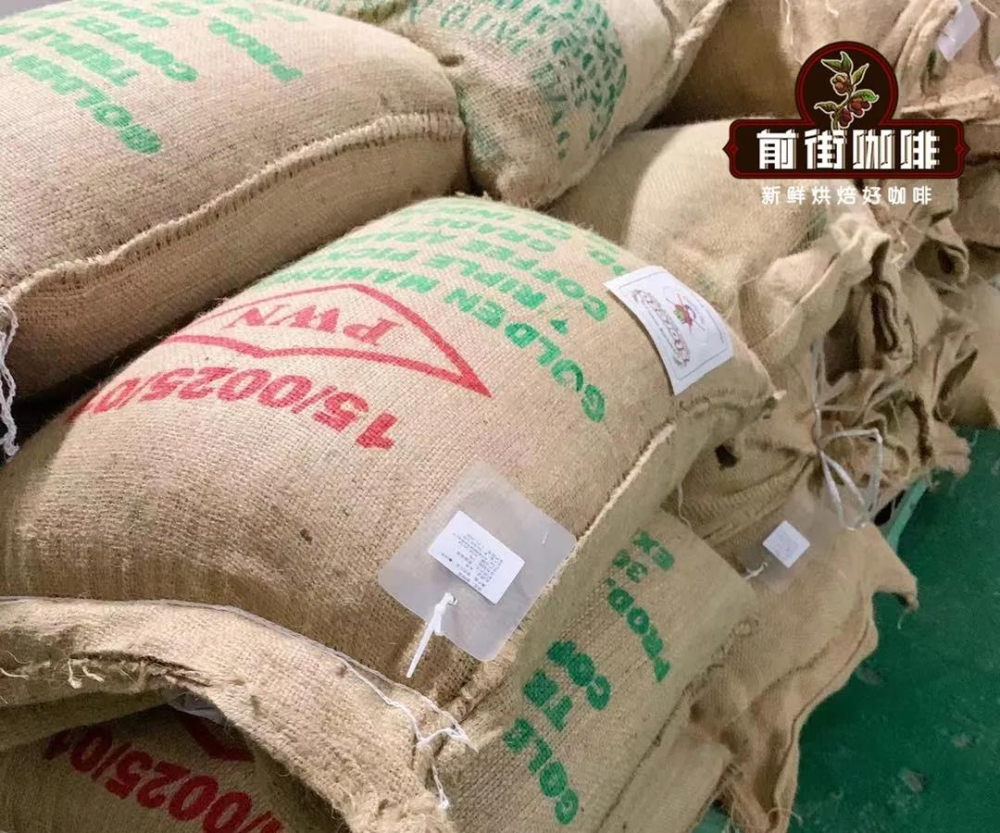
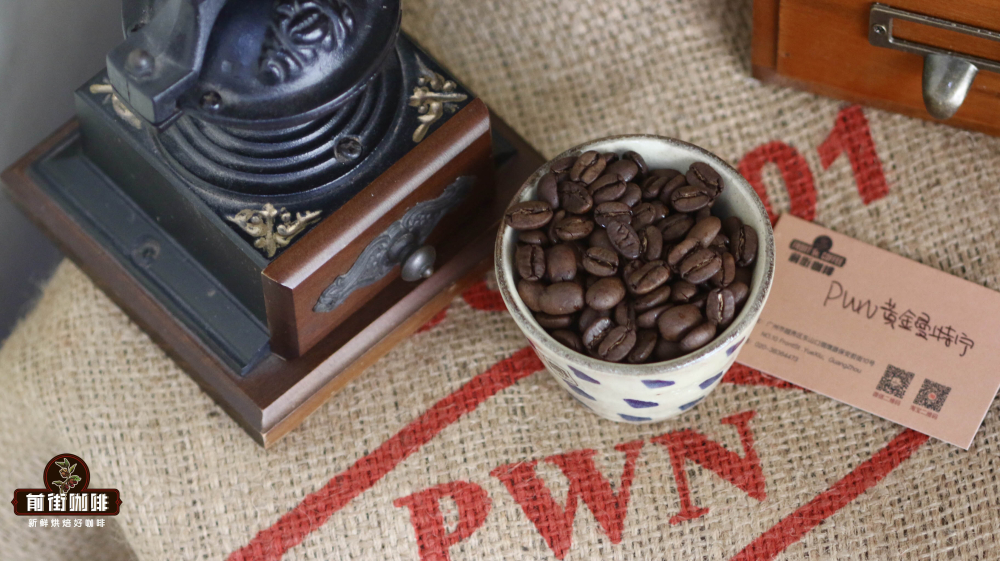
The flavor wheel of Sumatra coffee shows a distinct three-stage progression: on the first sip, the richness of dark chocolate and roasted nuts dominates; in the middle, subtle smoky and herbal spice notes emerge; and the finish echoes with lingering caramel sweetness and woody tones. Compared with ordinary Mandheling, the Golden Mandheling lots strictly selected by PWN retain the basic flavor framework while showing more delicate fruit fermentation layers and a silky, smooth texture.
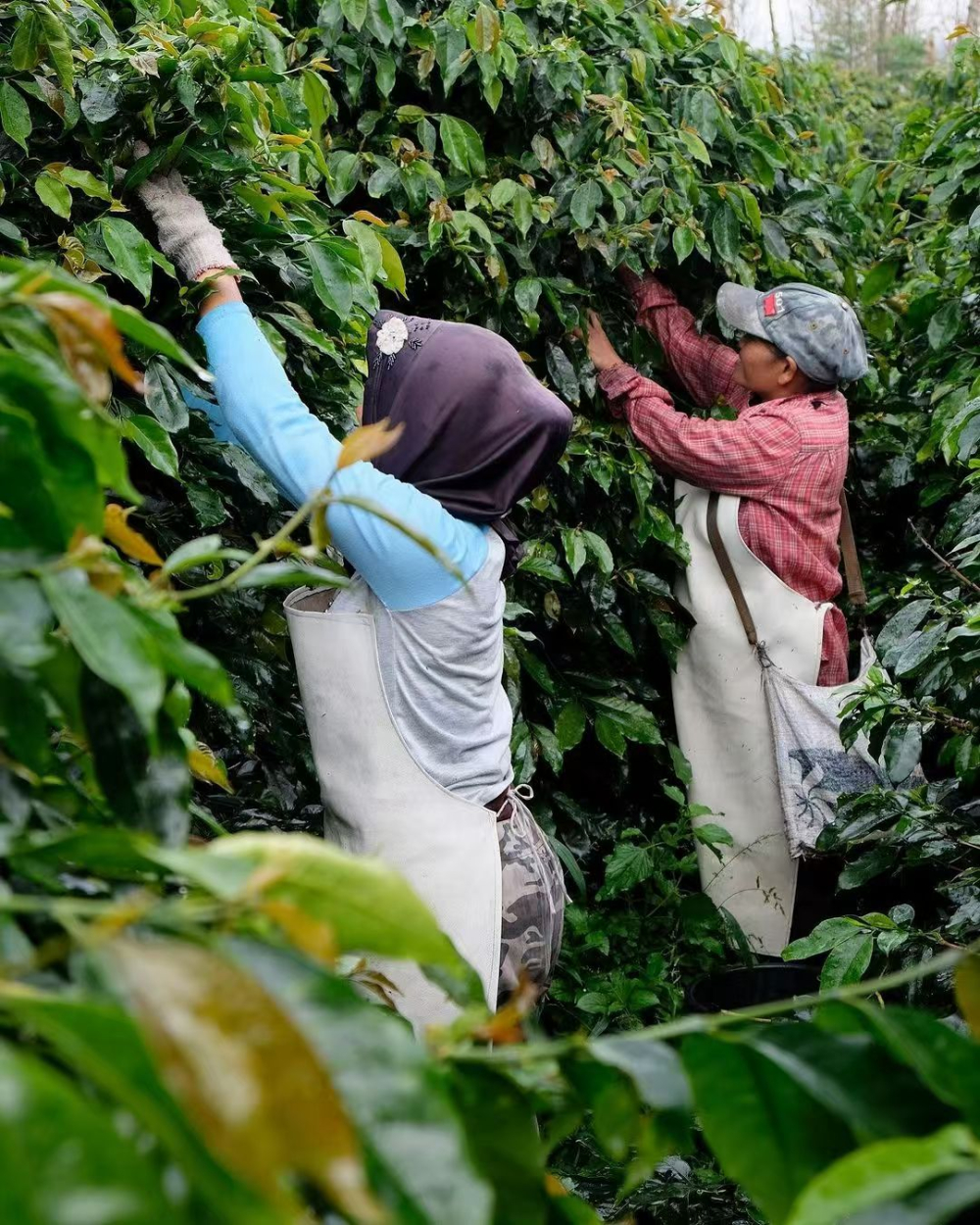
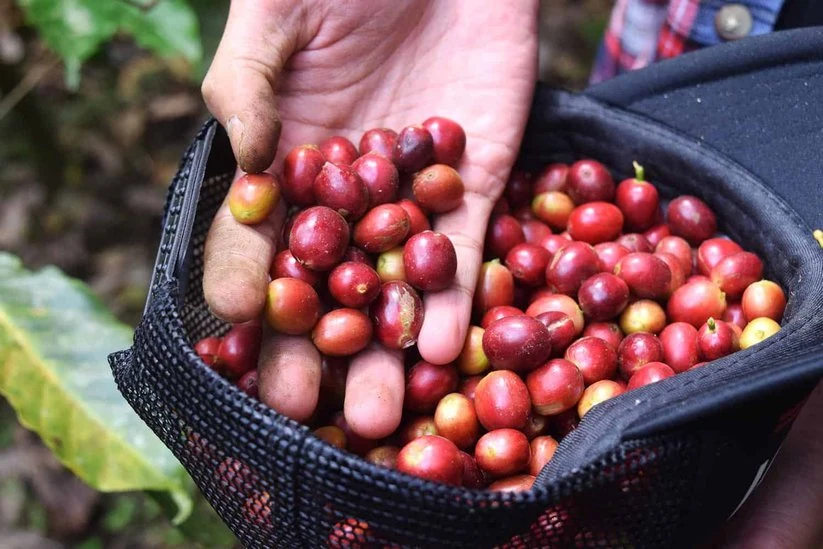
It is worth noting that the Sumatra coffee harvest is concentrated from November to March each year, when the picked fruit is most evenly ripe. When buying, consumers should check the origin coordinates and processing date on the packaging and prioritize products with G1 grade certification. For storage, use one-way degassing valve foil bags and keep them in a cool, dark place; the best flavor is recommended within 2-4 weeks after roasting.
Historically, the name Mandheling is actually a beautiful misunderstanding from World War II—a Japanese officer mistook the Mandheling ethnic group, as the grower called himself, for the name of the coffee variety. This name, originating from an ethnic group on Sumatra's northern coast, has now become a classic symbol in the global specialty coffee market. Understanding this cultural background adds a touch of humanistic charm to every brew.