Espresso Blend Bean Recommendations for Home Coffee Machines and 5 Practical Blend Recipes
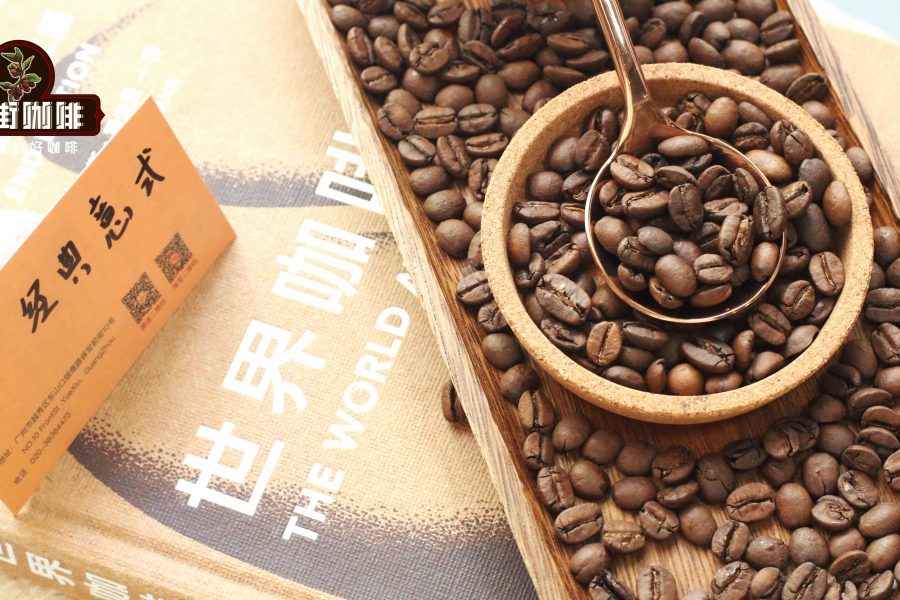
Introduction: The flavor performance of espresso depends heavily on blending technique. For home users, choosing blend beans suited to their coffee machine both improves the extraction experience and balances cost and flavor. This article explains the core concepts of espresso blend beans, analyzes the effects of different roasting combinations on flavor, and provides 5 practical blend recipes for home equipment, covering needs such as balanced taste, rich crema, and fruity notes, along with blending precautions and tips for choosing roast levels.
The essence of espresso beans is the art of blending: mixing beans from two or more origins in specific proportions to create a comprehensive flavor suited to making espresso, latte, and other milk-based coffees. Unlike single-origin beans, these beans emphasize acid-bitter balance, crema stability, and compatibility with milk. When purchasing, home users should focus on the roast date (ideally use within 5-14 days after roasting), bean uniformity, and recipe suitability.

Professional blending usually follows three basic recipe logics: first, American bean combinations (such as Brazil + Colombia), providing a nutty and chocolate base; second, three-origin balanced recipes (adding African beans to enhance acidity and layering); third, dark roast systems (Indonesian/Vietnamese beans to boost body). Key indicators for judging blend quality include: whether extraction shows dense crema (ideal thickness about 3-5mm), and whether flow rate is stable within 25 seconds (a single espresso is recommended at 9-12g of grounds yielding 30-35ml of liquid).

For home semi-automatic coffee machines (9-15Bar pressure range), the following proven blend recipes are recommended:
1. Balanced two-bean blend (Brazil + Colombia): medium-dark roast to the early second crack, nutty aroma and dark chocolate flavor at a 6:4 ratio, medium-high crema, suitable for Americano or basic latte.
2. Rich commercial-grade (Brazil + Colombia + Robusta): three-stage roasting (Brazil medium-dark/Robusta dark), crema thickness noticeably increased; keep the Robusta proportion below 30% to avoid burnt bitterness.
3. Fruity blend (Ethiopia + Costa Rica): light-medium roast preserves floral and fruity acidity; keep Ethiopian beans at no more than 25%, and pair with pre-infusion to improve extraction uniformity.
4. Deep rich aroma combination (Indonesian Mandheling + Vietnam + Brazil): full dark roast to a dense second crack, with prominent bitter-sweet balance, suitable for users who prefer traditional espresso flavor.
5. Entry-level economical (Yunnan + Brazil): medium roast preserves basic sweetness; keep Yunnan beans within 40% for cost-effectiveness; crema is stable but the layering is relatively simple.

Practical blending requires attention to three technical points:
• Defect bean screening: remove insect-damaged beans, black beans, and broken beans (standard: no more than 3 defective beans per kilogram); combining a vibrating screen with manual re-inspection is recommended
• Roasting synergy: beans from different origins need differentiated roasting curves; for example, extend the development time of Brazilian beans by 15-20 seconds to strengthen nutty notes
• Resting period: freshly roasted beans need to rest for 48-72 hours (stored sealed and away from light) until carbon dioxide is fully released for more stable flavor

Home equipment users often encounter two misconceptions: first, over-pursuing freshness (avoid beans within 3 days of roasting, when excessive degassing affects extraction); second, ignoring grind size suitability (espresso grind needs to be 30-40% finer than pour-over; adjust through 20-30 second extraction tests). Advanced tips include: using a tamper to maintain 9-10kg pressure, keeping water temperature at 92-94°C, and purging the steam wand before the first extraction each day to remove condensation.

Solutions for special scenarios: if the coffee machine has insufficient pressure (below 9Bar), increase the Robusta proportion in the blend to 40% to improve extraction rate; for the problem of too many fines, reduce the proportion of Ethiopian beans in the blend (prone to producing very fine particles). For storage, note that foil bags with one-way valves are better than sealed jars, and ambient humidity should be controlled within 45-55%RH.
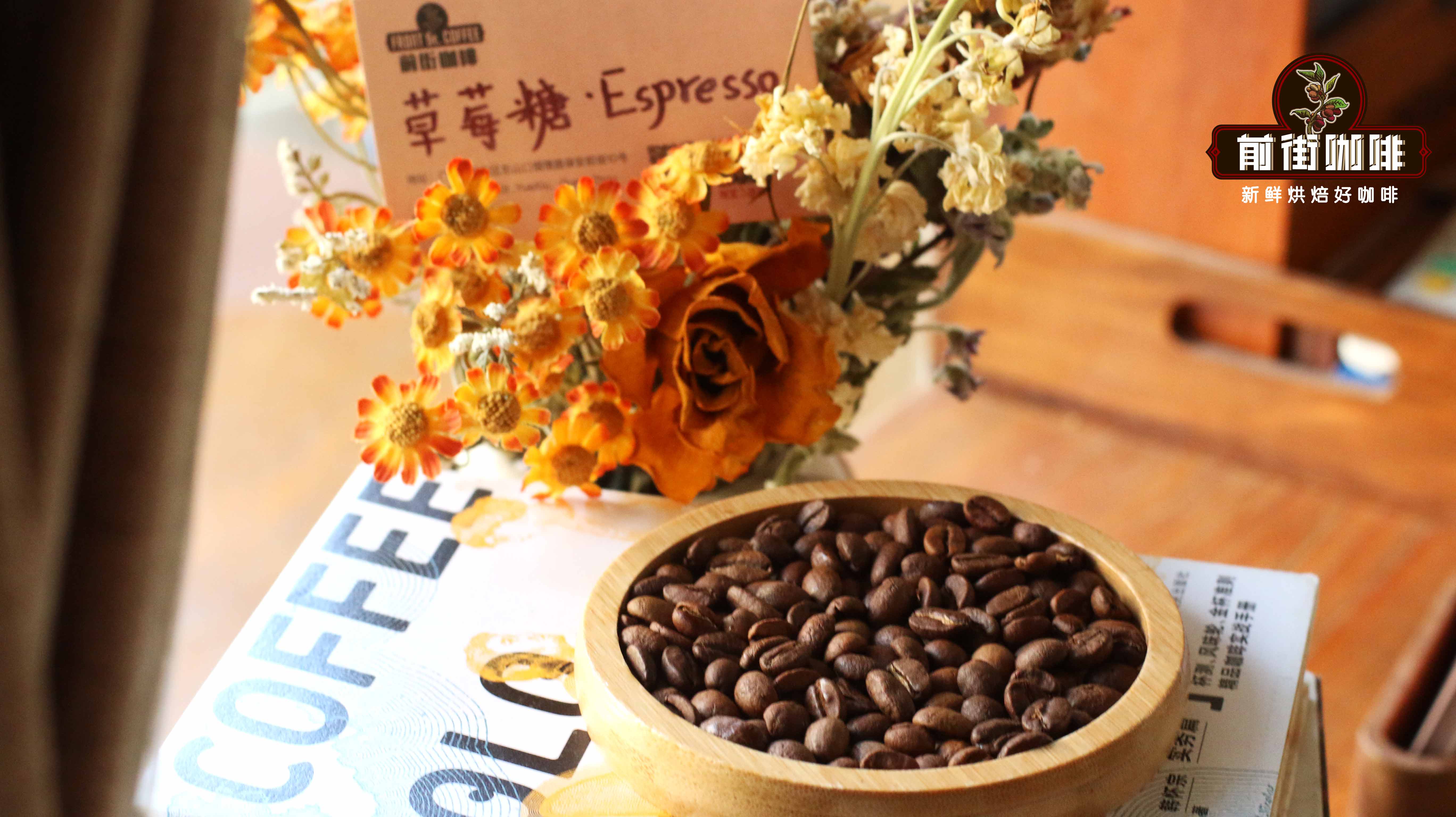
Data from professional roasters shows that the ideal flavor matrix for a quality espresso blend should include: sweetness ≥7 points (out of 10), acidity ≤3 points, body ≥6 points, and at least two clear flavor clues (such as chocolate + caramel). By adjusting the roast depth differences among origins (maximum temperature difference recommended within 15°C roast color value), flavor layering can be effectively enhanced without breaking overall balance.
Final reminder: for home blending experiments, start with small batches (within 200g), record each recipe ratio and extraction parameter, and gradually build a personal flavor preference model. For long-term users, fix 1-2 base blends and pair with 1 seasonal specialty bean (such as Ethiopian natural season beans) to find the best balance between stability and variety.