Natural vs Washed Hunkute Beans: Flavor Differences and Pour-Over Parameters
Introduction: Ethiopian Hunkute coffee beans have drawn widespread attention for their outstanding performances in competitions, and the natural and washed versions of Hunkute differ markedly in flavor. This article compares the two across origin background, processing methods, appearance, cupping flavors and pour-over recommendations, helping coffee lovers understand them more deeply and choose beans suited to their own taste.
In March 2017, at the China regional brewing championship held in Shanghai, a natural-process coffee from Ethiopia's Hambela region—Hunkute—defeated several high-priced Geisha varieties with its excellent flavor, ultimately taking second place by only a narrow margin. This much-discussed coffee comes from the Buku Abel farm in the Hambella Wamena area of the Guji region; it is a typical Ethiopian native Heirloom variety, grown at elevations between 2250 and 2350 meters.
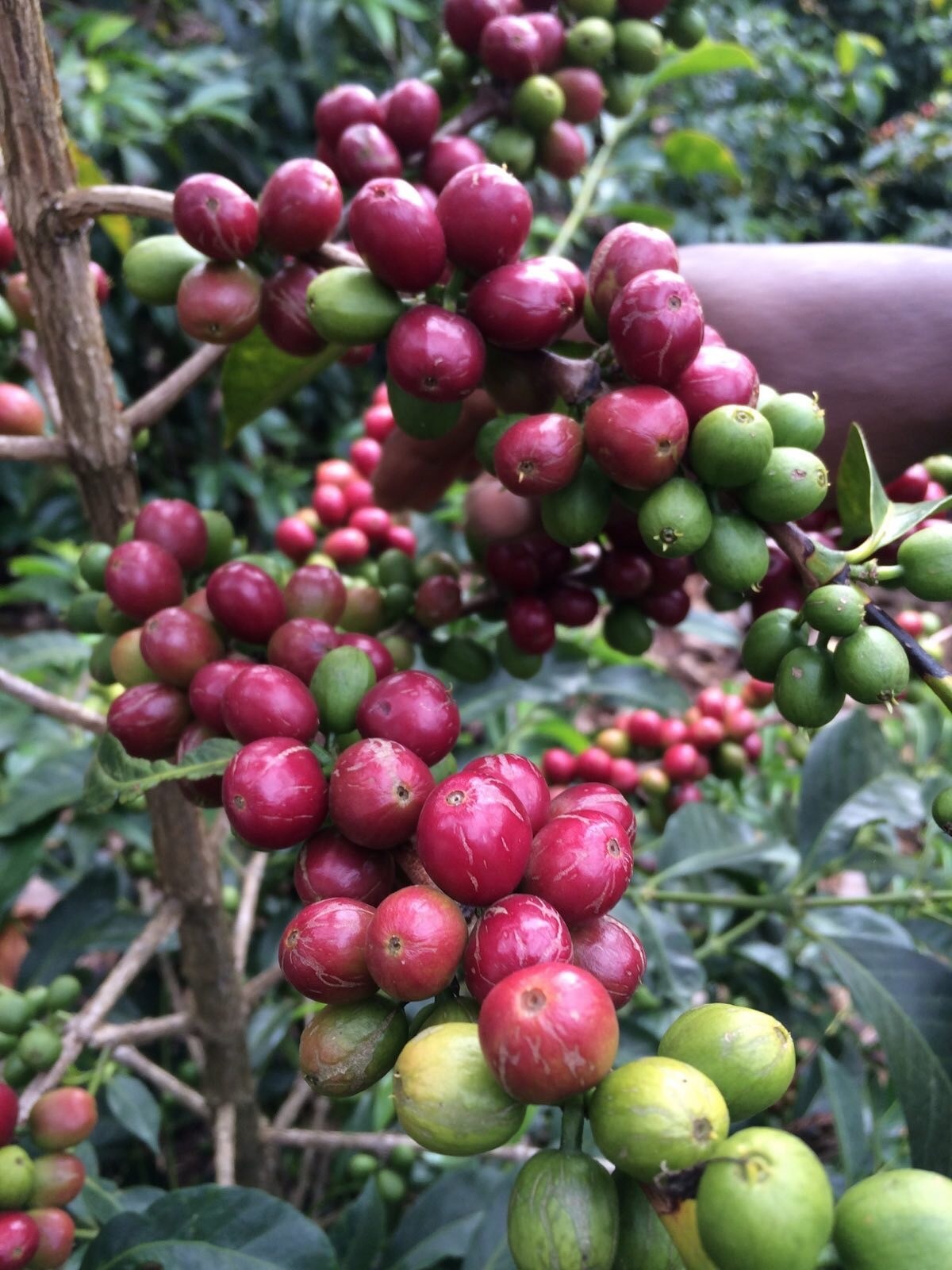
The Hambella region, where the Buku Abel farm is located, is a high-altitude sub-region of the larger Guji region, with a favorable geographical position bordering the Kochore area of Yirgacheffe to the west. The area's climate is suitable year-round, with large temperature differences between day and night, providing ideal conditions for coffee cherries to ripen and dry. Notably, only natural coffee produced at the Buku Abel farm can be called "Hunkute"; similarly named products from other regions are not equivalent.
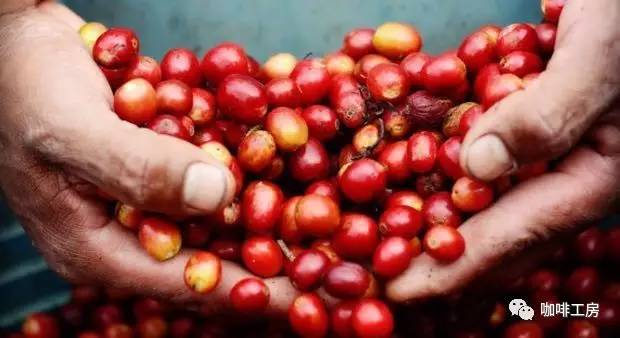
The farm's coffee harvest season is usually in December each year, when the coffee cherries are plump and red, with sugar content generally above 30. Only fruit meeting this standard is selected for natural processing. The first two days of the natural process are especially critical: appropriate humidity must be maintained to encourage fermentation between the pulp and the seed, while nighttime temperatures dropping to about 12°C effectively prevent the risk of over-fermentation. After 18 days of sun-drying, the skin and pulp are fully dehydrated; the green beans then enter a resting period of about 50 days, during which they further dehydrate to a moisture content of around 11% at a temperature of 12-22°C and humidity of 45-55%, before finally being hulled, sorted and sold.
Besides natural processing, Hunkute coffee is also available in a washed version. The two methods differ significantly in process, appearance and flavor expression, and are a frequent focus of discussion among coffee lovers.
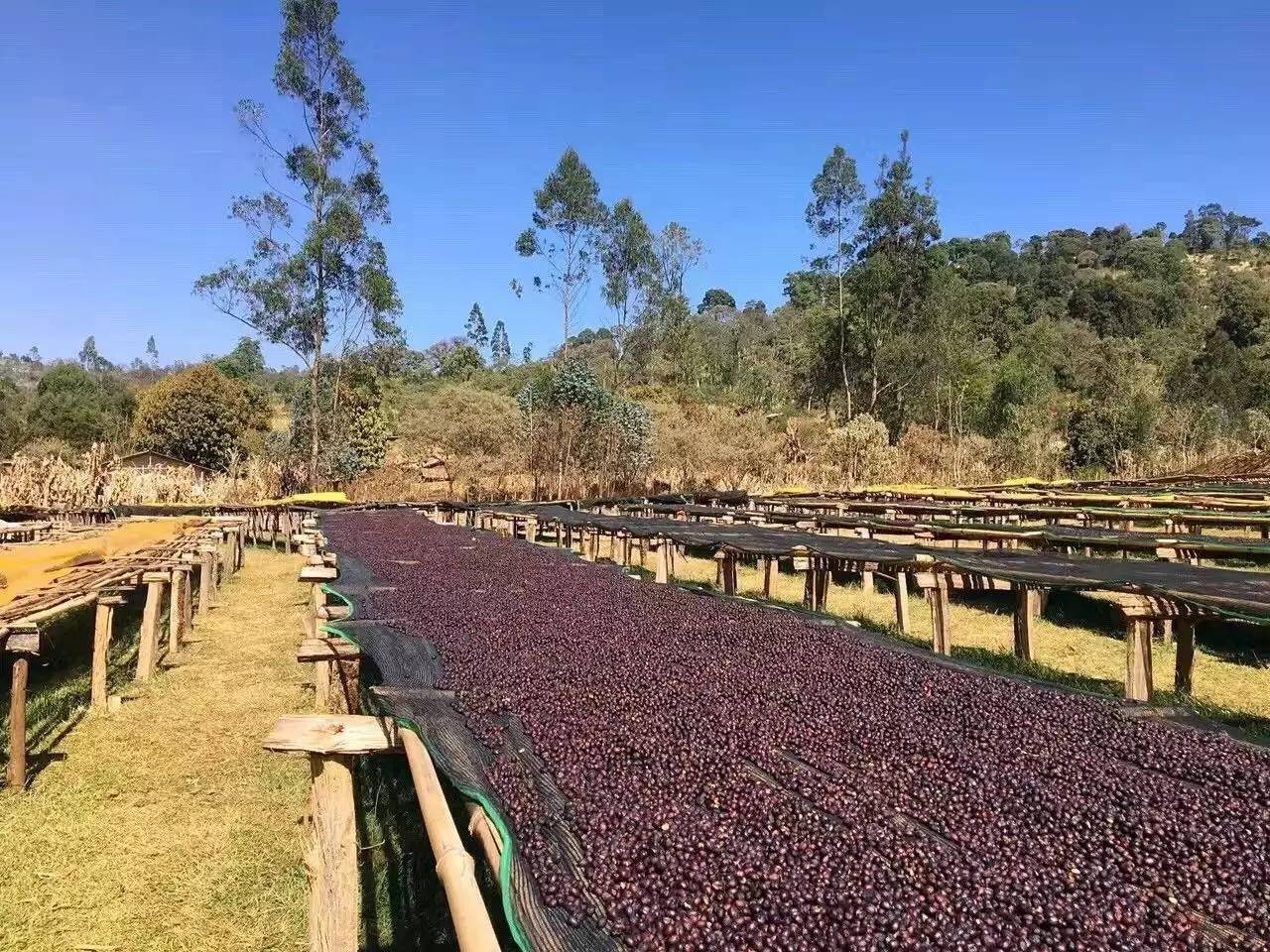
Natural processing (Natural / African Bed) is one of the most traditional coffee processing methods: whole coffee cherries, with the shell intact, are spread directly on drying beds or flat ground to dry. Specialty coffee usually uses perforated African drying beds to ensure good ventilation and even thickness, so the fruit is heated evenly and the bottom does not mold. Ordinary commercial beans may be dried directly on concrete ground, but must be turned regularly to ensure consistent drying. Drying time depends on weather conditions, usually lasting 2 to 4 weeks.
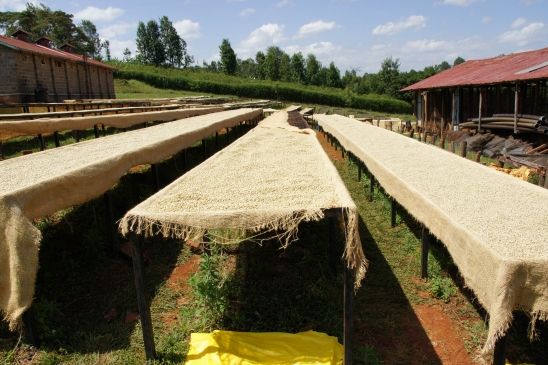
Washed processing, by contrast, removes the skin, pulp and mucilage through water and fermentation, and places higher demands on water quality and equipment. During processing, the fermented coffee beans are washed repeatedly to ensure a clean surface, then drained in washing tanks to a moisture content of about 12%, and finally also undergo a drying stage. Because washed processing depends on a stable water supply, many regions use centralized processing, purchasing fresh coffee cherries from several surrounding villages for unified processing.
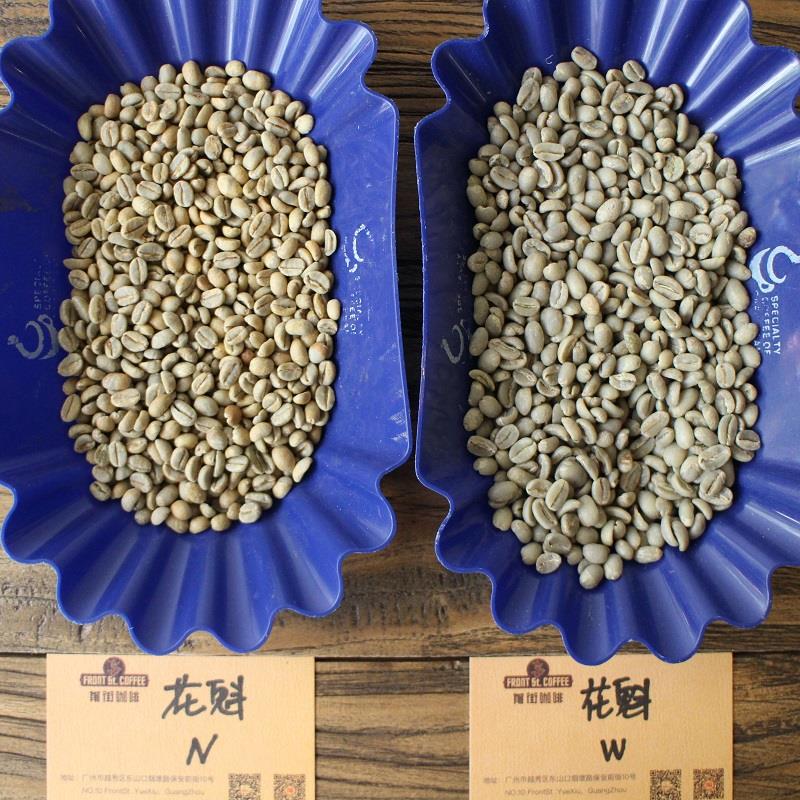
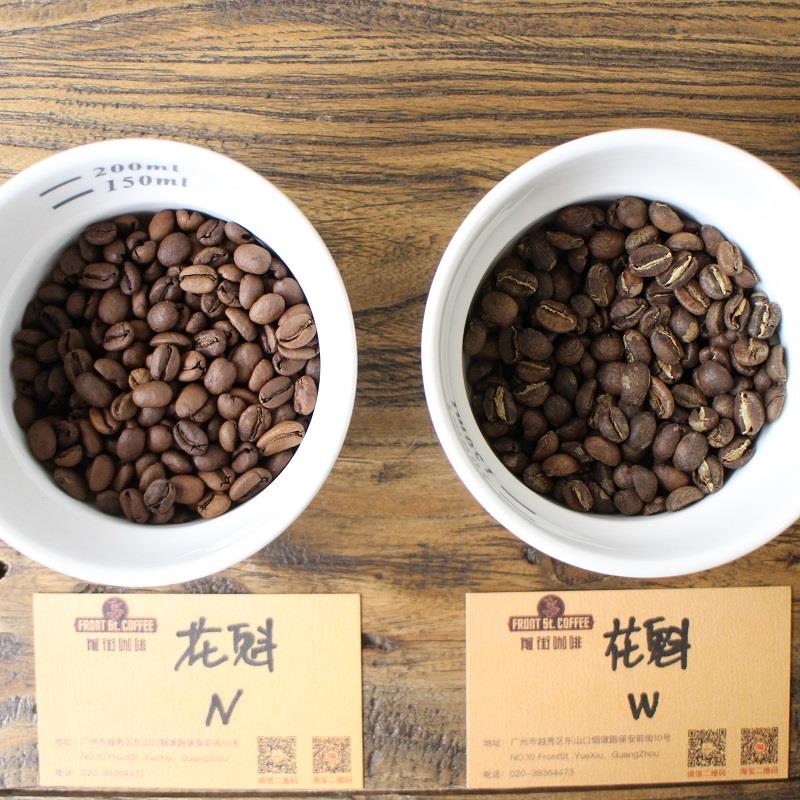
In appearance, natural Hunkute green beans are usually smaller, green with a yellow tinge, and uneven in size; washed Hunkute green beans are grayish-green and more uniform. After roasting, natural Hunkute is usually roasted lighter, with paler roasted beans and almost no visible silver skin; washed Hunkute is roasted slightly darker, with a deeper color and silver skin often visible along the center line.

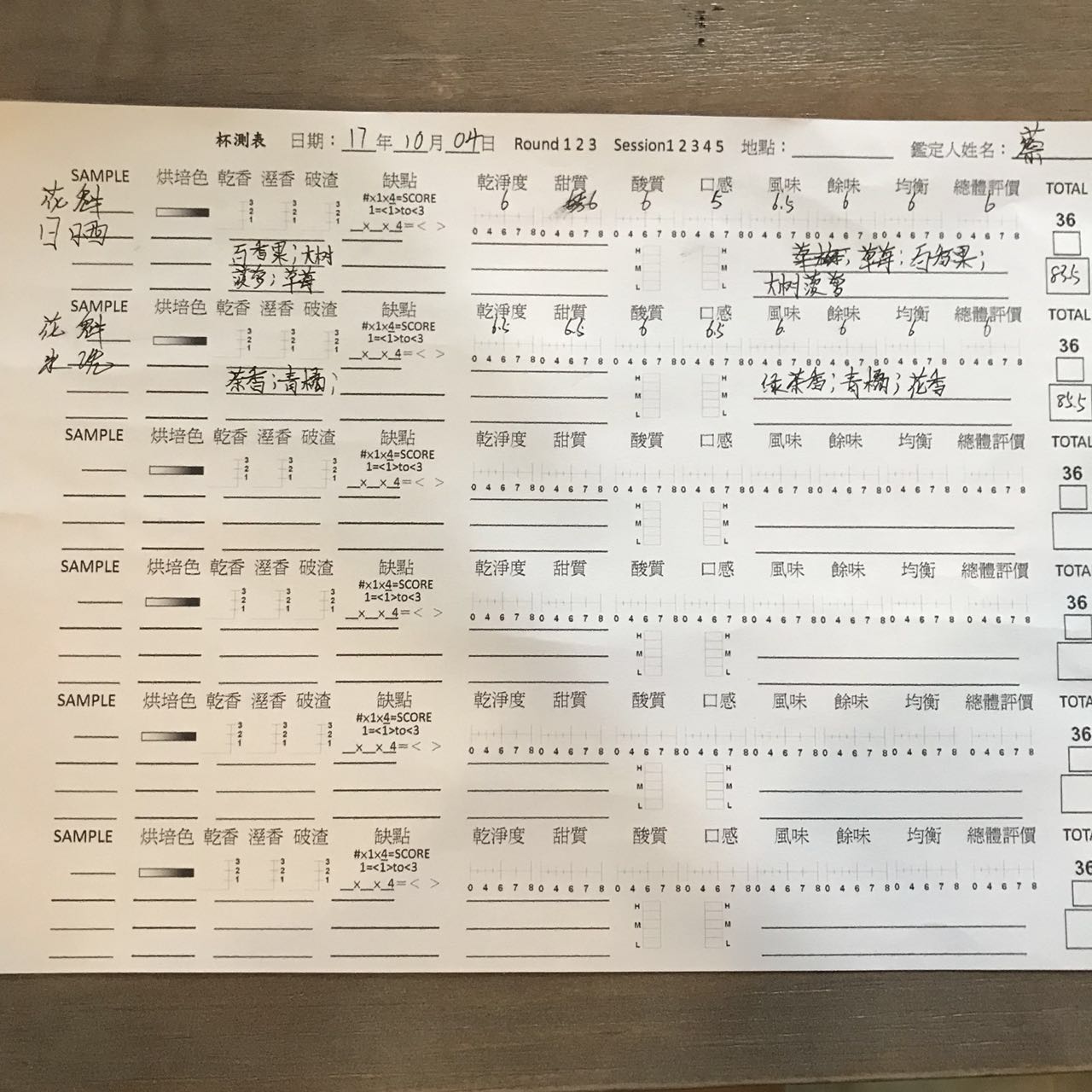
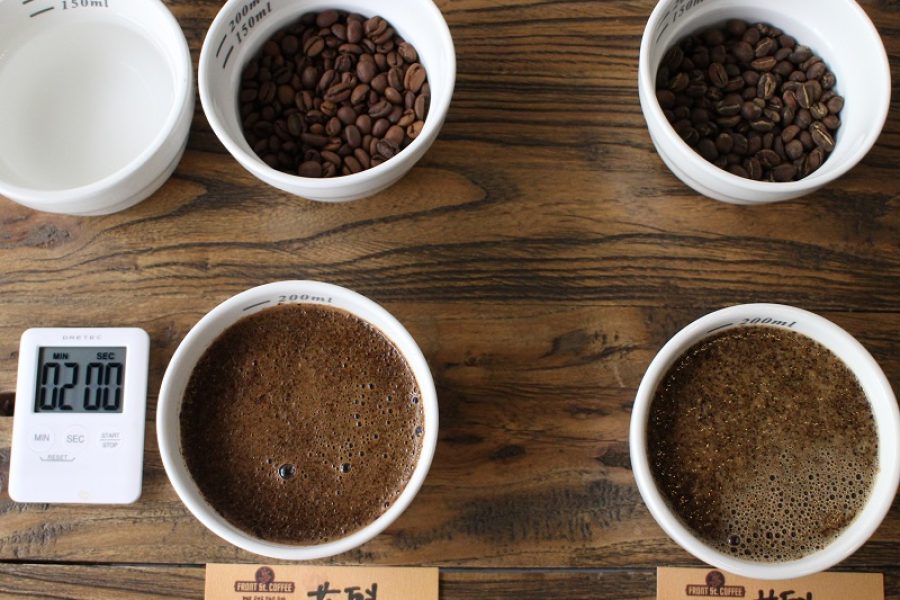
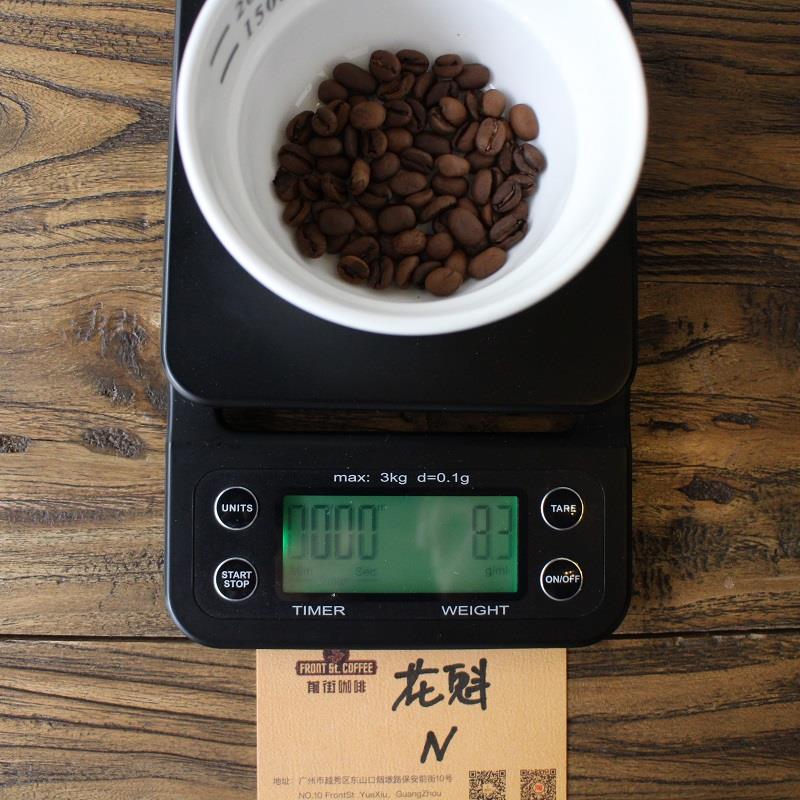
In cupping, using the standard ratio—8.2-8.3 grams of coffee to 150 ml of water, a water-to-coffee ratio of 1:18.18, a water temperature of 94°C, and tempered glass or ceramic cups of 207-266 ml capacity—the performance of the two beans can be effectively evaluated. In dry aroma, natural Hunkute presents intense tropical fruit aromas of passion fruit, jackfruit and strawberry; washed Hunkute is dominated by tea and green mandarin aromas.
In wet aroma and flavor, natural Hunkute shows in cupping an interplay of rose florals, passion fruit, jackfruit and strawberry, with cleanliness, sweetness, acidity, flavor, aftertaste and overall balance all scoring around 6, for a total of 83.5 points. Washed Hunkute excels with green tea aroma, green mandarin and a black tea finish, performing more refreshingly overall, with a total of 85.5 points, including 6.5 each for cleanliness and sweetness.
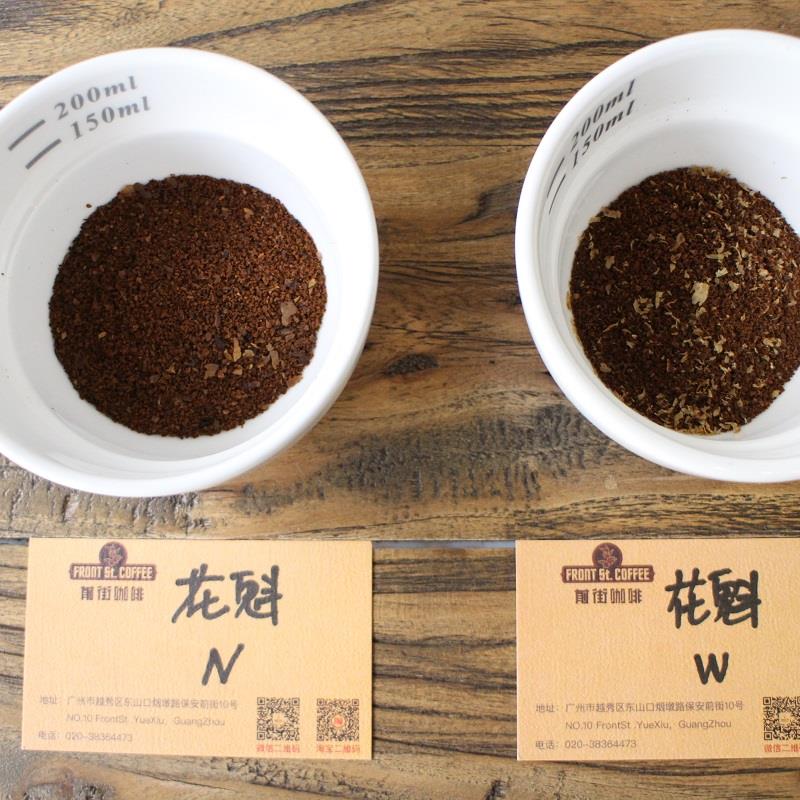
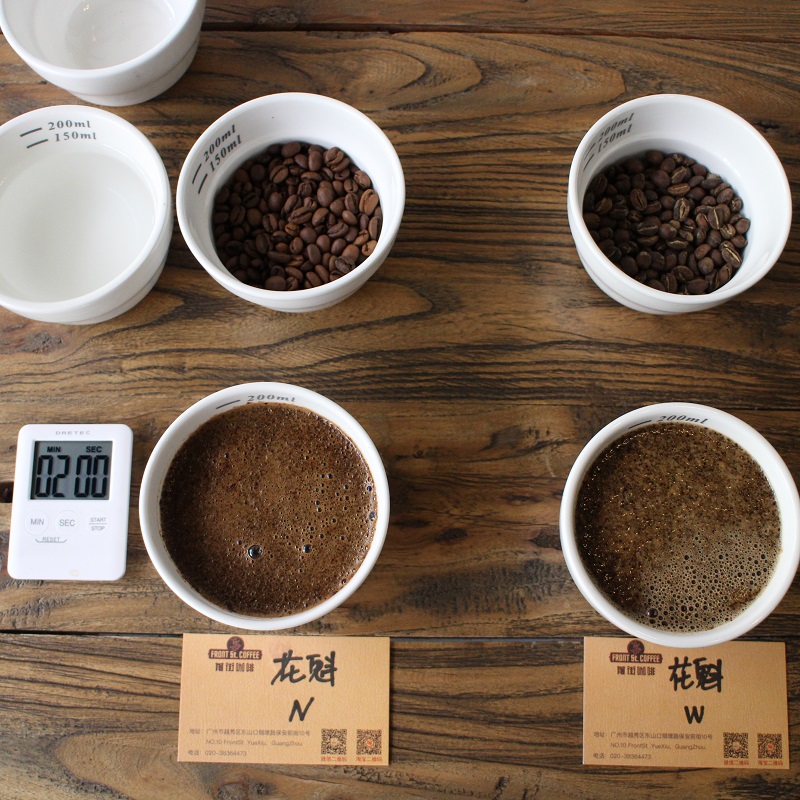
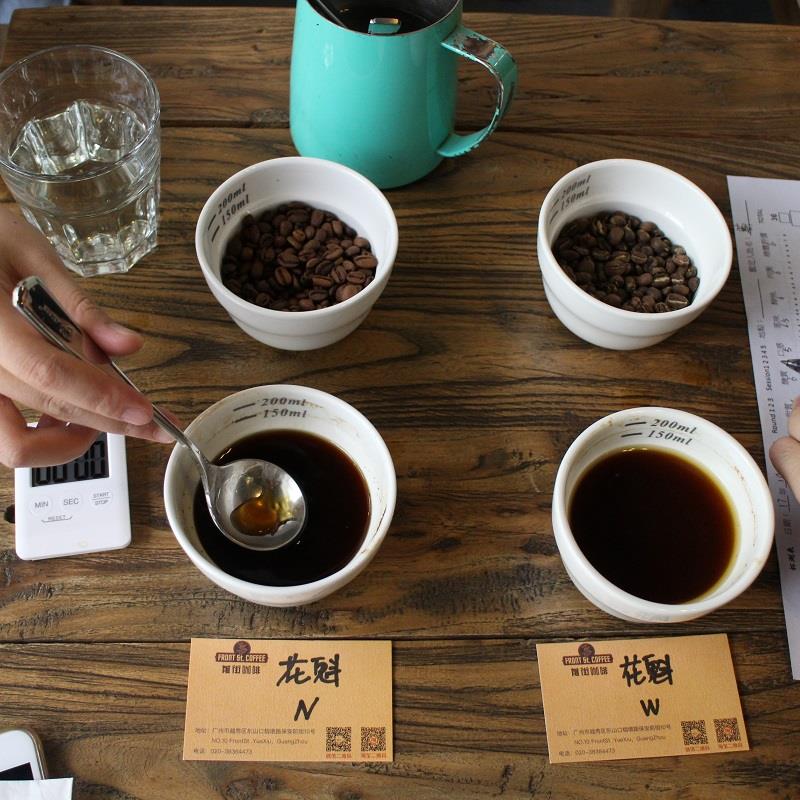
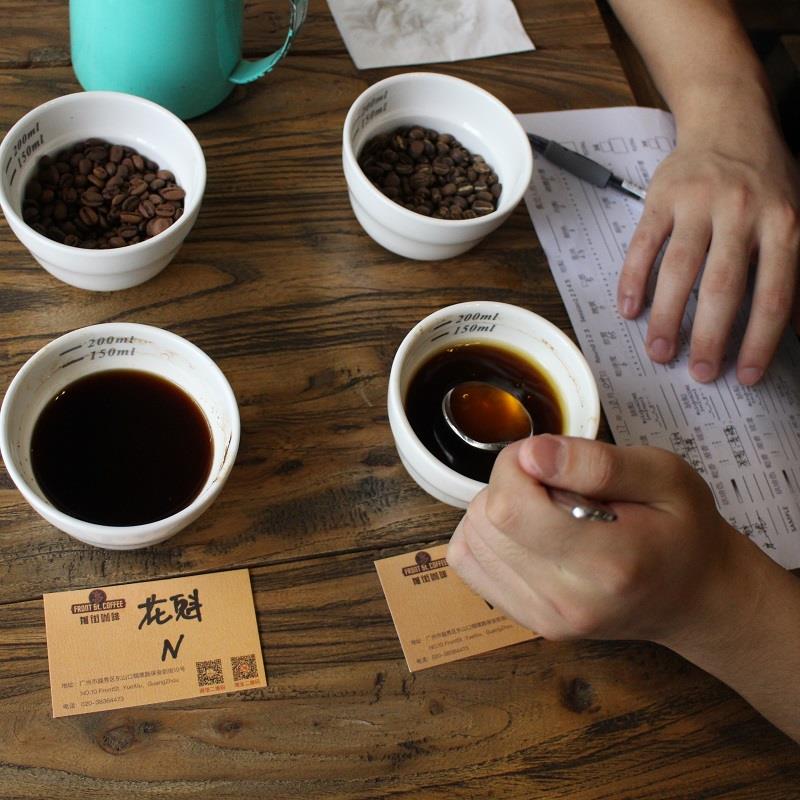
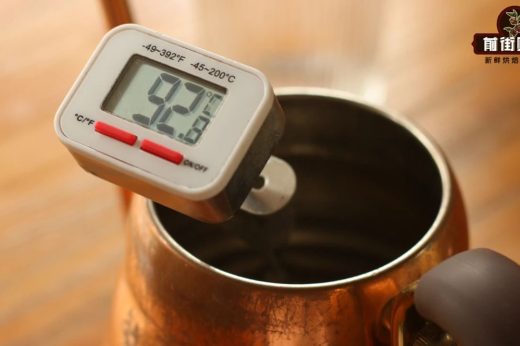
For pour-over parameters, natural Hunkute is best with 15 grams of ground coffee, 90°C water, a V60 dripper and Fuji 3.5 grind setting, a water-to-coffee ratio of 1:15; first pour 30 grams for a 30-second bloom, then pour in stages to 225 grams, for a total extraction time of about 2 minutes 02 seconds. Washed Hunkute is best with 92°C water and a water-to-coffee ratio of 1:14; after the first 30-gram pour and bloom, pour in stages to 215 grams, for a total extraction time of about 2 minutes 05 seconds, better highlighting its fresh tea character and black tea finish.
Considering both cupping and actual experience, natural Hunkute, with its layered tropical fruit profile and full-bodied flavor, suits drinkers seeking complexity and fruit-forward experiences; washed Hunkute, with its clean, bright acidity and refreshing tea and black tea character, suits those who prefer a fresh, elegant style. Whether natural or washed, each has its merits—there is no absolute better or worse, only differences in personal taste preference. Coffee lovers are advised to try different processing methods according to their own preferences and explore the Hunkute flavor they love most.