Decaf Coffee Explained: Processing, Caffeine Residue and Flavor
Introduction: Decaf coffee suits people who want to drink coffee but need to control their caffeine intake. This article explains in detail the definition of decaf coffee, the original caffeine content of different coffee beans, the decaf standard, and the mainstream decaffeination technologies, including the solvent method, the Swiss Water Process and the supercritical carbon dioxide method, to help you understand the principles, advantages and disadvantages of each process and its impact on coffee flavor.
Decaf coffee, simply put, is a coffee beverage with a very low caffeine content. The coffee we drink daily contains many components, among which caffeine is the one with the most noticeable effect on the human body. For those who love the flavor of coffee but need to reduce their caffeine intake for health reasons, decaf coffee is an ideal alternative.
Generally speaking, the caffeine content of coffee beans varies by variety. Arabica coffee beans usually have a caffeine content of between 1.1% and 1.7%, while Robusta coffee beans are higher, at about 2% to 4.5%. According to international standards, decaf coffee must not exceed a caffeine content of 0.3% after brewing, which translates to less than 5 mg of caffeine per standard cup of coffee.
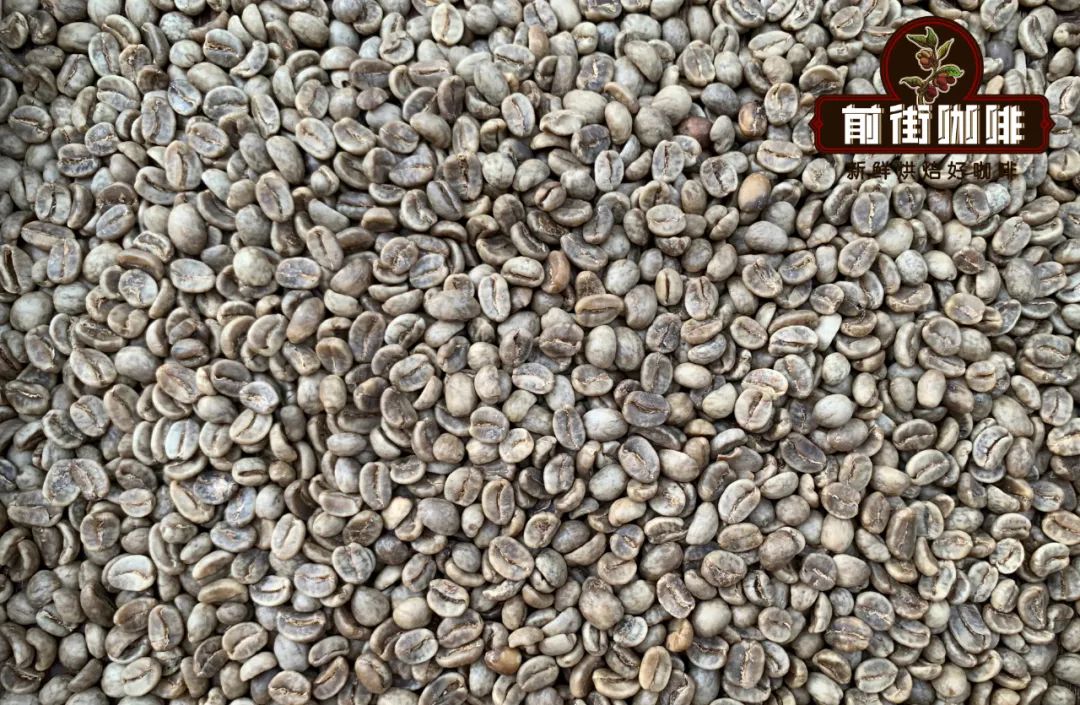
It should be noted that decaffeination must be carried out at the green bean stage, because the structure of roasted beans is already stable, making processing difficult and ineffective. At present, three main categories of decaffeination technology are used worldwide: the traditional solvent method (also called the European process), the Swiss Water Process (SWP), and the supercritical carbon dioxide method. All three methods can effectively remove 94% to 98% of the caffeine in coffee beans, with the final residue amounting to only 2% to 3% of the original content.
The first is the solvent method, also called the European or chemical method, which is divided into direct and indirect approaches. In the direct method, steam is passed through the green coffee beans to open their pores, after which a solvent (such as dichloromethane or ethyl acetate) is brought directly into contact with the green beans; these solvents selectively bind with caffeine, and a further steam treatment then carries out the solvent and caffeine together. In the indirect method, the green beans are first mixed with hot water, allowing the hot water to extract flavor substances including caffeine; the green beans are then separated from the hot water, and a solvent capable of adsorbing caffeine is added to the hot water. The caffeine is adsorbed and floats to the surface, where it is removed. Finally, the decaffeinated hot water is mixed with the green beans again so that the beans reabsorb the flavor substances.
The second mainstream method is the Swiss Water Process, an efficient process that uses no chemical solvents at all. Its procedure is divided into two main steps: first, a batch of green beans is soaked in hot water, which extracts most of the flavor substances and caffeine from the green beans, and this batch of "sacrificial beans" is then discarded; next, the hot water rich in flavor factors but containing caffeine is passed through an activated carbon filter, which filters out the caffeine to obtain what is called "flavor-loaded water." This water retains abundant flavor components but has had its caffeine removed. A new batch of green beans is then soaked in this type of water; because the flavor factors in the water are already close to saturation, only caffeine is extracted and the flavor is not excessively affected, ultimately achieving a balance between flavor and decaffeination. After processing, this water can be recycled, continuously removing caffeine through activated carbon.
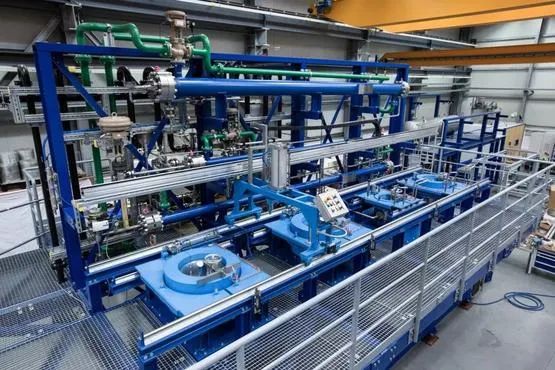
The third method is the supercritical carbon dioxide method, a relatively advanced and efficient technology. This method soaks green coffee beans in liquid carbon dioxide and, under conditions of high pressure (over 100 atmospheres) and suitable temperature, brings the carbon dioxide into a supercritical state—a special state that combines the penetrating power of a gas with the dissolving power of a liquid. In this state, carbon dioxide can precisely bind with caffeine molecules, and the caffeine is then separated out through an activated carbon filter. It is worth mentioning that the critical temperature of this technology is 31.1°C and the critical pressure is 73 atmospheres, which not only causes little damage to heat-sensitive flavor substances but also effectively preserves the coffee's aroma.
In terms of removal efficiency, the traditional solvent method can remove about 96% to 97% of the caffeine, and the chemical method (which early on used chloroform, benzene and the like, now improved) can also reach a similar ratio, while the supercritical carbon dioxide method has the highest removal rate, reaching 96% to 98%, making it the best of the current technologies. In addition, no matter which method is used, the caffeine extracted in the end is usually recovered and sold to pharmaceutical or beverage companies for reuse, achieving effective use of resources.
Although decaf coffee can effectively reduce caffeine intake, its flavor is often inferior to that of regular coffee. This is because, while the caffeine is removed, some flavor substances may also be affected, especially when chemical solvents or high-temperature, high-pressure processing are used. Therefore, when choosing decaf coffee, it is advisable to consider both personal taste preferences and health needs, and also to pay attention to the specific processing method stated, so as to make a choice that suits you better.