Colombia Huila Flower Moonlight Anaerobic Natural Coffee Review: Pour-Over Parameters and Flavor Guide
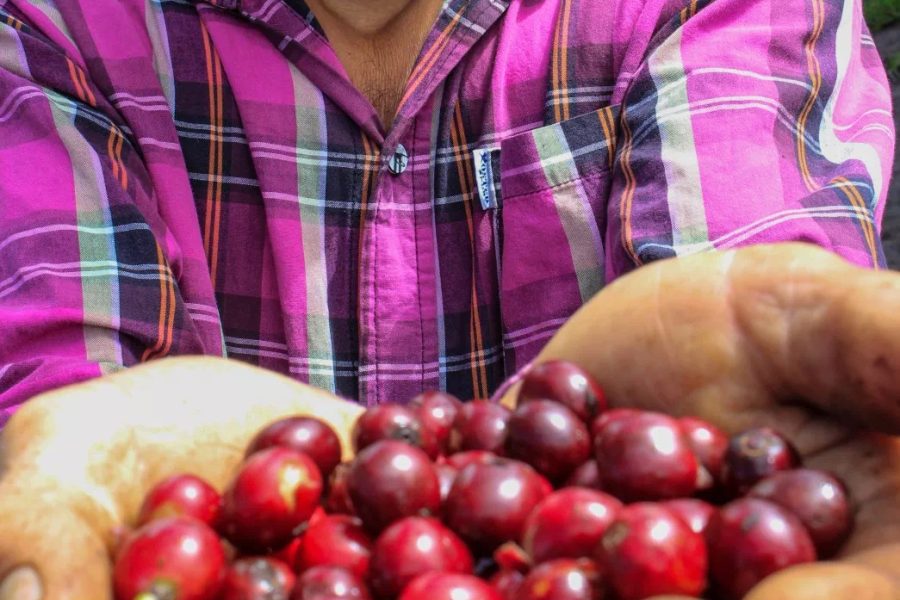
Introduction: This anaerobic natural coffee bean from Colombia's Huila region presents a complex flavor profile of strawberry jam and wine-filled chocolate through its unique fermentation process. This article will detail how to bring out its full fruity aroma and silky finish, from the region's terroir and processing techniques to brewing methods, and provide professional-grade pour-over parameters to help you precisely capture the flavor layers.

Specialty coffee enthusiasts often face a dilemma—beans from different regions around the world have distinctly different flavors, and beginners often don't know where to start. Colombia, as an important global producer of high-quality Arabica, has its Huila province producing many unique specialty beans thanks to its exceptional geographical conditions. Among them, a coffee bean processed using the anaerobic natural method, with a delicate rose aroma as its top note, combined with the sweetness of strawberry jam and a cocoa finish, has become a flavor introduction for many.

The charm of this bean begins with its special processing technique. Through anaerobic fermentation technology, the coffee cherries undergo a slow transformation in a sealed environment for 15-20 days, and microbial action gives the fruit richer aromatic compounds. Compared to traditional natural processing, this method more consistently preserves floral and fruity notes while reducing the risk of over-fermentation. The estate owner precisely controls the temperature and humidity of the fermentation tanks, allowing the coffee to develop a wine-like complexity in a low-oxygen environment.

Key parameters show that this bean is grown at 1,800 meters on the Acevedo Gutierrez estate, with the disease-resistant Caturra variety. This altitude, combined with the microclimate on the eastern slopes of the Andes, where the temperature difference between day and night is about 6°C, encourages the coffee cherries to accumulate more sugar. The nitrogen-rich volcanic soil further aids the synthesis of flavor compounds, resulting in a final bean with bright acidity and a full body.

The Huila region is located in the Central Cordillera of southern Colombia, where several important rivers converge and the average annual humidity remains above 75%. This humid environment provides ideal conditions for anaerobic processing, and the 1,500-1,800 meter altitude band contains numerous microclimates. Notably, in 2016 this region accounted for 18% of the national production, but the proportion of specialty beans continues to rise, confirming its quality potential.

The third-generation operator of the estate inherited the family coffee business and significantly improved flavor consistency by refining the fermentation process. In practice, the harvested ripe coffee cherries are manually sorted and immediately placed into sealed fermentation tanks at a constant 18°C, with pH monitored every 3 days. This meticulous control avoids common fermentation off-flavors while allowing red fruit aromas such as strawberry to fully develop. In the subsequent sun-drying stage, the coffee cherries are spread on raised beds with a thickness strictly controlled to within 3 cm to ensure even dehydration.

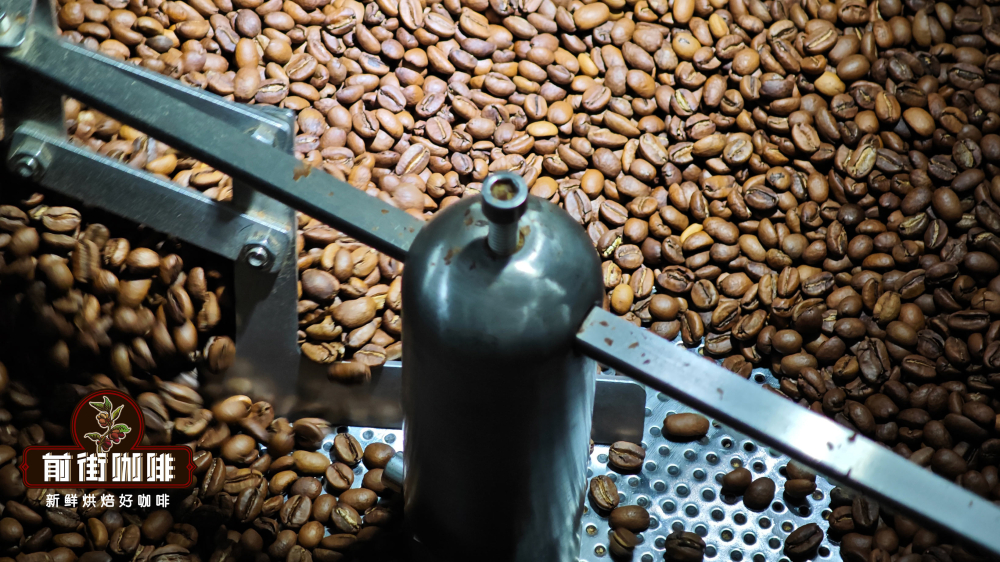
For such specially processed beans, a medium roast is recommended to balance sweetness and body. During actual roasting, note: keep the drying phase within 9.5 minutes to avoid underdevelopment; after first crack, extend the development period by 30 seconds to enhance caramelization. Cupping shows a dry aroma with violet and berry notes, while the wet aroma highlights fermented wine notes; on the palate, the jammy sweetness and dark cocoa finish create a layered taste experience.
For home brewing, a V60 dripper is recommended with the following parameters: 15 g coffee, 1:15 coffee-to-water ratio, 91°C water temperature, grind size 78% passing a No. 20 sieve (equivalent to medium-fine). For staged extraction, first pour 30 g of water for a 30-second bloom, then pour in a slow circular stream until 125 g, pause, and when the water level drops to the surface of the coffee bed, continue pouring to 225 g. Maintain a uniform pouring speed throughout, with a total extraction time of about 1 minute 48 seconds, which effectively highlights the floral and fruity notes without amplifying flaws.

When drinking, it is recommended to use a white porcelain cup to observe the oils clinging to the wall. A high-quality batch usually shows an amber sheen; on the palate, clear strawberry sweetness is first felt, followed by a honey-like smooth wine-filled chocolate flavor in the mid-palate, and a gentle dark cocoa bittersweetness in the finish. Under-extraction may result in sharp acidity or excessive fermented flavors; over-extraction will lead to a thinner body. According to third-party laboratory testing, the bean's sugar content reaches 18.5°Brix, confirming its natural sweetness base.

From cultivation to the cup, every step of this Huila coffee demonstrates the professional standards of Colombia's specialty regions. For pour-over enthusiasts seeking flavor complexity, it is both an excellent introduction to exploring anaerobic processing and a vivid example for understanding regional terroir characteristics.


