Guatemala Huehuetenango Decaf Beans: Pour-Over Guide and Flavor Profile
Introduction: Decaf coffee from Guatemala's Huehuetenango region is known for its distinctive flavor and rare tree variety. This article explains its growing environment and flavor characteristics in detail, and provides a professional pour-over recipe, including key parameters such as water temperature, coffee-to-water ratio, and grind size, to help you precisely bring out its soft citrus notes and smoky finish.
Guatemalan coffee regions are known for their high-altitude cloud and mist environments, where the temperature difference between day and night slows the pace of coffee growth and promotes the full accumulation of flavor compounds. Volcanic soil is rich in minerals and provides unique nutrients for coffee trees. Compared with other Central American countries, Guatemalan coffee has more complex flavor layers—the Antigua region around the capital is known for its full-bodied smoky character, while the Huehuetenango highlands in the northwest are distinguished by their refined citrus acidity.
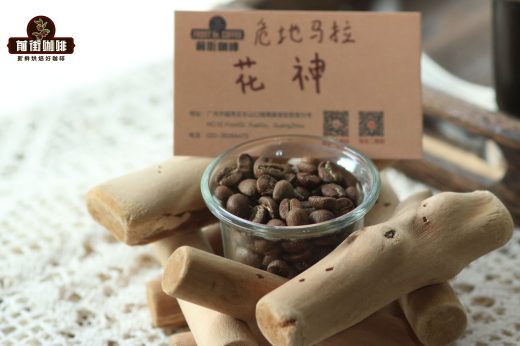
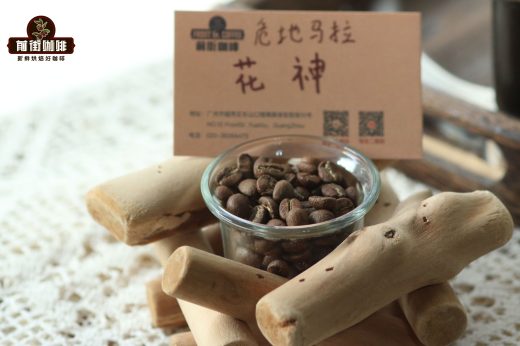
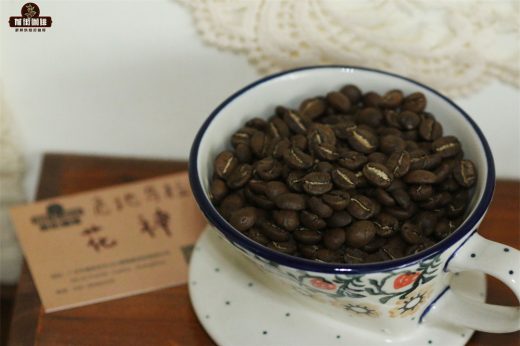
The Huehuetenango highlands are located in northwestern Guatemala, where the stable cloud layer formed by the basin terrain and fertile red soil create ideal growing conditions. This area has produced champion beans in Guatemalan coffee competitions for many consecutive years and enjoys a strong reputation in the international specialty coffee market. The coffee produced here not only has a distinct regional flavor, but also includes the Laurina Bourbon variety with extremely low caffeine; its natural caffeine content is only 0.6% (regular Arabica is 1.2%), making it a rare naturally low-caffeine tree variety.
This Laurina Bourbon coffee tree has a long history. Although its fruit yield is low, its flavor is excellent: it opens with a soft caramel sweetness, reveals a fresh white peach acidity in the middle, and finishes with an elegant cedar wood aroma. The Japanese coffee market once sparked a craze for its delicate mouthfeel, and it is now introduced through special channels, offering decaf coffee lovers a richer choice.
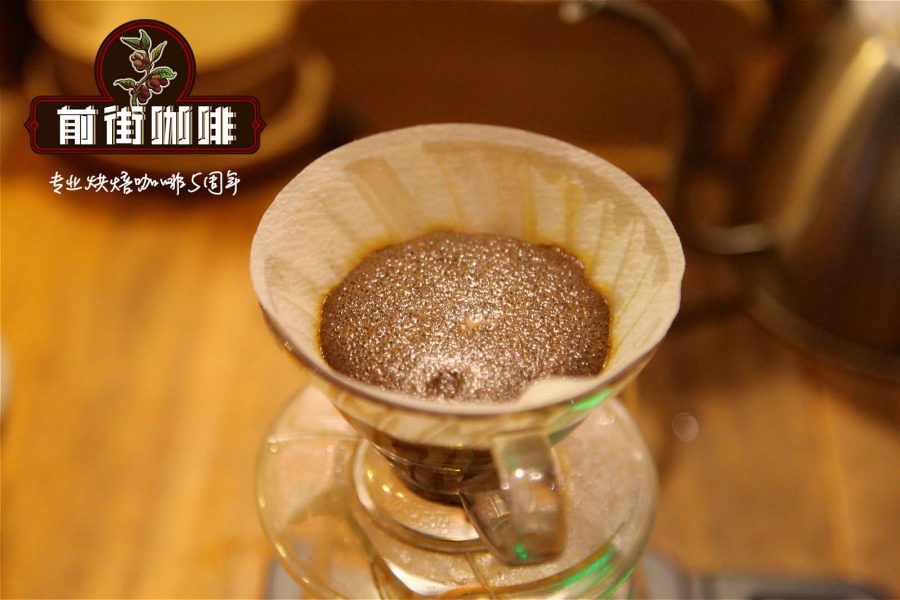
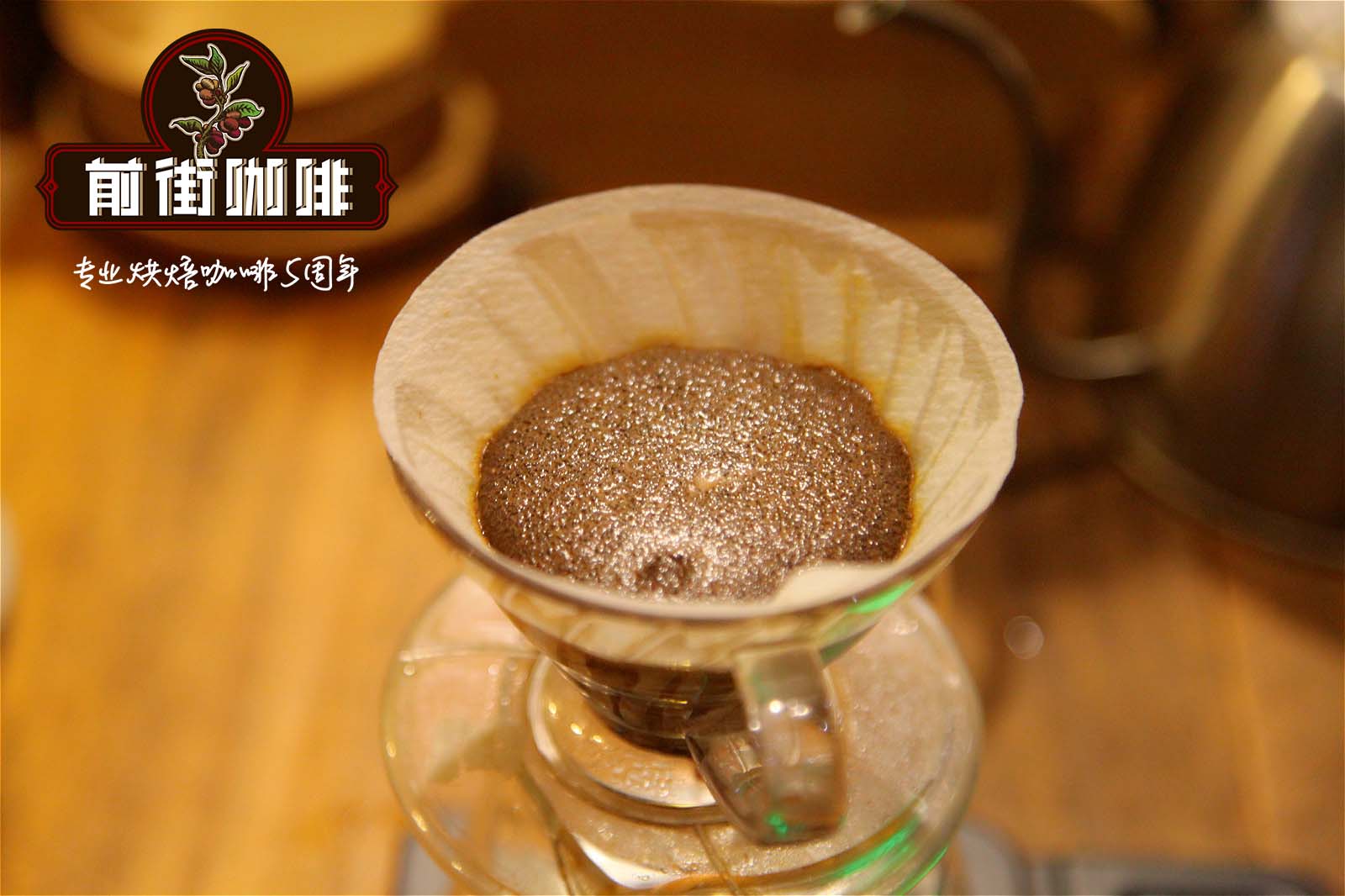
For a pour-over recipe for Huehuetenango decaf beans, a V60 dripper is recommended to achieve a bright extraction: bloom 16 grams of coffee grounds with 32 grams of water for 30 seconds (water temperature controlled at 89–90°C), with a coffee-to-water ratio of 1:14. For grind size, refer to setting 4 on a Fuji Royal grinder (medium-fine grind, similar to the texture of fine granulated sugar). Pause after the first pour reaches 140 ml, then, once the water level drops to the surface of the coffee bed, slowly pour to a total of 220 ml; keep the total extraction time at about 2 minutes 15 seconds.
Key points: keep a spiral motion when pouring to avoid rinsing the filter paper edges, and do not let the water level rise more than 2 cm above the top of the coffee bed. If you prefer more prominent citrus notes, adjust the grind slightly to setting 5 and extend the bloom to 40 seconds; for a fuller body, lower the water temperature to 88°C and increase the final pour to 240 ml. These parameters balance the light base of decaf beans with the smoky finish characteristic of Huehuetenango, and can be adjusted flexibly to personal taste when brewing.