Panama Boquete Washed Butterfly Coffee Review: 70% Geisha Blend Pour-Over Guide
Introduction: This special blend from Panama's Boquete region is known for its 50% Geisha and 50% Caturra/Catuai mix, and the washed process gives it a bright citrus profile. We will analyze its 1,600 m high-altitude growing background, variety characteristics, and the origin of the 70% Geisha ratio, and provide professional pour-over parameters and flavor characteristics to help you precisely present layers of berries, jasmine, and honey.
Coffee cultivation in Panama's Boquete region relies on unique geographical advantages: this Central American country, nestled between Colombia and Costa Rica, is full of microclimate zones formed by the central mountain range. Especially in the town of Boquete near Baru Volcano, 1,600 m altitude volcanic ash soil combined with day-night temperature differences provides an ideal growing environment for coffee trees. Beans produced here are known for clear acidity and full body, comparable to the quality of Jamaican Blue Mountain.
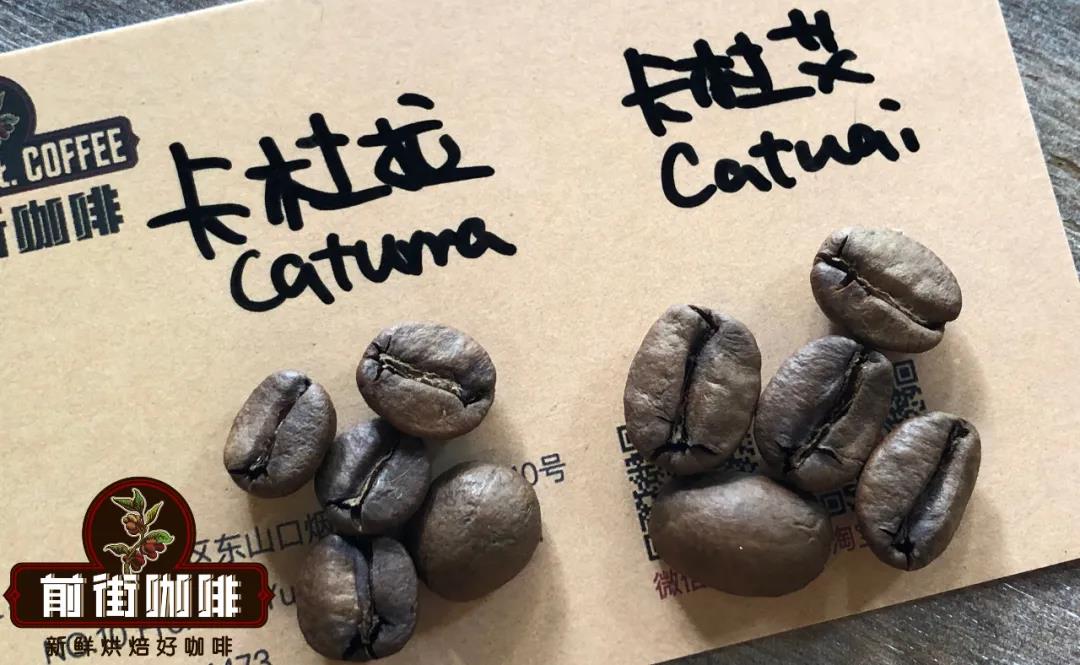
The uniqueness of this mixed-variety coffee lies in its 70% Geisha to 30% Caturra/Catuai blend ratio (early versions were adjusted to 30%-50% Geisha). The Geisha variety contributes signature tropical fruit aromas and silky sweetness, while Caturra (a disease-resistant variety adapted to 700-1,700 m altitude) and Catuai (a wind-and-rain-resistant hybrid) enhance structural stability. This combination presents citrus and berry as the main notes after roasting, with a honey-like sweet finish.
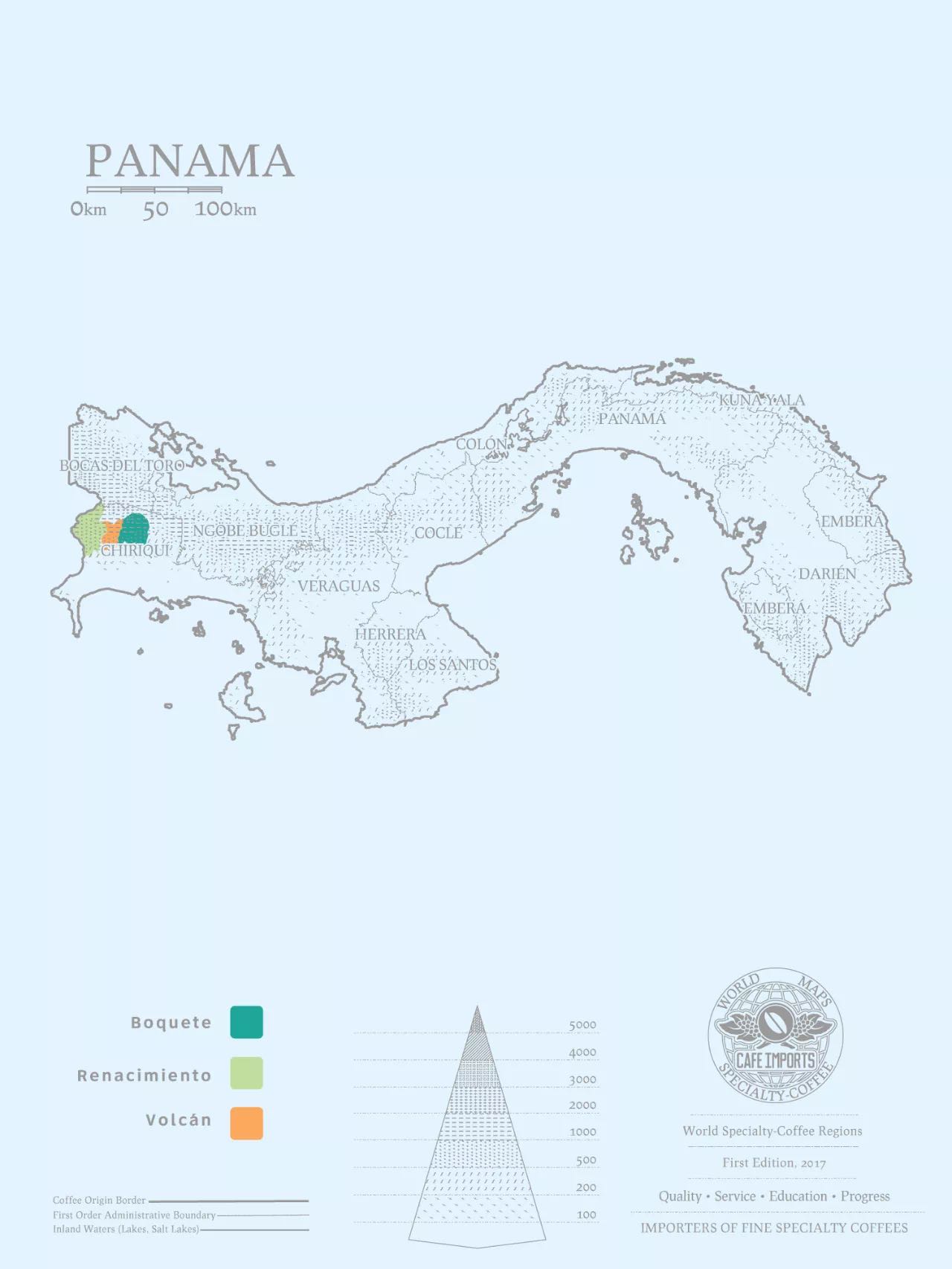
Panama has an S-shaped terrain nationwide, dominated by mountains except for coastal plains, and a tropical maritime climate brings abundant annual rainfall. The Boquete region is adjacent to Baru Volcano; fertile volcanic soil rich in minerals, combined with a humid environment of annual rainfall above 3,000 mm, creates high sweetness and complex flavors in coffee cherries. The region's unique microclimate—cold air blocked by the central mountain range forms multiple layers of microclimate zones—allows coffee trees to obtain ideal growing conditions at different altitudes.
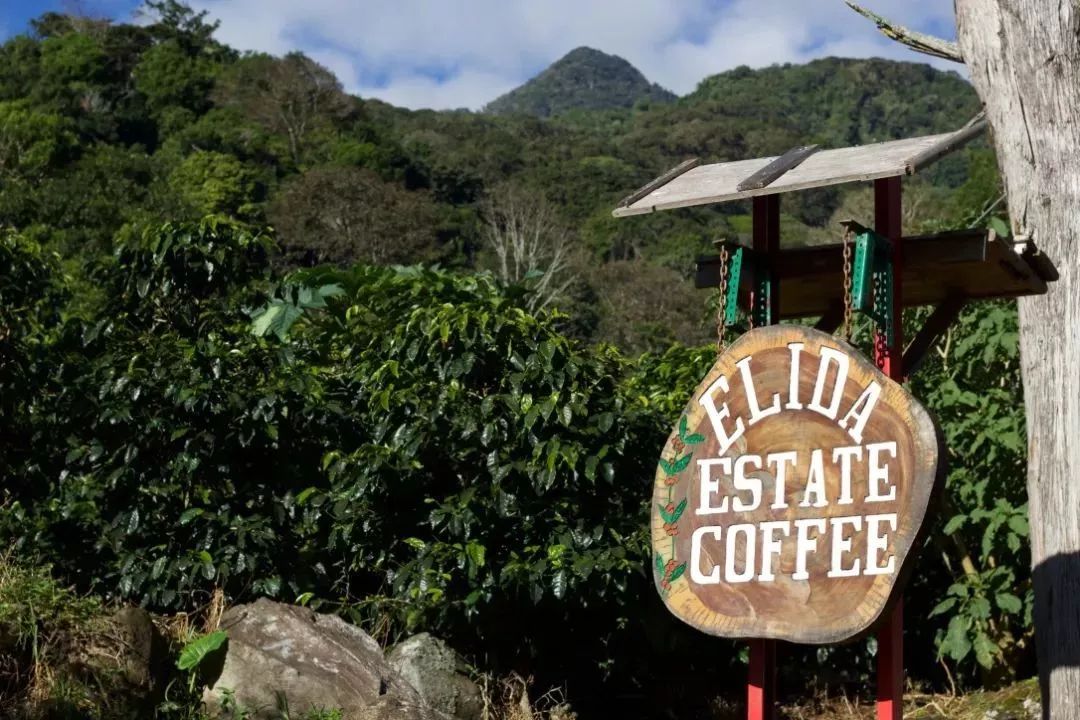
Boquete is not only home to Hacienda La Esmeralda but also gathers many specialty coffee farms. Coffees here generally have bright citric acidity, black-tea-like body, and multi-layered floral and fruity aromas. Compared with other regions, Boquete coffee has a more prominent sweet-sour balance, and especially when grown at high altitude, berry notes become more pronounced.
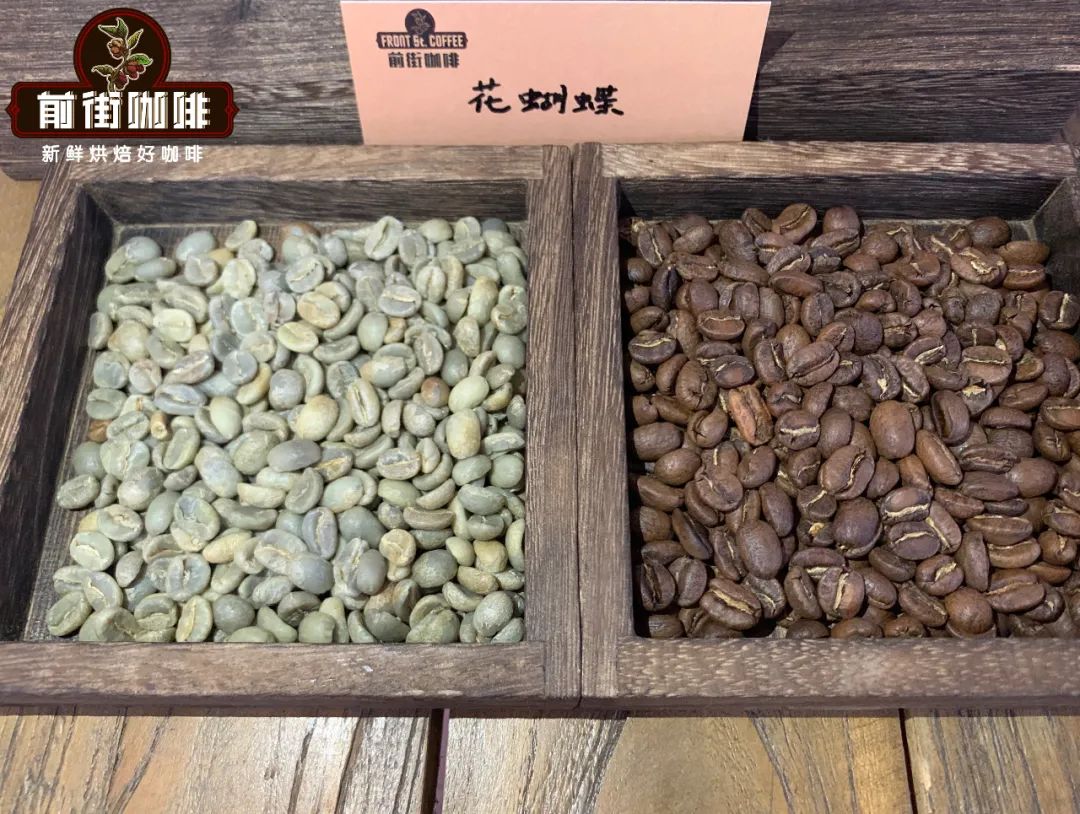
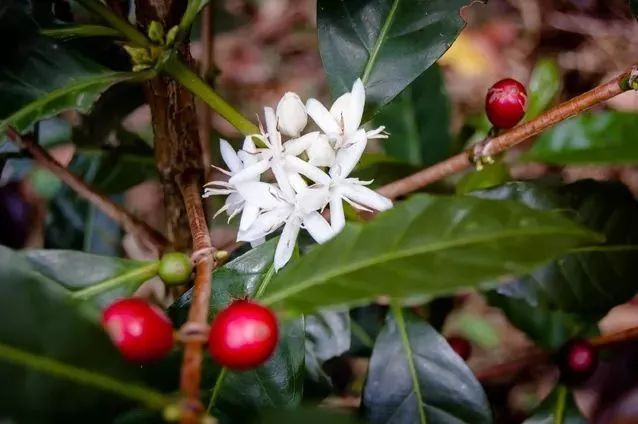
The core varieties in this blend each have their own characteristics: Geisha is distinguished by jasmine and citrus aromas and extremely high cleanliness, and its flavor intensity increases with altitude; Caturra, a Bourbon variant, inherits high-quality acidity and sweetness, has a short tree structure that is easy to manage, and reaches its best flavor when grown at 1,700 m altitude; Catuai combines the stress resistance of Robusta (especially wind and rain resistance) with the delicate mouthfeel of Arabica, and its firm pectin layer helps enhance fermented flavors.
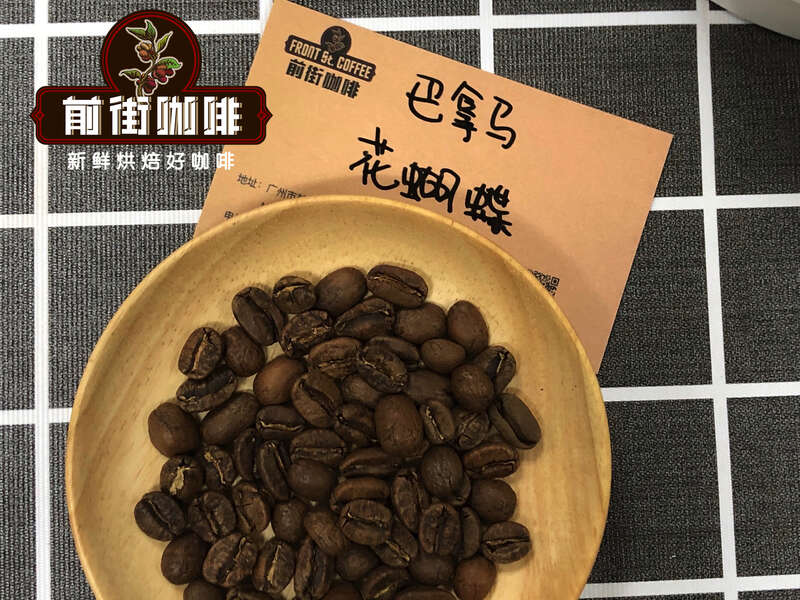
Regarding the origin of the name "Butterfly": this lot was initially grown with Geisha and Caturra/Catuai mixed together (not deliberately blended), and later manually screened and mixed. Its name underwent three changes—early on it was called "Cupid" (30% Geisha), two years later it was adjusted to 50% and renamed, and finally when the Geisha ratio reached 70% it was named Butterfly. Although it contains multiple varieties, because all of it comes from the same high-altitude volcanic region and is harvested and processed simultaneously, it still meets the definition of a single-origin bean.
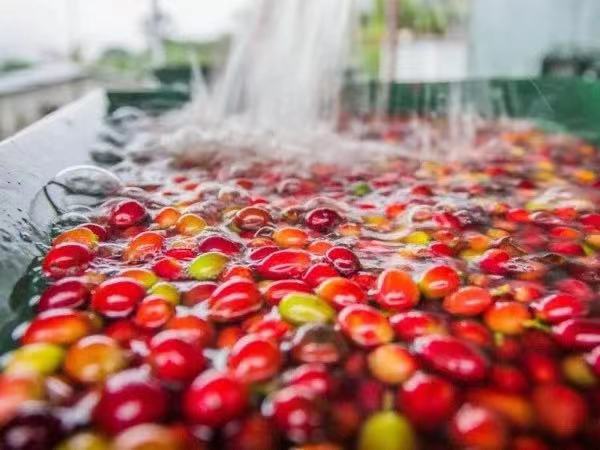
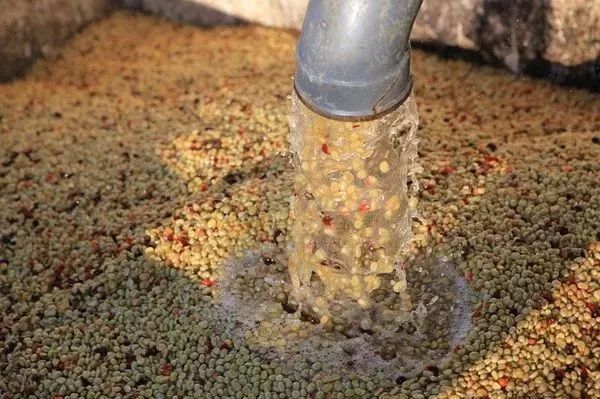
The washed processing method plays a key role in this bean: by removing pulp and fermenting to remove pectin, it highlights citrus and tea-like flavors while maintaining a low defect rate. The specific process includes: flotation to remove unripe beans → pulper to remove the outer skin → 16-36 hours controlled-temperature fermentation (producing flavor compounds such as citric acid) → washing off residual pectin with clean water → drying parchment beans to 12% moisture content. Compared with natural processing, this method better highlights the true characteristics of the variety, but it consumes a large amount of water.
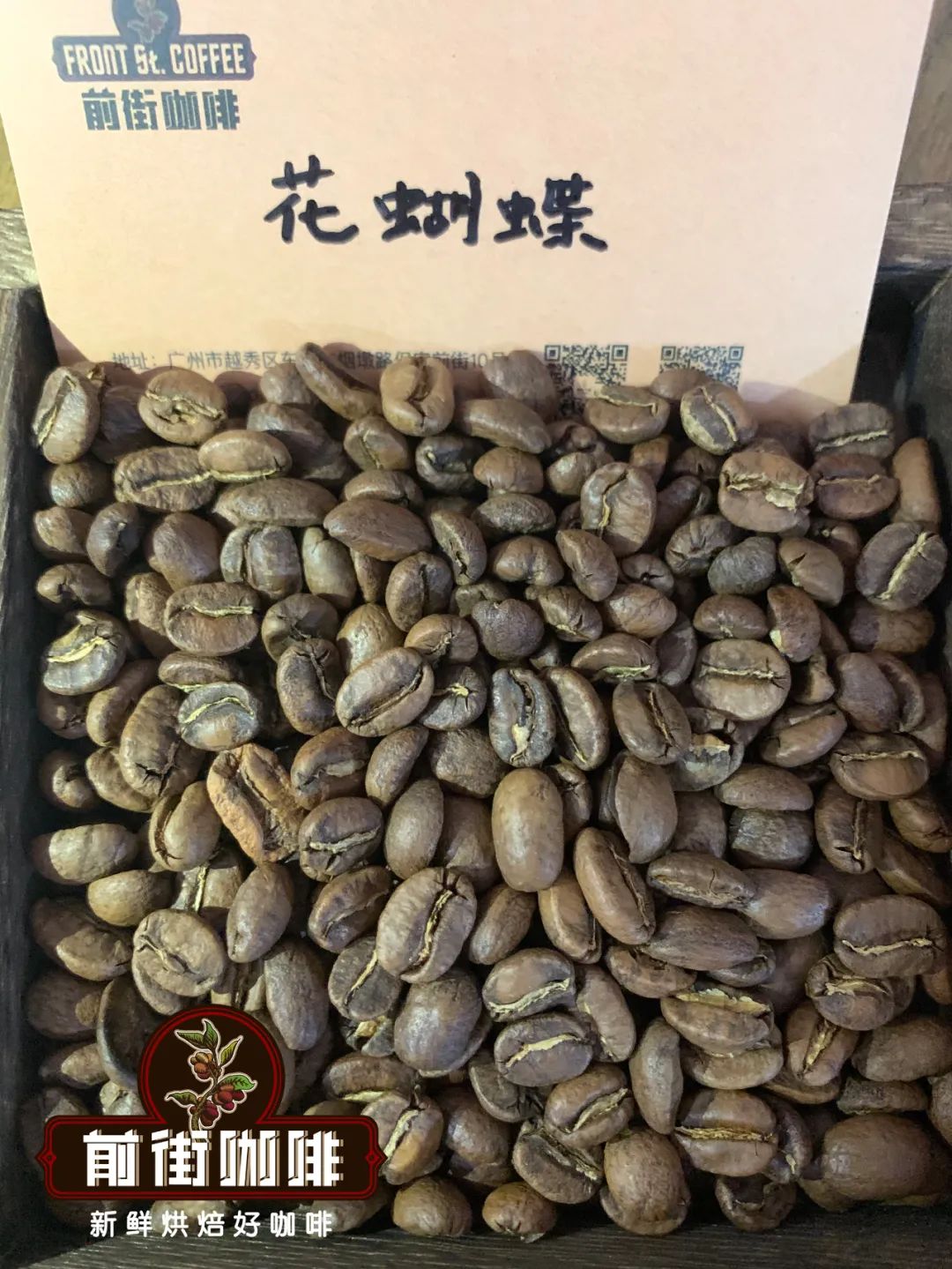
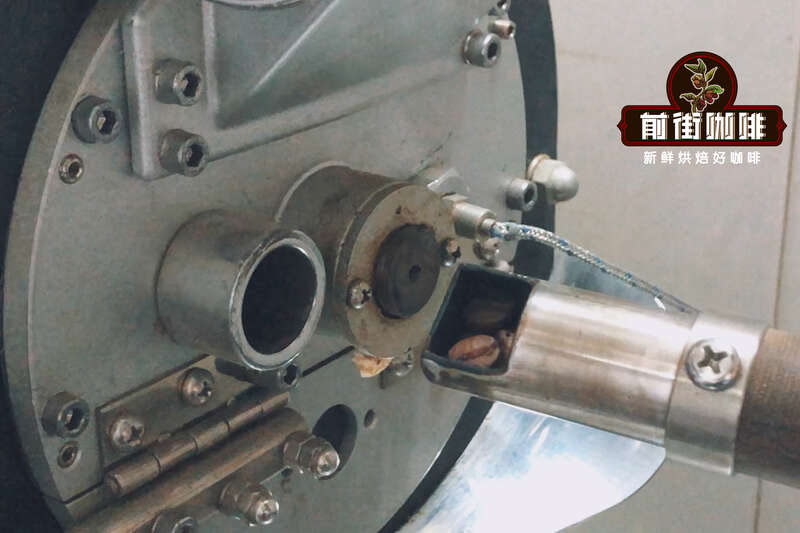
The roasting strategy needs to balance floral-fruity aroma and body: a medium-light roast level is recommended, with a charge temperature of 200°C for rapid dehydration (adjust heat at 165°C to prevent scorching), and dropping at the dense first-crack stage (about 193°C). This approach strengthens the citrus and black tea base while avoiding bitterness caused by overdevelopment. Home roasters can refer to: ignite at 160°C for 30 seconds → turn yellow at 4'50" → wrinkles appear at 7'50" → first crack starts at 8'31" → develop for 1'28" then drop.
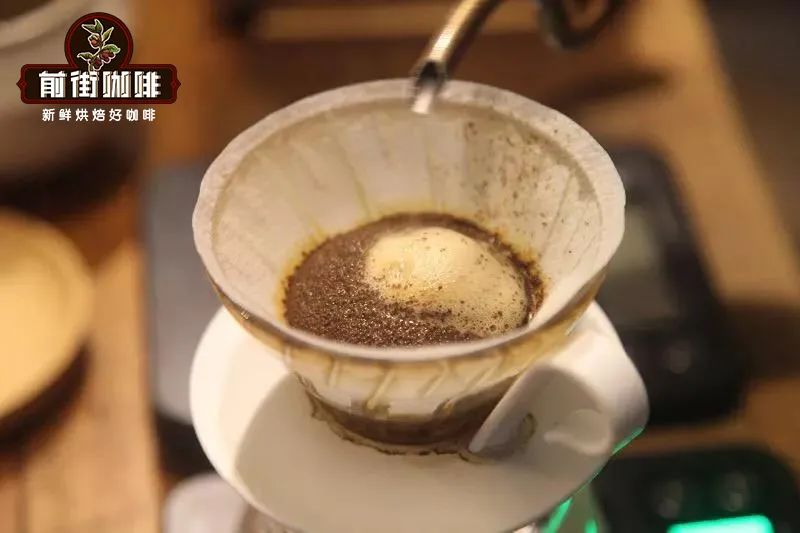
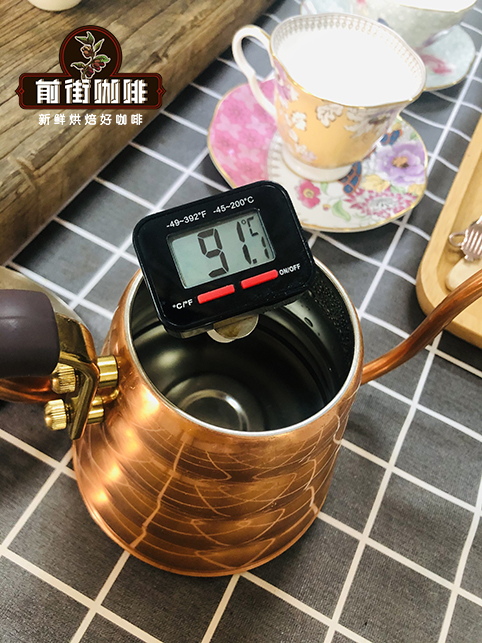
Pour-over parameter optimization plan: water temperature 90-91°C (avoid high temperatures that make citrus acidity sharp), BG#6M grind size (fine sugar texture, balancing extraction efficiency and smooth mouthfeel), 1:15 coffee-to-water ratio. Specific operation: bloom with 30 g water for 30 seconds → pour 95 g to 125 g in the center (1 minute) → pour 100 g in circles to 225 g (1 minute 40 seconds) → total extraction time 2'00". Keep the water flow steady and avoid disrupting the delicate layers of floral-fruity aroma.
The flavor presentation is clearly layered: the initial stage shows bright citrus and white flower aromas, the middle transitions to black-tea body and berry sweet-sourness, and the finish carries honey sweetness and faint nutty notes. The overall mouthfeel is clean without miscellaneous astringency, with moderate acidity like freshly squeezed juice, suitable for drinkers who prefer a fresh style. Pairing suggestion: serve with desserts such as lemon tart, or drink it alone to experience its evolving flavors.
When purchasing, note: authentic products should indicate key information such as Boquete region, 1,600 m altitude, washed process, and the higher the Geisha ratio, the higher the price usually is. For storage, use one-way degassing valve foil bags, keep away from light at 10-20°C, and the best flavor period is 2-4 weeks after roasting. For brewing equipment, choose V60 or fan-shaped drippers to fully reveal its clearly layered flavor structure.
The success of this blend confirms the unique value of Panama's microclimates—even with mixed cultivation, strict regional control and fine processing can still produce high-quality coffee comparable to single varieties. For coffee lovers, trying different roast levels (such as medium-dark roast to explore nutty notes) and brewing parameters (adjusting grind size to change body) will allow a more comprehensive experience of this specialty bean that combines floral-fruity aroma with a black tea foundation.