Panama Butterfly Coffee: Origin, Flavor, Processing and Pour-Over Guide
Introduction: Butterfly coffee from Panama's Boquete region has become a high-value choice in specialty coffee thanks to its unique variety composition and accessible price. This article takes a deep look at the terroir, washed processing details of this blend carrying Geisha lineage, and provides professional roasting curves and multi-scenario brewing recipes to help you precisely express its core flavors of citrus florals and honey sweetness.
Panama Boquete: A Coffee Golden Belt Nurtured by Volcanoes
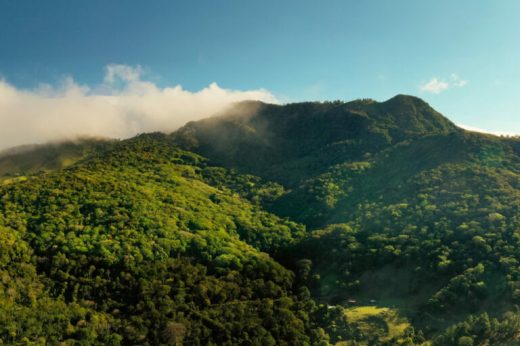
The Boquete region, located in Chiriquí Province in western Panama, sits on the highlands on the southern slope of the Barú volcano. The microclimate zone above 1,500 meters is known for large day-night temperature swings and selenium-rich volcanic rock soils. Sheltered by the Andes mountain barrier, moist air currents from the Caribbean form a unique microclimate here, with annual rainfall reaching 2,500 mm and distributed evenly, providing an ideal growing environment for coffee trees.
The Variety Code of Butterfly: An Affordable Stand-In for Geisha Genes
This coffee bean called "Butterfly" is actually made up of 40-50% Geisha mixed with Caturra and Catuai, forming a natural blend because varieties were not separated during historical planting. Although called a blend, all varieties are harvested from the same high-altitude plot (1,600 meters), placing it in the single-origin single-variety category.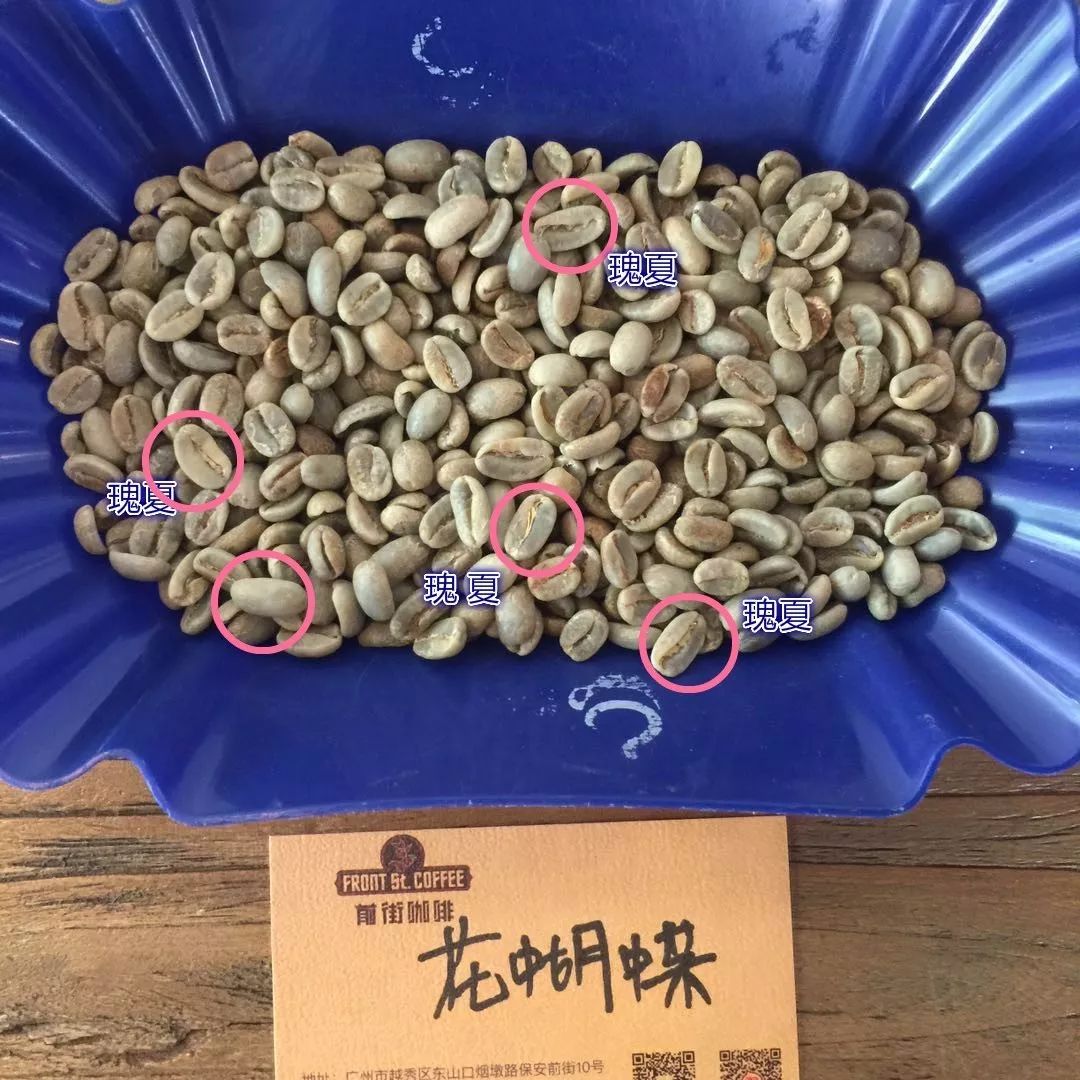
Precise Control in Washed Processing
The local processing plant uses a double-fermentation washed method: first, after pulping, a 24-hour lactic acid bacteria fermentation removes the pectin, then the beans are rinsed with mountain spring water and dried in layers on African drying beds. The key control point is turning 3-4 times daily to ensure the moisture content drops evenly to 11%. This process preserves the floral and fruity notes unique to Geisha while enhancing body through the Caturra variety.
Roasting Parameter Optimization Plan
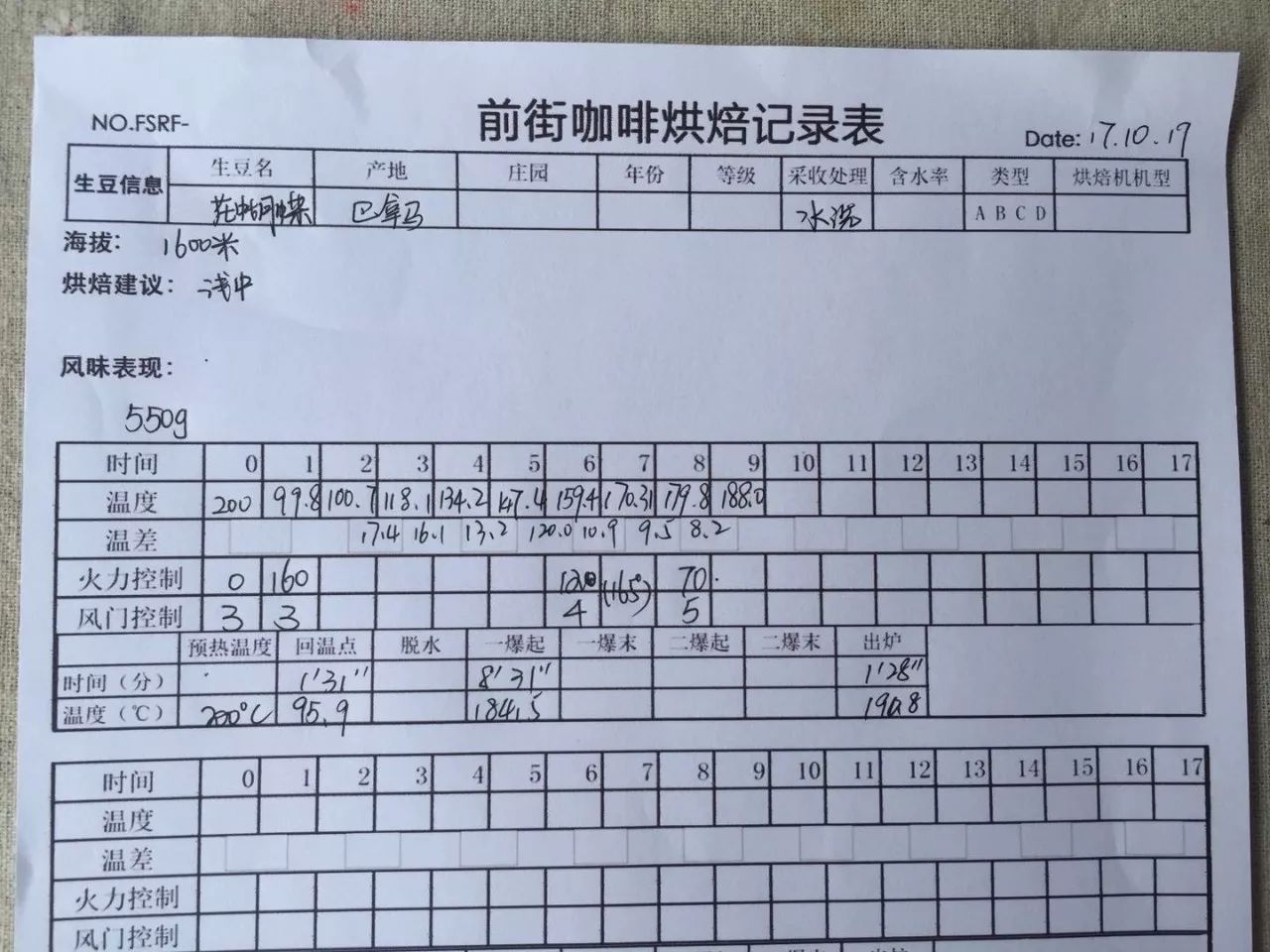
A medium-light roast (Agtron 65-70) is recommended. With a 550g batch charge, set:
• Charge temperature 200°C to quickly evaporate surface moisture
• Lower to 178°C before first crack to avoid excessive development
• First crack starts at 184.5±0.5°C (about 85 seconds of development)
Focus on monitoring the degree of silver skin shedding on the bean surface; when continuous cracking sounds appear, immediately lower the temperature to 175°C to end the roast, maximizing retention of citrus aromatics.
Sensory Characteristics and Cupping Performance
After resting overnight, three distinct layers of flavor appear:
• Dry aroma: white tea and toasted almond notes
• Wet aroma: a composite aroma of citrus and jasmine
• Palate: peach sweetness leads on entry, caramel and honey sweetness emerge mid-palate, and the finish carries a sweet aftertaste of high-mountain black tea.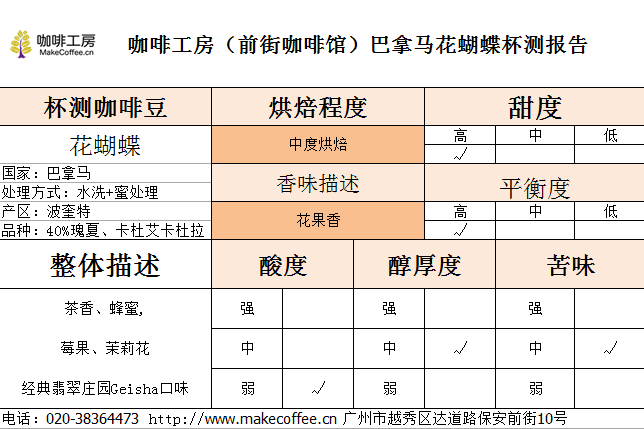
Multi-Scenario Brewing Parameter Comparison Table
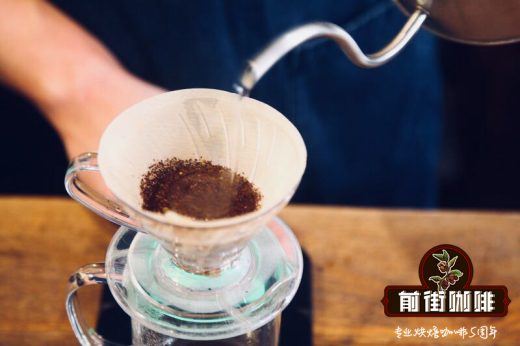
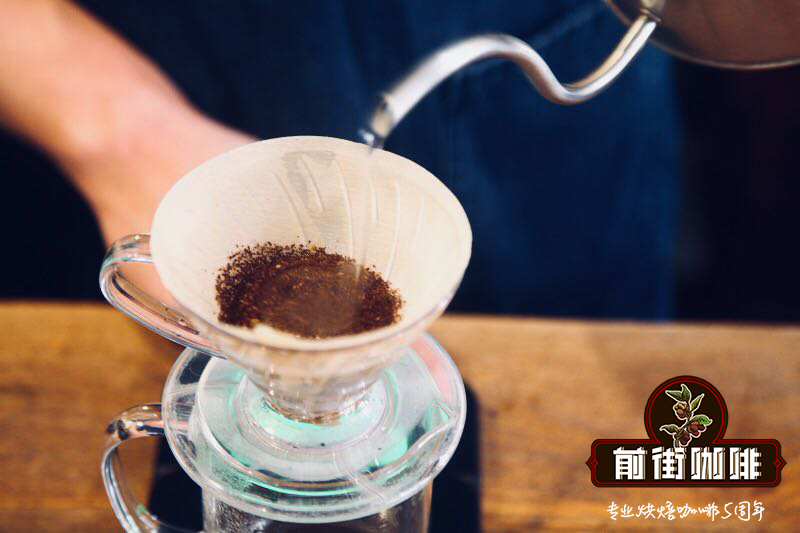
• V60 pour-over: 15g coffee/89°C water, 1:15 coffee-to-water ratio, 30g water bloom for 30 seconds → pulse pour to 225g (total time 2:00±10s)
• French press: coarse grind (JP4) with 90°C water, steep for 4 minutes
• Siphon: medium-fine grind (China standard No. 3), 91°C water, maintain vacuum extraction for 1'30"
Special note: Geisha varieties tend to produce sharp acidity above 93°C; pairing with a pre-infusion technique is recommended to improve sweetness consistency.