Iced vs Hot Americano: Coffee Bean Selection and Brewing Guide

Introduction: Iced and hot Americanos are the two most frequently ordered basic drinks in coffee shops, yet their flavor differences and brewing principles are often overlooked. This article compares the core differences between the two drinking methods, explains how coffee bean roast level affects flavor, and provides professional-grade extraction parameters. Focusing especially on the summer favorite iced Americano, it reveals key points for bean selection and ice usage techniques to help coffee enthusiasts precisely master the essence of making these two classic beverages.
In coffee consumption scenarios, iced and hot Americanos consistently occupy the mainstream position among basic drinks. Although both use a combination of espresso and water, the flavor evolution brought about by temperature changes deserves in-depth exploration. The image placeholder  shows an intuitive comparison of these two classic forms.
The standard Americano recipe requires only two ingredients: espresso and water. Taking the common 20g dose in specialty coffee shops as an example, a 26-27 second extraction cycle yields about 40g of espresso liquid. There are two subsequent paths—adding 80-90°C hot water makes a hot Americano, while mixing with room-temperature or ice water creates an iced Americano. It is worth noting that the stability of extraction parameters directly affects the final flavor presentation.
In the preparation process shown in the image placeholder  , water temperature control is a key variable. For hot Americano, it is recommended to dilute with 92-96°C hot water, while for iced Americano, it is recommended to pour directly over ice or cold water below 4°C. Some baristas first cool the espresso to around 60°C before adding ice; this compromise reduces flavor loss caused by sudden temperature changes. Experiments have shown that the optimal drinking temperature for iced Americano should be maintained in the 4-8°C range.
The image placeholder 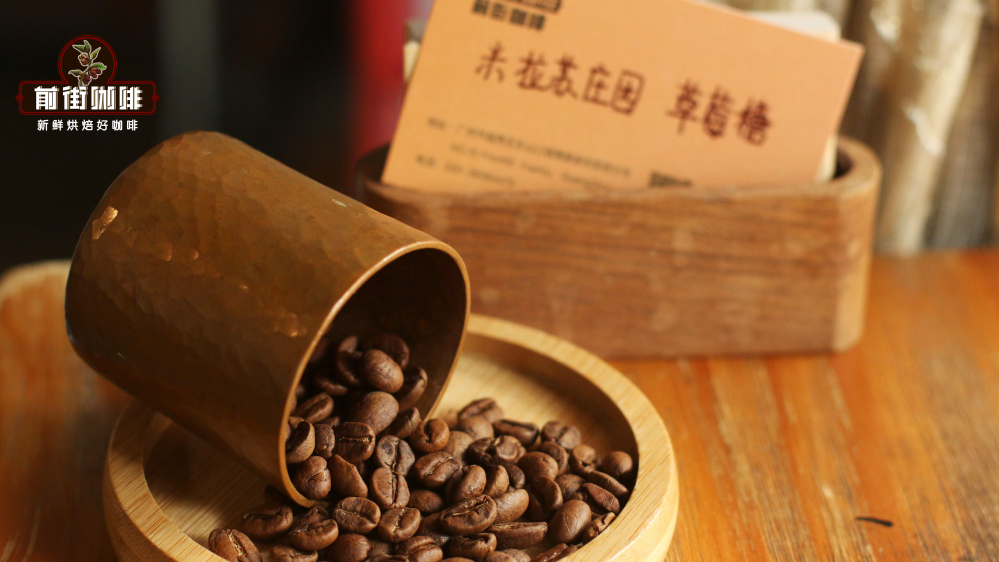 reveals the scientific basis for coffee bean selection. For iced Americano that emphasizes fruity acidity, it is recommended to use medium-light roast blends, where the citrus notes of Central American beans (such as Guatemala and Honduras) and the berry aromas of African beans (such as Ethiopia) can form a richly layered flavor combination. Hot Americano is more suitable for medium-dark roast beans, whose full-bodied taste can better withstand the bitter compounds extracted at high temperatures.
There is notable controversy regarding the choice of extraction medium. Although the method of adding ice directly (as shown in the image placeholder  ) can cool quickly, it causes the coffee liquid temperature to drop instantly by 10-15°C, potentially resulting in insufficient flavor extraction. The professional approach recommends first pouring the espresso into a pre-chilled cup, then adding ice in stages; this controls the final temperature while maintaining flavor integrity.
From a nutritional perspective, 100g of Americano coffee indeed contains only about 2.5 kcal, mainly from trace emulsified oils. However, the so-called "weight loss effect" comes more from caffeine's metabolism-boosting action and is not directly related to whether the drink is hot or cold. Consumers should note that excessive intake of iced Americano may cause stomach discomfort; it is advisable to pair it with appropriate sugar or dairy products to adjust the taste.
Whether seeking the convenience of iced Americano or preferring the traditional hot drink, understanding the essential differences between these two forms can significantly enhance the drinking experience. Mastering basic extraction parameters (coffee-to-water ratio 1:2, medium-fine grind, extraction time 25-30 seconds) and flexibly adjusting water temperature strategy will allow you to achieve ideal flavor expression in different seasons. The image placeholders fully present the key steps from raw materials to finished product.


