Panama Butterfly Coffee Beans: Flavor, Origin and Growing Guide

Introduction: Panama Butterfly coffee beans, with their unique mixed-variety genetics and volcanic origin, have become a favored choice for coffee lovers exploring flavors. This article examines in depth the three core varieties that make up this bean, the flavor characteristics brought by a 1,600-meter high-altitude growing environment, and reveals the history behind its affordable price. From processing method to brewing suggestions, it helps you fully grasp the essence of this high-value specialty bean.
Among coffee enthusiasts, beans from Panama's high-altitude regions have always held a special place. Beans produced here generally possess a complete flavor spectrum—a rich base of chocolate and caramel, clear floral notes, and a soft entry with balanced acidity and bitterness. Among them, the Butterfly coffee beans grown in the Boquete region are a representative presence thanks to their unique mixed-variety genetics.
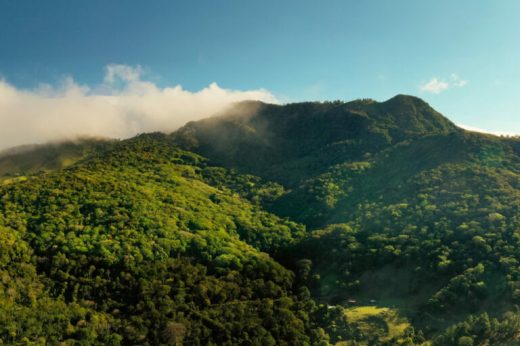
The core production area of Butterfly coffee beans is in the Boquete region of Chiriquí Province, on the border between Panama and Costa Rica. This area, adjacent to Volcán Barú, has an altitude of 1,600 meters; its volcanic rock soil is rich in minerals, and together with abundant annual rainfall and a marked diurnal temperature difference, it provides an ideal environment for coffee tree growth. Notably, this region is also the birthplace of the legendary Geisha variety, which laid a special genetic foundation for Butterfly's flavor.
The uniqueness of this coffee is first reflected in its variety composition: a blend of 40% Geisha, 30% Caturra and 30% Catuai. The Geisha variety contributes the signature jasmine fragrance and tropical fruit notes, while Caturra and Catuai enhance body and balance the citrus-like acidity. This blending is not the product of modern breeding techniques but stems from a historical choice made when the estate was founded in 1925—at the time, to pursue yield, farmers planted trees of different varieties together, and later retained the mixed processing method for picking convenience.
In terms of processing, Butterfly is processed using a meticulous washed method. After the cherries are hand-sorted, they are pulped and fermented to remove the mucilage, then rinsed repeatedly with mountain spring water to remove impurities. This method preserves the elegant aroma of the Geisha variety to the greatest extent while reducing the risk of over-fermentation. Thanks to the microclimate characteristics of the Volcán Barú area, stable year-round high humidity and even sunlight provide ideal ripening conditions for the coffee cherries, making the final product stand out in body, brightness of acidity and floral complexity.
Looking at the details of the growing environment, the geographical advantages concentrated in Panama's Central Cordillera create a unique microclimate system. In addition to Boquete, the surrounding highlands maintain an average annual temperature of 18-22°C, and together with the volcanic soil's characteristic high permeability and water retention, the coffee tree roots can effectively absorb nutrients. Beans grown in this environment generally show layered flavor: light roasts highlight citrus and floral notes, while medium-dark roasts develop the rich texture of caramel and chocolate.
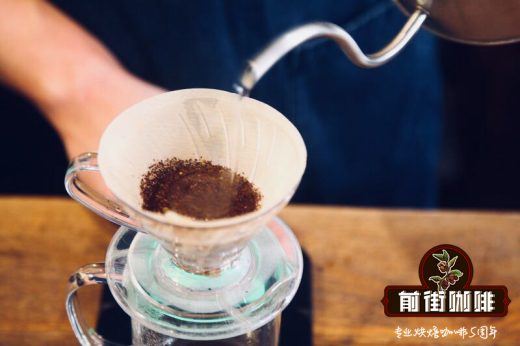
Another feature of Butterfly coffee beans is small-batch classification and numbering. The cherries of each batch are picked from a single plot at a specific altitude range, processed independently and labeled with a unique number. This meticulous management not only makes it easier to trace flavor differences but also provides roasters with a reference for adjusting parameters. When tasting, it is recommended to use a V60 dripper with water at 92-94°C; at a 1:15 coffee-to-water ratio, its bright acidity and layers of floral and fruity aroma are better presented.
In terms of market positioning, although Butterfly's mixed genetics were not deliberately cultivated, they unexpectedly created a high-value advantage. Compared with single-variety Geisha, which often costs hundreds of yuan, this blend with 40% Geisha heritage retains similar flavor complexity but sells at a more affordable price. Its processing station continues the traditional craft of the family estate, combined with modern refined washing techniques, achieving stable quality output while preserving flavor characteristics.