Guatemala COE Champion Pacamara Brewing Guide: Flavor Analysis and Pour-Over Parameters
Introduction: This Pacamara coffee bean, a repeated winner of international competitions, combines the bright acidity of the Pacas line with the full body of the Maragogype line. This article begins with the unique terroir of the Nuevo Oriente region, explains in detail the influence of honey processing on flavor, and provides a proven pour-over recipe to help you precisely present its signature berry acidity and honey finish.
Pacamara, a star variety in Guatemala's coffee gene pool, was bred by crossing Pacas and Maragogype. Born in the 1950s, this hybrid variety perfectly inherits the clean acidity of the Pacas line and the large bean size of the Maragogype line, with bean size generally reaching 70%-80% of that of regular Arabica. Compared with ordinary varieties, Pacamara has a thicker mucilage layer, which provides a unique advantage for subsequent honey processing.
As the youngest of Guatemala's eight regions, the Nuevo Oriente area has volcanic metamorphic rock soil rich in trace elements such as potassium and magnesium. The temperature difference between day and night formed by the high-altitude cloud and mist environment extends the coffee fruit's ripening period and allows fuller sugar accumulation.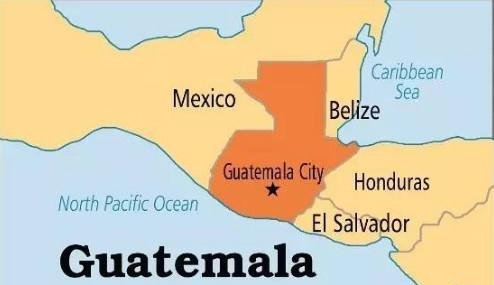
The award-winning El Injerto estate is located in the 1,550-1,800 m growing belt, where farmers use terraced cultivation to overcome the challenges of steep-slope planting. The estate has ranked on the COE competition list for many consecutive years, with its best result between 2013 and 2018 being 2nd place (2013/2015). The estate owner innovatively trial-planted at the extreme altitude of 2,300 m, controlling plant spacing to ensure each coffee bean receives sufficient nutrients.
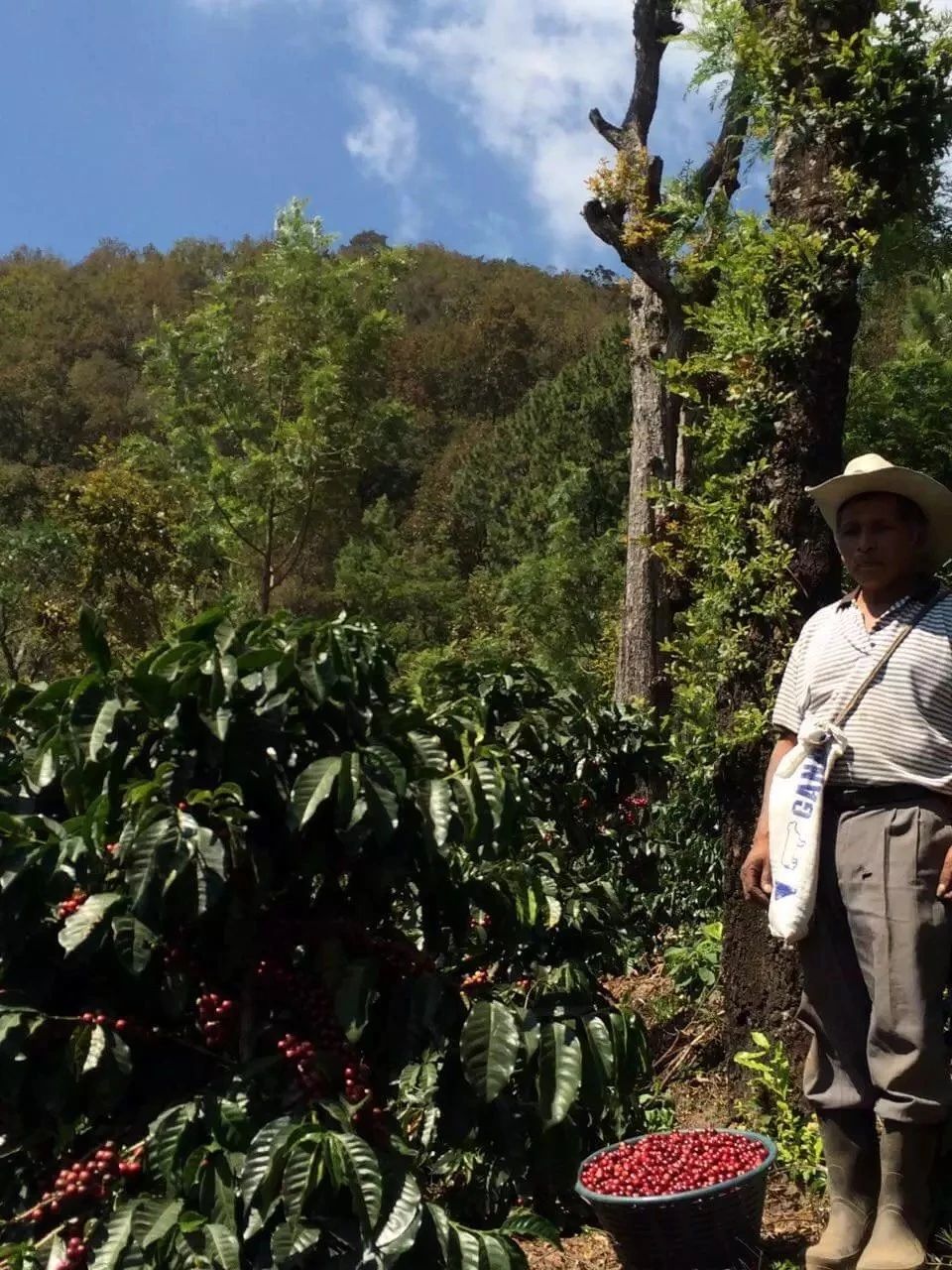 The key to honey processing lies in precise control of the degree of mucilage retention: first, floating beans are removed, then the outer skin is removed with a pulper while the intact mucilage layer is retained. During the sun-drying stage, the beans must be turned 3-4 times daily to prevent mold; when moisture content drops to 11%-12%, a specialized demucilager is used to separate the mucilage from the parchment. This processing method gives the coffee a pronounced caramel base and red berry character.
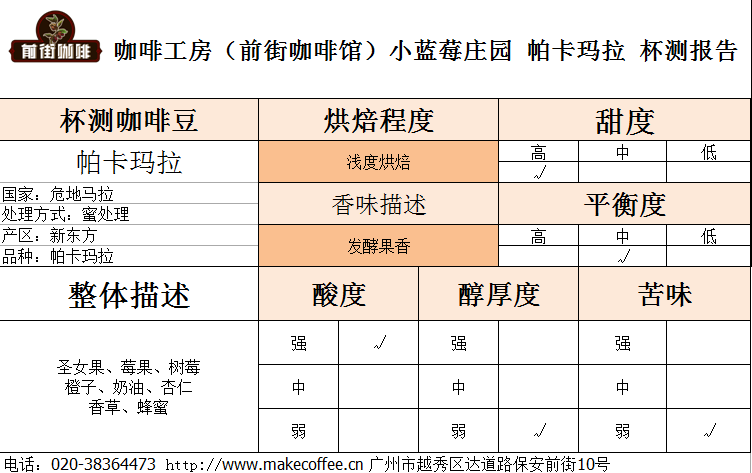
The Pacamara variety's characteristics are: medium first-crack density (development time about 110 seconds); roasters are advised to observe the oiliness of the bean surface when dropping at 195°C.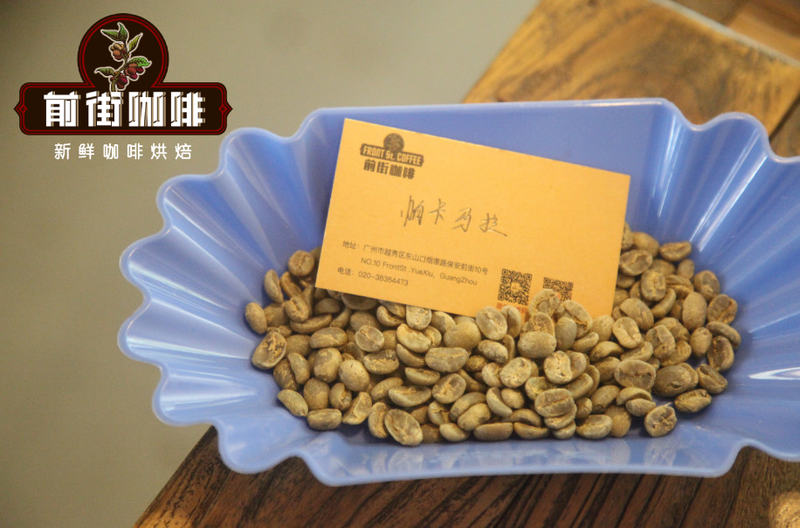 The typical cupping flavor profile includes the crisp acidity of cherry tomato, the bright fruit aroma of raspberry, and the mellow finish of honey and almond, with a sweet-acid balance of 8.2/10 (industry average benchmark 7.5).
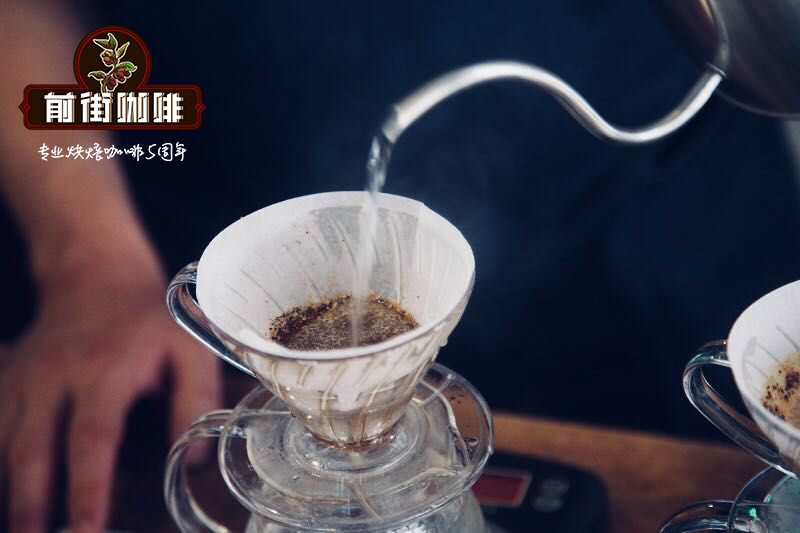
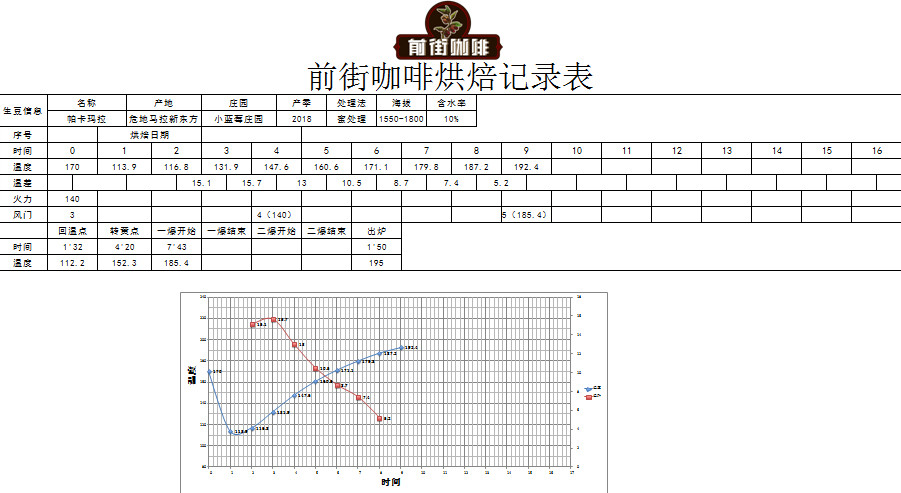 Pour-over optimization suggestions: when using a V60 dripper, use 90±1°C water temperature with a BG 5E grind size at 80% passing a No. 20 sieve. The pouring rhythm should follow a "three-stage extraction"—the first stage uses 29 g of water for a 32-second bloom to activate aromatic compounds; in the middle stage, when pouring to 120 g, pay attention to water flow penetration; before the final stage tops up to 226 g, ensure the coffee bed is level. Keep the total extraction time within 1 minute 50 seconds to 1 minute 56 seconds; over-extraction will make sharp acidity prominent.
The flavor wheel shows layered changes: the high-temperature stage (85-75°C) highlights plum acidity and passion fruit esters; the medium-temperature stage (70-60°C) reveals creamy sweetness and roasted nut notes; the low-temperature stage (below 50°C) brings out citrus-like finishing acidity and brown sugar sweetness. Pairing with sea-salt caramel cookies is recommended to enhance the coffee's honey texture.
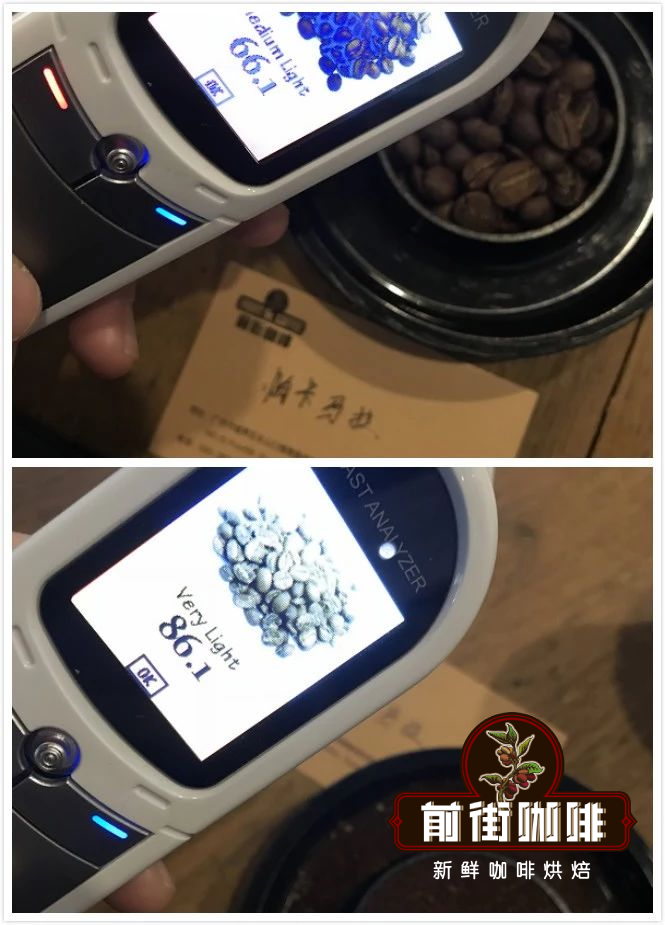 Data from professional roasting plants show that high-quality Pacamara usually has an Agtron bean color value stable in the 65-67 range, a pink value maintained in the 85-87 range, and a Roast Delta value of 20±2, indicating good roasting uniformity. For storage, keep it sealed and away from light, with relative humidity recommended at 45%-55%.
 This variety is highly sensitive to water quality; filtered water with a TDS of 120-150 ppm is recommended, avoiding high-hardness water that strengthens sharp acidity. Common beginner mistakes include grinding too fine, which causes channeling, or pouring too fast, which causes uneven extraction. Once the core parameters are mastered, this COE perennial winner will reveal a richly layered symphony of tropical fruit.
 From volcanic soil to the flavor in the cup, Pacamara's success confirms the perfect combination of variety characteristics and terroir conditions. Whether you seek a bright acidity experience or want to explore complex fruit character, this competition-grade bean from Guatemala can bring coffee lovers an unforgettable sensory journey.
 Through systematic parameter adjustment and patient practice, even home brewers can reproduce competition-level flavor performance. Remember the key variable controls: water temperature stability, grind uniformity, and pouring smoothness—these three elements will determine the flavor integrity ultimately presented in the cup.


